
Occupational therapy exercises for fine motor skills
Rehametrics offers more than 30 occupational therapy exercises designed specifically to rehabilitate patients' fine motor skills.
- Hanging out laundry, cooking from recipes, playing the piano, or manipulating virtual objects
- Difficulty adapts automatically to the patient's performance
- Different grip types, bimanual coordination and motor control
How Rehametrics supports fine motor rehabilitation
Fine motor rehabilitation is one of the most critical components of any occupational therapy treatment plan. Activities include exercises such as hanging out laundry, following cooking recipes, playing the piano, manipulating virtual objects, resizing objects, and working on working memory through functional, interactive tasks.
Activities adapt automatically to the patient's performance: if the patient improves, difficulty increases; if they struggle, the system reduces the demand to maintain an appropriate therapeutic level.
- The clinician can personalise duration, difficulty, movement type and clinical objectives.
- Supports a range of grip types, bimanual coordination and motor control training.
- Indicated for neurological, orthopaedic and chronic pain patients.
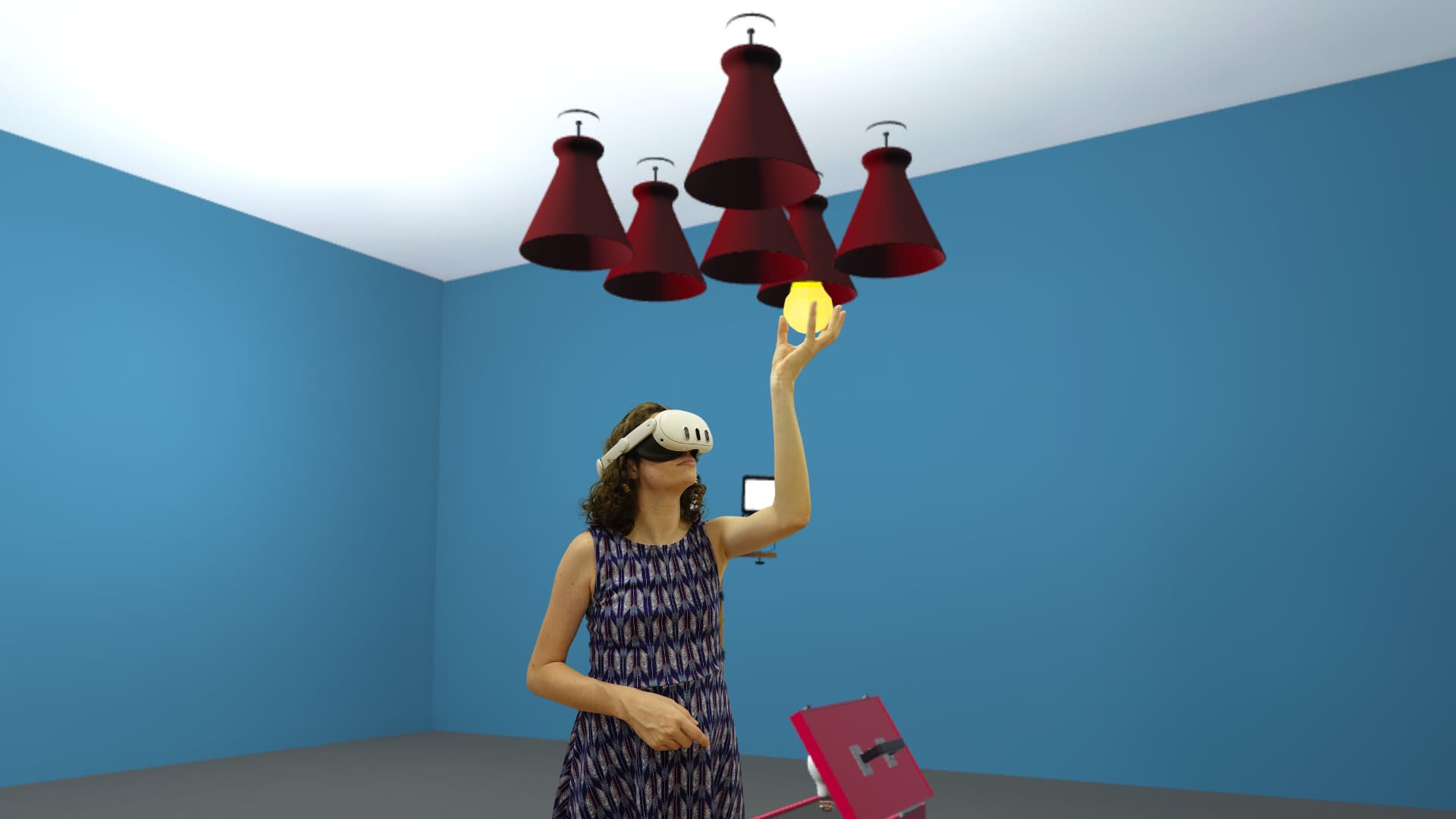
More than 30 fine motor exercises
A selection of available exercises. Functional, interactive tasks targeting grip, bimanual coordination and motor control and many more.
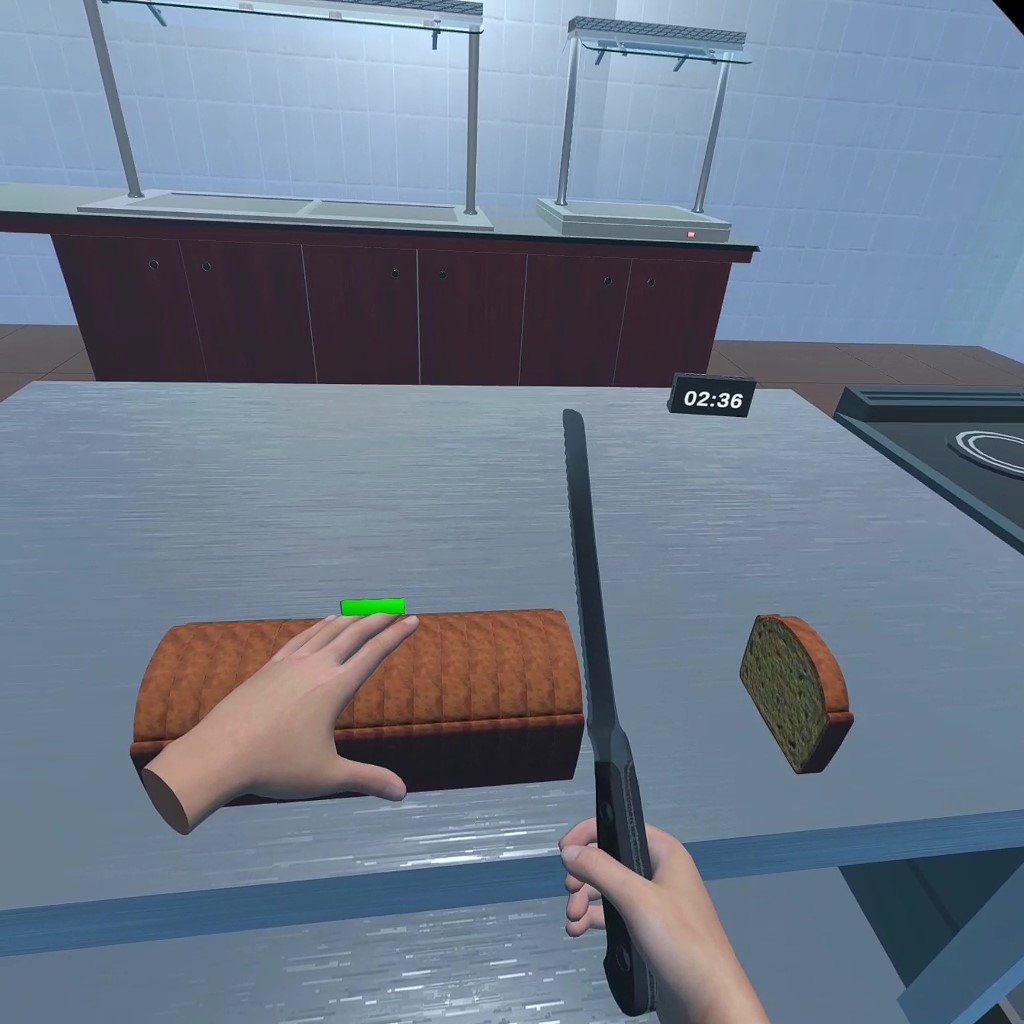
Kitchen
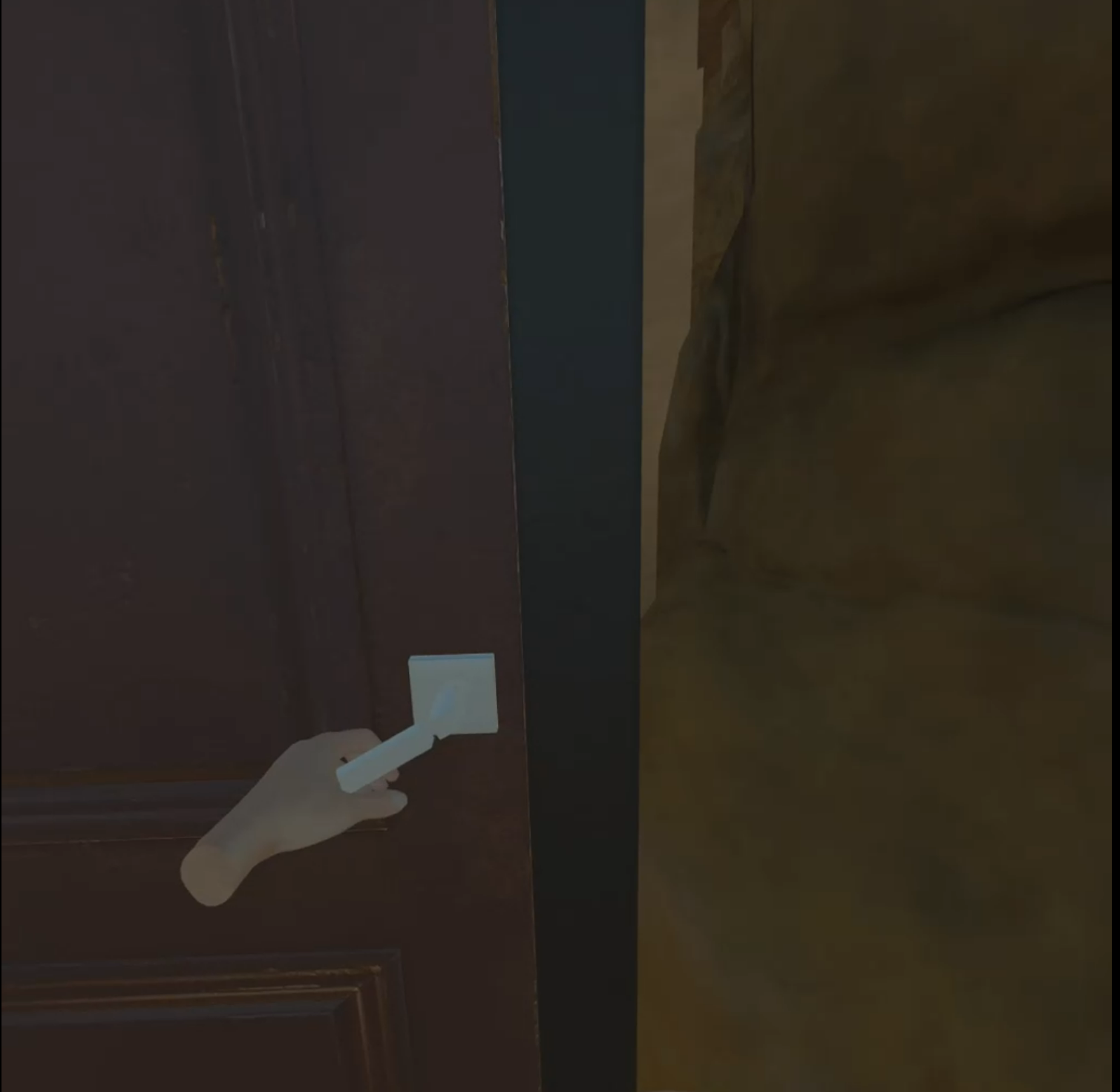
Hand mobility
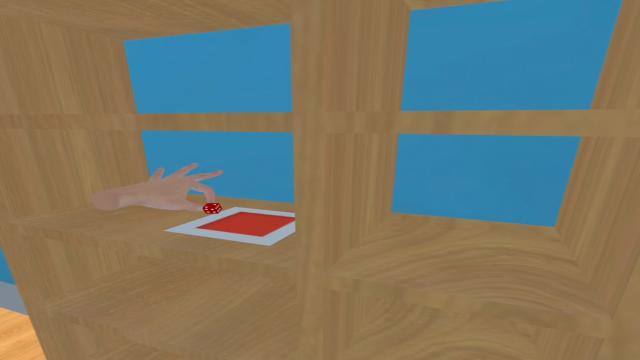
Object placement
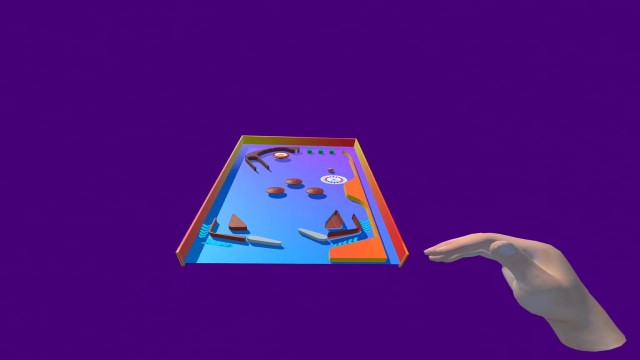
Metacarpophalangeal (MCP) joints
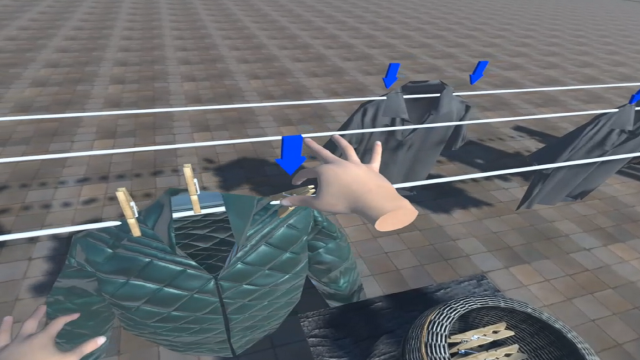
Hanging laundry
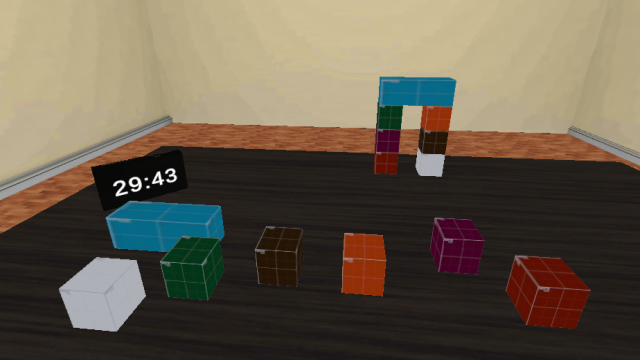
Stacking objects
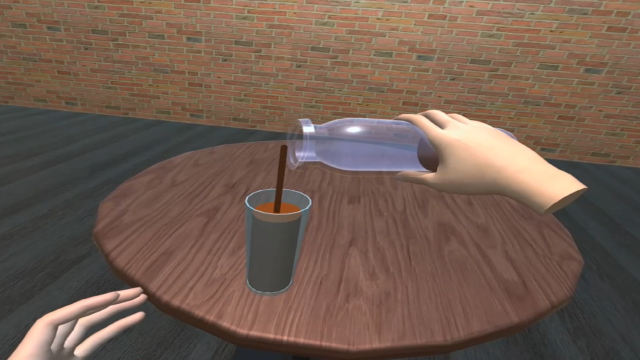
Eating and drinking
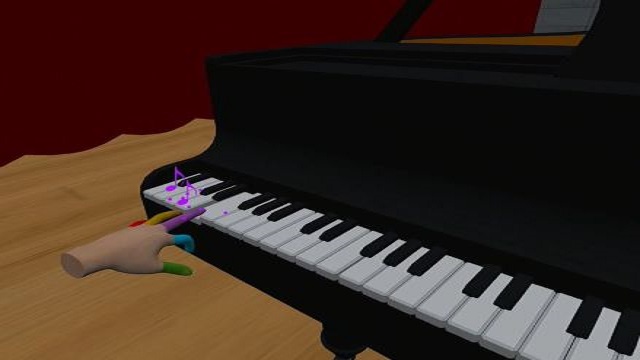
Finger dissociation
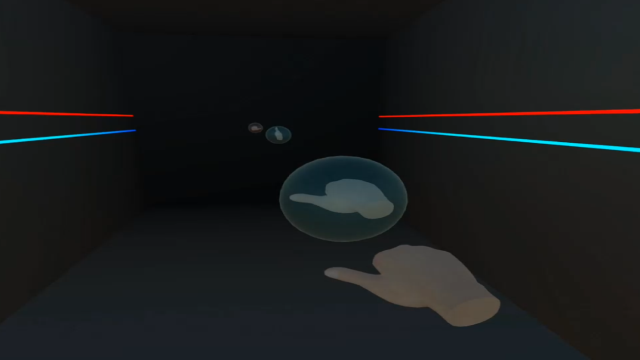
Motor praxis
+20
More exercises
Objective rehabilitation tracking
Rehametrics automatically records clinical metrics for every session. This allows the therapy team to monitor patient progress objectively and adjust the treatment plan accordingly.
Correct responses
Errors
Response time
Difficulty level
Key benefits
Rehametrics helps increase patient engagement and adherence throughout the rehabilitation process.
Improved function and adherence
Exercises designed specifically for occupational therapy that enhance functional outcomes and increase patient engagement.
Objective session data
The platform automatically records correct responses, errors, response times and difficulty levels, enabling more precise progress monitoring.
More therapeutic repetitions
The interactive, gamified component boosts patient motivation and makes it easier to achieve a higher number of therapeutic repetitions per session.
Discover our virtual reality solution for occupational therapy
Find out how hospitals and clinicians use Rehametrics to work on fine motor skills, functional rehabilitation and activities of daily living through personalised therapeutic exercises and virtual reality.
Frequently asked questions
Fine motor skills are the ability to perform precise, coordinated movements with the hands and fingers. These skills are essential for everyday activities such as writing, buttoning a shirt, using cutlery, cooking or handling small objects. When a patient experiences a neurological or orthopaedic injury, or a prolonged period of immobilisation, these abilities can be significantly affected, limiting their independence and quality of life. Occupational therapy uses targeted exercises to restore strength, coordination and upper limb function. Virtual reality can now complement these treatments by increasing motivation, the number of repetitions, and the patient's active participation.
Loss of fine motor skills can occur across a wide range of neurological and musculoskeletal conditions, including:
- Stroke
- Parkinson's disease
- Multiple sclerosis
- Cerebral palsy
- Spinal cord injuries
- Peripheral neuropathies
- Hand tendon injuries
- Wrist and hand fractures
- Complex regional pain syndrome
- Chronic pain and kinesiophobia
- Upper limb trauma
In many cases, the issue is not purely muscular. Patients may also present with impaired motor control, loss of cortical representation, fear of movement (kinesiophobia), or difficulty integrating the affected limb into functional activities.
No. It is a complementary tool that helps increase therapeutic intensity, motivation and patient engagement.
The key difference is the level of patient involvement. Gamification and immediate feedback increase adherence and the number of repetitions completed during each session.
Yes. It is currently used in neurological, geriatric and musculoskeletal rehabilitation with patients of varying ages and functional levels.