
Exercises for activities of daily living in occupational therapy
Activities of daily living (ADLs) are a core component of functional rehabilitation and occupational therapy. Rehametrics provides therapeutic exercises designed specifically to train functional activities, cognitive functions and independence in neurological, orthopaedic, geriatric and chronic pain patients.
Rehametrics' occupational therapy solution
The Rehametrics platform enables training in tasks related to cooking, organisation, planning, working memory and manipulation of everyday objects through interactive exercises and virtual reality.
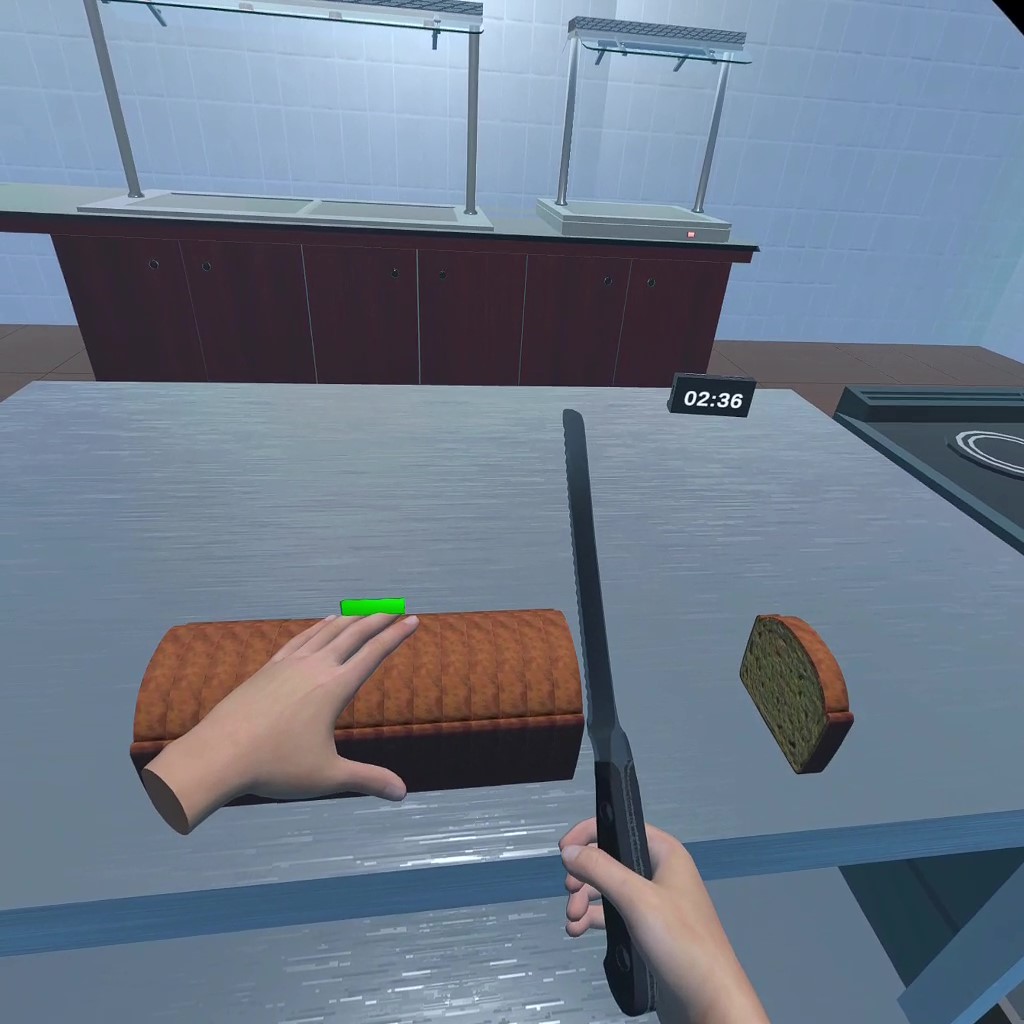
Activities of daily living exercises
These exercises allow patients to train bimanual coordination, attention, executive functions, motor control and functional sequences through therapeutic activities such as:
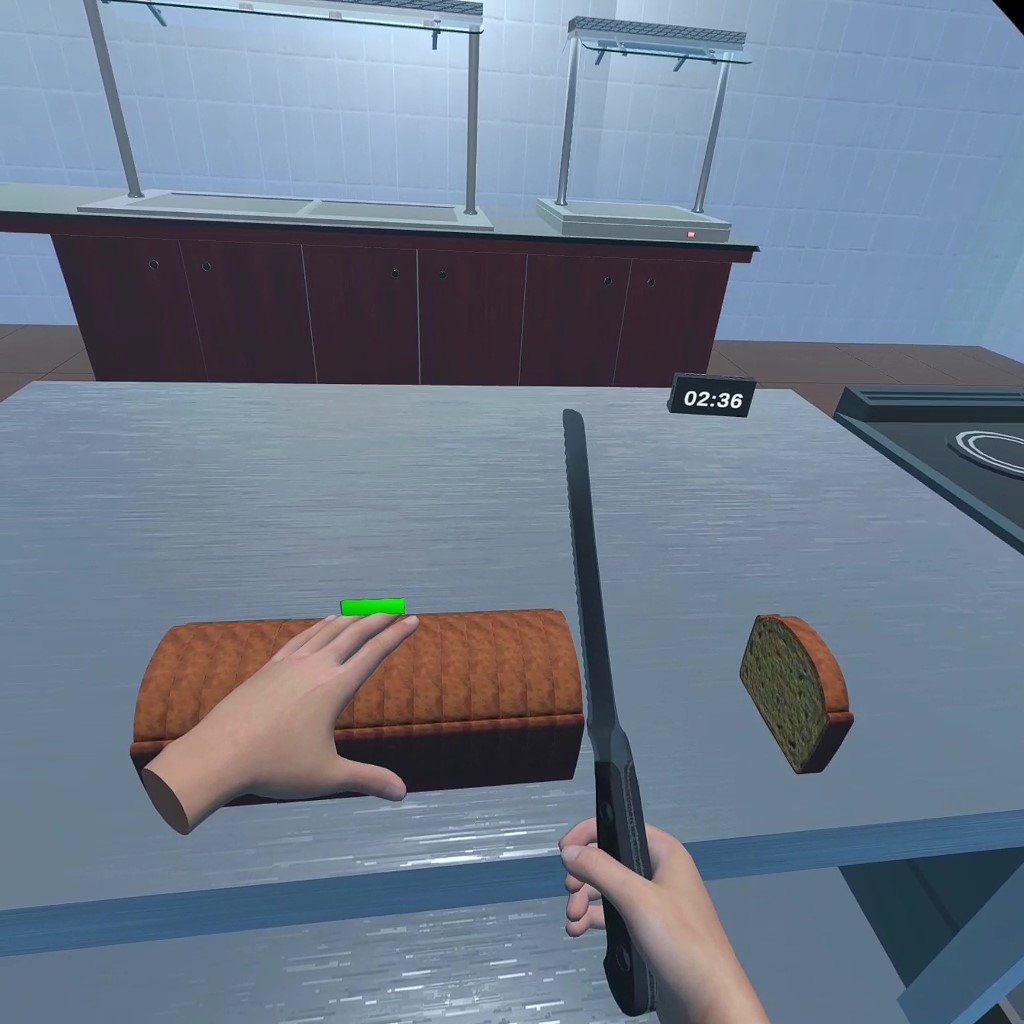
Kitchen tasks and recipe preparation
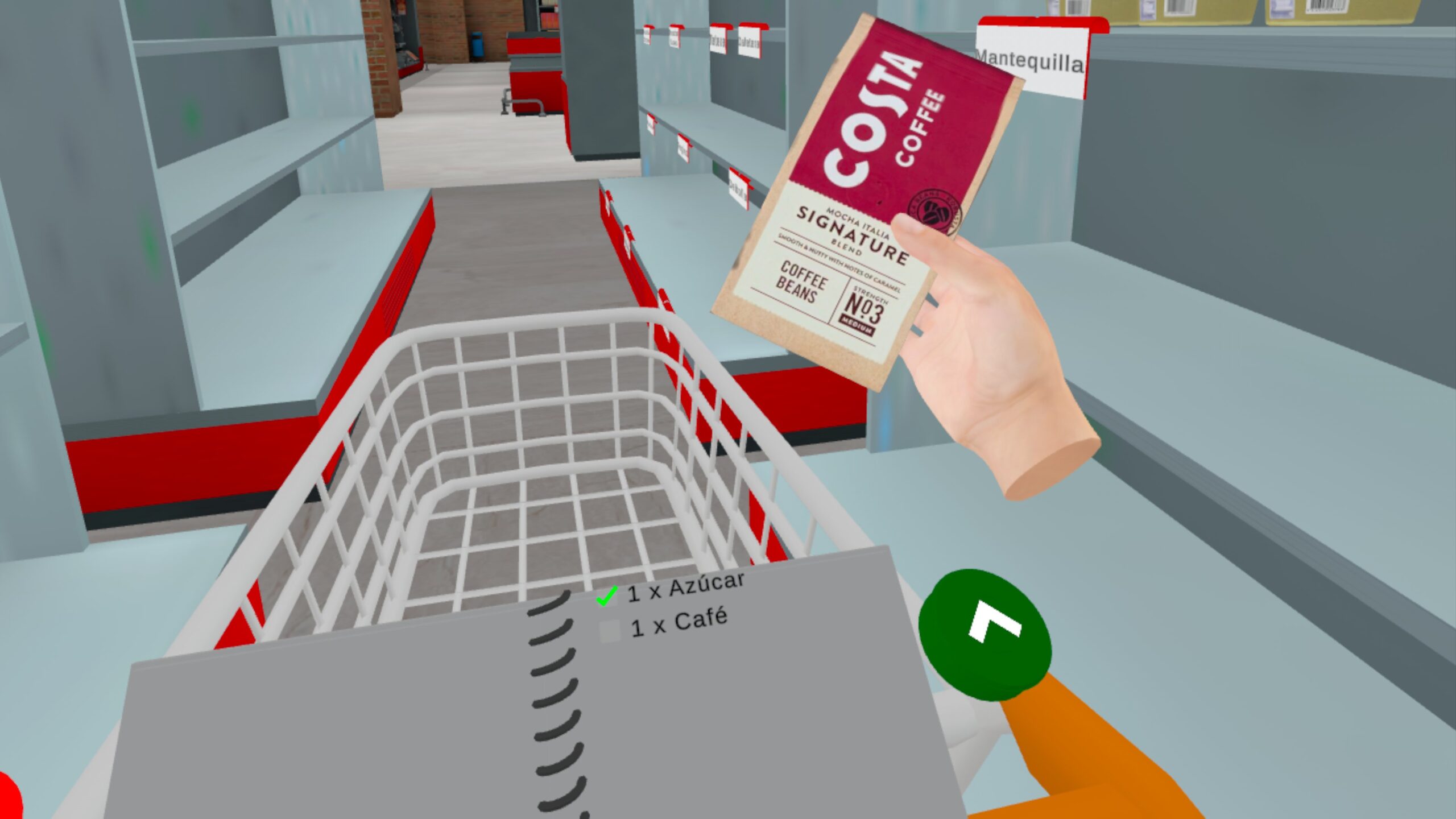
Supermarket shopping
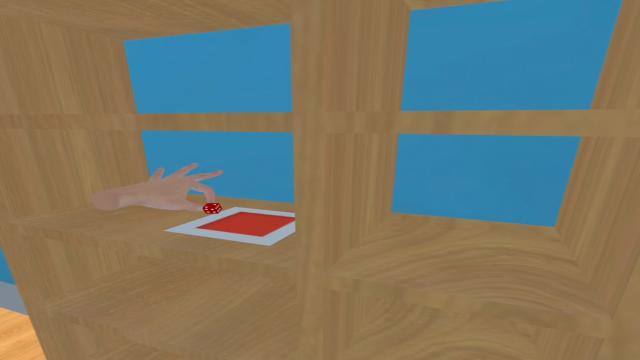
Object sorting and organisation
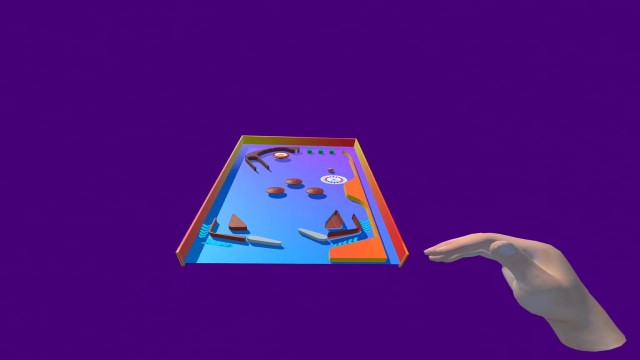
Simulated real-world objects
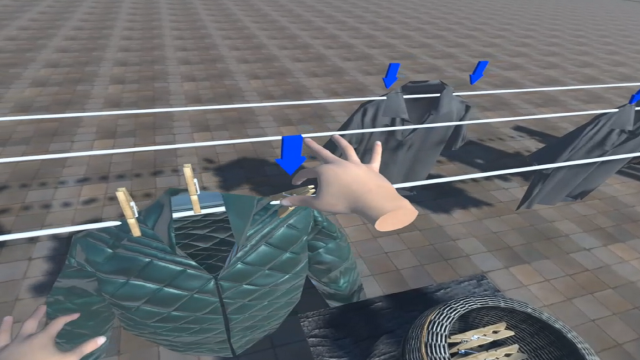
Hanging up the washing
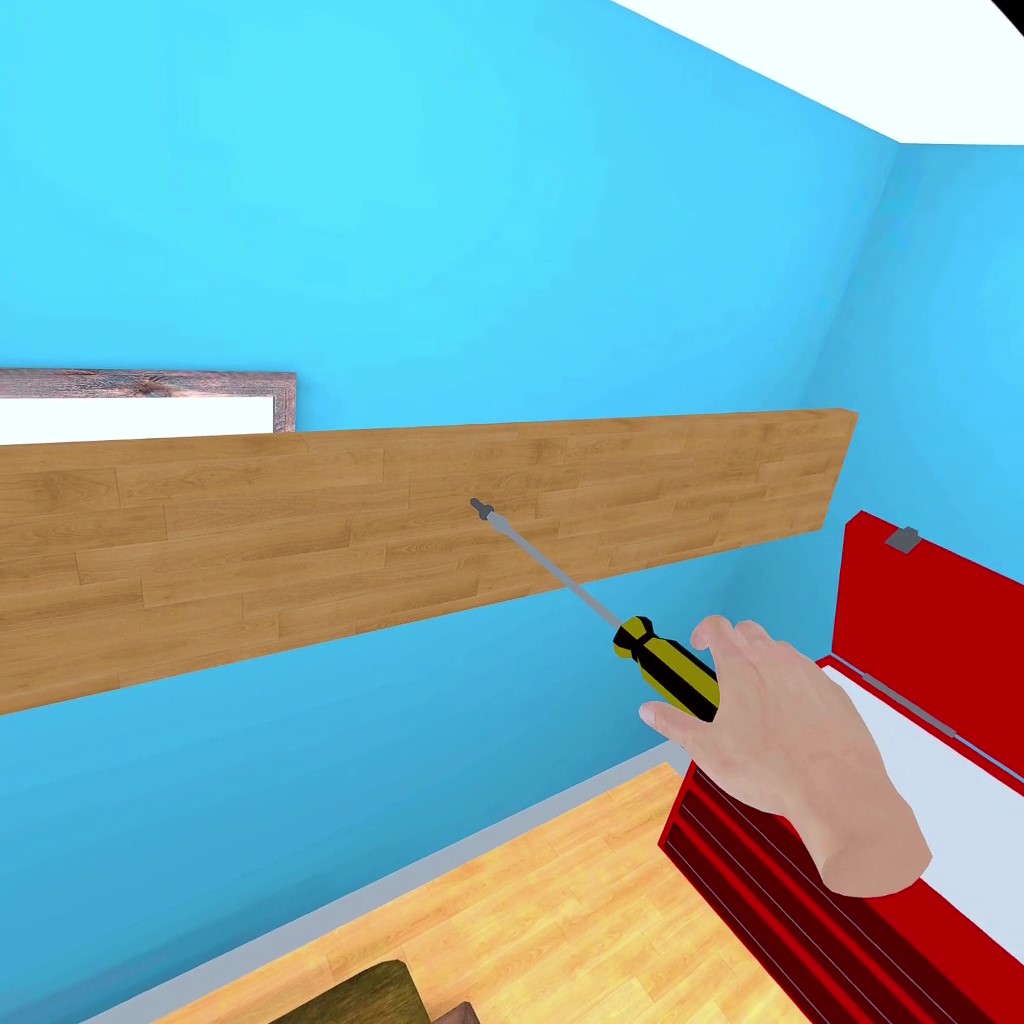
Household activities
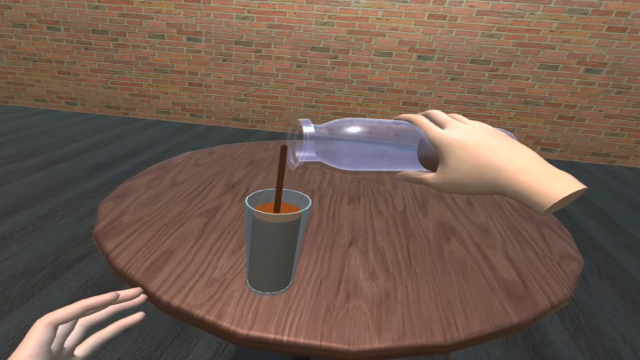
Eating and drinking
+
Many more exercises
Objective rehabilitation tracking
Activities adapt automatically to the patient's performance: if the patient improves, difficulty increases; if difficulties arise, the system reduces the demand to maintain an appropriate therapeutic level.
The clinician can personalise parameters such as duration, task complexity, speed, number of stimuli and clinical objectives to tailor each session to each patient's needs. Exercises are also designed to work with different pinch and grip types and coordinated use of both hands, among other goals.
Correct responses
Errors
Response time
Range of motion
Difficulty level
Key benefits
In addition to improving patient function and independence, Rehametrics helps increase motivation and engagement throughout rehabilitation sessions.
Automatic session quantification
Obtain objective data on patient performance for every session.
Increased therapeutic adherence
Through interactive exercises and gamification.
More therapeutic repetitions
A higher number of therapeutic repetitions per session.
Combined motor and cognitive training
Work on motor and cognitive functions simultaneously within the same exercise.
Automatic difficulty adaptation
Adjusted to the patient's clinical progress.
Discover our virtual reality solution for occupational therapy
Find out how hospitals and clinicians use Rehametrics to work on activities of daily living, functional rehabilitation and independence through personalised therapeutic exercises and virtual reality.
Frequently asked questions
Activities of daily living allow patients to practise the motor, cognitive and functional skills needed to manage everyday tasks with greater independence in their own environment.
These exercises address coordination, fine motor skills, attention, working memory, planning, executive functions, motor control and functional sequences — all through practical, contextualised tasks.
ADL exercises are used with patients presenting with stroke, acquired brain injury, Parkinson's disease, cognitive impairment, spinal cord injuries, chronic pain, trauma or loss of functional independence.
Virtual reality enables more interactive and motivating exercises, promoting active patient participation and increasing the number of therapeutic repetitions per session. It also allows difficulty to be automatically adjusted based on the patient's performance.
Rehametrics includes functional exercises involving kitchen tasks, supermarket shopping, object organisation, working memory, task planning, manipulation of everyday objects and household activities.
The system automatically adjusts difficulty based on the patient's performance. If the patient improves, task complexity increases; if difficulties arise, the demand decreases to maintain an appropriate therapeutic level.
Rehametrics automatically records clinical metrics — including correct responses, errors, response time and difficulty level reached — for every session, enabling objective monitoring of the patient's functional progress over time.