
Cognitive Rehabilitation Software
Designed by clinical professionals for neuropsychologists who want to deliver more personalised, objective, and engaging cognitive rehabilitation.
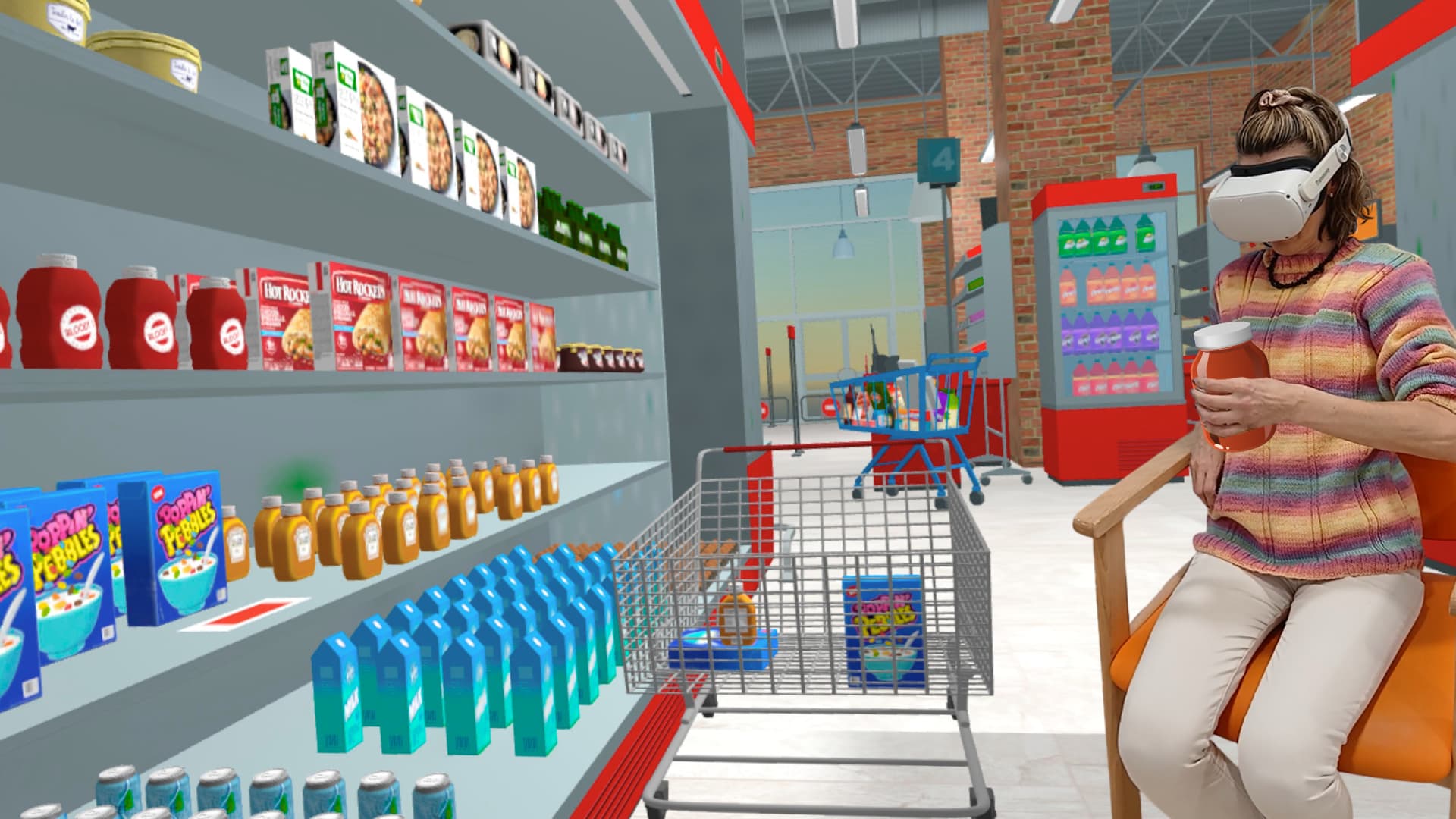
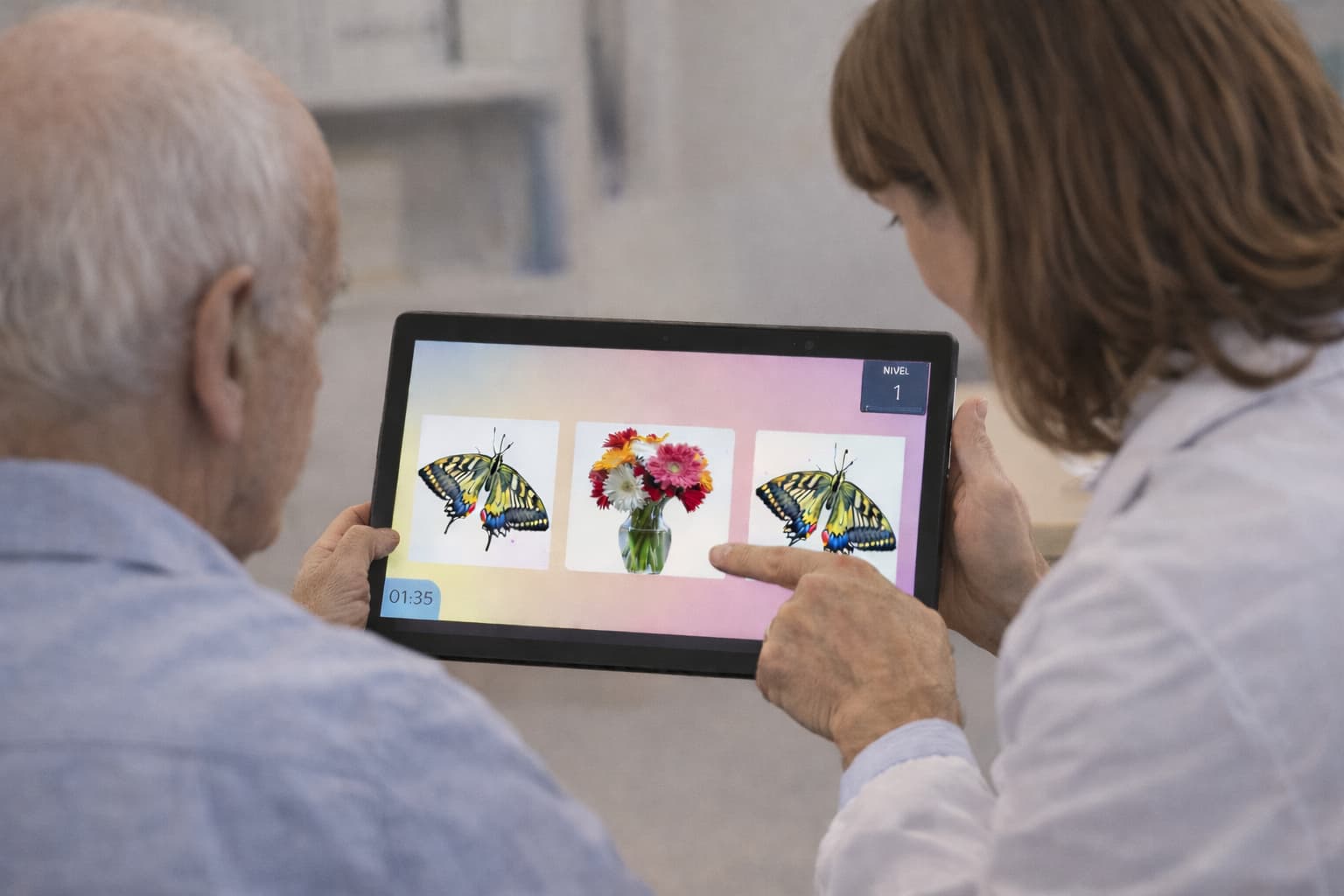
Three questions you’ve no doubt already asked yourself.
How do you ensure each patient works on the appropriate cognitive areas at the optimal level without session preparation consuming too much of your time?
How do you maintain patient motivation when the stimulation program extends week after week without visible changes?
How do you document cognitive progress in an objective and comparable way between sessions?
Rehametrics answers all three with a platform that goes beyond traditional cognitive stimulation.
Request a free demo ›Tools for each aspect of neuropsychological rehabilitation
As a neuropsychologist, you can combine the modules according to each patient’s cognitive profile and needs. All three are CE-marked as medical devices and were designed by clinicians for clinical use.
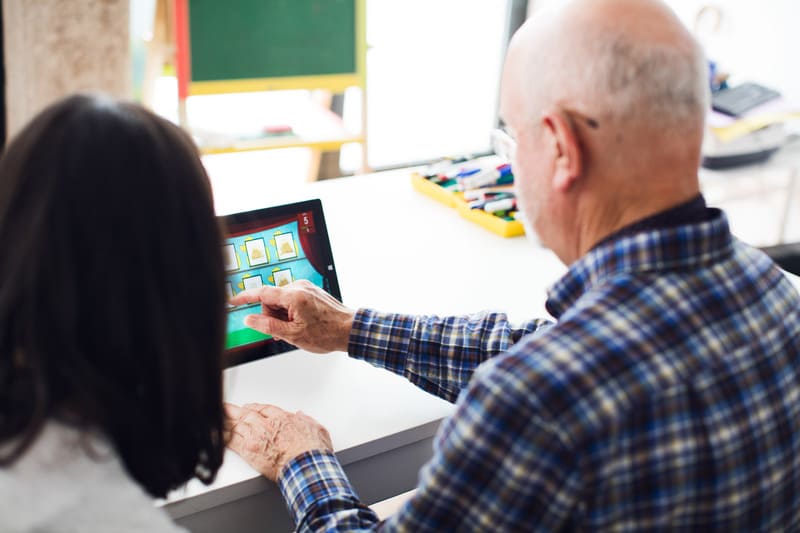
Cognitive Module
MAIN module
Digital cognitive rehabilitation and stimulation system with more than 190 gamified, customisable exercises. Target attention, memory, executive functions, language, perception, and activities of daily living, with personalised adaptation to each patient's cognitive profile.
The system automatically records performance during every session and generates detailed clinical reports, including response times, accuracy, progress by cognitive domain, and comparisons across sessions.
Acquired brain injury (stroke, TBI)
Neurodegenerative diseases (Parkinson’s, Alzheimer’s, Multiple Sclerosis)
Mild to moderate cognitive impairment
Brain tumor
Spinal cord injury with cognitive impairment
Post-ICU rehabilitation
Brain fog / cognitive fatigue
Intellectual disability
Active aging and psychogerontology
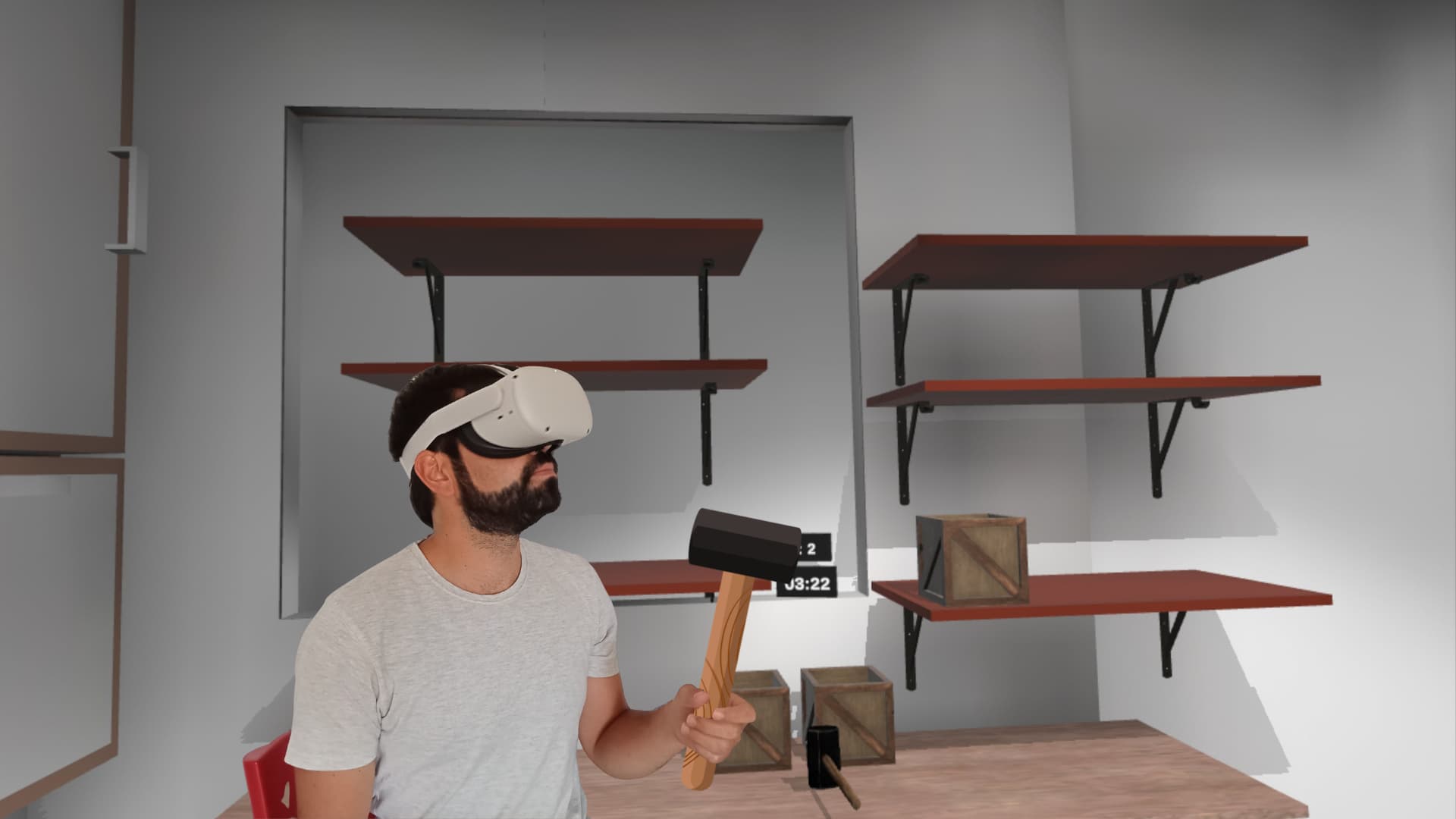
VR Module
Supplementary module
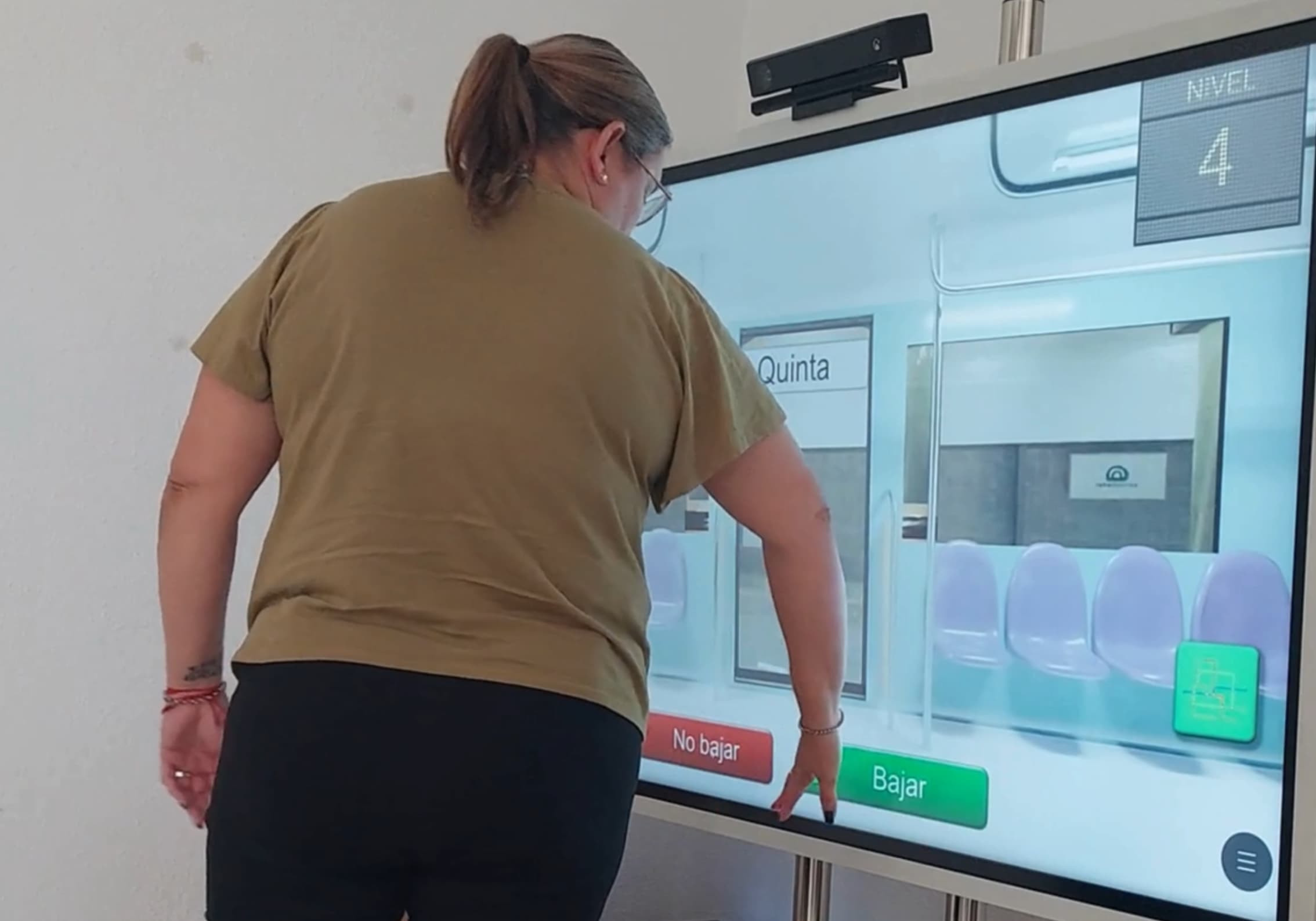
Using VR headsets, patients engage in immersive virtual environments with more than 70 exercises that combine cognitive and motor rehabilitation. The activities target attention, memory, categorisation, executive functions, and activities of daily living in a functional, ecologically valid context. No gloves, controllers, or calibration are required.
The clinician can see what the patient is doing in real time and can adjust the session from their computer without interrupting it.
Acquired brain injury
Parkinson’s disease
Multiple sclerosis
Spinal cord injury
Cerebral palsy
Disability and frailty
In 5 steps, from the session to the report
A workflow designed to make technology work for you, not the other way round.
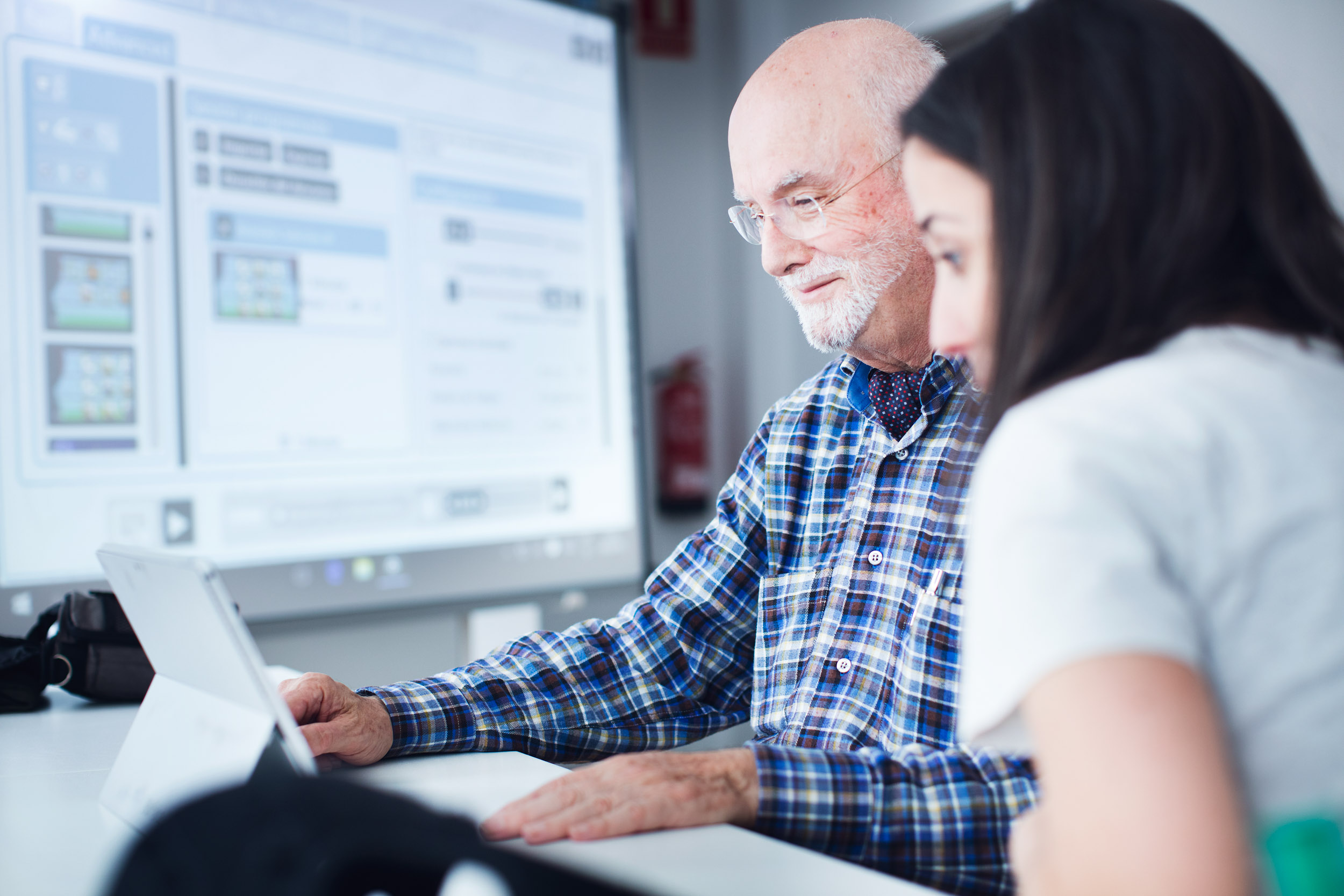
You assess the patient’s cognitive profile and identify the areas to work on
You prescribe the exercises and set the difficulty level according to their abilities
The patient carries out the session guided by the system, which automatically adjusts the level of difficulty
Rehametrics automatically records performance: correct answers, response times, progress by cognitive area
You can generate the clinical report with a single click, ready to print or export as a PDF
Results that matter
A system designed with two perspectives in mind: the patient’s experience and the healthcare professional’s efficiency.
For the patient
- Greater adherence thanks to motivation
- Immediate feedback
- Faster and more noticeable functional improvement
- Option to continue the programme from home
For professionals
- Objective data for each session, with no manual recording required
- Ongoing monitoring
- Automatic and exportable reports for medical records
- Precise adjustment of difficulty and exercise settings
"The more motivating the task, the more engaged the person will be. It ceases to be an exercise, ceases to be therapy, and becomes more of an experience."
Dra. Gemma Más Sesé
Neurologist, La Pedrera Hospital, Dénia
Results observed in clinical settings
Centres that have integrated Rehametrics into their daily practice report measurable improvements in patient engagement, personalised treatment and clinical follow-up.
Greater involvement in therapy
Patients who report greater motivation and active participation during the exercises.
Cognitive exercises available
Can be tailored to the specific area, level of difficulty and patient profile.
Clinical trials
Rehametrics has been endorsed as a therapeutic tool for cognitive rehabilitation.
Data collected from clinical centres that use Rehametrics in their day-to-day practice.
Would you like to see it in action with your patients?
Request a personalised demo and we’ll show you how Rehametrics can be tailored to your clinical practice.
Frequently Asked Questions
Rehametrics is a cognitive stimulation platform with CE marking as a medical device. In neuropsychology, its Cognitive Module allows clinicians to prescribe, guide, and monitor cognitive stimulation and rehabilitation sessions through over 190 gamified exercises. On the other hand, the VR Module allows for cognitive training using virtual reality, with more than 70 exercises. The system automatically records patient performance and generates detailed clinical reports without manual intervention from the clinician.
The Cognitive Module works on sustained and selective attention, memory, working memory, executive functions, language, perception, and activities of daily living. The VR module primarily works on attention, speed, and memory. Each exercise is customizable in terms of difficulty, duration, and parameters according to each patient's cognitive profile.
Rehametrics is a Software as a Medical Device (SaMD) with a CE mark, validated by more than 40 clinical studies. Unlike generic cognitive stimulation applications, it allows for complete clinical customization, records objective data for each session (response times, successes, progress by area), and generates exportable reports for clinical records. It is designed for professional use, not for patient self-management.
Yes, under the prescription and supervision of a neuropsychologist. The clinician plans the program remotely, and the patient performs it at home using a computer or tablet. The professional monitors progress and adjusts the protocol without the need for an in-person visit.
Rehametrics offers difficulty levels adapted to different degrees of impairment. The system guides the patient throughout the entire session with clear visual instructions. In cases of severe impairment, direct supervision by the clinician or a family member is recommended during the session.
A computer or tablet is sufficient for the Cognitive Module. No special equipment or complex installation is required. For Immersive Rehabilitation, a Meta Quest 2, 3, or 3S headset is also needed.