
Cognitive rehabilitation exercises for memory
Rehametrics offers more than 50 exercises designed to train different types of visual, verbal and auditory memory.
- Short-term, working, delayed, visual, verbal, spatial and prospective memory
- The difficulty level adjusts automatically to the patient’s performance
- Automated clinical monitoring with objective metrics per session
Train your memory with specialised cognitive exercises
Cognitive rehabilitation exercises for memory focus on a person’s ability to take in, retain and recall information. Patients do not simply memorise items: they must also remember sequences, retain information whilst performing another task, recognise previously presented stimuli or anticipate future actions.
Difficulties in this area are commonly seen in people with acquired brain injury, cognitive impairment, Alzheimer’s disease or other forms of dementia, traumatic brain injury or neurodevelopmental conditions. The level of difficulty of the activities is adjusted in real time according to the patient’s performance.
- The practitioner can customise the type of stimuli, presentation time and clinical objectives.
- It approaches memory through three channels: visual, verbal and auditory.
- Multiple levels of difficulty to adjust the challenge throughout the rehabilitation process.
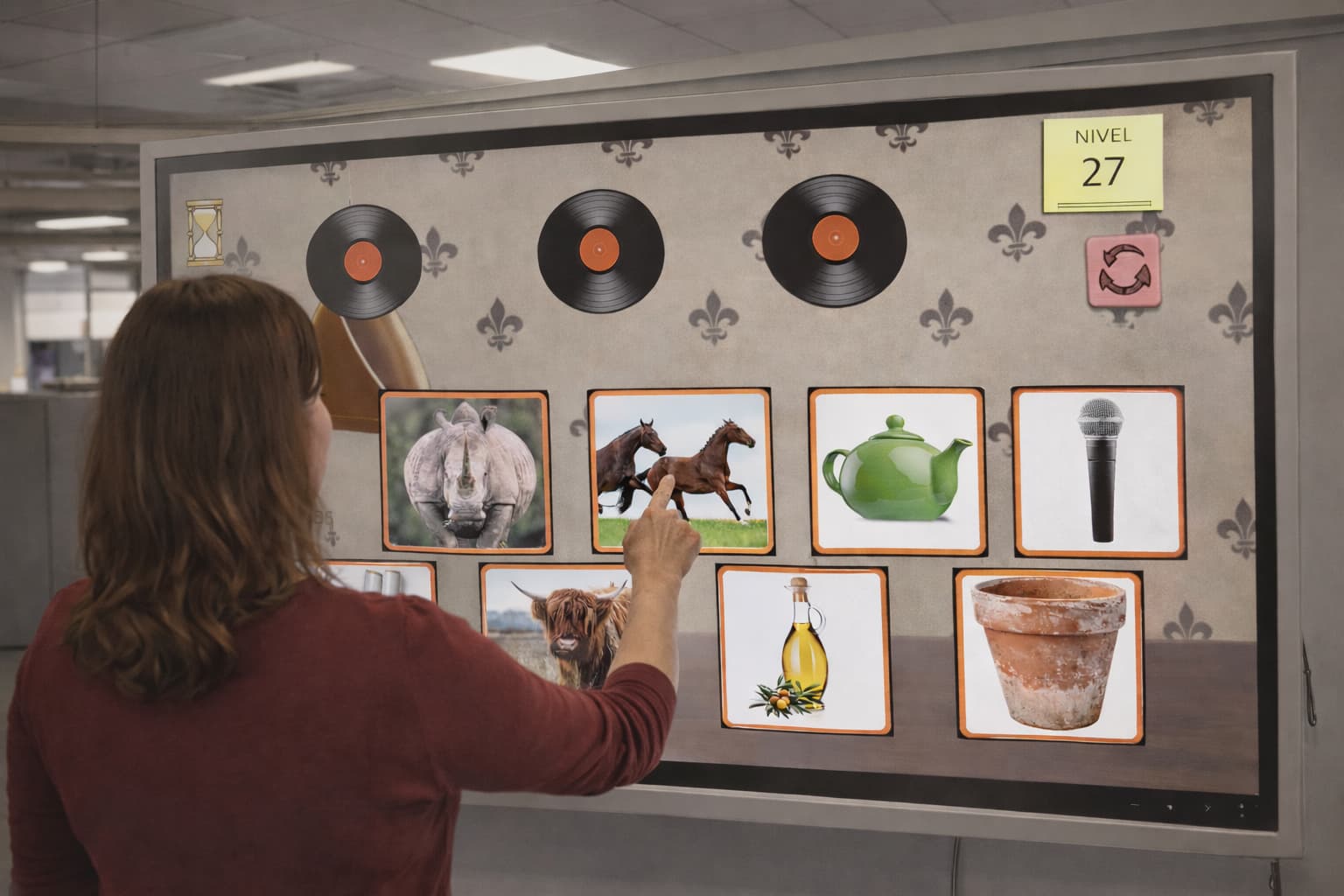
Over 50 cognitive rehabilitation exercises for memory
A selection of the exercises available. Tasks designed to practise different types of memory: visual, verbal and auditory.
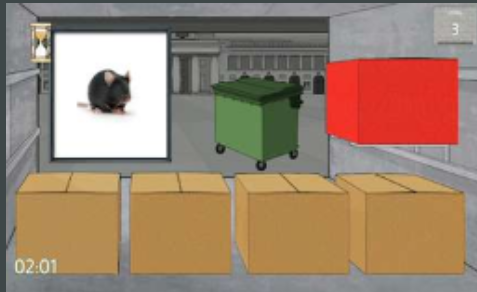
Categorisation
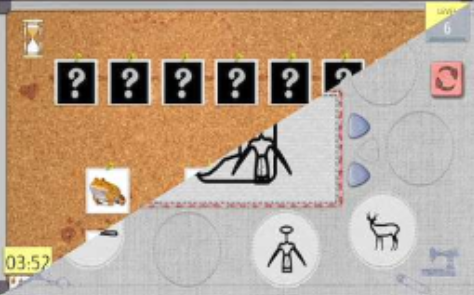
Deferred memory
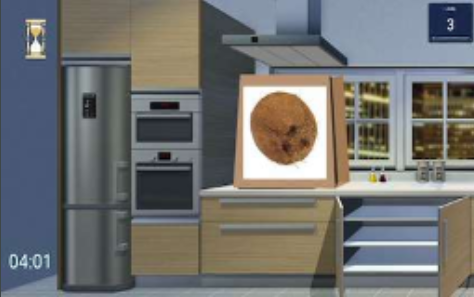
Kitchen
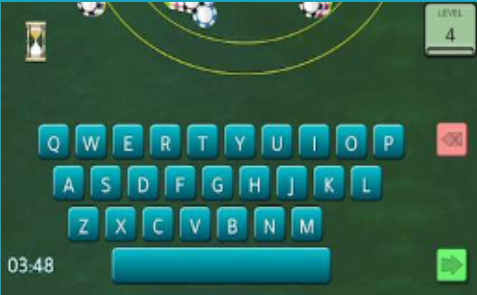
Short-term memory
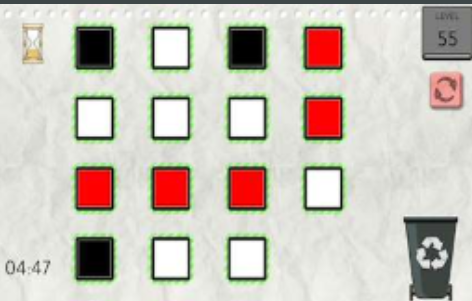
Spatial memory
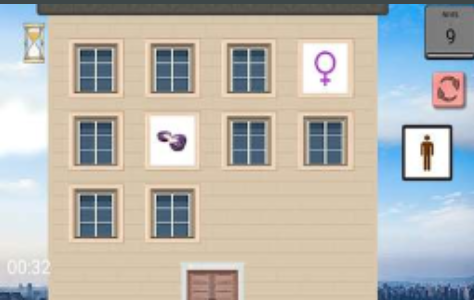
Spatial visual memory
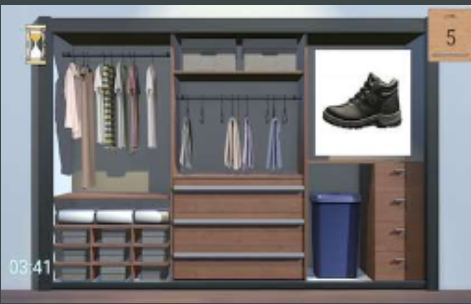
Wardrobe
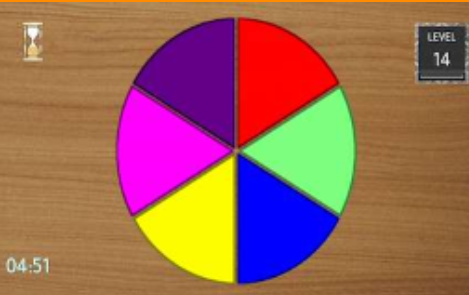
Sequences

Reverse sequences
+40
more exercises
Examples of memory rehabilitation exercises
Some common examples of the tasks available on Rehametrics are:
Recalling a sequence of visual stimuli presented briefly
Identify which element has changed or been removed compared with a previous presentation
To memorise a list of words or images and recall it after a certain amount of time
Remembering the spatial location of objects on a grid
Retain auditory information and answer questions about it
Follow a sequence of actions and carry them out in the correct order
Remembering a pending task and carrying it out at the right time (prospective memory)
In the Rehametrics software, these activities are automatically adapted to the patient’s level and can be configured with different types of stimuli, visual, verbal and auditory, depending on the clinical objective.
Objective monitoring of memory rehabilitation
Rehametrics automatically records correct answers, errors, response times and the level of difficulty achieved in each session, and breaks down performance according to the exact conditions of each task, the type and number of distractors, and the relationship between stimuli, to show in which specific situations the patient’s performance improves or deteriorates. Furthermore, it tracks the patient’s progress session by session and also within each exercise, reflecting how the system automatically adjusts the difficulty in real time based on their performance.
Successes
Errors
Response time
Level of difficulty
Key benefits
Rehametrics helps to increase patient engagement and adherence during the memory rehabilitation process.
Greater functionality in everyday activities
The improvements achieved through therapy result in patients being better able to remember appointments, manage their medication, recall conversations and follow instructions in their day-to-day lives.
Objective and context-specific monitoring
The practitioner has access to detailed information on the type of stimuli that led to errors, performance at each difficulty level and the patient’s progress from session to session, with digital and printable reports.
Greater motivation and adherence to treatment
Automatic adjustment of the difficulty level and immediate feedback ensure that the patient is challenged at an optimal level, encouraging active engagement in long-term rehabilitation programmes.
Discover our software solution for cognitive rehabilitation
Find out how Rehametrics helps with rehabilitation through personalised therapeutic exercises and digital tools for professionals.
Frequently Asked Questions
It is a set of therapeutic interventions aimed at recovering, compensating for or maintaining the ability to encode, retain and retrieve information. It targets different memory systems, short-term, working, delayed, visual, verbal, spatial and prospective, according to the patient's clinical profile.
Primarily people with acquired brain injury (stroke, traumatic brain injury), mild to moderate cognitive impairment, Alzheimer's disease or other dementias, and neurodevelopmental conditions affecting memory. It is also useful as a preventive cognitive stimulation tool for older adults.
Rehametrics enables work on short-term memory, working memory, delayed memory, visual memory, verbal memory, spatial memory and prospective memory. Exercises can be configured to prioritise one type over another according to the clinical objective and patient profile.
Difficulty adjusts automatically based on performance: if the patient responds consistently well, the task becomes more demanding; if errors occur, the level decreases to remain within a therapeutically optimal range. The clinician can also configure stimulus type, presentation duration and other personalisation variables.
Rehametrics automatically records the number of correct responses, errors and response time at each difficulty level. Results are contextualised by indicating which type of stimuli were on screen and their degree of similarity, enabling more precise analysis of error patterns and clinical progress.
The software allows precise control of task variables (stimulus type, presentation time, retention interval), automatic recording of results and immediate feedback to the patient. This facilitates more structured, measurable sessions adapted to actual performance — complementing the clinician's professional judgement.
It depends on the configuration. Rehametrics can be used in the clinic under direct professional supervision or remotely with follow-up from the therapy team.
Yes. The exercises can be used as a preventive cognitive stimulation tool for older adults, helping to maintain the functionality of different memory systems and reduce the impact of normal cognitive ageing.
No. The system is designed so that any clinical professional can configure sessions according to their therapeutic criteria and access monitoring data intuitively, without the need for specialist technical training.