
Conference on Innovation in Neurorehabilitation at the Jiménez Díaz Foundation (Quirónsalud Group): Clinical Highlights and Current Trends
On April 9, the Jiménez Díaz Foundation—the flagship hospital of the Quirónsalud group—held a conference focused on innovation in neurorehabilitation, with a clear emphasis on clinical practice.
Among the various segments of the program, the inclusion of digital rehabilitation solutions used in hospital settings—such as Rehametrics—stood out, particularly in the context of virtual reality and the objective measurement of treatment outcomes.
These types of initiatives reflect a well-established trend: the shift toward more structured, intensive, and data-driven rehabilitation models, in which technology supports clinical judgment.
For professionals, the focus is not solely on innovation itself, but on how these tools can be effectively integrated into the actual therapeutic process.
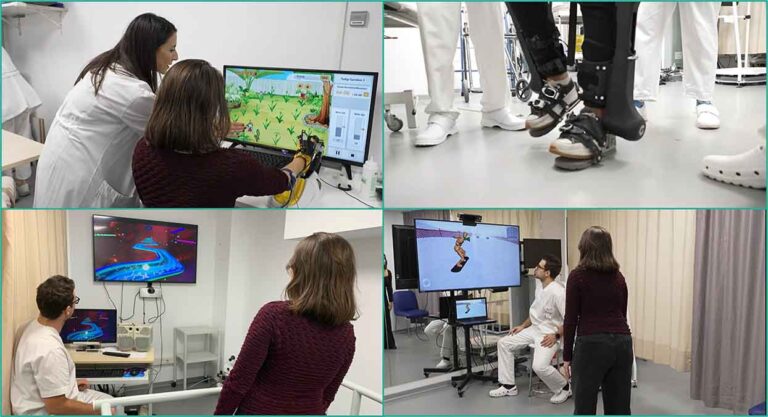
Table of contents
Jiménez Díaz Foundation and Quirónsalud: Leaders in Rehabilitation Innovation
The Jiménez Díaz Foundation is part of the Quirónsalud Group, one of Spain’s leading healthcare providers.
In the field of neurorehabilitation, these types of centers are promoting:
- More structured care models
- Integrating Technology into Therapy
- Approaches based on measurable results
The organization of specialized conferences on innovation reflects a clear strategy for evolving the rehabilitation model.
The Current Landscape of Inpatient Neurorehabilitation
Greater clinical complexity
Neurological rehabilitation services are undergoing a significant change:
- Patients with improved survival rates following a stroke or traumatic brain injury
- Increase in neurodegenerative diseases
- Need for longer-term interventions
Limitations of the conventional model
In clinical practice, significant challenges remain:
- Difficulty in objectively assessing results
- Variability in the intervention
- Limitations on therapeutic intensity
It is this context that drives innovation in hospitals such as the Jiménez Díaz Foundation.
April 9 Session: Clinical Focus of the Program
The day’s program was clearly focused on practical application.
Key features:
- Experience in a real-world hospital setting
- Multidisciplinary participation
- Integrating Technology into the Therapeutic Process
Key Areas of innovation in neurorehabilitation
Digitization of treatment
One of the main focuses was the incorporation of digital tools into rehabilitation:
- Therapeutic platforms
- Virtual reality systems
- Clinical monitoring tools
The goal is to enhance the professional’s ability to intervene.
In addition to the motor approach, the conference also addressed the role of cognitive rehabilitation within these digital models. Interventions targeting functions such as attention, memory, and executive functions can be integrated into technological platforms, enabling the structuring of tasks, increasing intensity, and tracking patient performance. In this context, tools such as Rehametrics facilitate a combined approach aligned with the clinical objectives of the overall treatment.
A multidisciplinary approach through three treatment modules
Address physical, cognitive, and occupational rehabilitation from a single, integrated solution.
The modules can be used independently or simultaneously by different members of the clinical team.
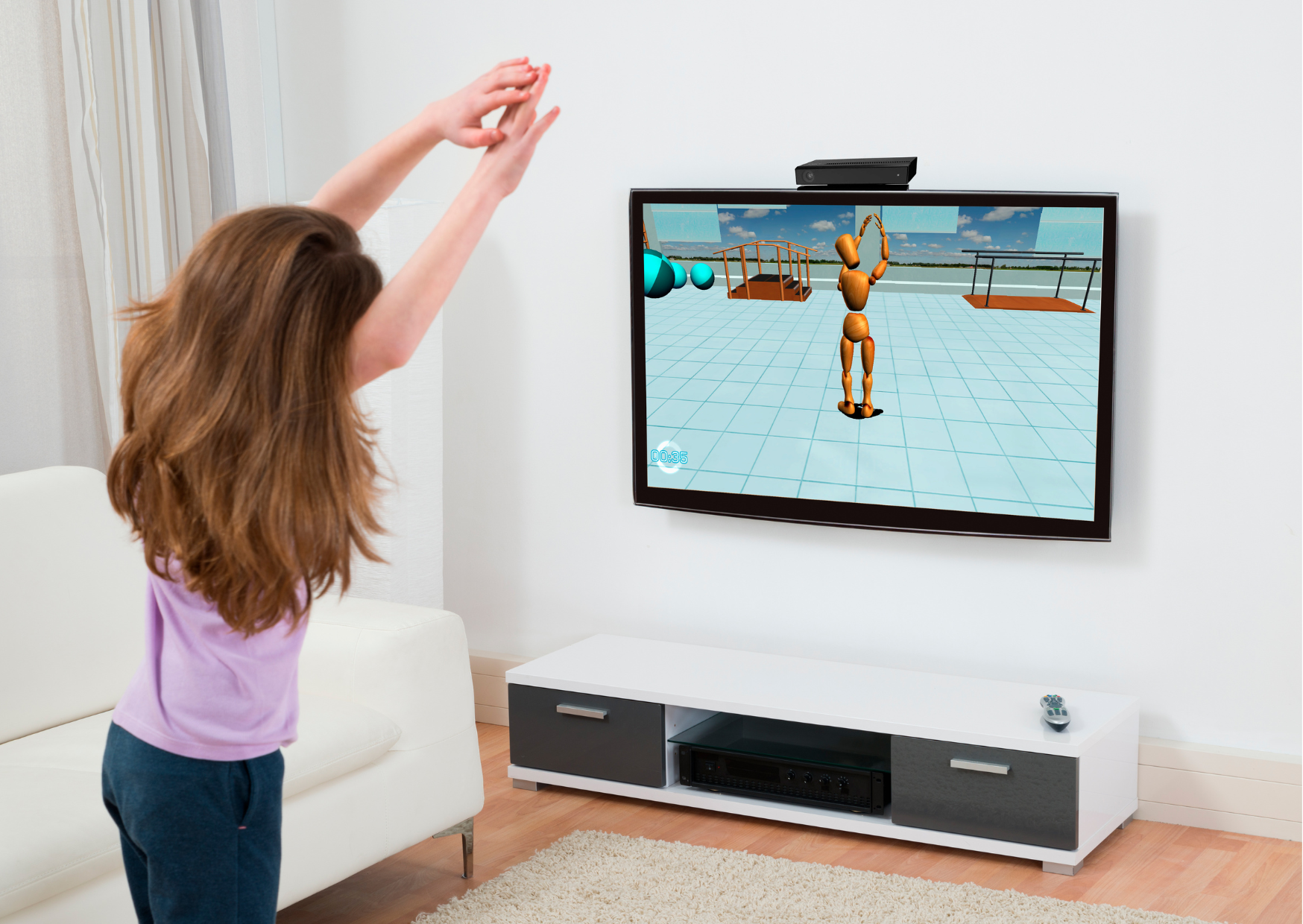
Digital support for neurological physiotherapy
Functional exercises oriented toward movement recovery.
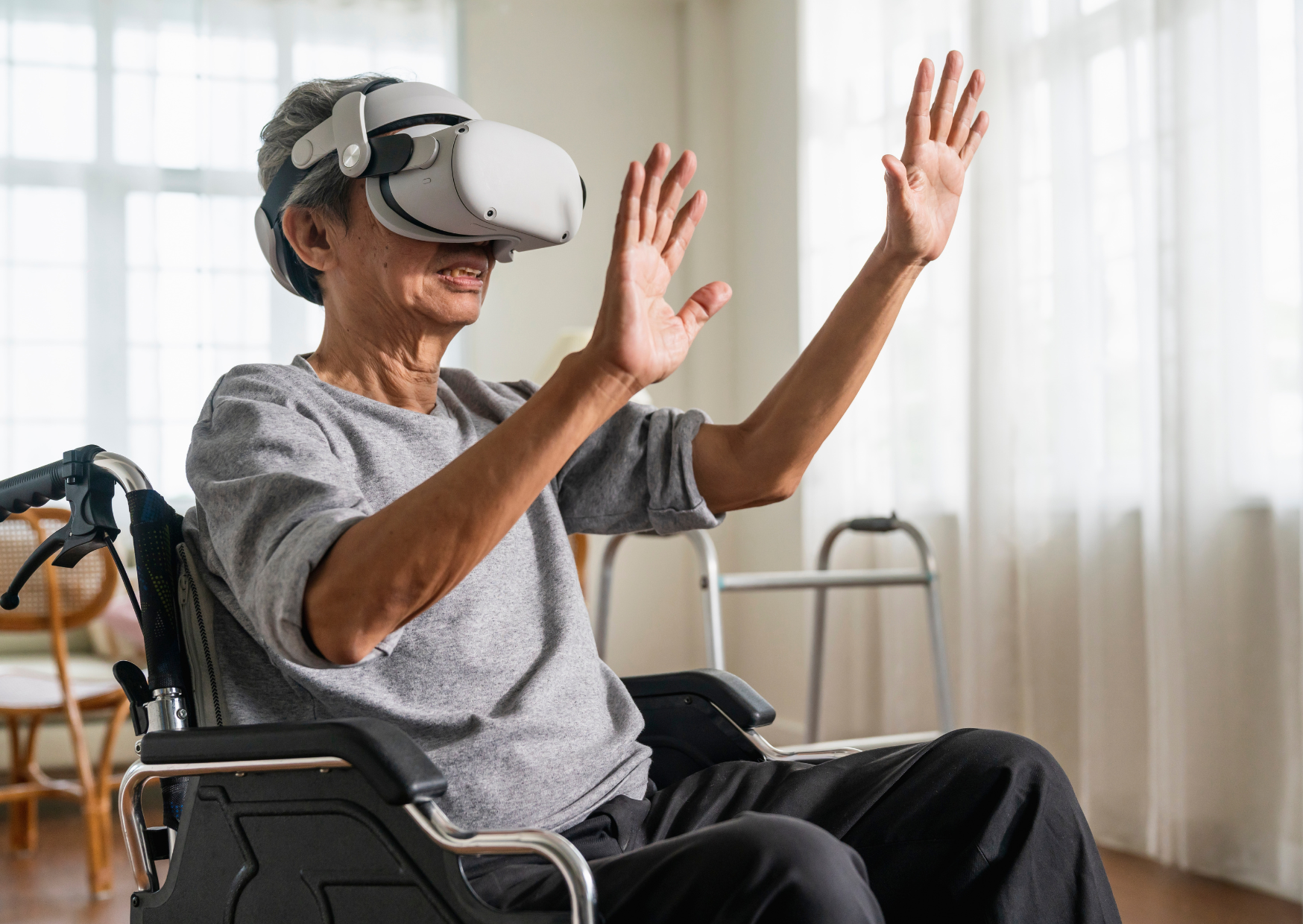
Virtual rehabilitation as a therapeutic support tool
Functional intervention targeting motor and cognitive recovery
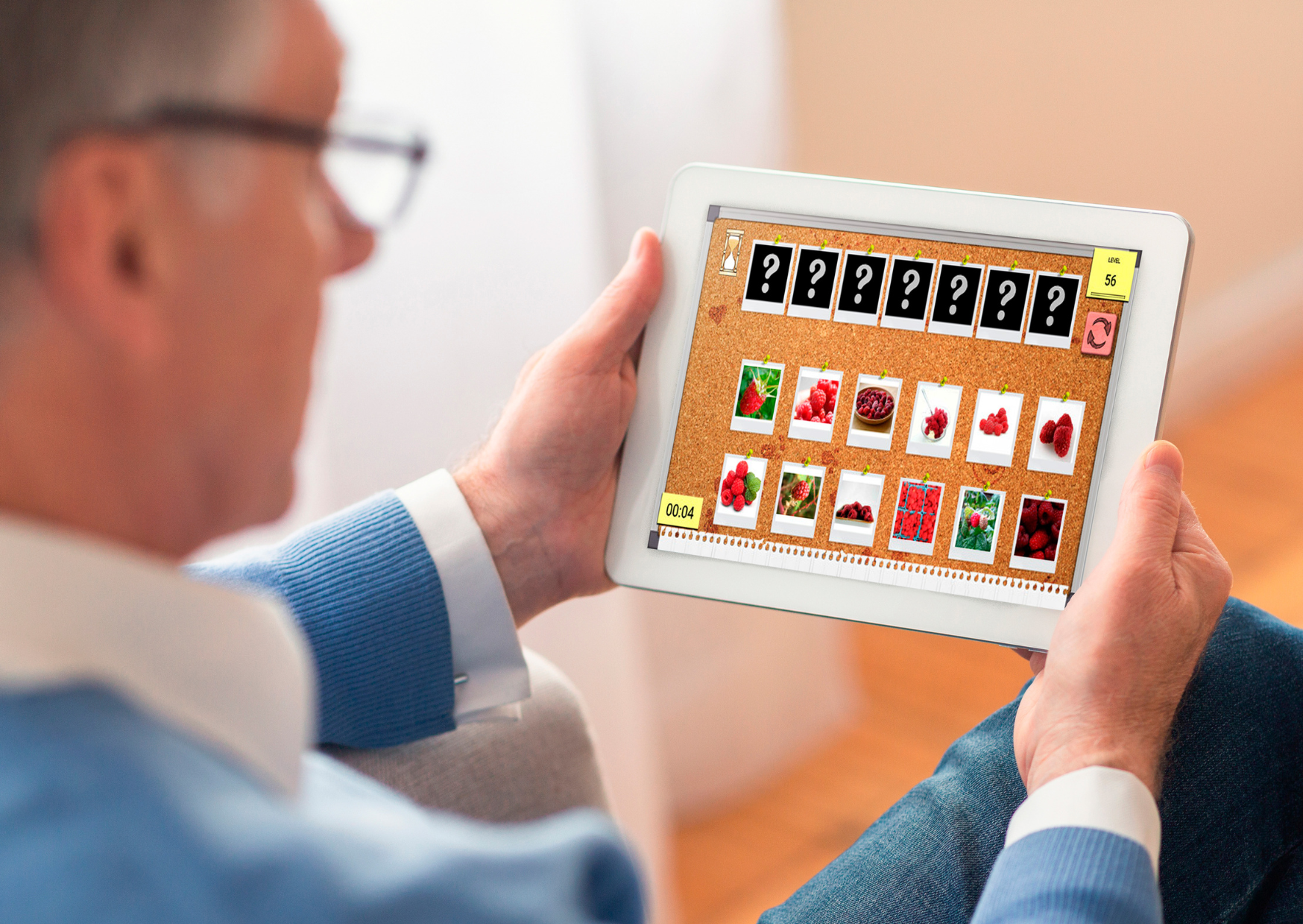
Supervised digital cognitive rehabilitation
Clinician-adapted digital cognitive rehabilitation programs for use in clinical settings.
The Use of Data in Clinical Practice
The need to move toward data-driven models was emphasized:
- Therapeutic activity log
- Objective monitoring
- Outcome-based treatment adjustment
Tailoring the Intervention
The trend is clear: tailoring treatment to the patient in real time.
The role of digital rehabilitation at the Jiménez Díaz Foundation
As part of the conference program, digital rehabilitation was presented as an element that is increasingly integrated into clinical practice in hospitals. In this context, solutions used in real-world settings, such as Rehametrics, were showcased, reflecting their gradual incorporation into the neurorehabilitation services at the Jiménez Díaz Foundation.
Beyond its technological value, its clinical significance lies in its ability to structure the intervention: it allows tasks to be standardized, therapeutic activity to be documented, and facilitates a more objective monitoring of the patient’s progress. This helps reduce variability between sessions and improves decision-making within the multidisciplinary team.
Furthermore, these types of tools make it easier to increase the intensity of therapy and tailor treatment to the patient’s performance, which are key aspects of neurorehabilitation. Their inclusion in an innovation workshop at a Quirónsalud hospital reinforces the idea that digital rehabilitation is becoming part of the standard care model.
The Use of Virtual Reality in Hospital-Based Neurorehabilitation
Semi-immersive virtual reality
One of the most significant approaches is the use of virtual reality in a semi-immersive format.
Allows:
- Control of the therapeutic environment
- High accessibility in hospitals
- Good tolerability in neurological patients
Clinical applications:
- Motor retraining
- Coordination
- Cognitive functions
In combined programs, virtual reality can complement motor training, while clinical platforms enable standardized measurement of balance, postural control, and functional outcomes.
Integration within the virtual reality ecosystem
These types of solutions are part of the broader development of virtual reality in rehabilitation, which also includes immersive approaches.
This facilitates the development of the treatment and its integration into more complex models when necessary.
Clinical value in real-world practice
The adoption of platforms such as Rehametrics offers clear clinical benefits:
- Greater therapeutic intensity
- Personalized treatment
- Objective recording of results
- Improved adherence
All of this is carried out under the supervision of a healthcare professional.
Conclusions
The Jiménez Díaz Foundation’s conference on innovation in neurorehabilitation confirms a clear trend within the Quirónsalud group:
The shift toward more objective, personalized, and technology-driven rehabilitation models.
The presence of solutions such as Rehametrics in this context indicates that digital rehabilitation is already an integral part of the hospital environment.
The current challenge for healthcare professionals is to integrate these tools while maintaining clinical judgment and ensuring the quality of care.