
Digital physical rehabilitation with measurable results
Design, adapt and monitor each treatment in real time using augmented reality and motion detection, with over 120 analytical and functional exercises.
Try it free for 7 days · No credit card · No commitment
The limitations of conventional rehabilitation
Traditional clinical practice presents three barriers that compromise therapeutic outcomes:
Reduced adhesion
Repetitive handling tasks demotivate patients and lead to an increase in treatment non-adherence
Limited control
Assessing manipulative behaviour in real time depends on direct observation by the therapist
Slow customisation
Manually adjusting the difficulty of each task during the session disrupts the therapeutic flow
Rehametrics Physio addresses all three with a single integrated system.
What is the Rehametrics Physio Module?
Rehametrics Physio is designed for whole-body rehabilitation. It combines analytical and functional exercises to help clinicians work on joint range of motion, motor control, coordination, balance, gait, strength and functional mobility.
Using motion tracking in augmented reality, it captures and quantifies the patient’s movements in real time without the need for sensors or controllers. Practitioners can review complete 3D recordings of the sessions from any angle, turning each treatment into objective and measurable clinical data.
In five steps, from assessment to report:
Define clinical objectives based on the patient’s motor and functional profile
Choose exercises suited to your condition and ability
The system records movement and performance in real time
The difficulty level is adjusted automatically — or manually during the session without interrupting it
A detailed clinical report is generated at the end of the session
Result: a more immersive, more measurable form of therapy that is fully tailored to the patient.
What you can treat
Rehametrics Physio is suitable for a wide range of clinical profiles and conditions, whether in the clinic or at home, from the first session right through to discharge.
Musculoskeletal injuries
Injuries to soft tissues, joints and structures of the musculoskeletal system. The programme focuses on functional recovery through progressive analytical and functional exercises, tailored to each patient’s condition and goals.
Spinal cord injuries
Conditions affecting the central nervous system with motor implications. Rehametrics enables the development of motor control, coordination and residual function through specific exercises and objective monitoring of progress.
Acquired brain injury and neurological disorders
Stroke, traumatic brain injury and other causes of neurological damage resulting in motor impairment. The programme combines physical and functional exercises to restore lost abilities and maximise the patient’s independence.
Neurodegenerative diseases
Parkinson’s disease, multiple sclerosis and other conditions involving progressive motor impairment. Specific treatment helps to maintain functionality for as long as possible and slow the progression of physical limitations.
Active ageing and fall prevention
Regular digital exercise helps older people maintain their balance, strength and coordination — reducing the risk of falls and measurably improving their quality of life.
Geriatric patients
Older people with functional impairment associated with ageing, frailty or loss of mobility. The programme promotes independence and quality of life through exercises focused on balance, strength, walking and fall prevention, tailored to each patient’s abilities.
Mental health
People with mental health conditions who may benefit from physical activity as part of their treatment plan. The programme promotes physical and emotional wellbeing through structured exercise sessions that encourage adherence, motivation and active participation.
Physical disability
People with intellectual disabilities who require activities tailored to their cognitive and functional abilities. The programme facilitates the development of motor skills, coordination and participation through accessible, guided and personalised exercises.
Cancer patients
People undergoing treatment or recovering from cancer. The programme helps to improve functional ability, reduce fatigue and promote physical recovery through exercises tailored to each patient’s clinical condition and individual needs.
Physical functions covered
Rehametrics Physical covers all aspects of movement and motor function.
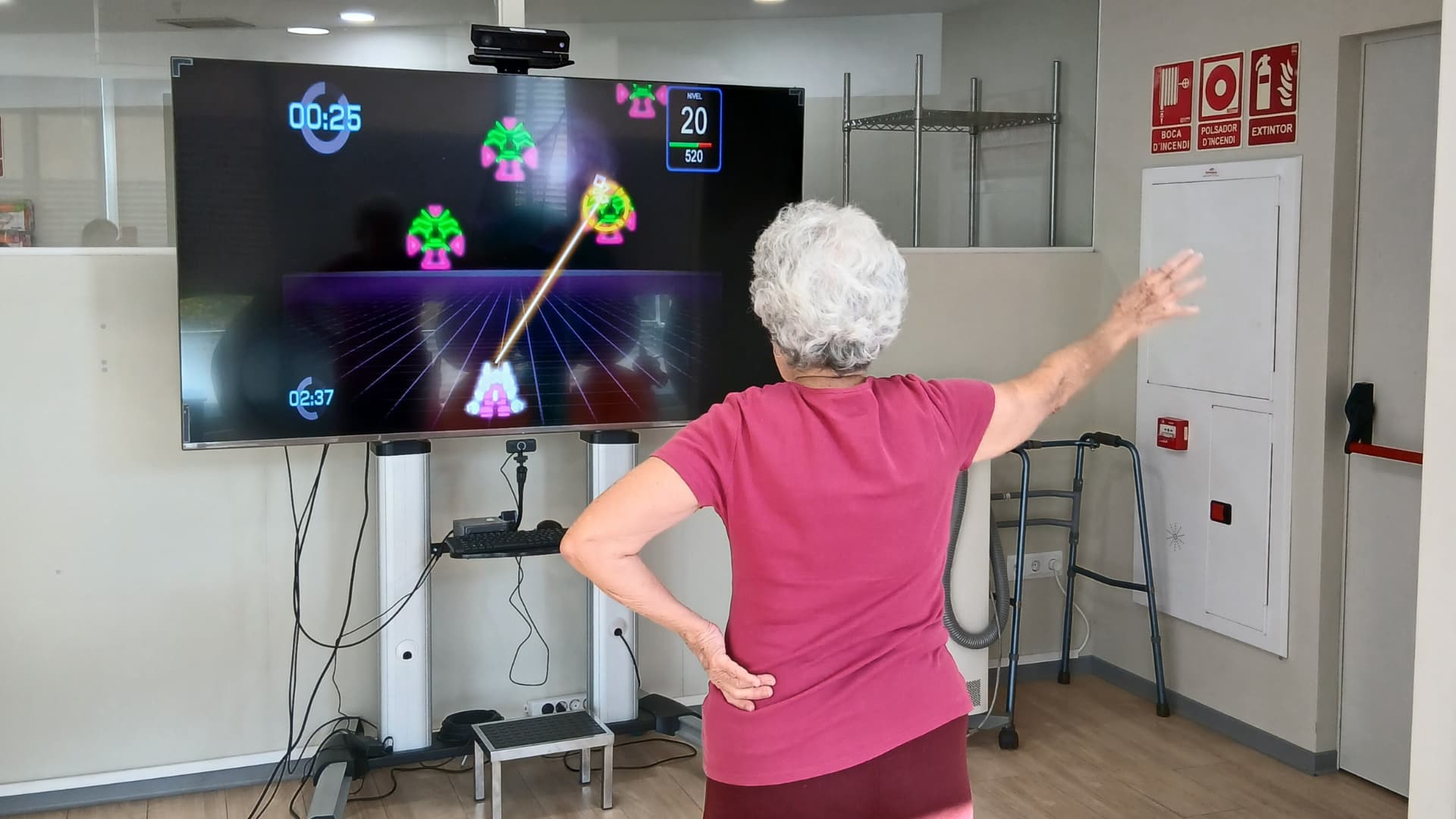
Rehametrics Physio in action
Find out how physiotherapists and physical rehabilitation professionals use Rehametrics to create personalised sessions, assess patients’ functional performance and automatically track their progress using objective metrics, all in a single platform.
Results that matter
Every session is turned into data. Every piece of data leads to a better-informed decision.
For the patient
- Greater adherence thanks to motivation
- Immediate feedback
- Faster and more noticeable functional improvement
- Help with pain and kinesiophobia
For professionals
- Objective data for each session, with no manual recording required
- Continuous monitoring and exportable
- Automatic reports ready for the medical record
- Precise adjustment of difficulty and exercise settings
PROFESSIONAL OPINIONS
“The main benefit we have observed is that our patients adhere more closely to their treatment, which is essential in a unit caring for patients with severe mental health conditions. This adherence translates into tangible results: fewer falls, greater engagement with other complementary therapies, and an effective tool for managing chronic pain.”
Luis Lomba de Teresa
Physiotherapist, Dr Rodríguez Lafora University Hospital
More than 450 centres are already using Rehametrics
















Who is it for?
Do you have any questions about compatibility? Let’s have a chat.
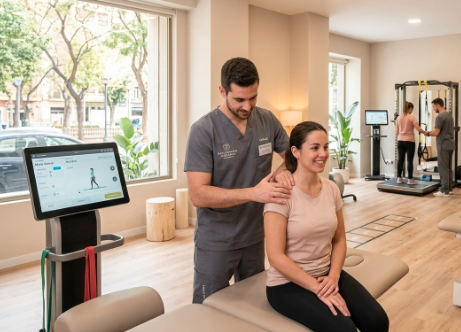
Physiotherapy clinics looking to stand out from the crowd
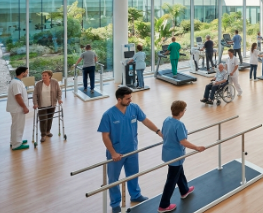
High-volume hospitals and rehabilitation units
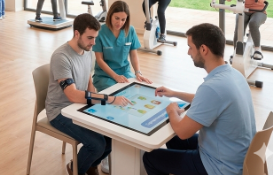
Neurorehabilitation centres
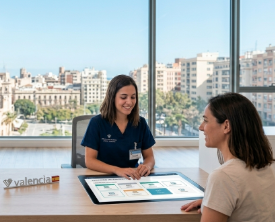
Professionals who want to elevate their clinics without losing clinical oversight
Data supporting the system
Clinicians from various specialities are already using Rehametrics Físico in their daily practice.
30%
More rehabilitation sessions
Centres using Rehametrics report 30 percent more therapeutic activity per session compared with conventional rehabilitation.
89%
Greater involvement in therapy
89 percent of patients show greater motivation and active participation during exercises using Rehametrics.
100
Clinical variables per session
Over 100 biomechanical and functional variables are recorded automatically during each session, without any manual intervention by the clinician.
Hassle-free implementation
You don’t need to refurbish your premises or undergo lengthy technical training. The system is intuitive from the very first use, for both the practitioner and the patient.
Rehabilitation in any setting
Hospitals, clinics, care homes, outpatient centres, or the patient's home. The system fits seamlessly into your existing space.
Personalised treatment plans
Exercises feature multiple customisation options to tailor intervention plans based on patient capabilities and clinical goals.
Gamified motivation
Exercises engineered to maximise engagement. Patient sessions yield lower dropout rates and generate superior clinical outcomes.
Quantitative progress analysis
Granular performance data for each patient, tracked session by session and presented in an intuitive, exportable format.
Required hardware
Quick to install, with no complex integration required, and compatible with the space you already have.
Device
PC running Windows 10 or 11 (64-bit), Intel i5 2.6 GHz, at least 4 GB RAM and a dedicated graphics card.
Motion sensor
Motion sensor or webcam. No need to attach controllers or accessories to the patient’s body; full-body tracking.
Screen
TV, monitor or projector — 42" or larger recommended. Compatible with the equipment you already have in your room.
Start measuring what your physiotherapy can achieve
No controls. No calibration. No need to change the space you already have.
Talk to our team, get answers to your clinical queries and see the system in action in a live demo tailored to your patient profile.
Medical device with CE marking. Designed and clinically validated for use under professional supervision.
Resources for rehabilitation professionals
Clinical articles, user guides and case studies to help you get the most out of digital treatment.
Types of virtual reality in rehabilitation: immersive versus non-immersive
Intensity in therapeutic exercise: how to adjust the workload for patients with musculoskeletal pain
Virtual reality in paediatric rehabilitation: clinical applications and the use of digital platforms