Digital cognitive stimulation therapy: interactive on-screen exercises

Digital therapies are technology-based interventions used by healthcare professionals. Unlike general wellness apps, they are supported by clinical evidence, subject to regulatory requirements, and designed to achieve specific clinical outcomes. Rehametrics applies this approach to rehabilitation through digital therapy tools for tablets, interactive whiteboards, and computers.

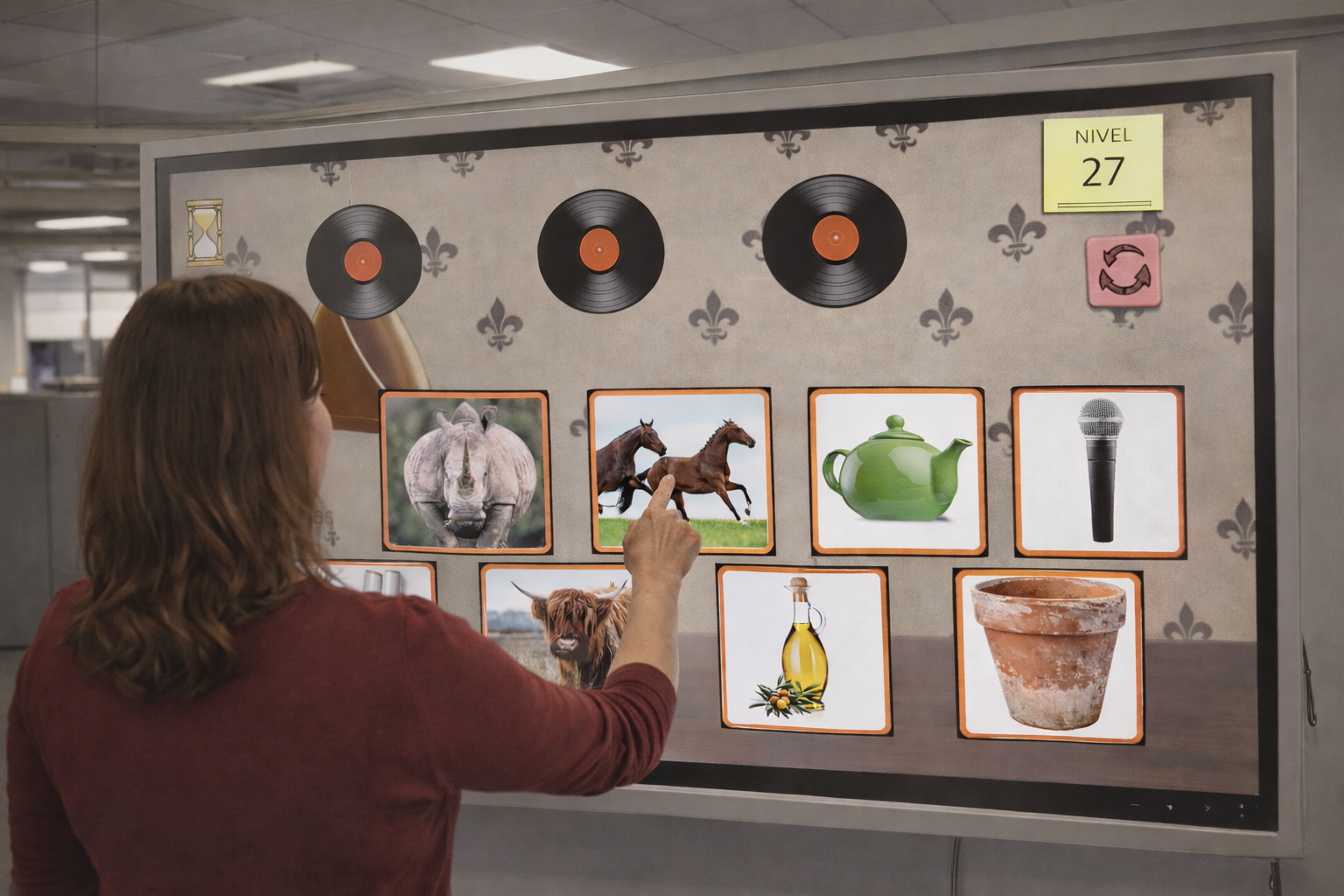
Collage de pizarras digitales con frutas, animales y objetos usadas en ejercicios de Rehametrics
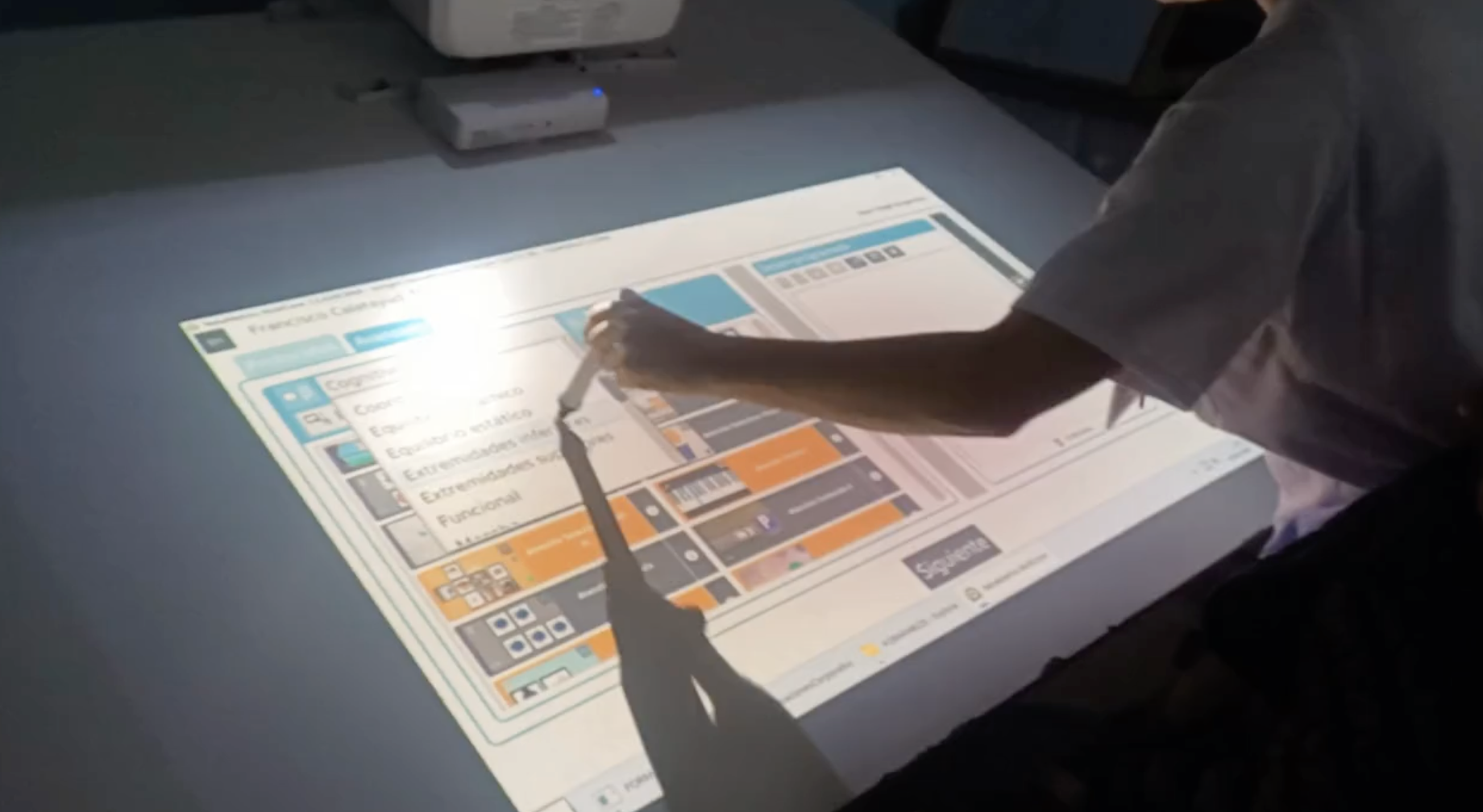
Pizarra digital con la interfaz de Rehametrics sobre una mesa en el caso de uso de La Pedrera

What are digital therapies?

In rehabilitation, the term “digital therapy” covers technologies with very different levels of immersion, clinical control, and sensory demands: from guided exercises on a conventional screen, with the patient always present in the therapy room, to fully immersive virtual reality environments using VR headsets. It is not simply a matter of format: each level influences how much the therapist can intervene during the exercise and which patient profiles are best suited to each approach.

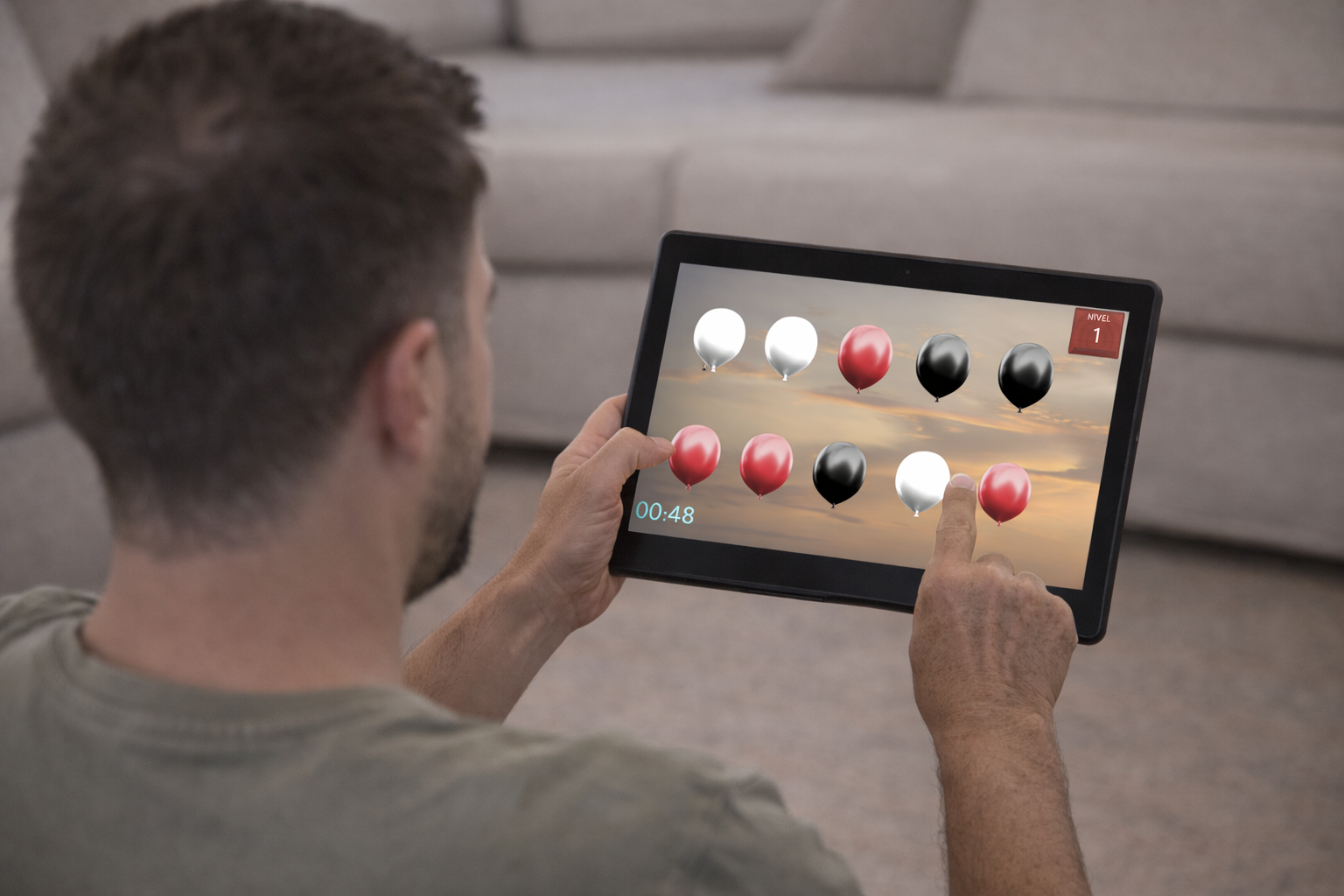
Persona realizando un ejercicio cognitivo en una tableta
Technology Features Typical clinical use
Immersive virtual reality VR headset and a fully immersive environment. Neurorehabilitation, upper limb rehabilitation, and motor training.
Mixed reality VR headset with virtual elements overlaid onto the real physical environment. Neurorehabilitation, upper limb rehabilitation, and motor training.
Non-immersive augmented reality Conventional screen with a motion sensor or camera, without a headset. Physiotherapy: balance, gait, and lower limb rehabilitation.

The choice depends on the patient’s profile, sensory tolerance, and therapeutic goals. Screen-based digital therapy offers the greatest clinical control and lowest sensory demand, making it the preferred option for patients who are more vulnerable or have lower tolerance for immersive environments.

Benefits of digital therapies

Ease of use, immediate feedback, and automatic metric tracking set digital therapies apart from conventional approaches.

Time and resource savings

Clinicians and centers save time when preparing sessions, monitoring treatment, and generating reports.

Personalization and real-time feedback

The difficulty and type of exercise are adjusted instantly based on the patient’s progress, with immediate feedback on each response.

Engagement and motivation

Gamification, progress tracking, and reminders improve adherence to the program.

Objective data from every session, with no manual record-keeping.

Each session is automatically recorded, with no need for manual data entry to obtain reliable metrics.

Continuous monitoring, including at home.

The clinician monitors the patient’s progress from session to session, including their practice at home between clinic visits.

What does a digital cognitive stimulation session look like?

Typically, sessions last approximately 20 to 40 minutes, although the duration can be adapted based on the patient’s condition, functional level, cognitive or motor fatigue, and the therapeutic goals defined by the clinical team:

The clinician selects exercises based on therapeutic goals.

Adjusts the difficulty, duration, and exercise ranges.

Rehametrics adjusts the difficulty based on performance while the clinician supervises.

Automatic metric tracking upon completion.

A detailed clinical report is generated at the end of the session.

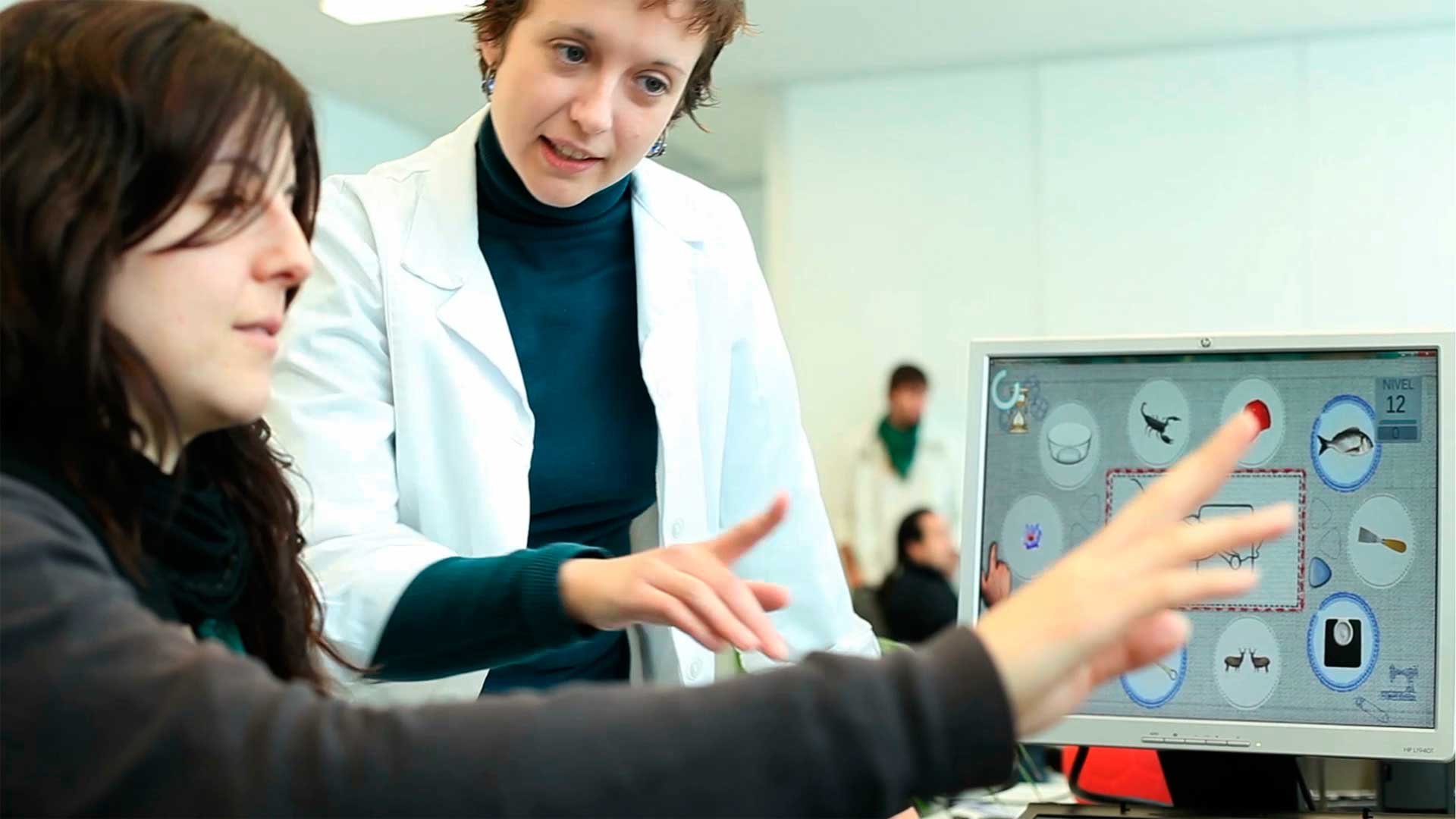
Terapeuta acompañando a un paciente mayor frente a una pantalla durante una sesión
Fisioterapeuta mostrando un informe en papel a un paciente

Screen-based Digital Cognitive Therapy: one of the most established modalities
Patient interacting with an immersive virtual environment during a virtual reality exercise

It uses screens, tablets, projectors, and computers to present therapeutic tasks without isolating the patient from the real-world environment. Its main advantage is the high level of clinical control. The therapist can continuously monitor the activity, adapt stimuli in real time, and work with patients who are more vulnerable or have lower sensory tolerance.

However, not everything labelled as "digital therapy" is suitable for a clinical setting.

🎮
Not recommended for clinical use

General wellness or brain-training apps

Designed for entertainment or general wellness, without clinical validation, regulatory oversight, or therapeutic metrics.

🩺
✓ Recommended for rehabilitation

Platforms specifically designed for clinical rehabilitation

Evidence-based, regulated, personalized, and integrated into the center's clinical workflow, such as Rehametrics.

Digital therapies are clinically evaluated: using them as part of healthcare delivery requires proven scientific evidence of their impact on patients. Rehametrics Cognitive is a CE-marked medical device, designed and validated for supervised professional use.

How it works: the hardware and software behind the therapy

💻

Simple hardware, ready to use from the start

Rehametrics Cognitive works with the devices your center already has:

  • Tablet: Android and iOS, for use in the clinic or at home
  • Desktop or laptop: Windows or macOS, with a mouse or touchscreen, for individual or group sessions
  • Interactive digital whiteboard: for in-room cognitive stimulation, group sessions, and collaborative work
  • Mobile phone: Android and iOS, for guided home practice following the clinician’s prescribed plan


⚙️🗂️

Validated clinical software


A touchscreen or computer is not therapy on its own. The clinical value lies in the software:

  • More than 190 customizable exercises across cognitive areas
  • Real-time, automatic difficulty adjustment based on patient performance
  • Objective metrics for each response, timing, and repetition
  • Clinical dashboard for real-time monitoring
  • Automatic, exportable clinical reports
  • Continuity between the clinic and the patient’s home

Clinical applications

Digital cognitive therapies are currently used across a wide range of clinical profiles.

Stroke and acquired brain injury

Rehabilitation of cognitive deficits following stroke, traumatic brain injury (TBI), or acquired brain injury. Exercises targeting attention, memory, executive functions, and processing speed.

Mild cognitive impairment (MCI)

Programs focused on stimulating and maintaining cognitive abilities in the early stages of cognitive decline, with difficulty automatically adapted to the patient’s performance.

Alzheimer’s disease

Interventions aimed at preserving cognitive function, promoting orientation, and maintaining functional independence throughout the different stages of the disease.

Parkinson’s disease

Cognitive training focused on executive functions, attention, working memory, and processing speed, which are commonly affected in Parkinson’s disease.

Multiple sclerosis

Programs specifically designed to address difficulties with sustained attention, memory, cognitive flexibility, and information processing.

Neurodegenerative disorders

Cognitive stimulation for patients with different types of dementia and neurodegenerative diseases, adapted to individual clinical progression.

Pediatric neurology and neurodevelopment

Activities designed to work on attention, memory, planning, and cognitive skills in children and adolescents requiring neurocognitive rehabilitation.

Active ageing and prevention

Programs designed to maintain mental agility, memory, and executive functions in older adults, supporting independence and active participation.

Activities of daily living

Cognitive training applied to everyday situations: planning, problem-solving, organization, and decision-making to improve functional independence.

Use cases and reference centers

Screen-based and virtual reality digital therapies are currently used across a wide range of clinical profiles:

Frequently asked questions about digital cognitive therapies

Technology-based interventions used to treat, manage, or prevent diseases. Unlike general wellness apps, they are evidence-based, often regulated, and designed to deliver specific and measurable clinical outcomes.

Screen-based digital therapy (on a tablet, computer, digital whiteboard, or mobile phone) keeps the patient present in the room at all times, making it suitable for patients with lower sensory tolerance or greater vulnerability. Immersive virtual reality uses a VR headset to create an immersive environment, making it more suitable for motor training. Rehametrics offers both modalities through its Cognitive and VR modules.

A tablet (Android or iOS), a desktop or laptop computer (Windows or macOS) with a mouse or touchscreen, or an interactive digital whiteboard for group sessions. For home practice, the same software works on mobile devices (Android and iOS). No additional infrastructure or complex integration is required.

No. It complements it. Evidence supports its use as an additional tool for high-intensity, high-repetition training alongside conventional treatment, rather than as a replacement for the therapist's work.

Rehametrics Cognitive is a CE-marked medical device, designed and clinically validated for supervised professional use. Clinical platforms should also comply with GDPR and applicable medical device regulations.

Yes, under the guidance and treatment plan of a clinician. It is not sold directly to patients or family members, but your therapist can schedule home sessions as part of the treatment plan.

Pricing varies depending on the setup (tablet, computer, digital whiteboard, or mobile), whether automatic reports are included, and the type of center. Contact our team for a tailored proposal.

Would you like to introduce immersive digital rehabilitation in your practice?

Request a personalized demo with a Rehametrics clinical specialist. We’ll show you how the software integrates with the equipment available at your center and how it can be adapted to the types of patients you treat.

Scroll to Top