
Virtual Reality vs. Conventional Therapy in Geriatrics and Senior Living Facilities: Evidence and Clinical Application
The use of digital technologies in rehabilitation has grown significantly in recent years, including the incorporation of virtual reality systems in clinical and social-healthcare settings. However, in the context of geriatric care—and especially in nursing homes—the key question is not so much whether the technology is effective in general terms, but whether it provides real value compared to standard intervention models.
This article analyzes the available evidence and, above all, its applicability in the real-world setting of nursing homes, where time constraints, resource limitations, and patient clinical profiles influence decision-making.
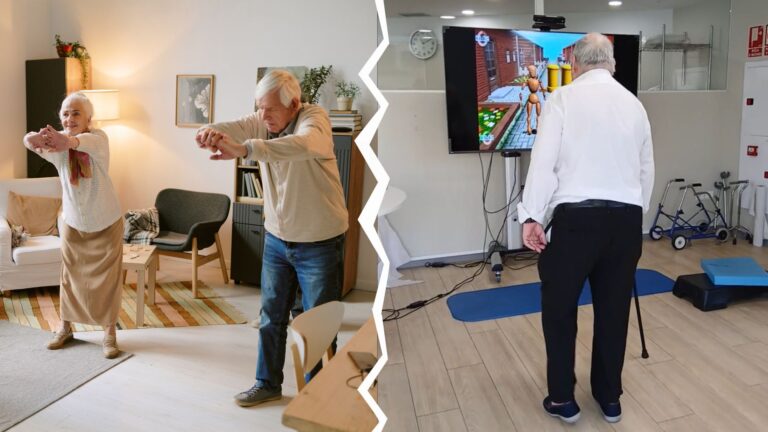
Table of contents
The Real-World Context of Rehabilitation in Nursing Homes
Rehabilitation care in nursing homes has specific characteristics that set it apart from other care settings:
- Low therapeutic intensity
- High patient volume
- Prevalence of functional and cognitive decline
- Low participation in exercise programs
In this context, one of the main challenges is not the choice of technique, but the difficulty in maintaining a sufficient therapeutic dose over time.
What do we mean by conventional therapy in geriatrics?
In nursing homes, so-called “conventional therapy” typically includes:
- Individual or group therapeutic exercise
- Gait retraining
- Balance exercises
- Functional interventions focused on basic activities
Although these interventions are effective, their impact may be limited by:
- Low intervention rate
- Little repetition of tasks
- Difficulty adapting to group settings
What does virtual reality bring to this environment?
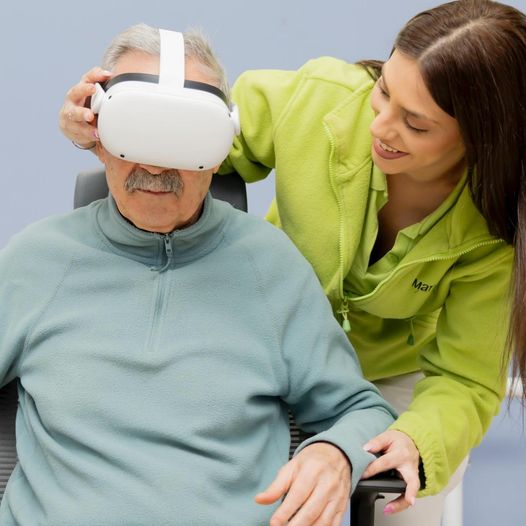
The incorporation of virtual reality systems into geriatrics should not be viewed as a substitute for conventional therapy, but rather as a tool that can influence certain key treatment variables:
- Increased repetition of tasks
- Immediate feedback
- Greater patient involvement
- Ability to standardize exercises
- Accurate record of the work performed
From a clinical perspective, its value lies not so much in the technology itself, but in its ability to facilitate more intensive and sustained interventions.
Comparative evidence in the geriatric population
Balance and Fall Prevention
This is the area where the evidence is most consistent. Virtual reality can improve balance, especially when it allows for increased repetitive practice and targeted training.
Walking and Mobility
The results vary. In general, no clear superiority over conventional therapy is observed when the intensity of treatment is comparable.
Global function
The evidence is limited. Improvements are typically task-specific and do not always translate into significant overall changes.
Engagement and participation: the key factor in nursing homes
In the context of long-term care facilities, treatment adherence and active patient participation are likely the most significant factors influencing clinical outcomes.
Many geriatric patients present with:
- Low motivation for therapeutic exercise
- Early fatigue
- Fear of movement or falling
- Low perception of the therapy’s effectiveness
- A tendency to stop watching repetitive shows
In this scenario, even well-designed interventions can fail if they are not sustained over time.
Virtual reality can influence this aspect through several clinically relevant mechanisms:
1. Increased active participation
The interactive format encourages patients to take on a more active role. The task is no longer perceived as a repetitive exercise but instead has an immediate goal.
2. Improved treatment continuity
Because it is more stimulating, some patients are better able to tolerate longer or more frequent sessions, which increases the cumulative therapeutic dose.
3. Reducing Initial Resistance
Patients who resist conventional exercises may be more receptive to activities presented in a more dynamic format.
4. Increased repetition without an increase in perceived exertion
One of the main challenges in geriatrics is achieving a sufficient volume of practice. Virtual reality can facilitate a greater number of repetitions without proportionally increasing the sensation of exertion.
5. Task structure and progression
It allows for a gradual adjustment of difficulty, which reduces frustration and promotes treatment continuity.
However, these benefits depend on several factors:
- The patient’s cognitive level
- Appropriateness of the activity
- Professional supervision
- Integration within the therapeutic plan
From a clinical perspective, virtual reality does not guarantee adherence, but it can be a useful tool for addressing one of the main challenges in nursing homes: low sustained participation in treatment.
A multidisciplinary approach through three treatment modules
Address physical, cognitive, and occupational rehabilitation from a single, integrated solution.
The modules can be used independently or simultaneously by different members of the clinical team.
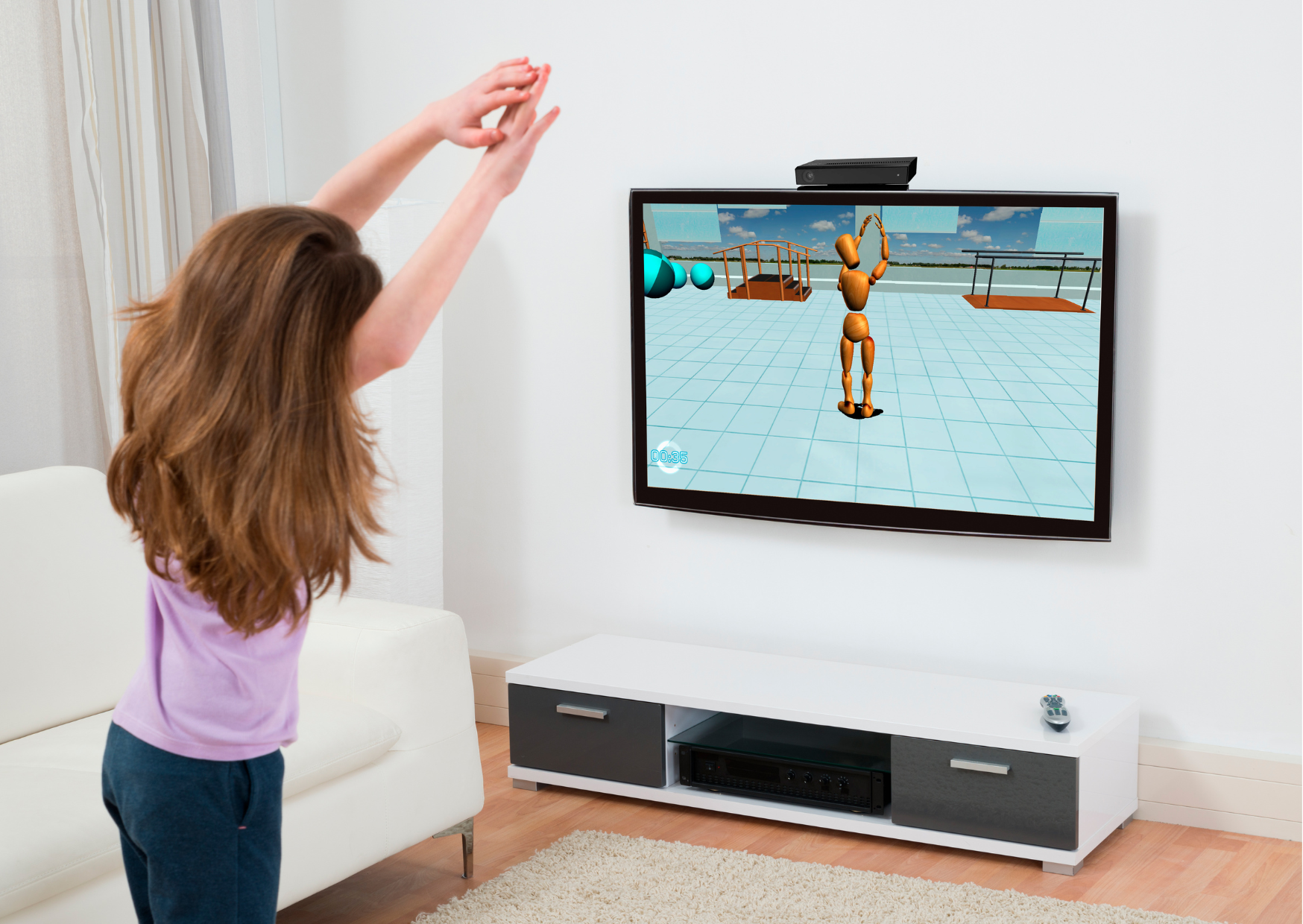
Digital support for neurological physiotherapy
Functional exercises oriented toward movement recovery.
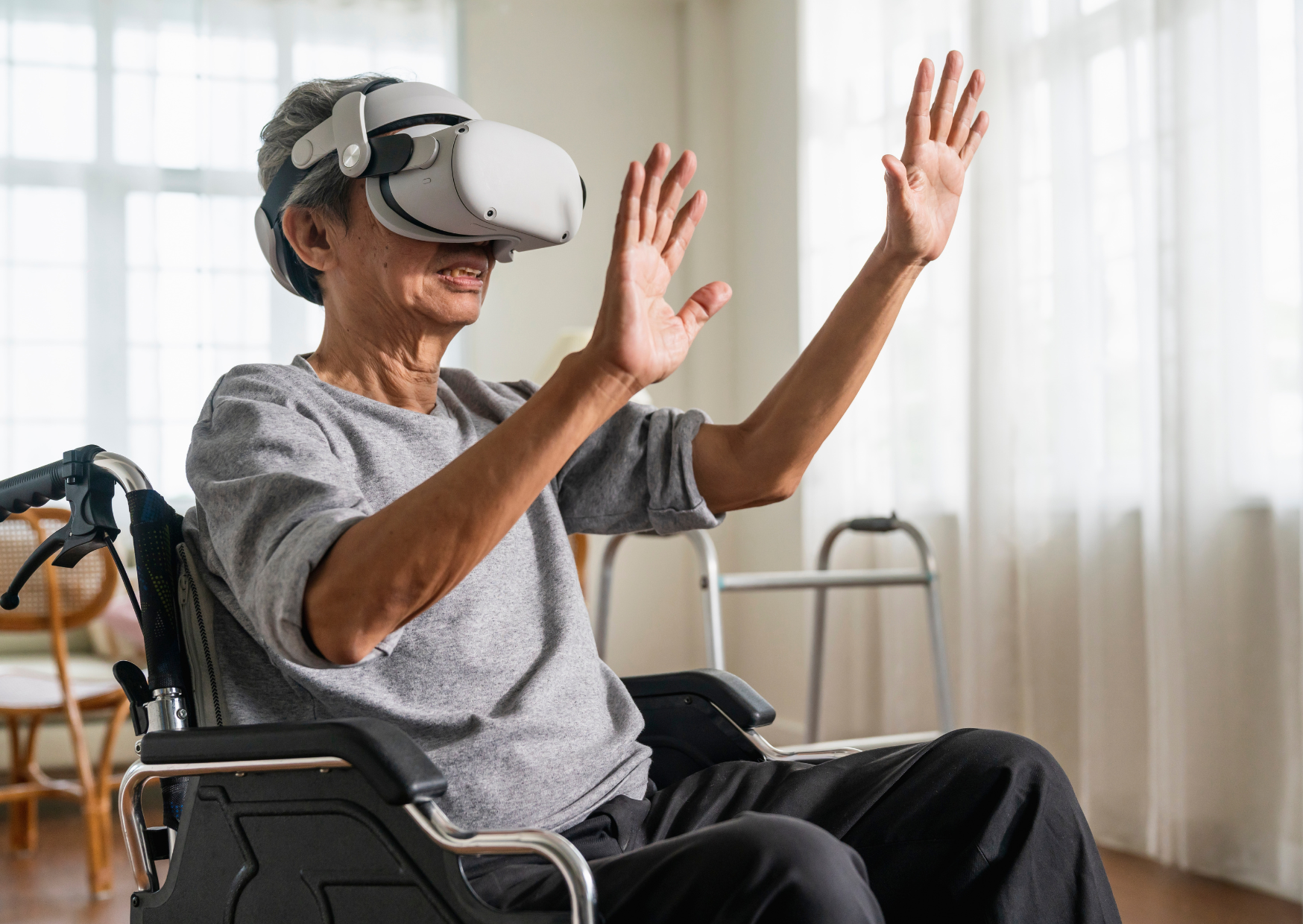
Virtual rehabilitation as a therapeutic support tool
Functional intervention targeting motor and cognitive recovery
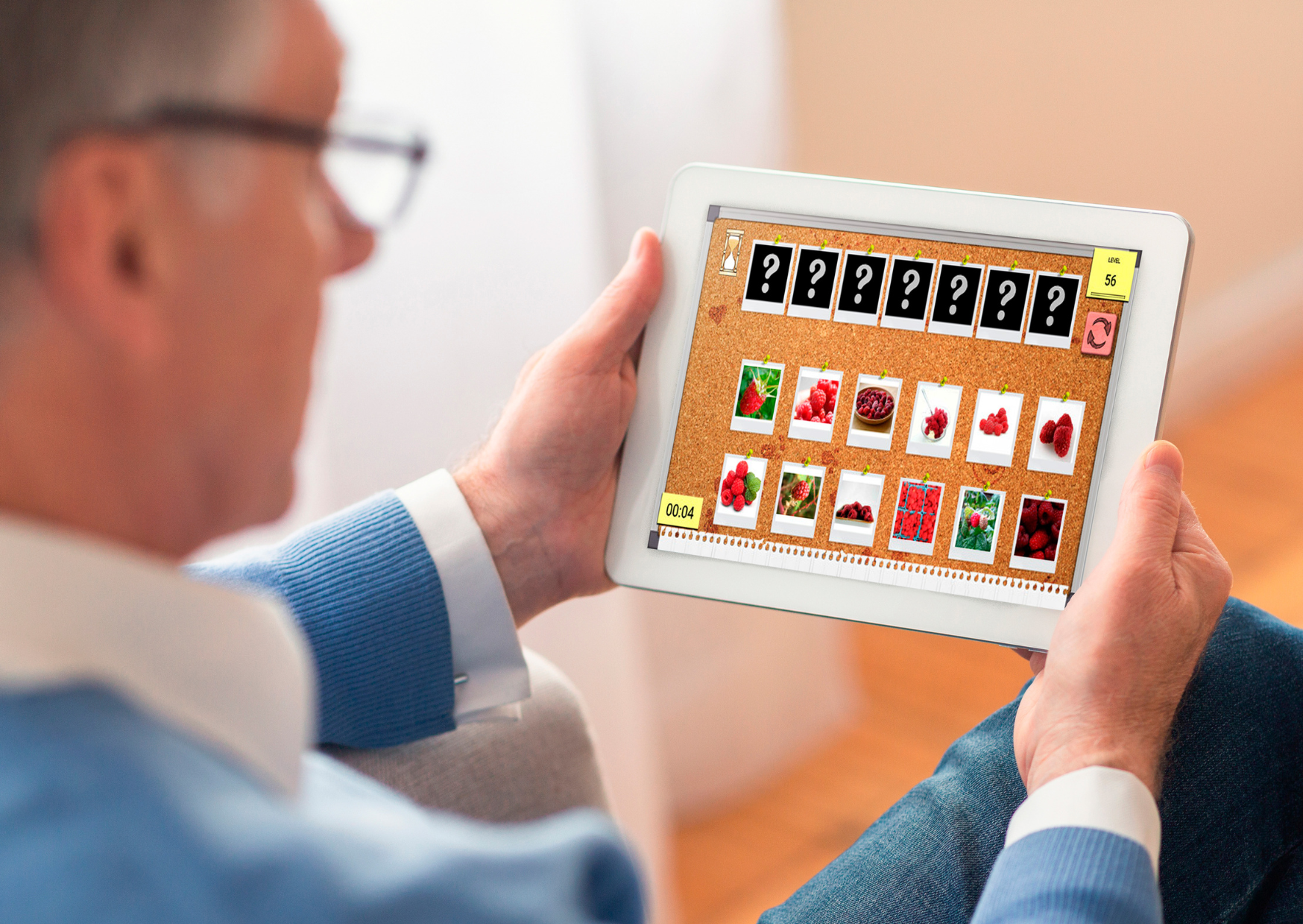
Supervised digital cognitive rehabilitation
Clinician-adapted digital cognitive rehabilitation programs for use in clinical settings.
The key factors: intensity, repetition, and participation
Many of the improvements observed with virtual reality can be explained by:
- Higher number of repetitions
- More practice time
- Ongoing feedback
- Greater patient involvement
This suggests that the key factor is not the technology itself, but its ability to sustainably increase therapeutic exposure.
Real Challenges in Nursing Homes (and How to Address Them)
Clinical/organizational limitation
Implications for practice
How to approach this in a real-world setting
Cognitive profile of the patient
Not all patients understand or tolerate the tasks, which limits their use
Select patients with mild to moderate impairment and adjust the complexity, duration, and instructions
Need for supervision
Uncontrolled use can reduce effectiveness or increase the risk (fatigue, poor performance)
Incorporating virtual reality into therapy sessions under professional supervision
Staff learning curve
It may lead to resistance or underutilization if the team is not familiar with it
Brief training, clear protocols, and gradual integration into clinical practice
Difficulty integrating into the school environment
It may be perceived as an additional activity rather than part of the treatment
Incorporate it into existing sessions (individual or group), rather than as a standalone module
Cost and sustainability
Initial obstacle to its implementation or continuation
Prioritize cases where it adds value (adherence, stability, inactive patients) and assess the actual clinical impact
Transfer limited to the actual function
Improvement in specific tasks without necessarily extending to activities of daily living
Combine with conventional functional training focused on real-world scenarios
Physical or cognitive fatigue
Some patients may become fatigued or overwhelmed quickly
Adjust duration, intensity, and frequency; prioritize shorter, progressive sessions
Variety of devices and software
It makes it difficult to standardize treatment
Define clear clinical usage criteria and treatment goals before implementation
Which patients stand to benefit the most?
- Patients at risk of falling
- Low level of activity
- Mild or moderate cognitive impairment
- Low participation in conventional therapies
When conventional therapy remains essential
- Patients with severe frailty
- Need for manual assistance
- Highly personalized interventions
- Complex functional objectives
Virtual reality in nursing homes: a supplement, not a substitute
A direct comparison between the two approaches may be overly simplistic. In clinical practice, virtual reality should be viewed as a complementary tool that can increase the intensity of treatment and improve patient engagement, but it does not replace direct professional intervention.
Clinical conclusion
The integration of virtual reality into geriatric settings and nursing homes opens up new possibilities for addressing some of the key challenges in patient care, particularly those related to patient engagement and treatment continuity.
The available evidence suggests that, beyond direct comparisons, its greatest value lies in its ability to facilitate more intensive, structured, and sustained interventions over time—key factors in the geriatric population.
In this context, virtual reality can help to:
- Increase patient engagement
- Encourage the repetition of therapeutic exercises
- Improve the organization of treatment
- To complement the work of the professional
Its role should not be seen as a replacement for conventional approaches, but rather as an additional tool that expands the range of treatment options, especially in settings where therapeutic resources are limited.
From a clinical perspective, the most useful approach is not to choose between one intervention or another, but to integrate the tools that allow for the optimization of therapeutic dosage, patient engagement, and functional outcomes.
En este sentido, la realidad virtual representa una opción relevante dentro de un modelo de atención cada vez más orientado a la eficiencia, la personalización y la continuidad del tratamiento.