
Exercise intensity in physical therapy: how to adjust the workload for patients with musculoskeletal pain
In previous articles, we have seen that many patients with persistent musculoskeletal pain do not improve due to insufficient exposure to movement and an inappropriate regimen of therapeutic exercise.
However, even when the volume of exercise is appropriate, there remains a common challenge in clinical practice: correctly adjusting the intensity of the exercise.
Determining the appropriate intensity level for the patient—without reducing the stimulus or eliciting a negative response—is one of the most complex decisions in musculoskeletal rehabilitation.
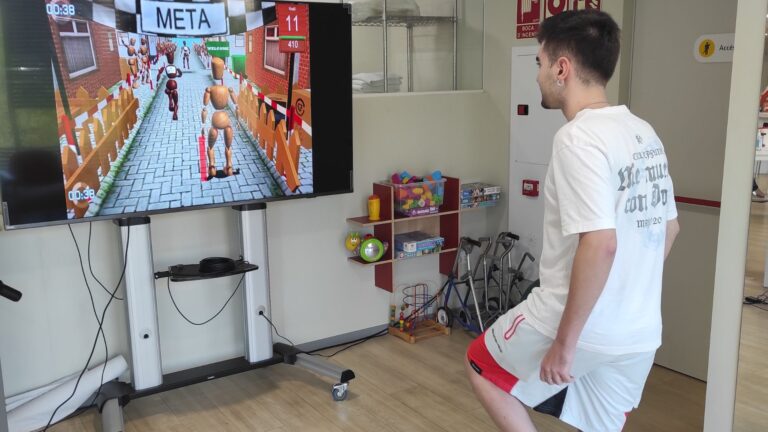
Table of contents
The issue in the consultation: working at a level that is not appropriate
In clinical practice, it is common to observe that patients do not exercise at an intensity level that allows for adaptation.
Some people tend to exercise below their actual capacity. They avoid exertion, stop the exercise at the slightest increase in pain, and keep the intensity very low throughout the session. In these cases, the stimulus is insufficient.
At the other end of the spectrum, some patients gradually increase the intensity of their workouts. They exceed their tolerance levels, experience flare-ups, and, as a result, become less consistent in subsequent sessions.
Although the situations differ, the outcome is usually the same: sustained progress is not achieved.
What do we mean by intensity in musculoskeletal rehabilitation?
In this context, intensity does not depend solely on the external load applied. It is influenced by how the patient experiences the exercise.
Factors such as perceived effort, the resulting fatigue, the complexity of the movement, or the context in which the task is performed significantly alter the actual level of exertion.
This explains why the same exercise may be appropriate for one patient but too strenuous or not strenuous enough for another.
Pain During Exercise: Interpret It, Don't Avoid It
One of the most common questions patients ask is whether exercise should cause pain.
In patients with persistent pain, avoiding any discomfort often leads to working below the threshold needed to induce changes. However, increasing the load without proper monitoring can heighten the perception of threat and encourage avoidance.
In practice, the goal is to keep the exercise within a tolerable range, allowing the activity to continue without triggering a subsequent adverse reaction.
This requires interpreting pain within the context of exercise, rather than using it as the sole criterion for decision-making.
Intensity and Perception of Threat
Intensity cannot be separated from how the patient perceives the effort.
In cases of kinesiophobia, even moderate loads can be perceived as dangerous. This affects performance, reduces exercise duration, and limits progress.
Increasing the intensity without addressing this perception is usually ineffective. Not only does the patient work less, but they may also reinforce the association between movement and threat.
Therefore, adjusting the intensity also means changing the experience of movement.
How to Assess Intensity in Clinical Practice
In many contexts, intensity is estimated using scales of perceived exertion, pain response, or the onset of fatigue.
These tools are useful, but they have limitations. In patients with high hypervigilance or low body awareness, their perception may not accurately reflect the actual load.
As a result, adjusting the intensity depends largely on clinical experience and ongoing monitoring.
Adjust the resistance without interrupting your workout
One of the common challenges is adjusting the intensity without interrupting the flow of the task.
In practice, many adjustments involve stopping the exercise, changing the instruction, or substituting the activity. This reduces the actual workout time and breaks up the session.
Having tools that allow requirements to be modified during implementation changes this scenario.
Adjusting brightness using motion detection
Sensor-based platforms allow you to adjust the intensity without changing the exercise.
In Rehametrics Physical, variables such as the required range of motion, execution speed, or precision can be adjusted in real time. This allows the difficulty level to be increased or decreased while keeping the task the same.
In addition, continuous visual feedback helps patients self-regulate their effort by adjusting their performance based on clear goals.
Attention, effort, and exercise tolerance
The way a patient focuses their attention directly influences their perception of intensity.
In patients with persistent pain, attention often focuses on the pain or bodily sensations, which amplifies the perception of exertion and limits tolerance.
Interactive environments bring about a significant change: the focus shifts to the task at hand. The patient concentrates on achieving a goal, which reduces the interference of pain during the task.
As a result, it is possible to maintain relatively high levels of exertion while feeling less strain.
This makes it easier to:
- greater consistency in the exercise
- greater exercise tolerance
- less disruption to the task
A multidisciplinary approach through three treatment modules
Address physical, cognitive, and occupational rehabilitation from a single, integrated solution.
The modules can be used independently or simultaneously by different members of the clinical team.
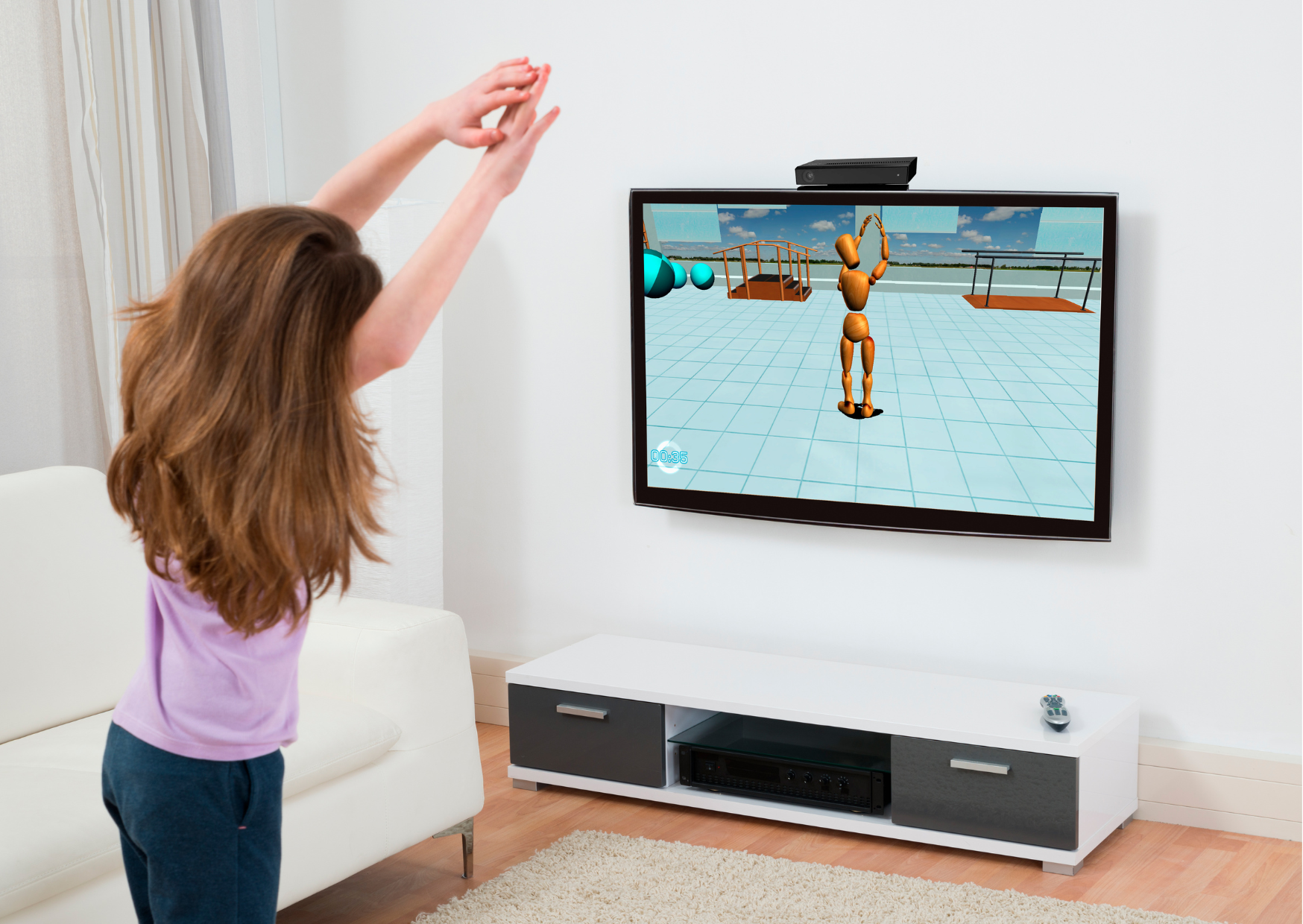
Digital support for neurological physiotherapy
Functional exercises oriented toward movement recovery.
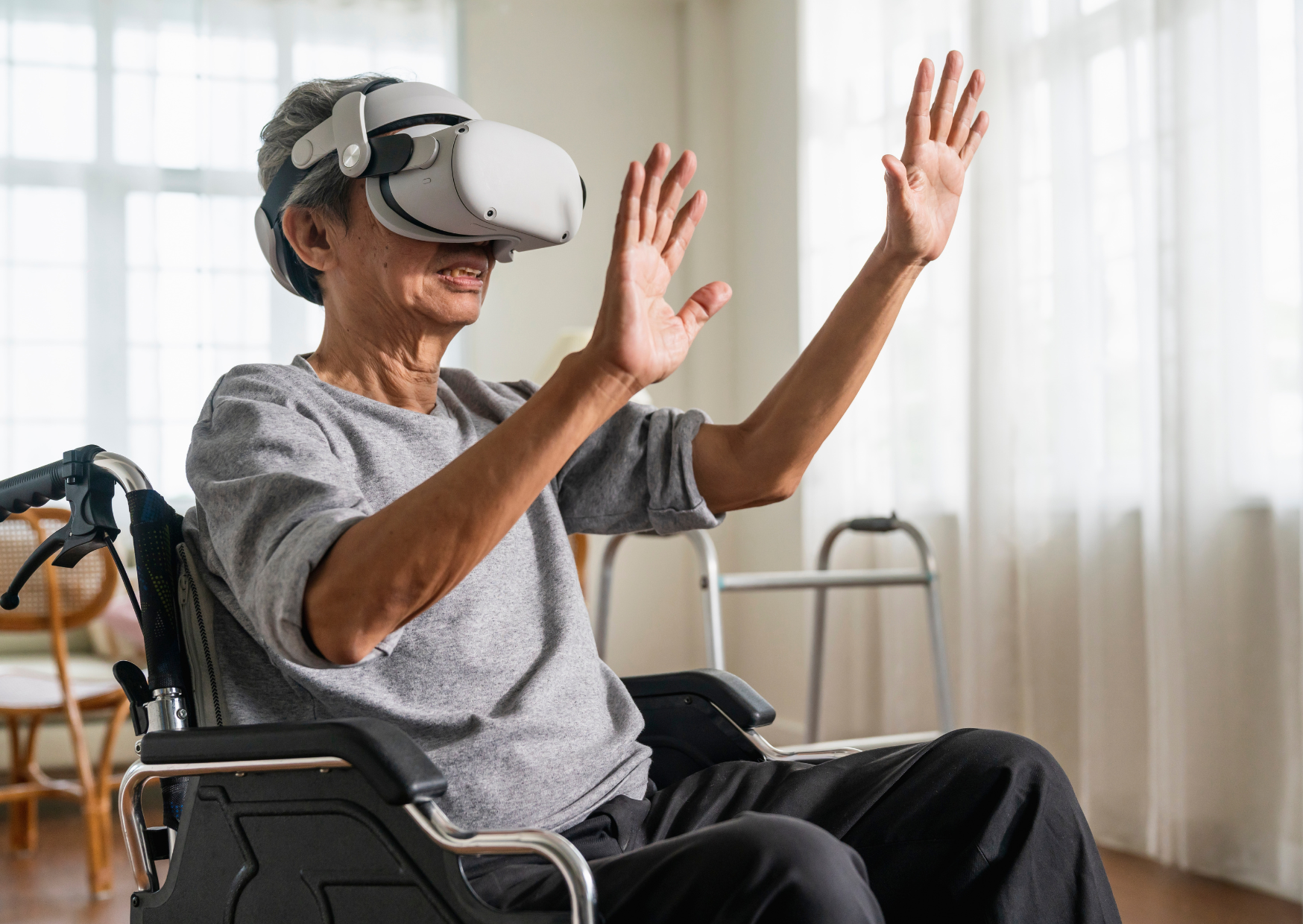
Virtual rehabilitation as a therapeutic support tool
Functional intervention targeting motor and cognitive recovery

Supervised digital cognitive rehabilitation
Clinician-adapted digital cognitive rehabilitation programs for use in clinical settings.
Intensity in immersive environments and functional tasks
In the field of occupational rehabilitation, immersive environments make it possible to incorporate intensity into tasks with functional significance.
With Rehametrics Occupational VR, patients interact in scenarios that simulate activities of daily living. The physical demands are not perceived as an isolated burden, but rather as part of a task with a specific goal.
This promotes:
- greater involvement
- less focus on the effort
- more practice time
In addition, the difficulty can be adjusted gradually by modifying the intensity without changing the context of the activity.
Implications for clinical practice
Adjusting the intensity of therapeutic exercise involves striking a balance between providing sufficient stimulation and maintaining the patient’s tolerance.
This requires taking into account not only the physical response, but also the perception of exertion, fear of movement, and the ability to sustain the task over time.
Tools that allow for adjusting the intensity during exercise facilitate this process, especially in patients with persistent pain or kinesiophobia.
Conclusion
In musculoskeletal rehabilitation, intensity influences both adaptation and adherence to treatment.
Working below the required level limits improvement. Exceeding it without control can increase avoidance.
The goal is not to set a specific intensity, but to adjust the workload dynamically, taking into account both the patient’s response and their experience during the exercise.