
Types of virtual reality in rehabilitation: immersive vs non-immersive
Virtual reality (VR) has established itself as one of the technologies with the greatest presence within the field of rehabilitation. Its ability to create interactive environments, provide immediate feedback and increase the participation of the patient has promoted its integration into hospitals, clinics and centres for neurorehabilitation.
However, not all the systems work in the same way nor meet the same therapeutic needs. Understanding the different types of virtual reality in rehabilitation is essential for selecting the tool most suitable according to the profile of the patient, the clinical objectives and the context of care.
In clinical practice, one of the the classifications most relevant distinction between immersive and non-immersive virtual reality. Although it is usually associated with a a17> higher level of immersion with a more advanced experience, this does not necessarily imply greater therapeutic benefit. The choice should be based on clinical and functional criteria, not solely on technological ones.
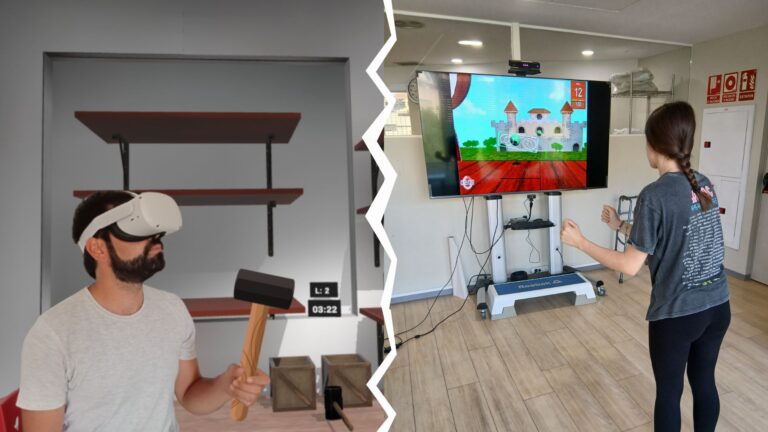
Table of contents
Types of virtual reality in rehabilitation: clinical classification
Within the field of rehabilitation, the main types of virtual reality used in rehabilitation can be classified according to the degree of immersion and the way in which the patient interacts with the virtual environment.
Immersive virtual reality
Immersive virtual reality uses devices such as goggles or headsets for visualisation (HMDs) which partially isolate the patient from the physical and create an immersive experience.
This type of system allows for a greater sense of presence within the virtual environment and can incorporate:
- tracking of movements
- three-dimensional interaction
- visual stimuli and auditory integrated
Its use has increased particularly in research and in certain contexts of motor or cognitive training.
Non-immersive virtual reality
Non-immersive virtual reality is based on conventional screens, motion sensors or interactive systems a11> where the patient maintains visual and spatial contact with the real environment.
Currently, it is one of the types of virtual reality used in rehabilitation most commonly used in everyday clinical practice due to:
- its ease of implementation
- less logistical complexity
- good tolerance in various profiles of patients
- easiness of monitoring by the therapist
This approach enables the integration of technology into the structured therapeutic sessions without significantly altering the usual clinical dynamics.
Augmented reality and mixed reality
In addition to immersive and non-immersive virtual reality, there are technologies such as augmented reality and mixed reality, which combine digital stimuli with the physical environment. In rehabilitation, these can be useful when seeking to integrate visual information, feedback or interactive tasks within a context that more closely resembles real-world function. Their clinical application will depend on the therapeutic objective, the type of device and the patient’s ability to interact with these stimuli safely and effectively.
A multidisciplinary approach through three treatment modules
Address physical, cognitive, and occupational rehabilitation from a single, integrated solution.
The modules can be used independently or simultaneously by different members of the clinical team.
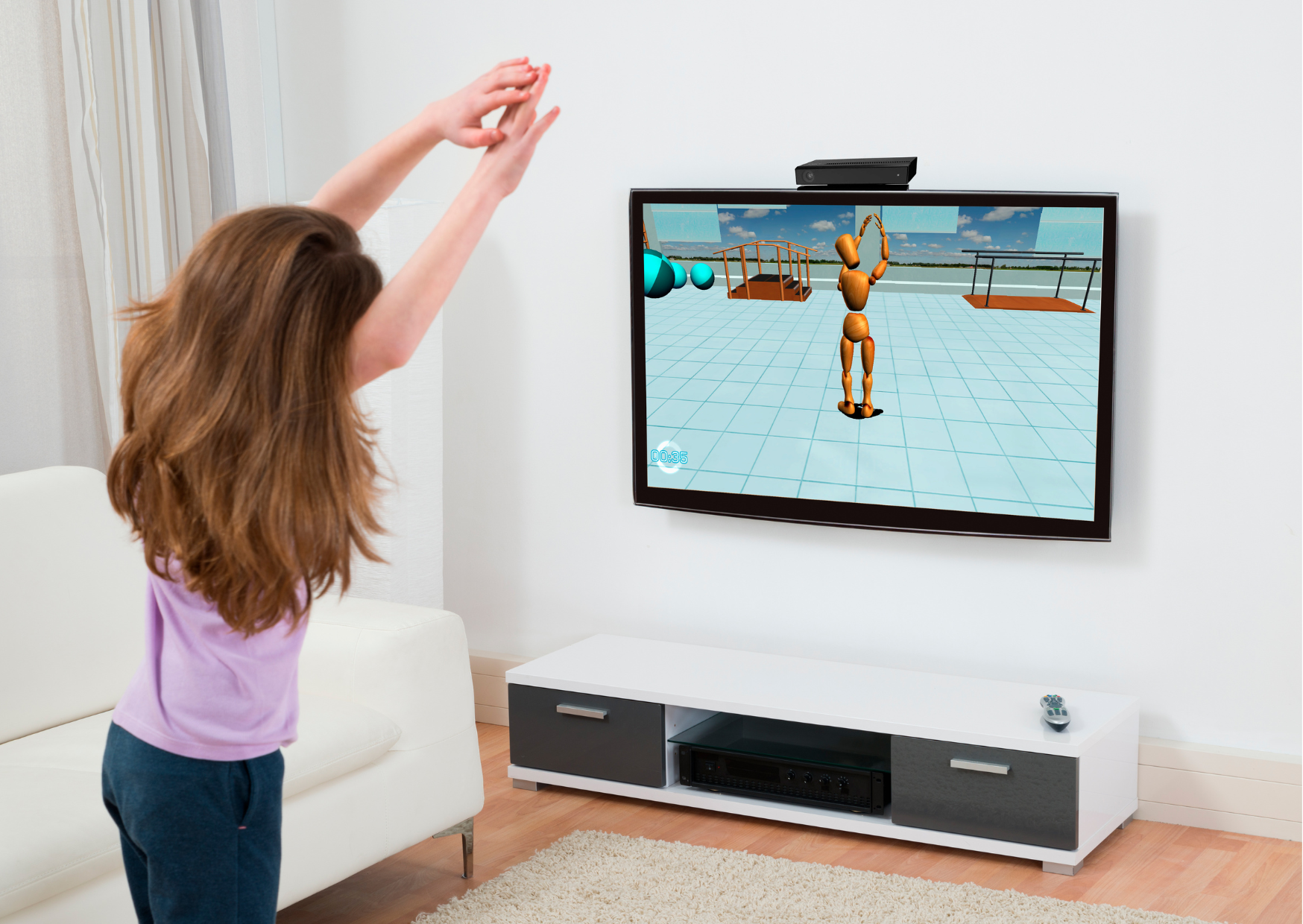
Digital support for neurological physiotherapy
Functional exercises oriented toward movement recovery.
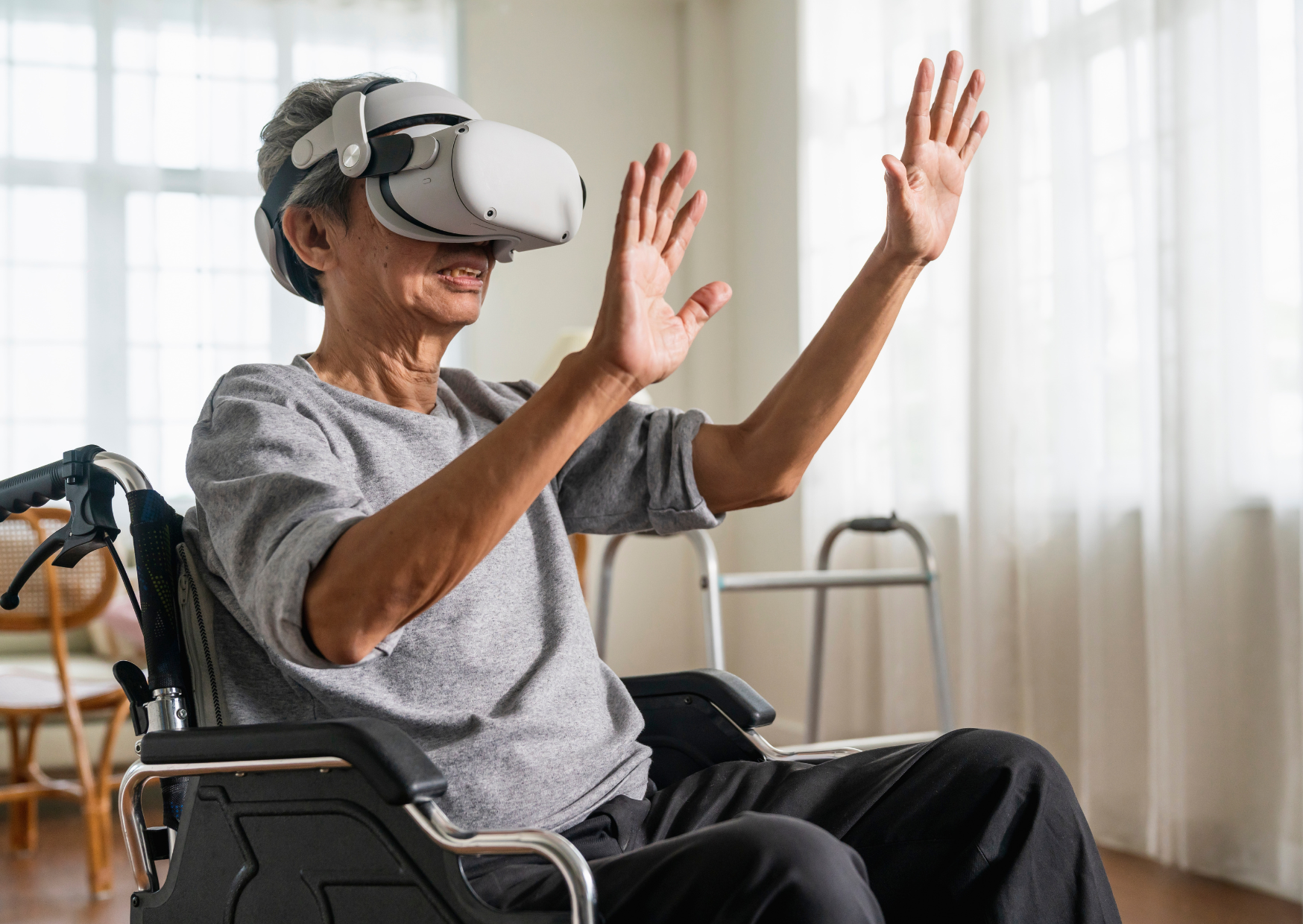
Virtual rehabilitation as a therapeutic support tool
Functional intervention aimed at the recovery of movement and cognition
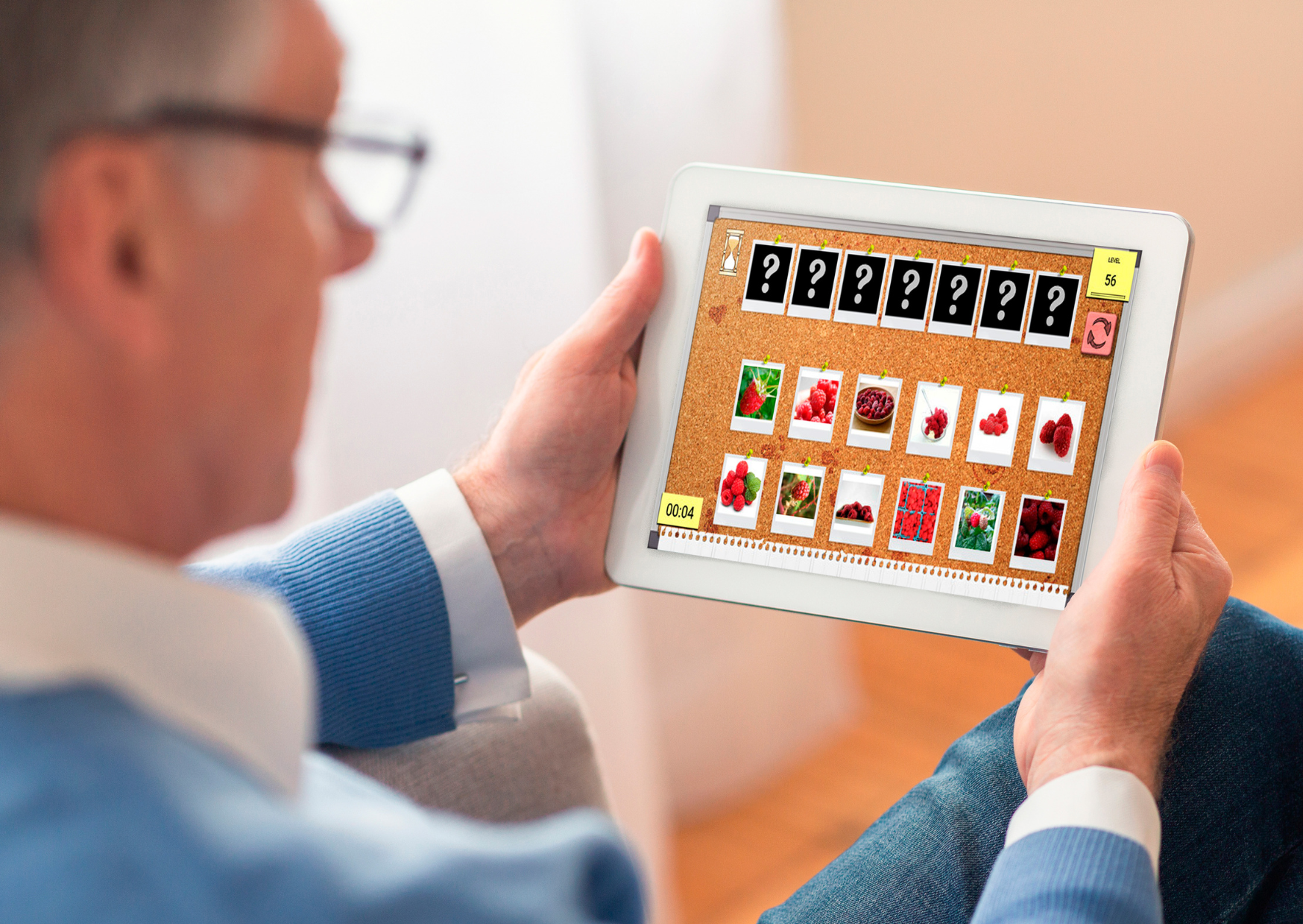
Supervised digital cognitive rehabilitation
Clinician-adapted digital cognitive rehabilitation programs for use in clinical settings.
Differences between immersive and non-immersive virtual reality
From a clinical perspective, the differences between the two approaches go far beyond the hardware used.
Level of sensory stimulation
Immersive virtual reality creates an more intense visual and perceptual experience, which may prove useful in certain therapeutic contexts. However, it also increases the sensory and cognitive load.
On the contrary, non-immersive virtual reality tends to offer a more stable and controlled experience, facilitating patient’s adaptation.
Relationship with the real environment
In non-immersive systems, the patient retains spatial references in the real world and a more direct interaction with the therapist. This may facilitate:
- postural corrections
- clinical supervision
- transfer of functional tasks
In immersive systems, interaction with the physical environment is reduced, which alters the therapeutic experience and may require closer supervision initially.
Cognitive and attentional demands
Immersive systems can increase the demand on attention, particularly in patients with cognitive impairments, fatigue or visual hypersensitivity.
In contrast, non-immersive virtual reality is generally better tolerated by a wider range of clinical profiles, particularly in neurorehabilitation.
Advantages and limitations of immersive virtual reality
Immersive virtual reality offers a number of specific advantages in certain clinical contexts.
Advantages
- A greater sense of presence and involvement
- Ability to create environments that are complex and controlled
- Highly interactive therapeutic experiences
In some patients, this may encourage the involvement and training in specific tasks.
Limitations
However, it also has significant limitations:
- visual fatigue
- motion sickness or cyber sickness
- sensory overload
- need for greater technical expertise
- logistics complexityin clinical settings
Furthermore, not all of the patients tolerate well prolonged immersive experiences.
Advantages and limitations of non-immersive virtual reality
Non-immersive virtual reality is currently one of the approaches most commonly used within the the various types of virtual reality in rehabilitation, particularly in routine clinical practice.
Advantages
Among its main advantages are:
- integration simple in therapy sessions
- greater ease of monitoring
- good clinical tolerance
- mild sensory fatigue
- faster patient adaptation
- ease of combining virtual and functional tasks
It also allows for a more scalable implementation in hospitals and rehabilitation centres.
Limitations
Their limitations are not usually related to therapeutic capacity, but rather to:
- less immersive experience
- dependence on task design
- need for a proper clinical structure
The effectiveness of the system will depend to a large extent on how the a9> integrated the therapeutic objectives and the progress of the treatment.
Which patients can benefit most from each type
The choice between immersive and non-immersive virtual reality should be based on the therapeutic goal, the type of interaction required, and the patient’s ability to actively participate in the task.
Immersive virtual reality, such as Rehametrics VR, can be useful for patients who benefit from an engaging environment to work on motor, perceptual, and cognitive functions in an integrated way. It can be applied to upper limb tasks, neck and head mobility, coordination, attention, orientation, and response to stimuli within a controlled virtual environment.
Immersive virtual reality can be used for patients with stroke, acquired brain damage, multiple sclerosis, Parkinson’s disease, vestibular disorders, neck pain, mobility disorders of the neck and head, disorders of balance, persistent pain or musculoskeletal conditions where the focus is on working on mobility, coordination, motor control or exposure progressive to movement within an immersive a34> environment immersive virtual environment.
Non-immersive virtual reality, such as Rehametrics Físico, allows therapists to work with patients whilst maintaining a connection to the real environment and ensuring direct supervision. It is particularly useful for motor and functional tasks such as balance, postural control, weight shifting, reach, coordination, overall mobility and upper limb training.
Non-immersive virtual reality can be used for patients with stroke, spinal cord injury, Parkinson’s disease, balance disorders, a risk of falls, shoulder conditions, persistent pain, post-surgical rehabilitation, physical deconditioning, or musculoskeletal conditions requiring therapeutic exercise, postural control, coordination, upper limb training, weight-shifting, or functional training with visual feedback.
Tolerance, adherence and clinical experience
Patient tolerance is an important factor when choosing between different types of virtual reality in rehabilitation, but it should not be interpreted as a direct disadvantage of immersive systems.
Immersive virtual reality can provide a more engaging therapeutic experience, with a greater sense of presence and more intensive interaction with the task. This can support patient engagement, concentration within the therapeutic environment, and training in scenarios that would be difficult to replicate in a clinical setting.
Non-immersive virtual reality, on the other hand, allows for more open interaction with the physical environment and the therapist, which can be useful in sessions where direct supervision, guided repetition or integration with other exercises are prioritised.
En ambos casos, la tolerancia dependerá del diseño de la tarea, la duración de la sesión, la progresión de la dificultad y las características individuales del paciente.
Integration in hospitals and rehabilitation centres
Clinical integration does not depend solely on the degree of immersion, but rather on how the system is designed on and how it fits into the workflow of the centre.
Immersive virtual reality systems can provide a high high value when seeking to generate specific therapeutic experiences, working in controlled environments and increasing the participation of the patient through immersive scenarios.
Systems for non-immersive virtual reality systems can be easily integrated into conventional sessions, especially when the aim is to combine visual feedback, supervision therapeutic and exercises motor or functional in the setting clinical setting.
The decision should therefore not be framed as a choice between simplicity and complexity, but rather as a therapeutic choice: what kind of experience does the patient need, and which format is best suited to the treatment objective?
How to choose the right technology based on the therapeutic objective
The choice between different types of virtual reality in rehabilitation should be based on specific clinical criteria.
Among the most significant aspects are:
- functional treatment goals
- the patient’s cognitive and motor profile
- sensory tolerance
- capacity for therapeutic progression
- need for supervision
- monitoring and tracking capabilities
Technology must adapt to clinical reasoning, not the other way round.
A useful system is not necessarily the most complex one, but rather one that enables therapeutic objectives to be effectively integrated into clinical practice.
Clinical conclusions
The various types of virtual reality in rehabilitation offer different therapeutic possibilities and should be viewed as complementary tools within the rehabilitation process.
Immersive and non-immersive virtual reality each have their own specific advantages and limitations, and their usefulness depends on the clinical context, the functional objectives and the patient’s characteristics.
Beyond the level of immersion, the true therapeutic value lies in how the intervention is structured, how the progression is tailored, and how technology is integrated into clinical reasoning.
As is the case with any therapeutic tool, the decision must be based on clinical judgement, functionality and applicability in everyday practice.
Frequently Asked Questions
What types of virtual reality are used in rehabilitation?
The main types of virtual reality used in rehabilitation are immersive and non-immersive virtual reality. There are also technologies such as augmented reality and mixed reality, which combine virtual elements with the real environment.
What is the difference between immersive and non-immersive virtual reality?
Immersive virtual reality uses headsets to create an immersive experience within a virtual environment. Non-immersive virtual reality relies on screens and sensors, allowing the patient to remain aware of their physical surroundings and interact directly with the therapist.
Is immersive virtual reality better than non-immersive virtual reality?
Not necessarily. Each type of virtual reality has different clinical applications. The choice depends on the therapeutic objective, the tolerance of the patient and the type of task that one wishes to work on.
What functions can be trained with virtual reality in rehabilitation?
Virtual reality can be used to work on balance, coordination, postural control, upper limb function, cervical mobility and head movement, attention, orientation, executive functions, speed of processing and functional tasks.
Which medical conditions can benefit from virtual reality?
Virtual reality can be used in neurorehabilitation, musculoskeletal rehabilitation, vestibular rehabilitation and geriatric rehabilitation. Some common conditions include stroke, Parkinson’s disease, multiple sclerosis, spinal cord injury, acquired brain injury, chronic pain, balance disorders and post-surgical rehabilitation.
Can virtual reality replace conventional treatment?
No. Virtual reality should be seen as a complementary tool within the rehabilitation process. Its value depends on how it is integrated into the treatment plan and on the clinical objectives set.
Is virtual reality only useful for neurorehabilitation?
No. Although it is widely used in neurorehabilitation, it can also be applied in musculoskeletal, vestibular, geriatric and functional rehabilitation, particularly for improving mobility, balance and coordination, and for therapeutic exercise with visual feedback.