
The Importance of Feedback in Rehabilitation: How It Influences Motor and Cognitive Learning
In the context of rehabilitation, feedback refers to the information a patient receives about their performance during or after a therapeutic task. This information allows them to compare the result achieved with the desired goal and adjust their behavior in subsequent attempts.
Feedback is a central component of motor and cognitive learning processes, as it facilitates the identification of errors, the adjustment of strategies, and the consolidation of new skills. In patients with neurological damage, where motor or cognitive control mechanisms may be impaired, feedback becomes a particularly valuable therapeutic tool.
In addition, feedback acts as a modulator of neuroplasticity, promoting the functional reorganization of the nervous system through guided repetition and the gradual correction of movement or cognitive response.
Table of contents
The Role of Feedback in Motor Learning
Motor learning is defined as the process by which a person acquires or improves motor skills through practice. In neurological rehabilitation, this process is key to recovering functions affected by stroke, traumatic brain injury, or neurodegenerative diseases.
Feedback facilitates this learning by providing information on:
-
the precision of the movement
-
the quality of the workmanship
-
the final outcome of the action
This information allows the patient to adjust their motor strategy with each repetition, which helps reinforce more efficient movement patterns. Research on motor learning shows that combining repeated practice with appropriate feedback improves the acquisition and retention of functional skills.
Feedback and Cognitive Learning in Neurorehabilitation
Feedback also plays an important role in cognitive rehabilitation. During tasks targeting functions such as attention, memory, or executive functions, feedback allows patients to identify errors and adjust their strategies.
In addition, feedback has a significant impact on:
-
the patient’s motivation
-
active participation in therapy
-
treatment adherence
Clear and structured feedback helps patients understand their progress and stay engaged in the therapeutic process.
How to Provide Feedback in Clinical Practice
Although feedback is essential, its use must adhere to certain principles of motor learning.
Some key points are:
-
Frequency: Providing feedback on every repetition can lead to dependency. Gradually reducing the frequency promotes patient autonomy.
-
Timing: Feedback can be provided immediately after the task or after a brief pause to allow the patient to reflect on their performance.
-
Content: It should be specific, understandable, and focused on aspects relevant to the task.
Providing the right amount of feedback helps patients develop their own mechanisms for self-monitoring and correction.
The Role of Technology in Generating Therapeutic Feedback
In recent years, the integration of digital technologies into rehabilitation has improved the quality, accuracy, and frequency of therapeutic feedback. Unlike the therapist’s verbal feedback alone, digital systems can provide immediate, objective, and repeatable information, which facilitates motor and cognitive learning processes.
These tools provide patients with continuous feedback on their performance during the task, helping to identify errors, correct movements, and reinforce learning. In addition, they allow for a more intensive therapeutic practice, which is particularly important in neurorehabilitation.
Among the solutions developed for this purpose is Rehametrics, a digital rehabilitation platform designed for clinical settings that integrates therapeutic exercises with real-time feedback systems and performance monitoring.
A multidisciplinary approach through three treatment modules
Address physical, cognitive, and occupational rehabilitation from a single, integrated solution.
The modules can be used independently or simultaneously by different members of the clinical team.
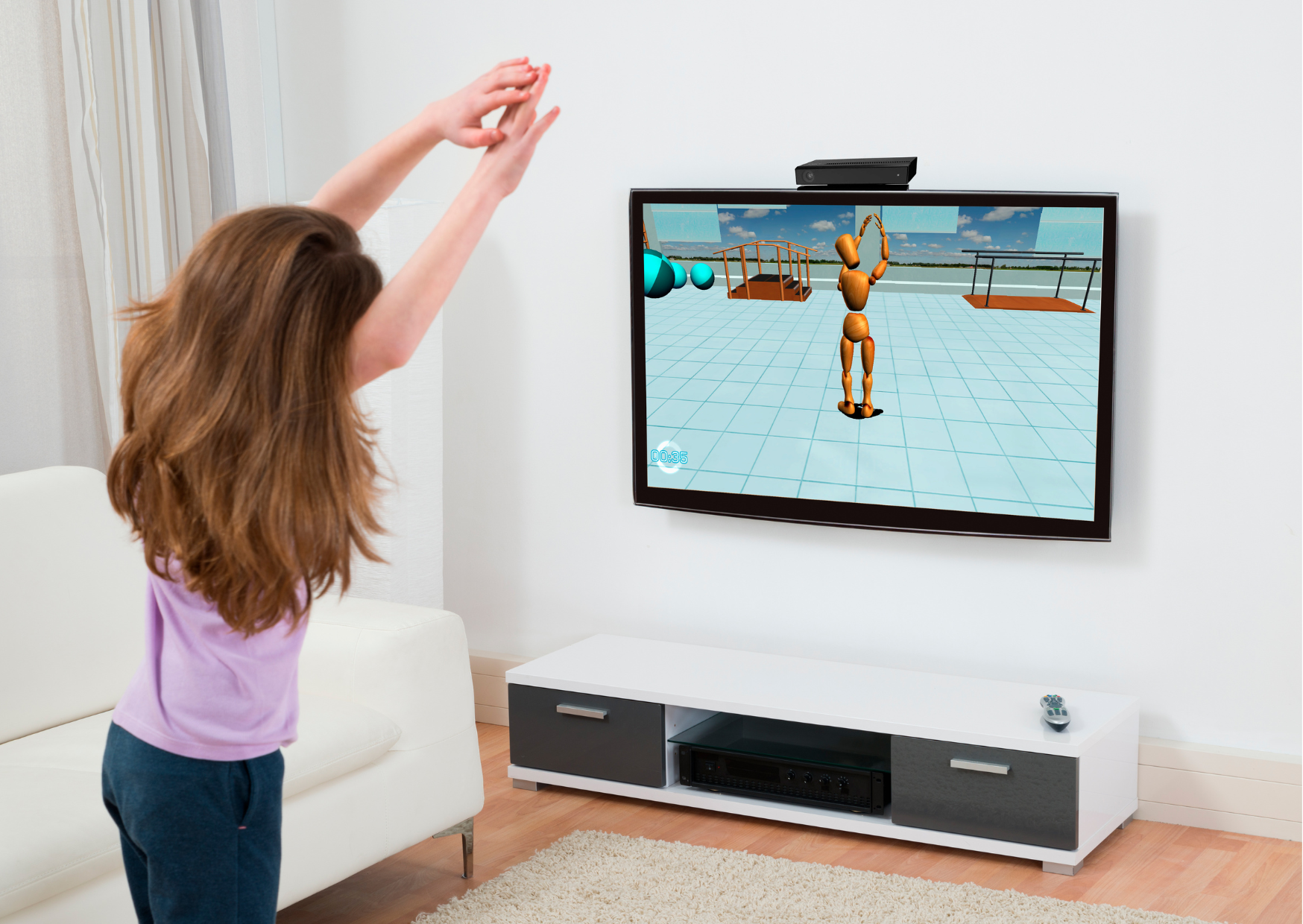
Digital support for neurological physiotherapy
Functional exercises oriented toward movement recovery.
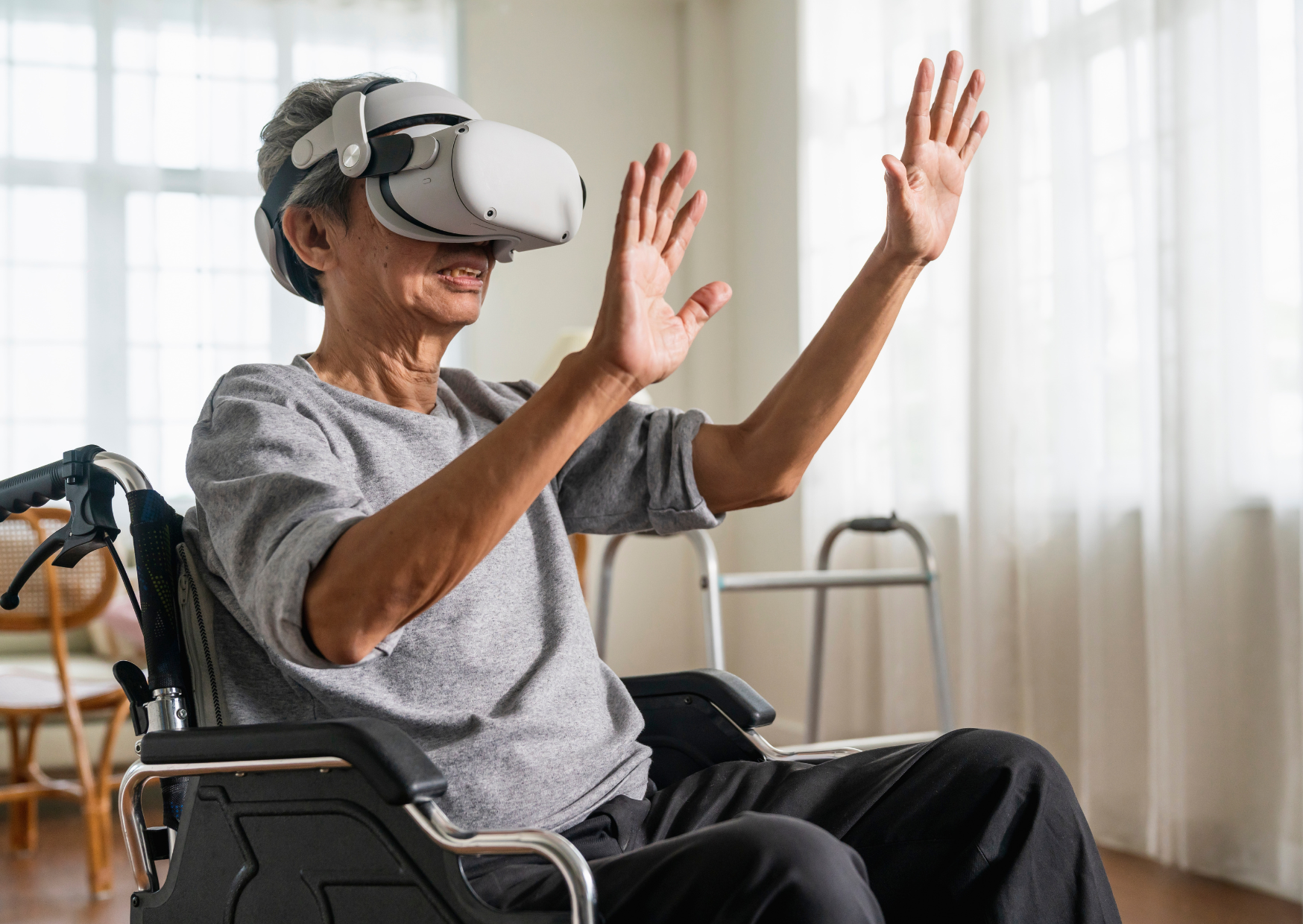
Virtual rehabilitation as a therapeutic support tool
Functional intervention targeting motor and cognitive recovery
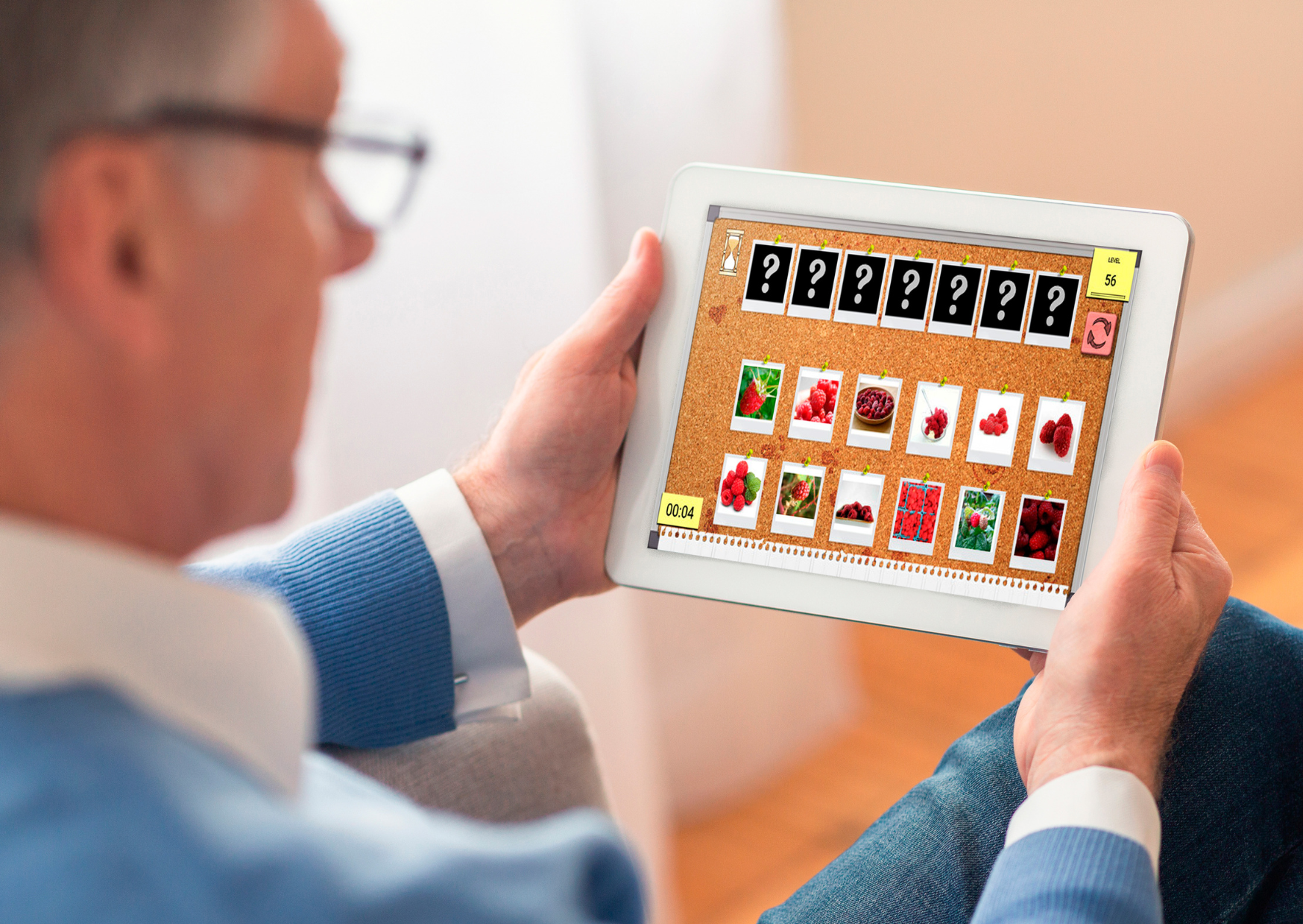
Supervised digital cognitive rehabilitation
Clinician-adapted digital cognitive rehabilitation programs for use in clinical settings.
Motor feedback in physical rehabilitation programs
In modules focused on motor rehabilitation, Rehametrics uses motion capture systems to analyze how a patient performs a task. Based on this information, the system provides immediate visual feedback, allowing the patient to adjust their movement as they perform the task.
For example, during range-of-motion or postural control exercises, the patient can see on the screen whether the movement is approaching the target or whether they need to correct its trajectory. This type of feedback facilitates self-correction of movement, a key element in motor learning.
In addition, the therapist can configure settings such as:
-
range of motion
-
target range of motion
-
execution speed
-
number of repetitions
This allows the difficulty level and type of feedback to be tailored to the patient’s functional profile.
Cognitive feedback in neuropsychological rehabilitation modules
In cognitive rehabilitation modules, feedback also plays a key role. During tasks designed to improve functions such as attention, memory, or executive functions, the platform provides immediate feedback on the patient’s response.
This feedback may include:
-
indication of whether the answer is correct or incorrect
-
response time
-
level of accuracy in the task
-
performance progression throughout the session
In this way, the patient can adjust their cognitive strategies in subsequent attempts, while the professional has access to objective information about their performance.
Motivational feedback and treatment adherence
Another important aspect of feedback generated by digital systems is its impact on motivation and treatment adherence. Interactive and gamified environments help reinforce patient effort through visual indicators of progress, achieved goals, or scores.
This type of positive reinforcement can increase patient engagement and promote consistency in the rehabilitation process, especially during long-term treatments.
Monitorización del rendimiento y ajuste terapéutico
Además del feedback inmediato durante la tarea, plataformas como Rehametrics permiten registrar y analizar datos de rendimiento a lo largo del tiempo. Esto facilita al profesional:
-
assess the patient’s functional progress
-
identify patterns of improvement or stagnation
-
ajustar la dificultad de los ejercicios
The availability of this data contributes to more informed clinical decision-making, allowing the treatment plan to be tailored based on the patient’s response.
Integrating digital feedback into clinical practice
The use of technology does not replace the professional’s involvement; rather, it serves as a complementary tool that helps to better structure the therapeutic process and enrich the feedback provided to the patient.
When properly integrated into the rehabilitation process, the feedback generated by digital platforms can help:
-
increase the intensity of the workout
-
improve the accuracy of the feedback
-
facilitate progress monitoring
All of this reinforces one of the fundamental principles of neurorehabilitation: repeated practice guided by meaningful feedback to promote learning and functional recovery.
Practical Recommendations for Using Feedback in Rehabilitation
To use feedback effectively in clinical practice, the following recommendations may be considered:
-
tailor the type of feedback to the patient’s functional level
-
prioritize clear and specific information
-
gradually reduce the frequency of feedback to avoid dependency
-
incorporate feedback into meaningful functional tasks
The ultimate goal is for the patient to internalize the corrective mechanisms and improve their performance on their own.
Conclusion
Feedback is a fundamental component of motor and cognitive learning processes in rehabilitation. When used appropriately, it helps guide therapeutic practice, facilitates error correction, and promotes functional recovery.
In neurorehabilitation, incorporating feedback strategies based on the principles of motor learning and supported by technological tools can help optimize treatment outcomes and improve the patient’s therapeutic experience.