
What features should a digital platform have to be useful in hospital occupational therapy?
A useful digital platform in hospital occupational therapy should not be judged by its level of innovation, but rather by its ability to address real clinical needs. In the hospital setting, occupational therapists work with complex patients, evolving functional goals, and tight care schedules. Therefore, the usefulness of a digital solution depends on its ability to facilitate assessment, intervention, and follow-up without adding unnecessary burden to the clinical process.
In addition, in recent years, virtual reality and digital cognitive stimulation have become part of many technological approaches to rehabilitation. However, their use only adds value when they are consistently integrated into the therapeutic rationale and the patient’s functional goals.
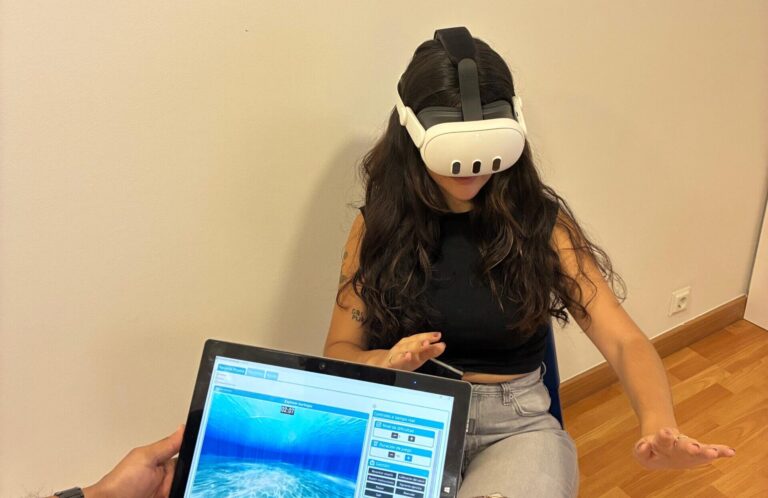
Table of contents
What needs should it meet?
In hospital-based occupational therapy, a digital platform should be used to better structure the intervention, not merely to incorporate technology into the session. This means it should help the professional select tasks, adjust the difficulty level, and track the patient’s progress in a meaningful way.
In practical terms, it should allow you to:
-
support the initial functional assessment
-
translate the assessment into specific treatment goals
-
adapt activities to the patient’s motor, cognitive, and sensory abilities
-
record relevant results to reassess the intervention
-
facilitate longitudinal follow-up
This point is particularly important for neurological and geriatric patients, as well as those who have experienced functional decline during hospitalization. For these patient groups, digital cognitive stimulation can be useful for improving attention, memory, executive functions, and the ability to follow instructions, provided it is linked to specific clinical goals.
Which features provide real value
The key is not in simply accumulating exercises, but in having clinically adaptable tools. A useful platform must offer true customization—that is, it must allow the occupational therapist to tailor each task to the patient’s situation and the therapeutic goal of the session.
The most important features typically include:
-
customization of activities
-
difficulty level
-
automatic performance tracking
-
clear progress tracking
-
possibility of adjusting treatment based on the patient’s progress
In this context, virtual reality can add value when it allows for the practice of tasks in more natural or motivating environments, without losing clinical control over the activity. In occupational therapy, this can be useful for working on orientation, sequencing, attention, visuomotor coordination, or functional performance in simulated contexts. Its usefulness does not depend on the immersive component itself, but rather on whether it enhances the intervention.
Integration into the hospital setting
For a platform to be useful, it must fit into real-world clinical practice. Many solutions fail not because of a lack of potential, but because they are difficult to use, require too much time, or do not accommodate patients with a wide range of clinical conditions.
For this reason, the platform should be:
-
easy to use for professionals
-
quick to set up during the session
-
easy to understand for patients with cognitive or motor impairments
-
suited to interdisciplinary work
-
feasible within the hospital workflow
This also applies to the use of virtual reality and digital cognitive stimulation. Both can be very useful, but only when they are easy to access, the tasks can be adjusted, and the patient can participate without becoming overwhelmed, fatigued, or disoriented.
How to determine whether it truly adds value
Before deeming a digital platform useful, it is important to assess whether it actually improves clinical practice. The key question is not what technology it incorporates, but rather what role it plays within the therapeutic process.
Some reasonable valuation criteria include:
-
if it helps achieve real functional goals
-
if it allows for therapeutic customization
-
if it generates data that can be used to inform decision-making
-
if it improves clinical follow-up
-
if it can be integrated without increasing the burden on healthcare services
When a platform incorporates virtual reality or digital cognitive stimulation, these resources should be viewed as therapeutic tools, not as ends in themselves.
What can a platform like Rehametrics offer in hospital occupational therapy?
In hospital-based occupational therapy, a platform like Rehametrics can add value by integrating various components relevant to clinical practice into a single tool. This is particularly useful in settings where practitioners need to tailor interventions, track progress, and adapt therapy to patients with widely varying functional and cognitive profiles.
From this perspective, a solution of this kind can make a difference in several ways:
-
therapeutic customization, by allowing activities to be tailored to the patient’s functional, motor, and cognitive abilities
-
combined use of virtual reality and digital cognitive stimulation, enabling more varied and adaptable interventions
-
objective performance monitoring, with data useful for reassessing and adjusting treatment
-
application in complex patients, particularly in the settings of neurorehabilitation and inpatient rehabilitation
-
integration into clinical practice, provided that the tool can be used within the actual care pathway
In occupational therapy, this can be particularly relevant when the goal is to address not only isolated skills but also aspects related to functional performance, attention, planning, coordination, or the execution of tasks for therapeutic purposes. In this context, virtual reality can enhance training in controlled environments, and digital cognitive stimulation can complement cognitive intervention goals within a broader functional framework.
The clinical value of a tool like Rehametrics lies not only in incorporating technology, but also in providing a platform that helps occupational therapists intervene with greater precision, greater flexibility, and improved clinical traceability.
A multidisciplinary approach through three treatment modules
Address physical, cognitive, and occupational rehabilitation from a single, integrated solution.
The modules can be used independently or simultaneously by different members of the clinical team.
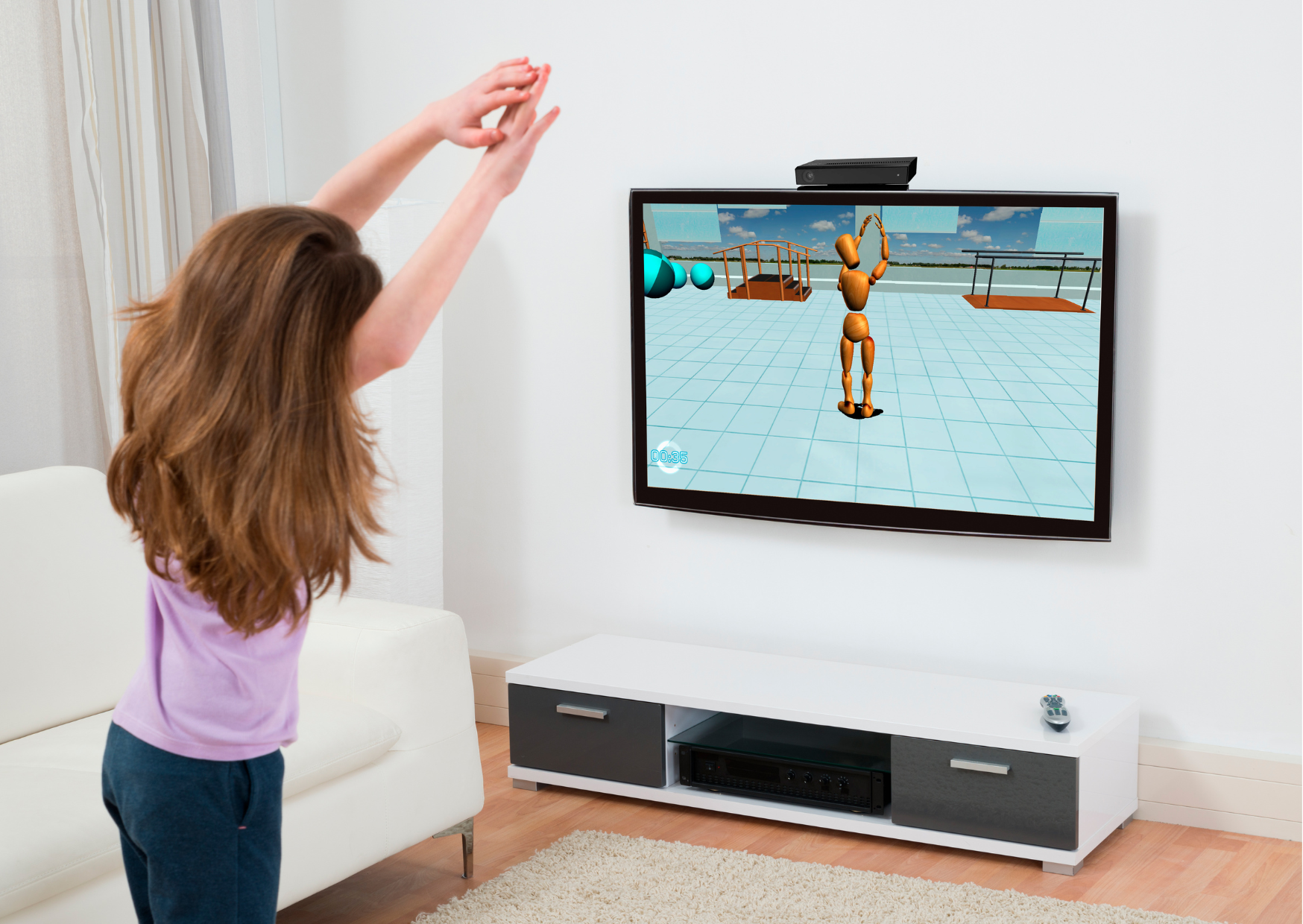
Digital support for neurological physiotherapy
Functional exercises oriented toward movement recovery.
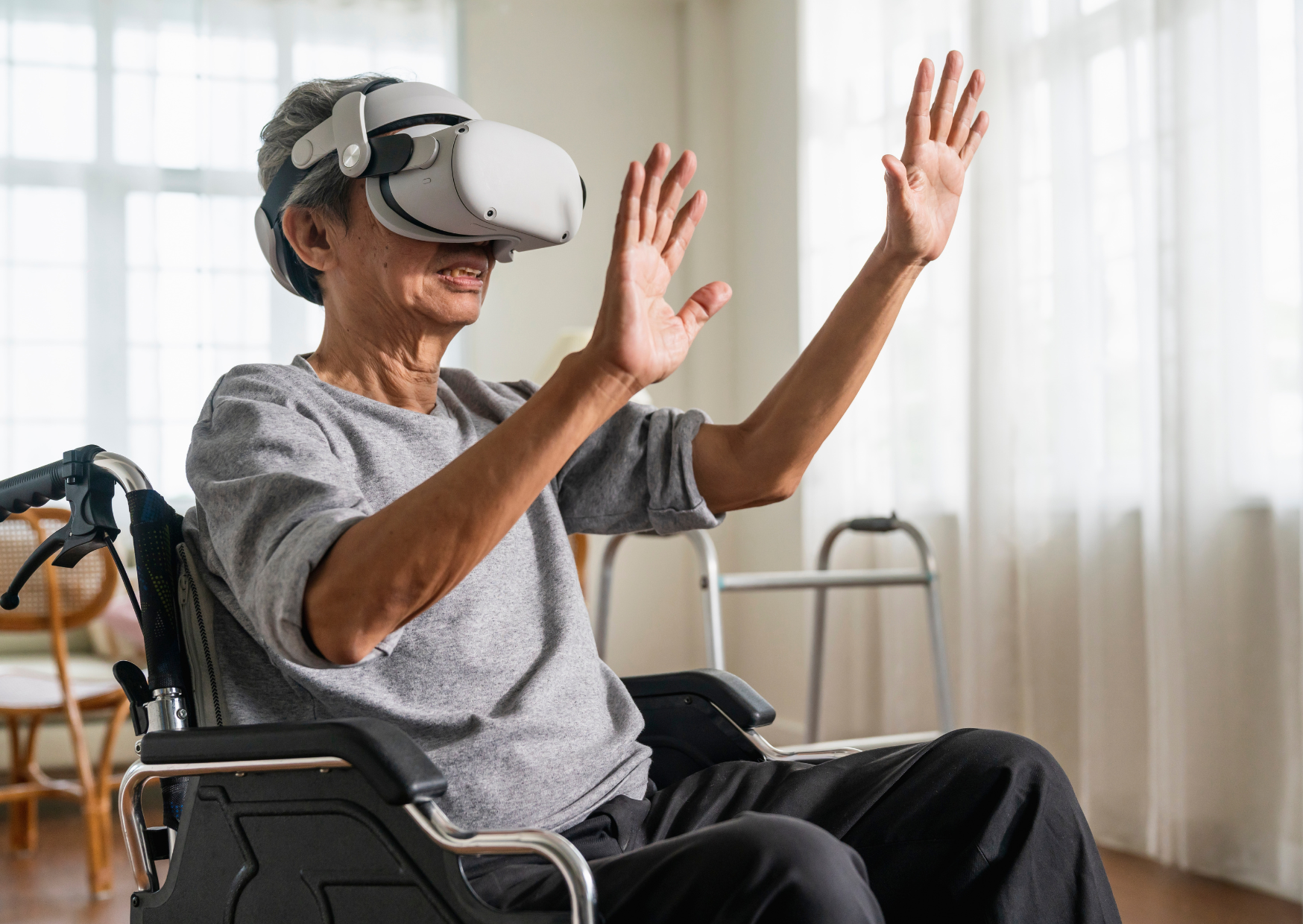
Virtual rehabilitation as a therapeutic support tool
Functional intervention targeting motor and cognitive recovery
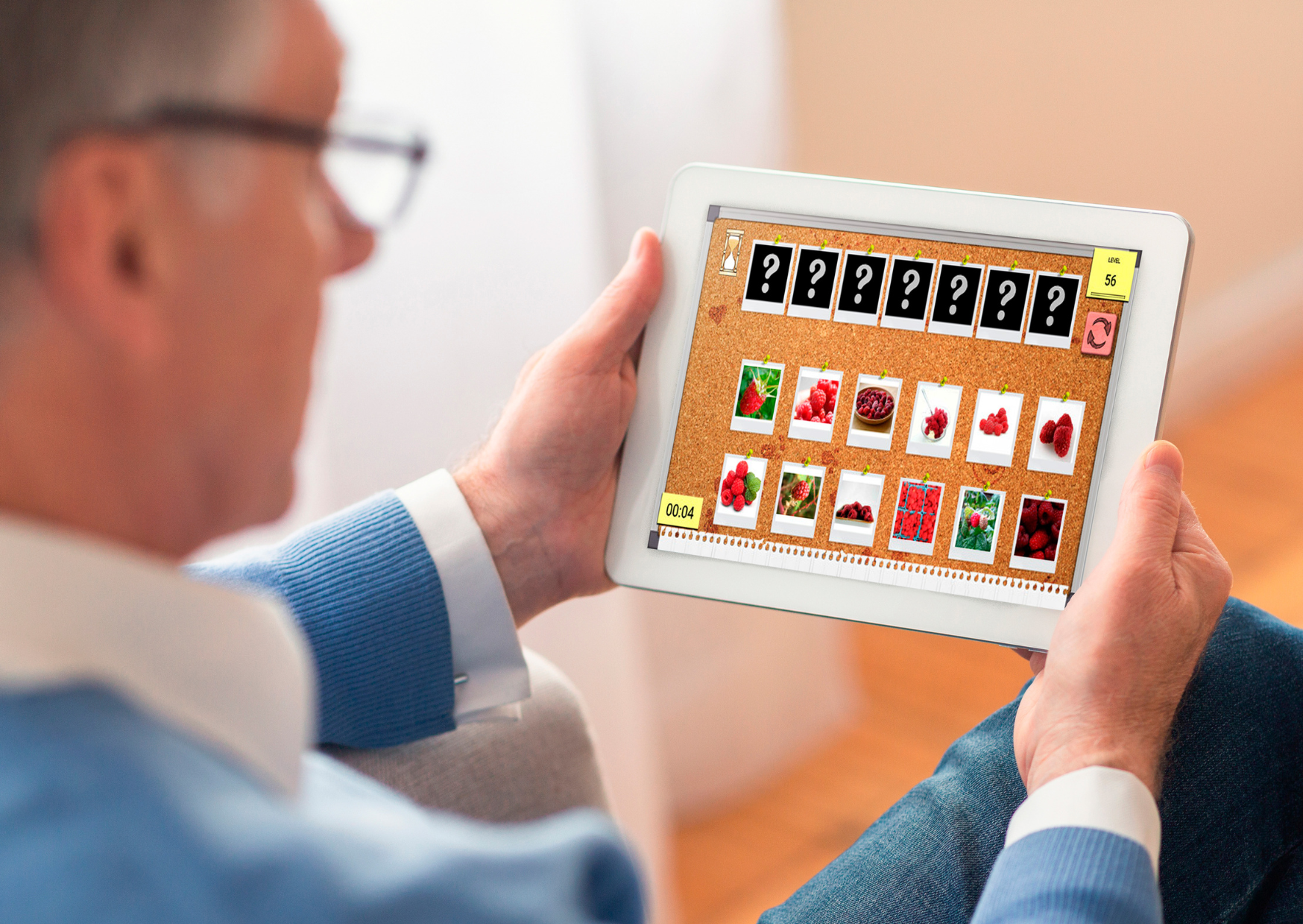
Supervised digital cognitive rehabilitation
Clinician-adapted digital cognitive rehabilitation programs for use in clinical settings.
Conclusion
A useful digital platform for hospital-based occupational therapy must be clinically oriented, adaptable, and provide relevant information to improve treatment outcomes. Virtual reality and digital cognitive stimulation can greatly enhance therapy, but their value depends on how they are integrated into specific functional, cognitive, and occupational goals.
En un entorno hospitalario, la mejor tecnología no es la más llamativa, sino la que ayuda al terapeuta ocupacional a trabajar con más precisión, más flexibilidad y más utilidad clínica.