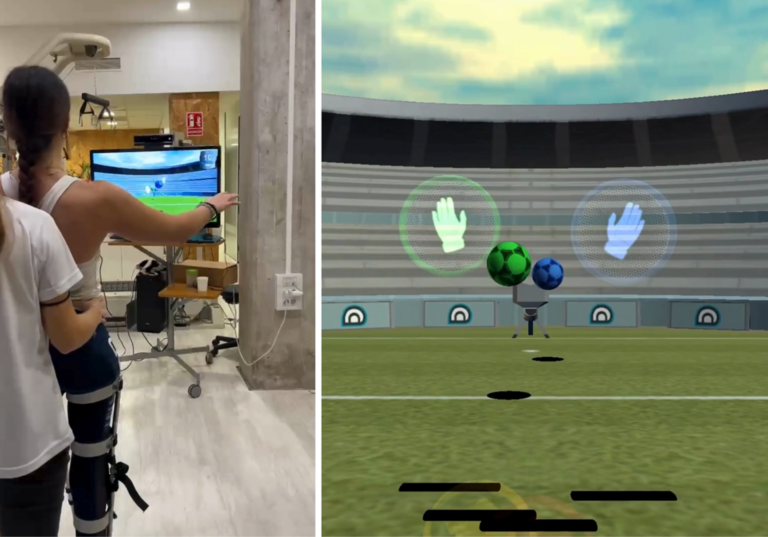
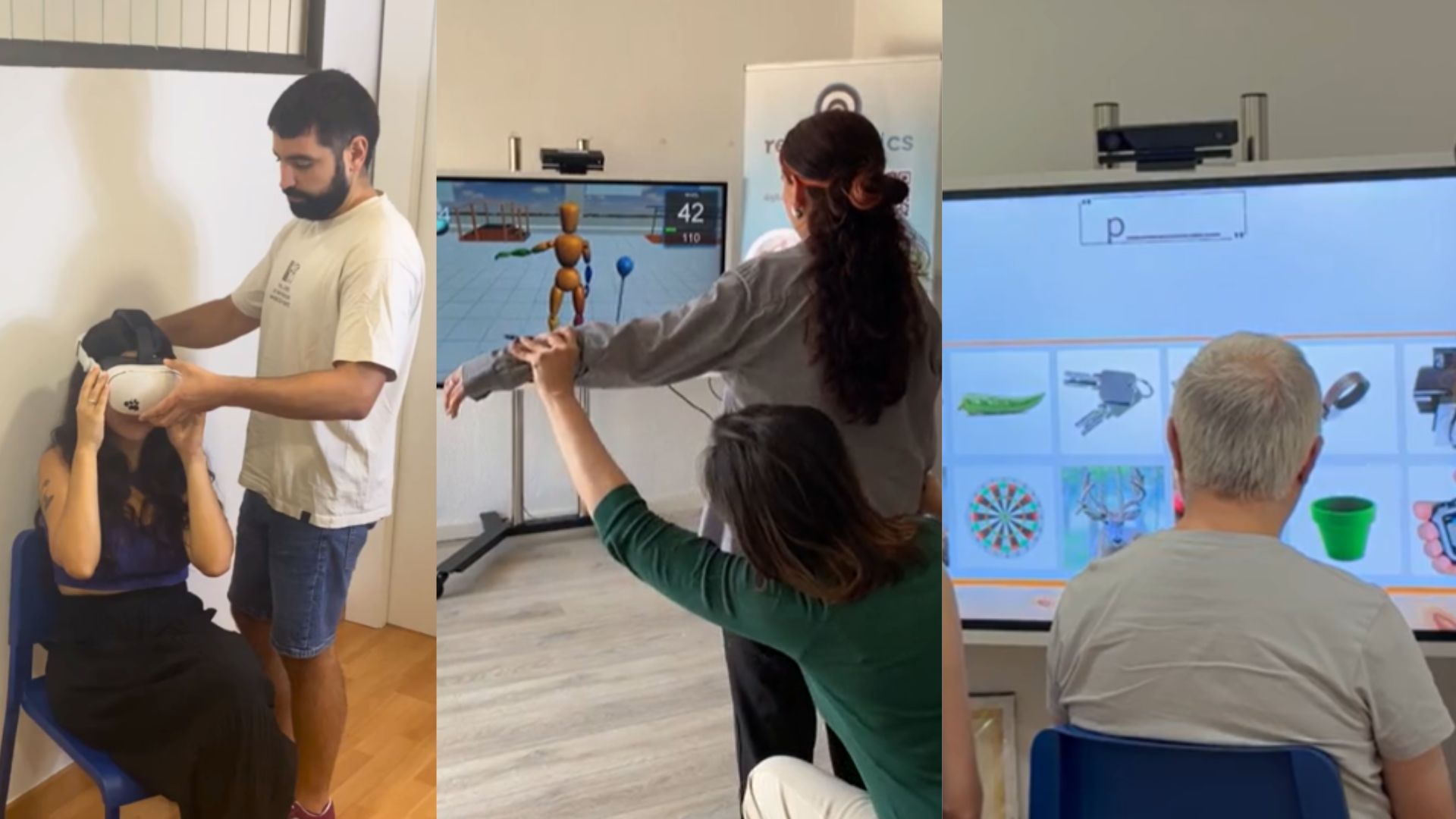
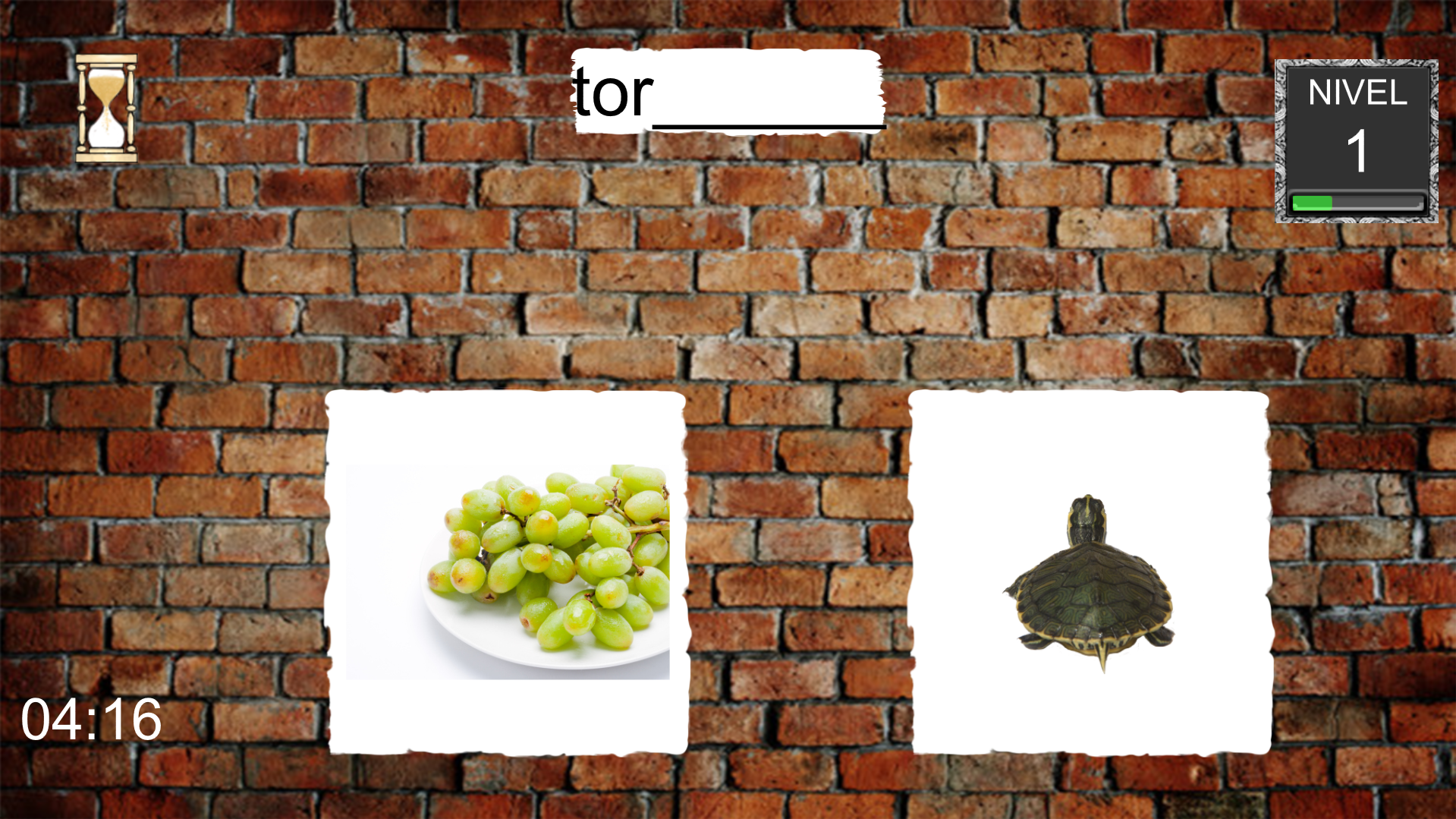
For Dr. Ruth Izquierdo as a physiotherapist specialising in neurorehabilitation, the most valuable thing about the use of virtual reality in the clinic is simple but powerful: the patient has a good time… and works without realising it. For her, Rehametrics represents a virtual reality that motivates the patient and removes barriers in therapy, allowing them to overcome physical and emotional blocks in a natural way.
“At first, some people are a little scared, but they soon get hooked,” he says. The visual component, the dynamic of the games and the possibility of competing in a ranking make even the most insecure patients end up breaking their own limits. “I have patients who were afraid to work on the mat, and thanks to Rehametrics they have done it without realizing it. They see their avatar in another environment and forget the fear.”
This change in mindset turns sessions into motivating experiences, which not only improves adherence, but also results. Ruth says this allows practitioners to be more effective and make faster progress towards therapeutic goals.
Simple, patient-centred technology
Rehametrics is suitable for all types of neurological patients: from people with multiple sclerosis, stroke or Parkinson’s disease, to elderly patients with mild dementia or infantile cerebral palsy. “Even people over 85 years old, who have never touched a console, understand perfectly well how it works. You give them a few guidelines and they’re hooked.”
On the technical use of the tool, she highlights its ease of use: “With the initial instructions, it is all very intuitive. The configuration of the sessions is simple and allows you to focus on what is important: the patient”.
Types of virtual reality
Semi-immersive virtual reality
A motion sensor captures the movements of the patient, while the patient is seen on the screen and performs different exercises and games.
Immersive virtual reality
With a virtual reality headset, the patient experiences first-hand a virtual world in which he or she has to perform different tasks.
Ruth’s experience confirms that technology is not an obstacle, but an ally. A tool that transforms fear into motivation and turns rehabilitation into something that patients look forward to. A true virtual reality that motivates patients, from the first contact to the achievement of their therapeutic goals.
The Future of Rehabilitation with Virtual Reality
As technology continues to advance, virtual reality promises to be an integral part of therapeutic techniques. With benefits such as treatment gamification and remote access, this technology not only improves clinical outcomes, but also optimizes the patient and practitioner experience.
At Rehametrics, we are committed to developing solutions that empower the work of healthcare professionals and transform the way patients experience their rehabilitation process. If you haven’t yet explored how virtual reality can enhance your practice, now is the time to take the leap into the future of rehabilitation.