
Processing speed exercises in cognitive rehabilitation: what the evidence shows about digital training
Slowed processing appears after a stroke, a traumatic brain injury, multiple sclerosis or Parkinson's disease, and it shapes a good part of what gets worked on afterwards in the clinic. Studies from recent years leave favourable results in some profiles and more modest ones when it comes to transfer into everyday life, and knowing how that splits helps in deciding which processing speed exercises make sense in each case.
What processing speed means and which profiles it weighs on most
Processing speed describes how quickly a person takes in a piece of information, interprets it and responds to it. Each study measures it with different tests: the Symbol Digit Modalities Test, the Coding and Symbol Search subtests of the Wechsler scale, or useful field of view tasks such as the UFOV. That is why two papers talking about "speed" are not always comparing the same thing, and it is worth looking at which test sits behind each result.
Its clinical importance comes from the fact that other functions depend on it. Attention that holds well but arrives late, memory that registers less because the material goes past too fast, or a conversation that moves more quickly than the person can follow may all have a reduced processing rate behind them. A meta-analysis published in the Journal of Neuroscience Nursing in 2021 estimated that speed deficits affect 21% of patients with mild traumatic brain injury in the acute phase and 17% in the subacute phase, and 57% in the chronic phase after a moderate or severe injury. The figures shift between studies depending on the tests and the criteria, so they serve as an order of magnitude rather than as a percentage to apply to any individual patient.
In multiple sclerosis, Parkinson's disease, stroke and ageing it is also frequently described, though with very different profiles from one person to the next. We have already published an introduction to the use of technology in this domain, and this article reviews what research has added since. Anyone also working on attention can look at the divided attention exercises, a neighbouring area.
What the recent reviews and trials show
The strongest body of work comes from multiple sclerosis. A 2025 meta-analysis in Multiple Sclerosis and Related Disorders brought together 19 studies with 725 participants and found a positive effect of computerised cognitive training on processing speed (standardised mean difference 0.49; 95% CI 0.32 to 0.66), with the quality of evidence rated as high for that domain. The authors found no significant effect on attention or on executive functions, a reminder that each domain responds differently.
A randomised trial with 60 people with multiple sclerosis and impaired speed, published by Goverover and colleagues in Archives of Physical Medicine and Rehabilitation (2023), compared ten sessions of visual speed training with an active control group. The trained group improved on the total score of a timed test of activities of daily living and on two of its subtests, while quality of life, mood and self-reported function did not change. If this profile is of interest, we have an article on cognitive rehabilitation in multiple sclerosis.
In Parkinson's disease, a review in Ageing Research Reviews (2022) covering 17 studies and 679 participants without dementia found a small effect on global cognitive function (g = 0.16) and a larger effect on clinical measures of global cognition (g = 0.33 across ten trials), with no significant differences between home-based and supervised training.
And in older adults, a systematic review published in GeroScience in 2026 on touchscreen cognitive training (34 studies, 3,011 participants) described a significant effect on global cognition, short-term and working memory, processing speed, attention and flexibility. Its authors call for more homogeneous studies, something that recurs across almost all of this literature.
Where the results are more modest, and what the guidelines say
A review in JMIR Serious Games (2022) on serious games and processing speed in older adults with cognitive impairment included 16 trials and found no superiority over no intervention or over conventional exercise, with very low quality evidence. Its authors propose treating these games as a complement to other interventions and call for trials aimed specifically at speed.
In moderate to severe traumatic brain injury, a trial with 46 participants (Frontiers in Neurology, 2024) found improvements on the task closest to the one trained (UFOV), but not on neuropsychological tests of speed, nor at six months. A later pilot trial with 34 people (Neuropsychological Rehabilitation, 2026) likewise found no differences in the performance of everyday activities, and its authors suggest exploring integrated approaches that favour generalisation.
The INCOG 2.0 guideline on attention and processing speed after traumatic brain injury (27 studies, 11 recommendations) points the same way. It advises against isolated practice on decontextualised computer tasks for want of evidence of generalisation, and notes that training directly on activities of daily living, including dual tasks, can produce improvements in those same tasks. Read practically, that places processing speed exercises inside a session rather than as a session in themselves.
Each team weighs these data against what it observes in its own patients. Whether a training programme improves the trained task and the measures closest to it, and whether its effect reaches everyday life, are separate questions, and the studies answer them differently depending on the population.
How processing speed exercises are set up in the session
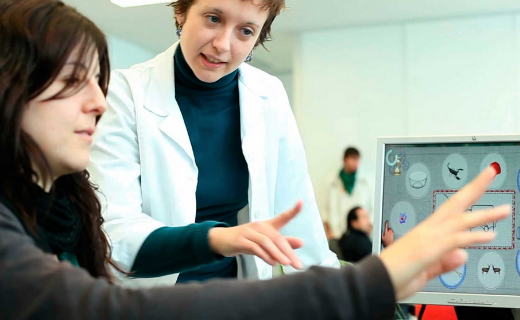
In Rehametrics Cognitive, processing speed is one of the module's domains, alongside attention, memory, working memory, language and executive functions, and the reports give it a section of its own. The session can be run with the professional alongside and each person on their own tablet, or in a group, with the therapist guiding the activity from a screen or an interactive whiteboard.
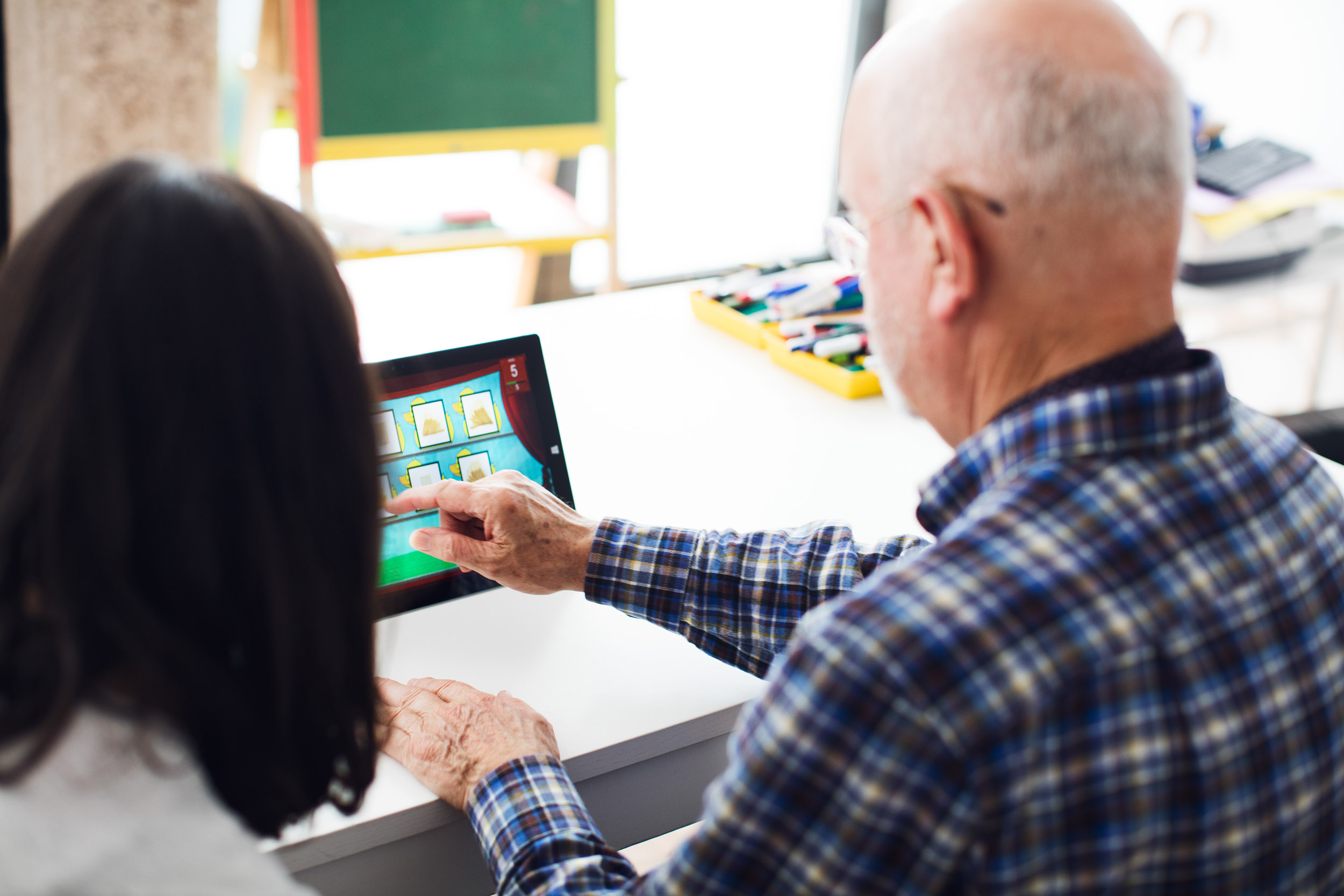
For each exercise, the correct answers, the errors (classified by type of stimulus and number of distractors) and the response time are all recorded, and the difficulty level adjusts automatically to how the person is performing. Taken together, that is what makes it possible to read response time with caution: a faster answer only counts as progress when accuracy holds, because speed is sometimes gained at the cost of precision.

The printable reports gather progress between sessions, which gives the professional a comparable figure for their own assessment and for explaining progress to the patient or the family. The automatic neuropsychological report shows how it is presented. Which processing speed exercises to include, how often and in what order still depends on the profile and on how each team works, and the platform neither diagnoses nor replaces neuropsychological assessment.
Speed away from the screen: everyday tasks and dual tasking
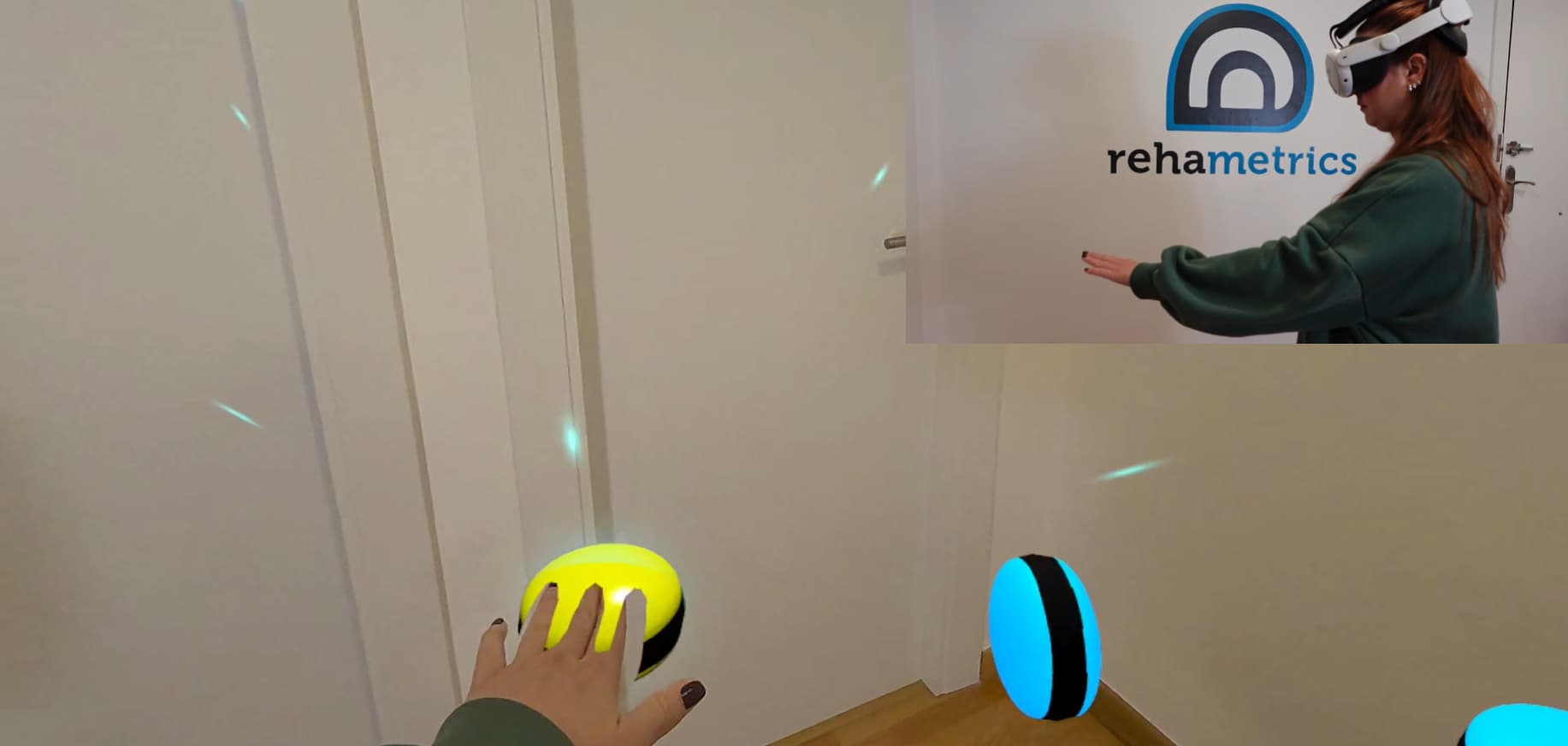
If the INCOG guideline places the most likely gain in tasks that resemble everyday life, it matters that the session can include them. Rehametrics VR, the headset module with more than 70 physical and cognitive activities, offers timed options such as cooking from a recipe with a timer and doing the shopping with a list, as well as reaction tasks with coloured lights. The therapist sees what is happening in the session from the computer and decides how much help to give at each moment.
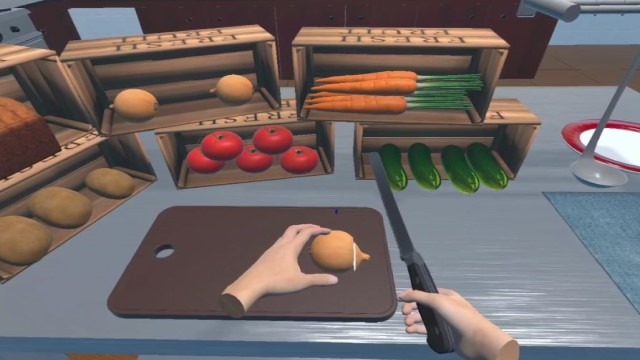
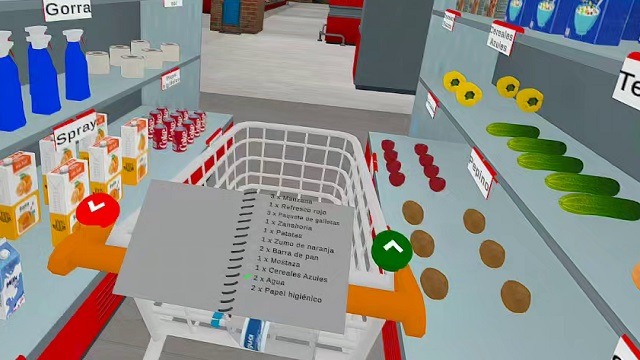
Dual tasking, which adds a second cognitive or motor demand while the first is being solved, is another way of testing the rate of processing in real situations. The virtual reality dual tasks show how they look inside the programme.
The studies cited in this article do not evaluate these specific Rehametrics activities, so on their own they cannot support a transfer effect. What they offer is the framework that current guidelines give to practice.
Rehametrics' role
Rehametrics Cognitive brings together more than 190 exercises, among them the processing speed exercises described above, and is used by more than 75 nursing homes in Spain, as well as by neuropsychology clinics. Rehametrics VR takes the task into everyday situations with a headset, and the reports from both modules keep a record of progress session by session. All of it is put at the service of the professional's judgement, which decides which domain to work on, with whom and when.
Modules for working on processing speed exercises
Exercises with every response recorded
More than 190 exercises on a tablet or interactive whiteboard, with difficulty that adjusts itself and a record of correct answers, errors and response time.
View module →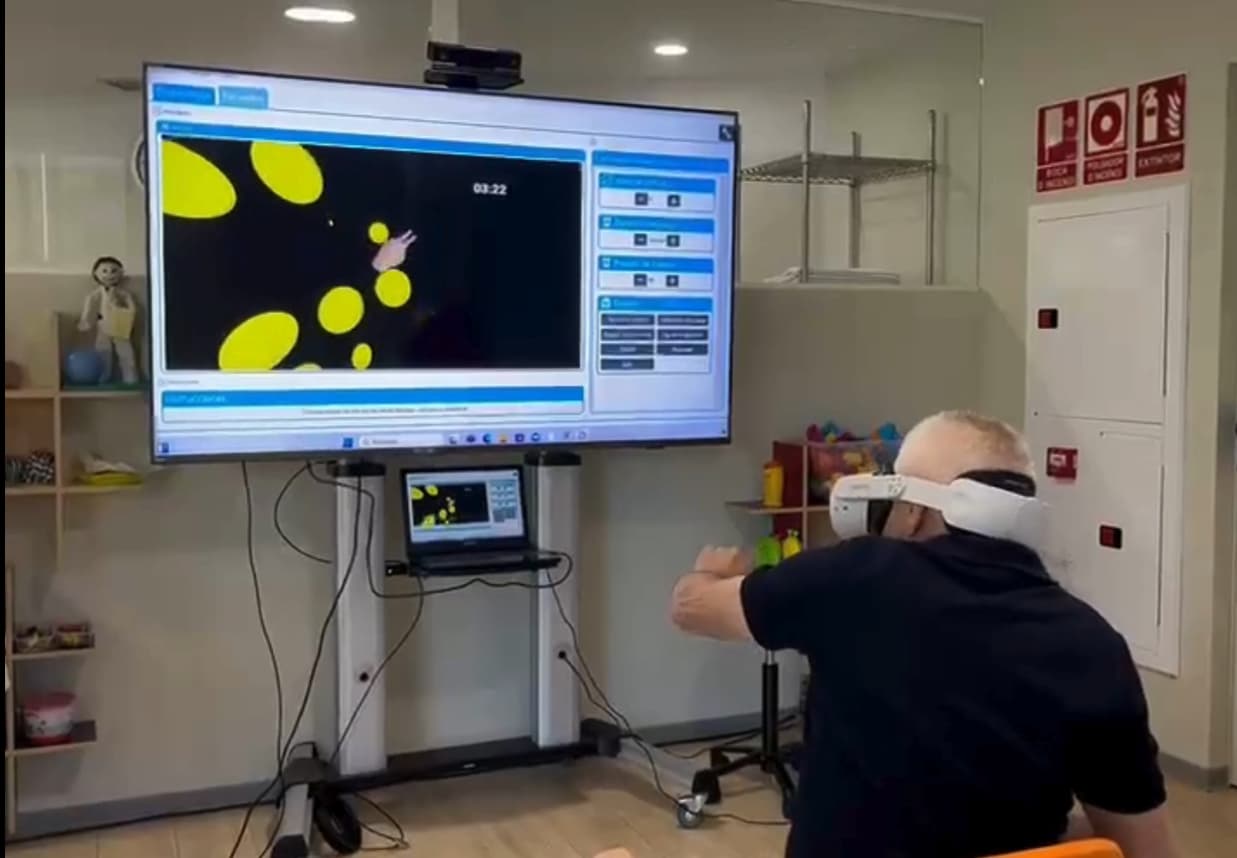
Timed everyday tasks
More than 70 physical and cognitive activities with a headset, with everyday-life situations and dual tasks.
View module →
Progress between sessions
Printable reports showing progress, to assess how someone is doing and share it with the patient and their family.
View reports →Frequently asked questions
What is the difference between processing speed and reaction time?
Reaction time measures how quickly someone responds to a simple stimulus, whereas processing speed usually involves more complex tasks of comparing, searching or deciding. The studies cited here assess it with different tests, such as the Symbol Digit Modalities Test, Coding, Symbol Search or the UFOV, which is why their results are not always comparable with one another.
Does digital speed training work in every profile?
Results depend on the population. The most favourable meta-analyses come from multiple sclerosis, with effects also described in Parkinson's and in older adults, while trials in traumatic brain injury show improvements on the trained task with less clear transfer. The choice in each case rests with the professional who knows the patient.
How should a shorter response time in an exercise be interpreted?
A shorter time is informative when accuracy holds, since a person may answer sooner at the cost of making more mistakes. That is why the Rehametrics report puts correct answers, errors and response time together, and the professional reads all three as a whole.
Does Rehametrics Cognitive diagnose slowed processing?
The module offers exercises in the domain and records how the person responds, but it does not diagnose and does not replace a neuropsychological assessment. Its data complement the assessment the team already carries out.
Can processing speed exercises be done in a group?
Yes, with several people at once, each on their own tablet, or in a group session that the therapist guides from a screen or an interactive whiteboard. It is a common way of using it in nursing homes and day centres.
Want to see it with your own patients?
We will show you how processing speed is worked on in a session with Rehametrics Cognitive and Rehametrics VR, with real examples of exercises and reports.