Training sustained attention in the subacute phase following brain injury requires more than simply selecting general cognitive exercises. In a hospital setting, the effectiveness of the intervention depends largely on how the tasks are designed: their duration, intensity, structure, and ability to adapt to the patient’s fluctuating condition.
A poorly designed task—one that is too long, complex, or poorly structured—not only reduces performance but can also lead to early fatigue and limit learning. Conversely, a well-designed task helps sustain attentional engagement, improves task tolerance, and facilitates realistic therapeutic progress.
This article discusses the clinical principles for designing sustained attention tasks for hospitalized patients in the subacute phase, with a particular focus on operational variables and decisions applicable in clinical practice.
What defines effective sustained care in the subacute phase
Structural simplicity
At this stage, tasks should have a clear and predictable structure. The patient should not have to expend cognitive resources on understanding the task, but rather on performing it.
This means:
- Simple instructions
- Consistent rules
- Low ambiguity in the response
Unnecessary complexity acts as a distraction and reduces the ability to sustain attention over time.
Controlled repetition
Sustained attention is developed through repetition. However, this does not mean repeating things indiscriminately, but rather maintaining a balance between:
- Consistency of the stimulus
- Enough variability to prevent habituation
Structured repetition helps stabilize performance, especially in patients with high variability.
Key variables in task design in a hospital setting
Optimal task duration
During the subacute phase, the duration should be adjusted to the patient’s attention span, which is usually limited.
- Early stages: 3–5-minute tasks
- Progression: gradual increase based on tolerance
Exceeding this threshold usually results in a decline in performance rather than a therapeutic benefit.
A multidisciplinary approach through three treatment modules
Address physical, cognitive, and occupational rehabilitation from a single, integrated solution.
The modules can be used independently or simultaneously by different members of the clinical team.
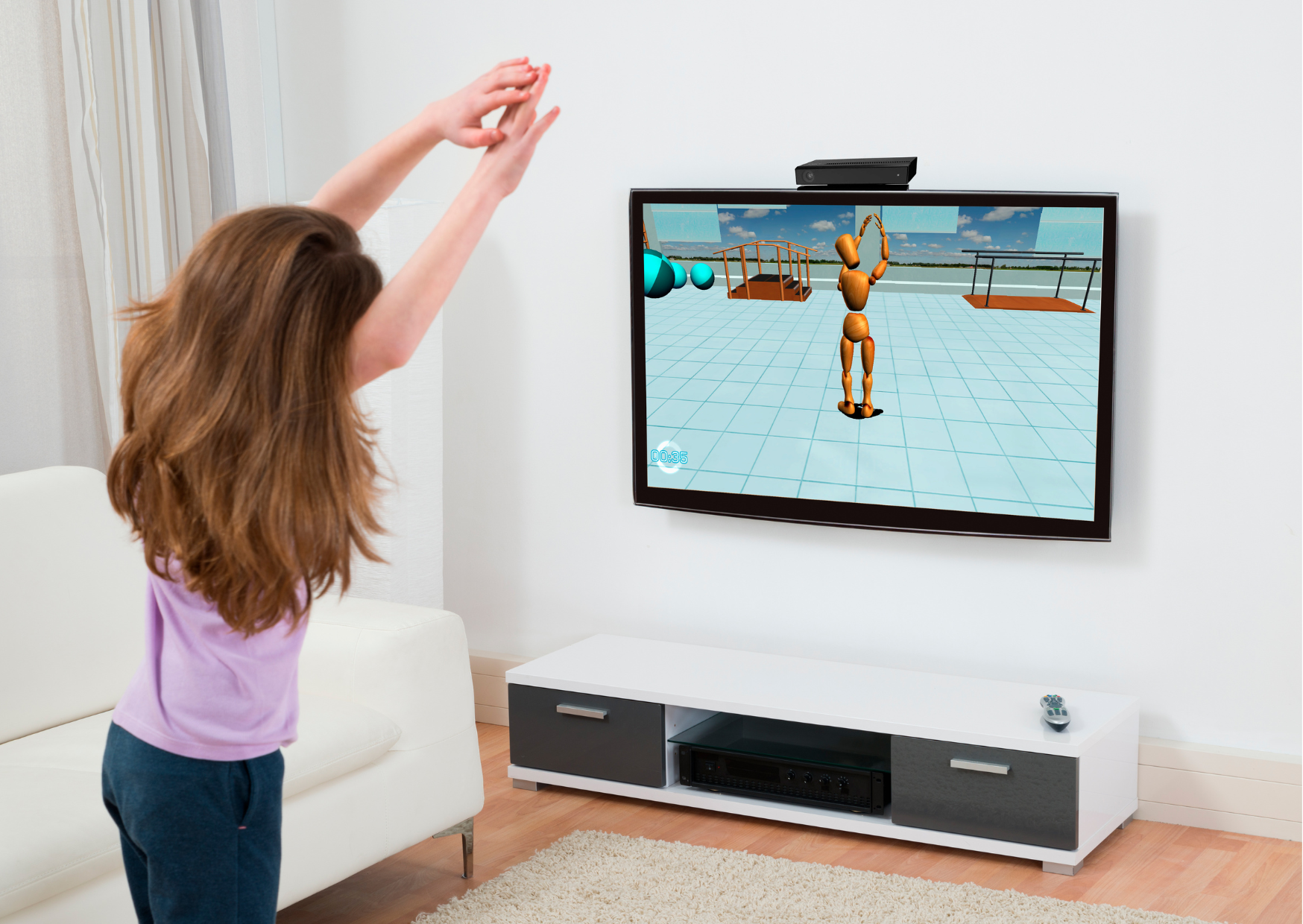
Digital support for neurological physiotherapy
Functional exercises oriented toward movement recovery.
Virtual rehabilitation as a therapeutic support tool
Functional intervention targeting motor and cognitive recovery
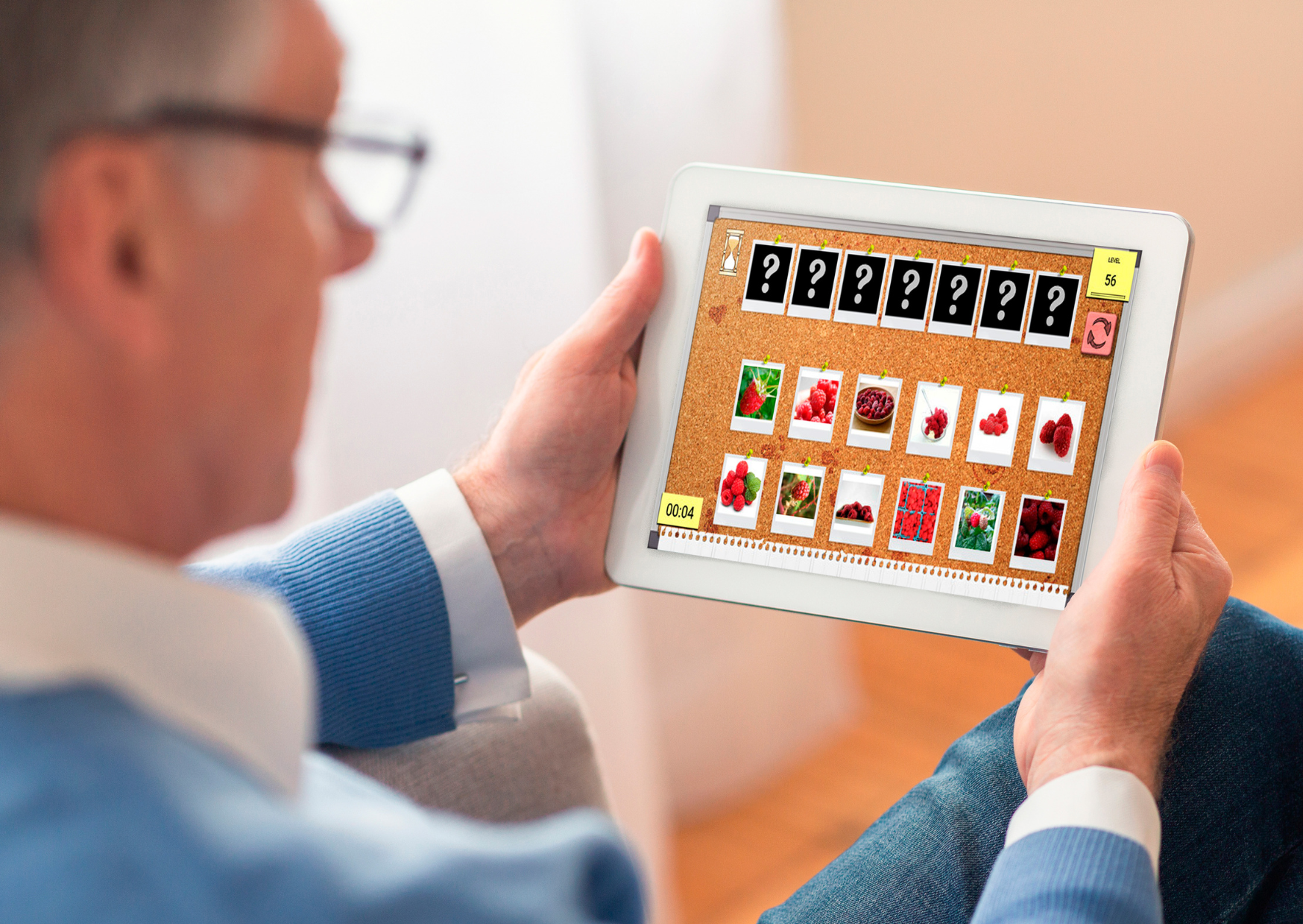
Supervised digital cognitive rehabilitation
Clinician-adapted digital cognitive rehabilitation programs for use in clinical settings.
Rest breaks
Including breaks is not optional; it is part of the therapeutic design.
- Short breaks between sets
- Assess the patient’s condition before resuming
Taking a break allows you to recharge your attention span and prevent accumulated fatigue.
Daily frequency
In a hospital setting, it is more effective to spread the workload across several short sessions throughout the day rather than concentrating it into a single session.
This allows you to:
- Ensure higher quality of execution
- Increase the total therapeutic dose
- Adapting to daily fluctuations
Control of stimuli and the environment
Minimizing distractors
The hospital environment contains numerous sources of interference: noise, healthcare staff, and medical devices. Although it is not always possible to eliminate them, the task design must account for this reality.
Helpful strategies:
- Clear, isolated visual stimuli
- A steady pace of presentations
- Elimination of irrelevant elements
Consistency of the format
Frequent changes to the task format (stimulus type, rules, interface) increase the cognitive load. Maintaining a consistent format makes it easier for the patient to focus their attention on sustained attention.
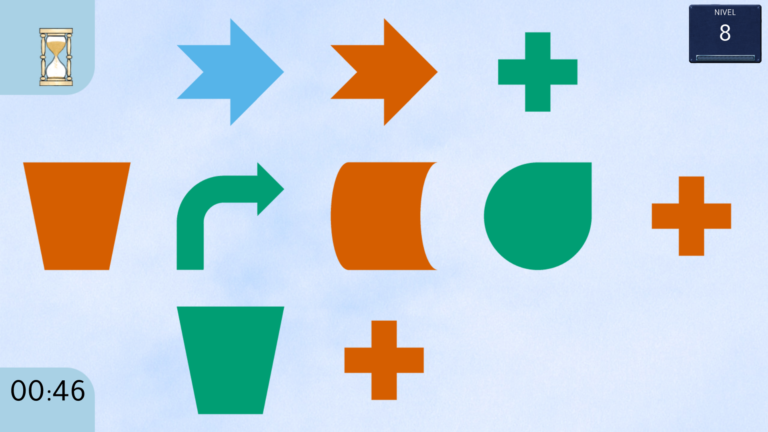
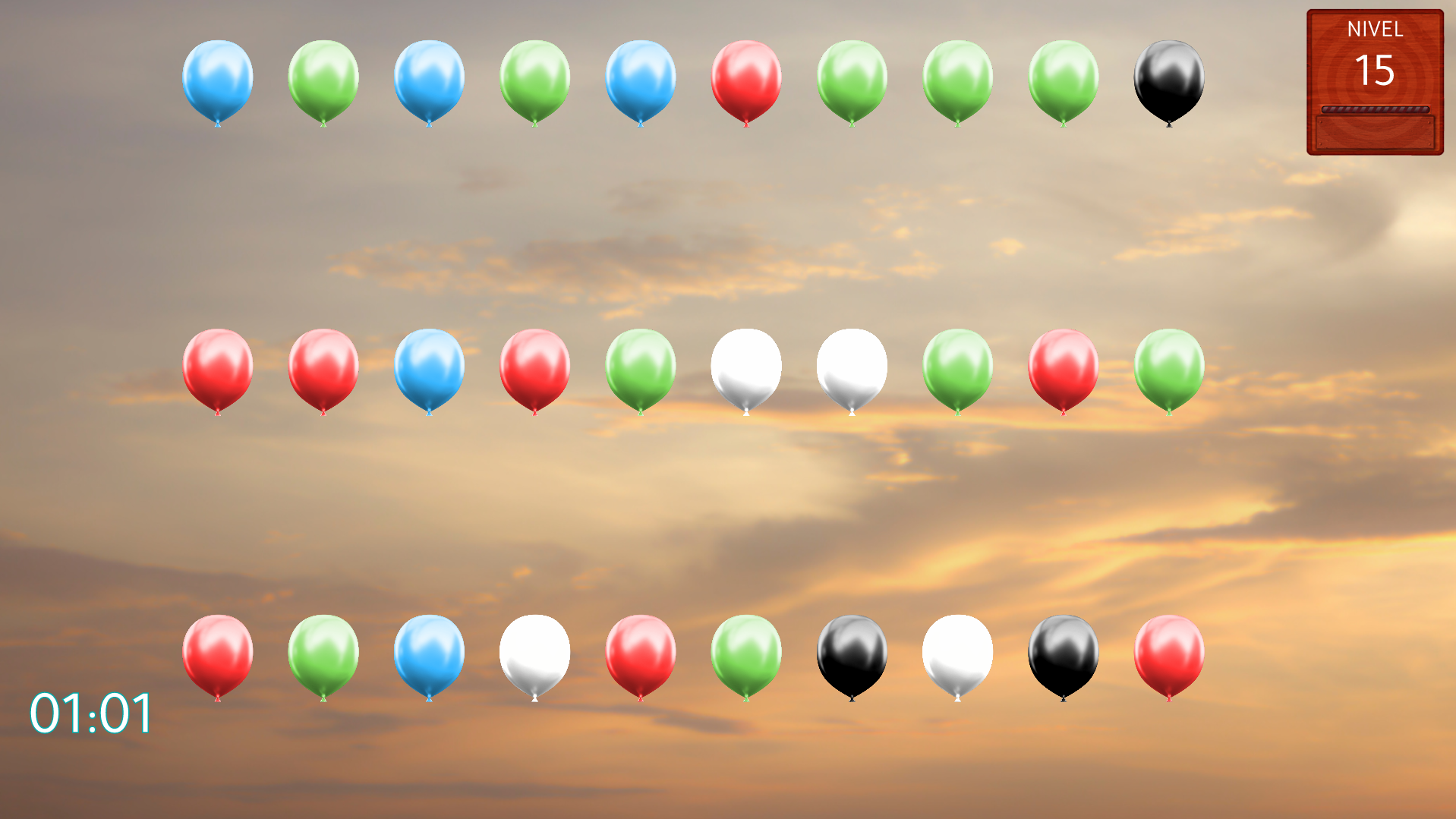
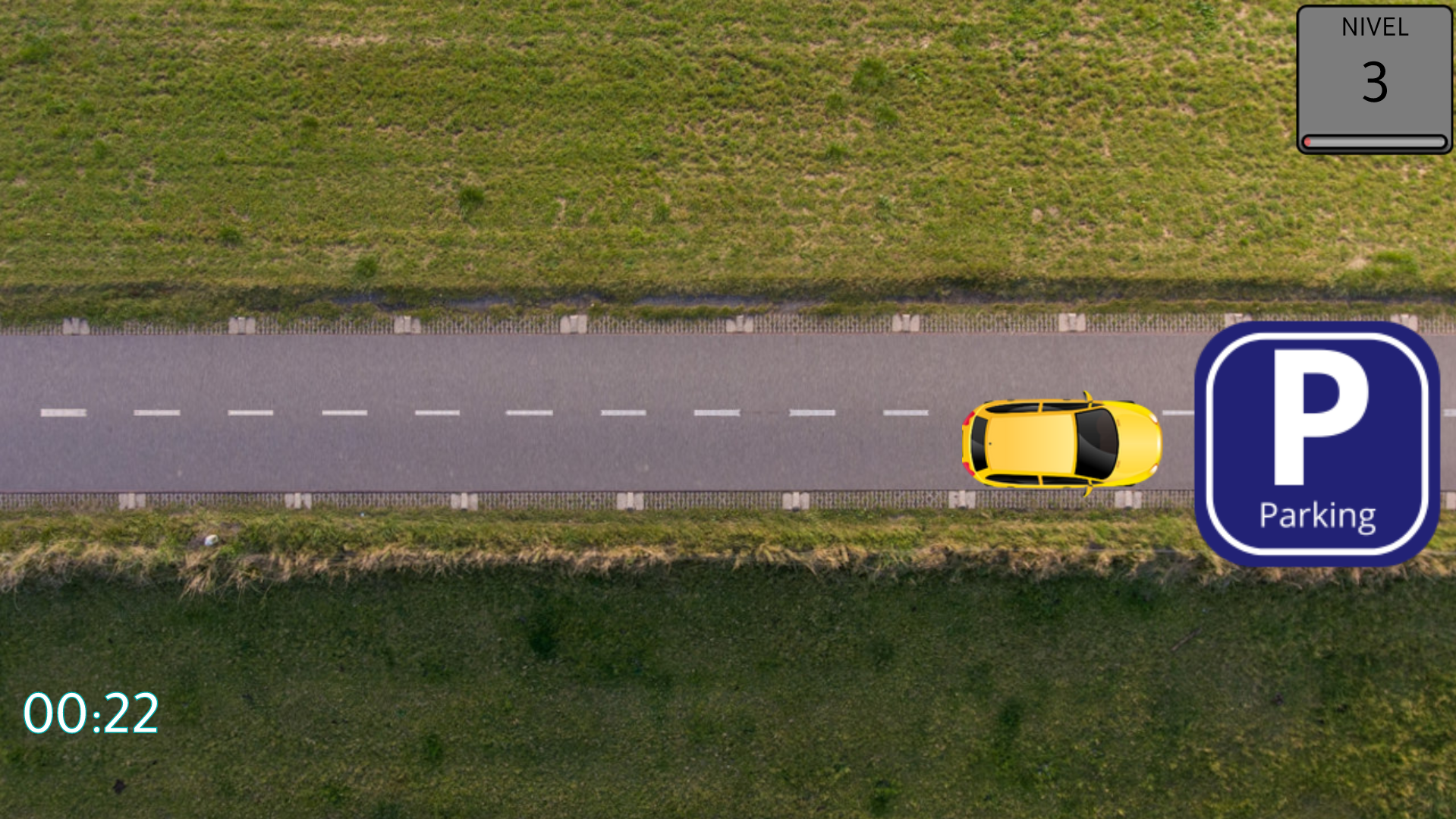
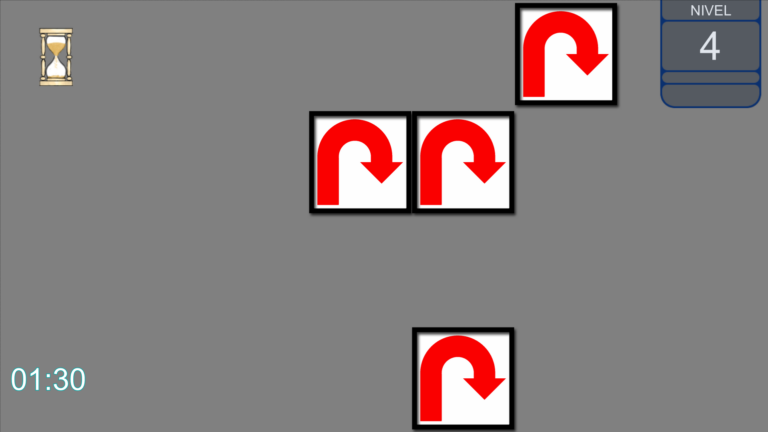
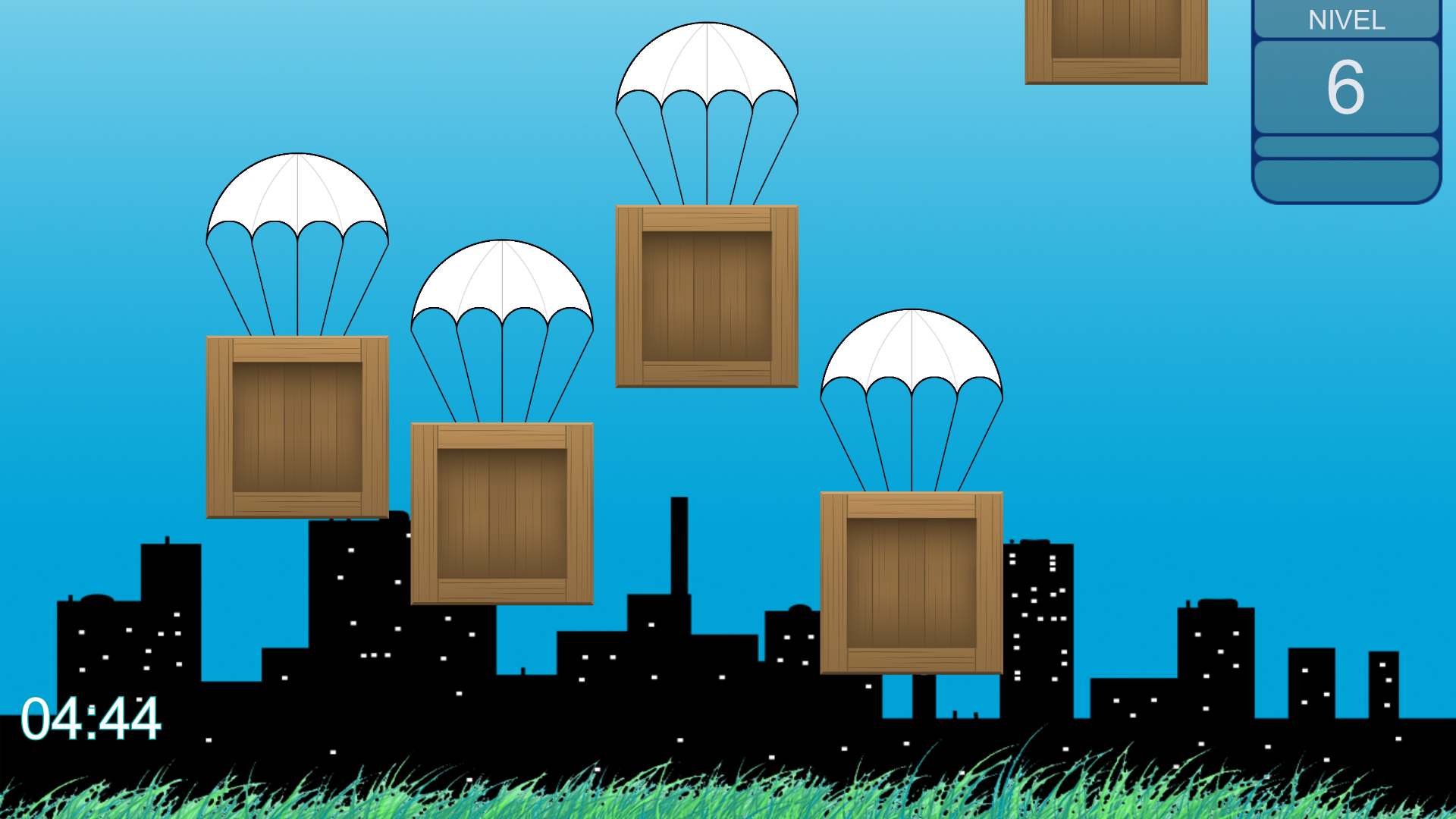
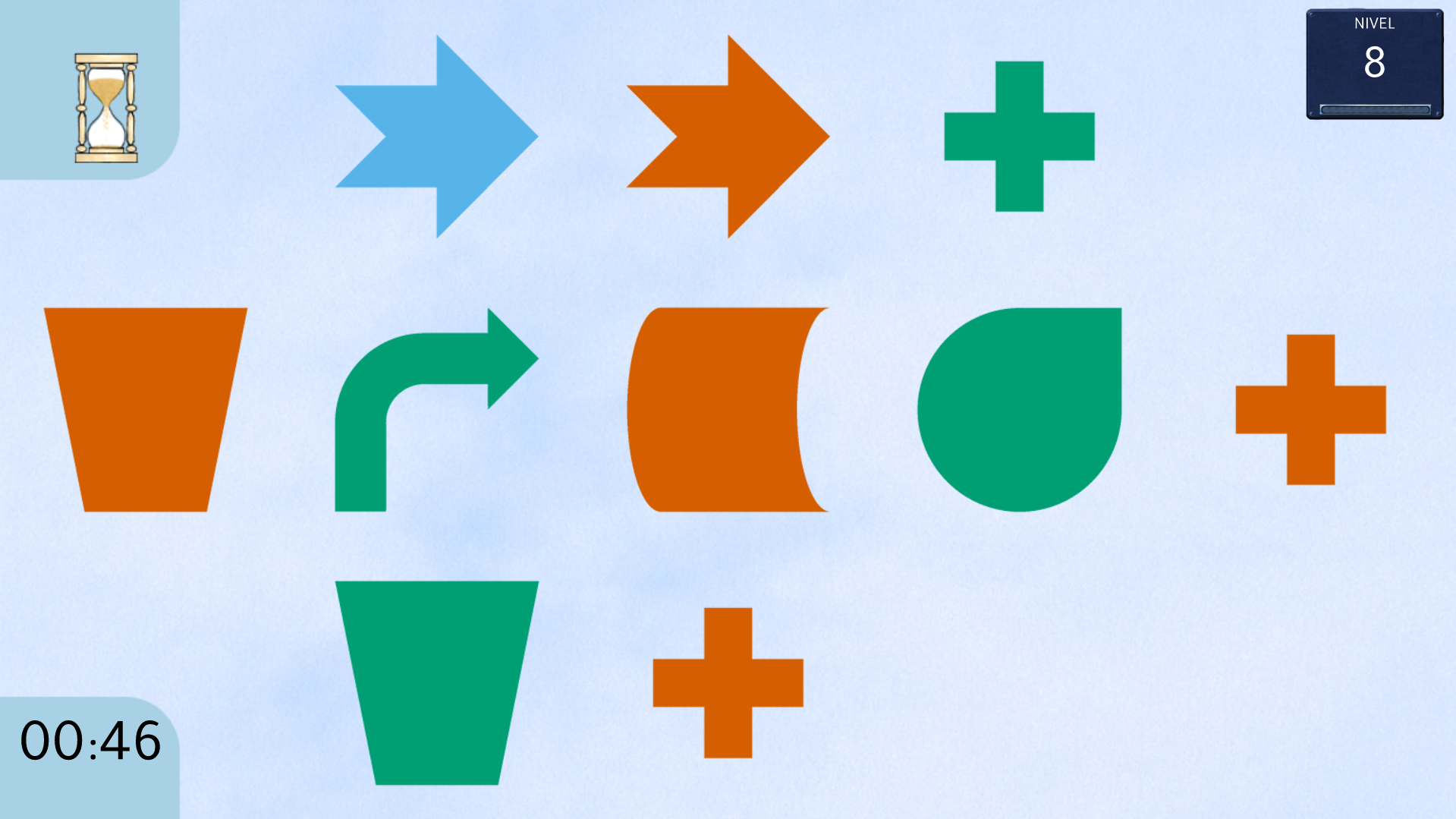
Examples of sustained attention tasks using Rehametrics
Realistic treatment progression
Increased duration
The most basic and effective approach involves gradually increasing the amount of time during which the patient is able to maintain attention without a significant decline in performance.
Increased demand for care
Once the duration has been established, variations can be introduced:
- Higher stimulus density
- Increased presentation speed
- Introduction of controlled irrelevant stimuli
Progression should always be based on performance, not rigidly predetermined.
The Use of Digital Platforms in Task Design
Digital tools allow these principles to be applied with greater precision than traditional methods.
Task Settings
You can define specific parameters:
- Exact duration
- Stimulus frequency
- Type of response required
This facilitates a more standardized and reproducible procedure.
Quick adjustment by the clinician
In the subacute phase, when the patient’s condition can change from one day to the next, the ability to adapt the treatment plan immediately is crucial.
Platforms like Rehametrics allow you to tailor treatment based on observed performance, without having to manually redesign each exercise.
Common errors in the hospital setting
Tasks that take too long
Attempting to prolong the duration beyond the patient’s capacity often results in:
- Drop in performance
- Increase in errors
- Early onset of fatigue
Excessive complexity
Introducing multiple simultaneous cognitive demands (memory, decision-making, inhibition) interferes with the primary goal: sustaining attention.
Lack of individual adjustment
Applying the same treatment to all patients without making adjustments reduces therapeutic effectiveness and hinders progress.
Practical conclusions
The design of sustained care tasks for hospitalized patients in the subacute phase is a clinical process that requires precision and constant adaptation.
Key elements include:
- Simple, structured tasks
- Duration adjusted to tolerance
- High intensity with adequate rest periods
- Performance-based promotion
The use of digital tools makes it possible to implement these principles more efficiently, thereby improving the quality and intensity of the intervention in an environment with clear structural limitations.