
Neuropsychological intervention in traumatic brain injury (TBI): clinical approach and digital tools in neurorehabilitation
Traumatic brain injury (TBI) is one of the leading causes of acquired neurological disability, with a particularly significant impact on cognitive and behavioural functioning. In clinical practice, these impairments are often more limiting than motor sequelae, affecting the patient’s independence and reintegration.
The high heterogeneity of TBI requires an individualized approach. In this context, neuropsychological intervention not only aims to improve cognitive performance, but to optimize functionality through strategies tailored to the patient’s profile.
Table of contents
Neuropsychological Profile Following TBI
TCE usually involves impairments affecting several different areas. Attention deficits and slowness in processing of information have an impact in a16> across the board on performance. Deficits in memory, particularly in encoding and retrieval, are common and influence the acquisition of new learning.
Executive functions represent one of the most functionally relevant domains. Difficulties in planning, inhibition, or cognitive flexibility directly impact patient autonomy, even in seemingly simple tasks.
At the behavioural level, impulsivity, apathy or lack of awareness of the deficit may interfere significantly with the rehabilitation process and with adherence to treatment.
Clinical principles of the intervention
The intervention should combine rehabilitation strategies with compensatory approaches, tailored to the patient’s profile. The primary objective is functional: to improve the patient’s ability to cope with daily life, not merely their performance in structured tasks.
Therapeutic intensity and repetition are key elements, although they must be balanced against cognitive fatigue. Furthermore, the intervention should be designed to promote generalisation, incorporating relevant tasks and real-life contexts.
Assessment and planning of treatment
A neuropsychological assessment helps to identify the patient’s cognitive profile and establish treatment priorities. It is not simply a matter of measuring deficits, but of determining which functions are limiting the patient’s daily life.
The combined use of standardised tests and ecological assessment provides a more comprehensive picture. Continuous monitoring of performance is essential for adjusting the intervention and optimising outcomes.
Cognitive intervention: key areas
Interventions targeting attention, memory and processing speed are usually structured progressively, with the complexity and demands of the task increasing gradually. In the case of memory, training in encoding strategies and the use of external aids are particularly important.
The rehabilitation of executive functions requires a more context-based approach, centred on problem-solving, activity planning and metacognitive training. This type of intervention has a direct impact on functional ability, but also requires greater patient involvement.
Therapeutic strategies in clinical practice
In practice, the intervention combines structured cognitive training with compensatory strategies. Errorless learning is useful in patients with impairments of memory, whilst external aids enable improvements in a16> aids external enable improvements in independence in day-to-day life.
Interventions focused on functional tasks are key to promoting transfer, integrating cognitive work into meaningful activities.
A multidisciplinary approach across three treatment modules
Addressing physical, cognitive, and occupational rehabilitation from a single integrated solution.
The modules can be used independently or simultaneously by different members of the clinical team.
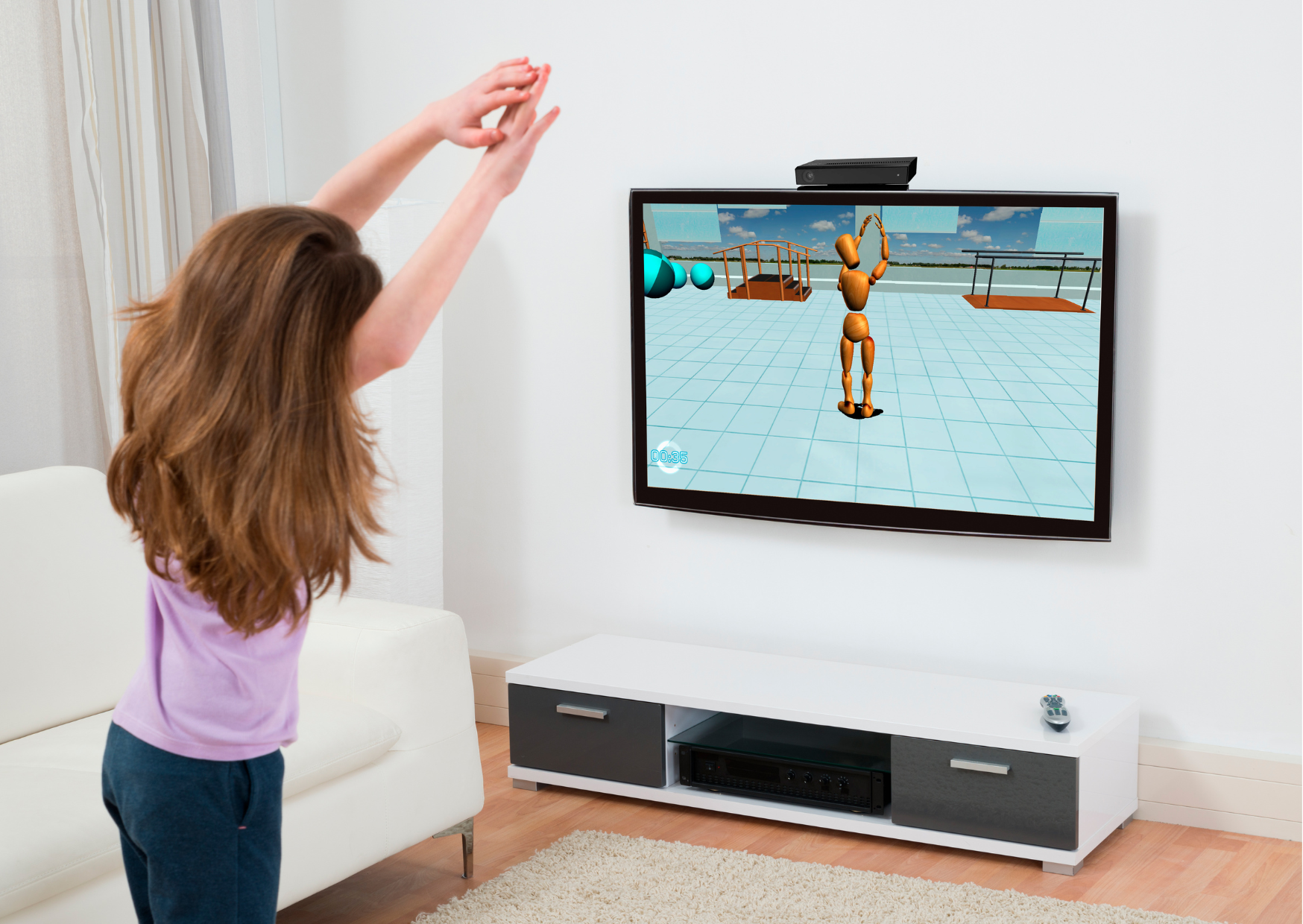
Digital support for neurological physiotherapy
Functional exercises oriented toward movement recovery.
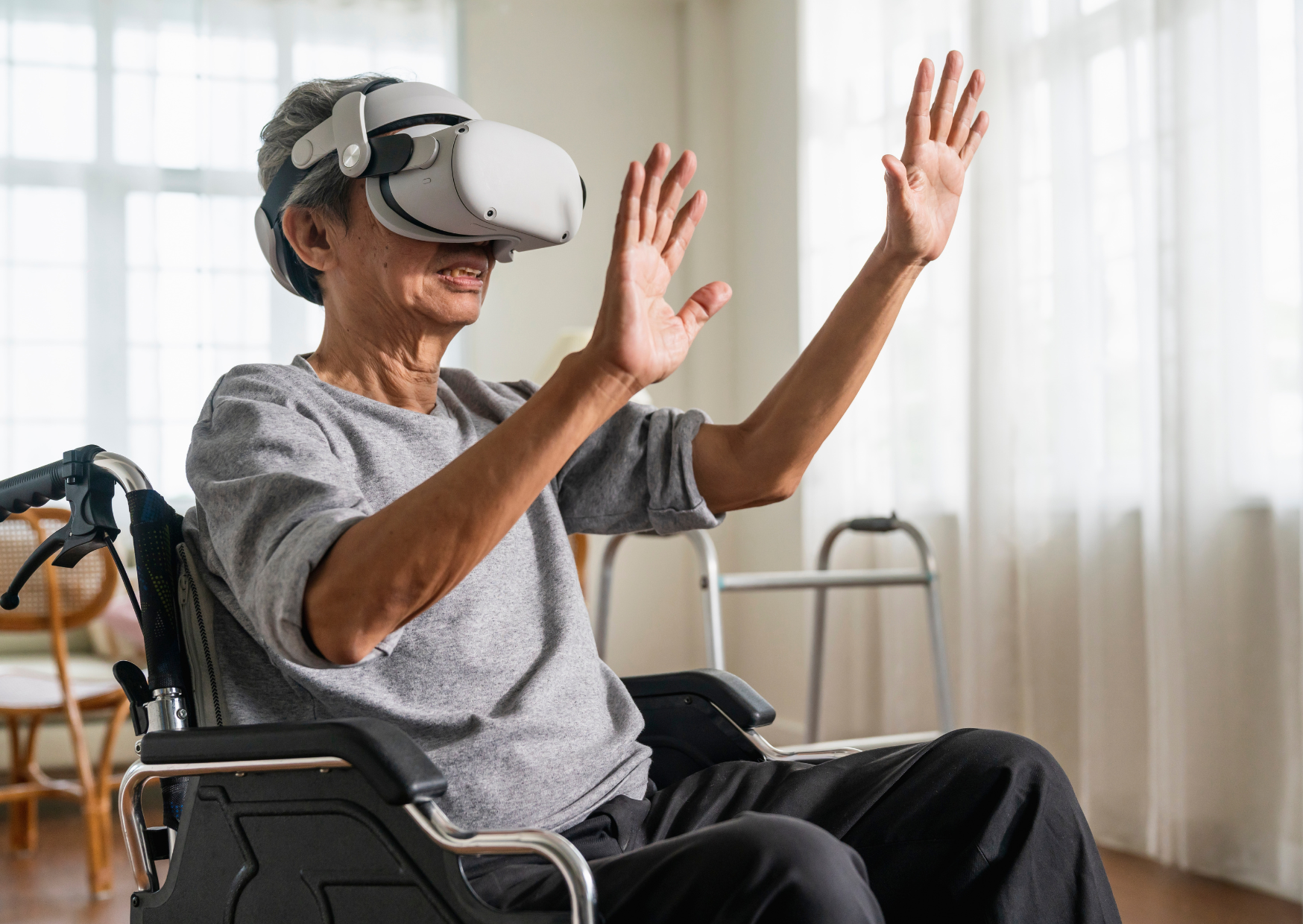
Virtual rehabilitation as a therapeutic support tool
Functional intervention targeting motor and cognitive recovery
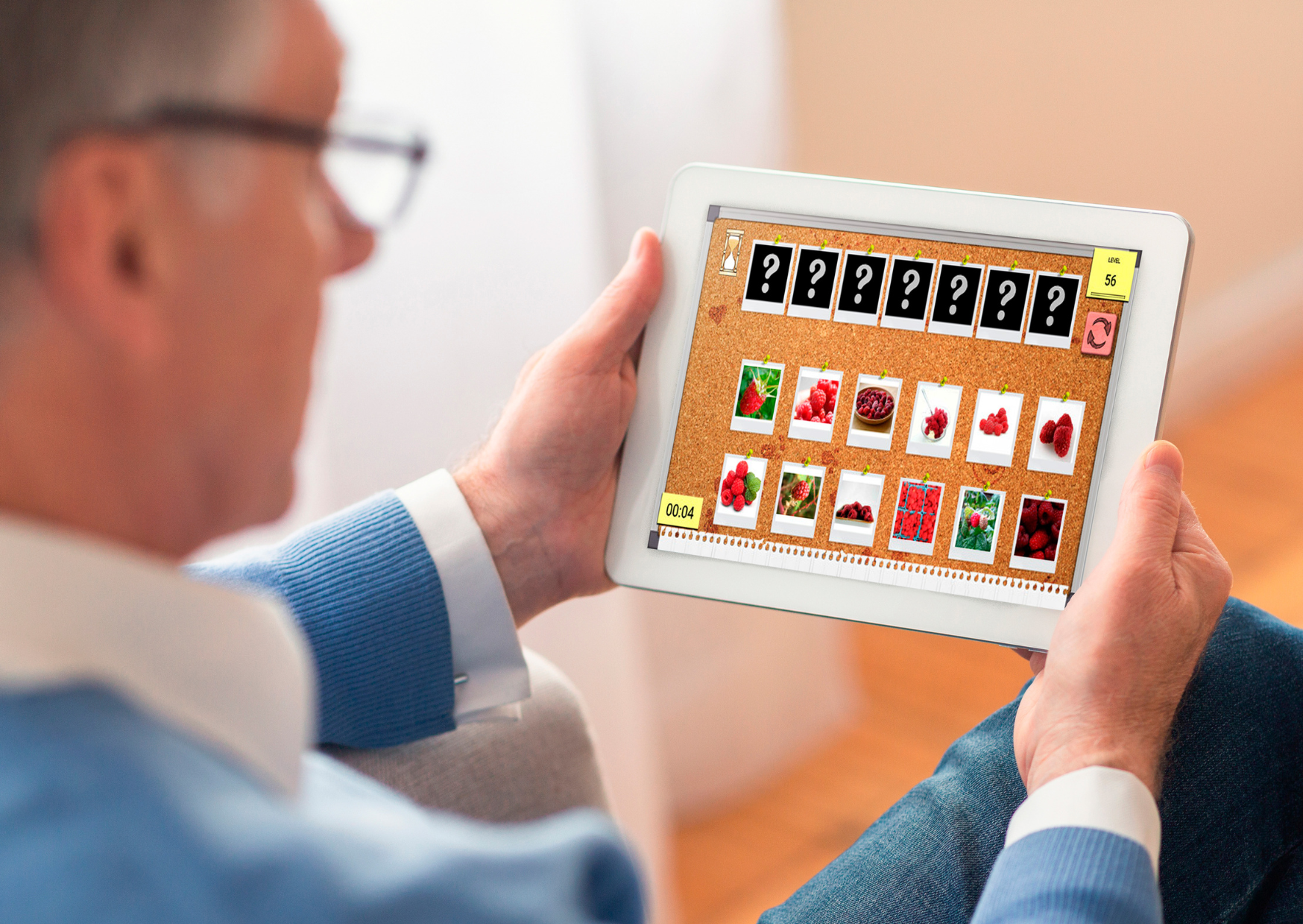
Supervised digital cognitive rehabilitation
Clinician-adapted digital cognitive rehabilitation programs for use in clinical settings.
Integration of digital tools in neuropsychological intervention for TBI
The introduction of digital tools has brought about a a6> significant change in the way in which cognitive rehabilitation is applied, not so much as a substitute for conventional intervention, but rather as a complement that enables optimisation various critical aspects of treatment.
From a clinical perspective, one of the main advantages is the ability to increase the therapeutic intensity without proportionally increasing the workload on the practitioner. Digital environments allow for a greater number of repetitions, with structured and controlled tasks, which promotes learning and plasticity.
Another relevant aspect is the dynamic adjustment of the difficulty. Unlike traditional tasks, digital systems can adjust in real time parameters such as complexity, response time or cognitive load, keeping the patient within an range of optimal effort.
Furthermore, these tools enable objective and continuous monitoring of performance. Variables such as accuracy, response latency and longitudinal trends provide useful clinical information for:
- adjustment of therapeutic goals
- identify bottlenecks
- tailor the progression
From the perspective of adherence, engagement with digital platforms can improve patient involvement, particularly in long-term treatments.
However, its use must be integrated within a structured clinical framework. Technology alone does not guarantee effectiveness if it does not address clear therapeutic objectives or is not guided by the clinician’s judgement.
Current clinical challenges
Among the main challenges are the difficulty in effectively applying what is learned to daily life, cognitive fatigue, and high clinical variability. These factors necessitate a flexible and highly individualized approach.