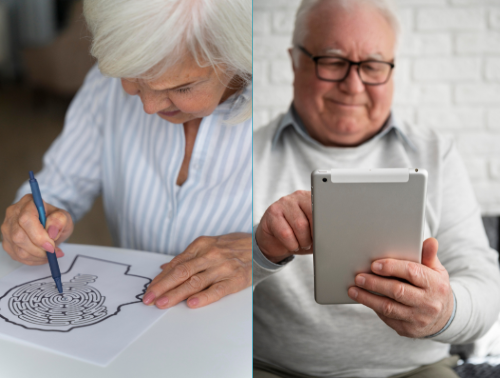
Printable cognitive rehabilitation worksheets are a very common tool to work on mantaining and improving cognitive abilities. There are numerous resources that offer this type of worksheets, such as Rehabilitation Worksheets or online resources for free cognitive training.
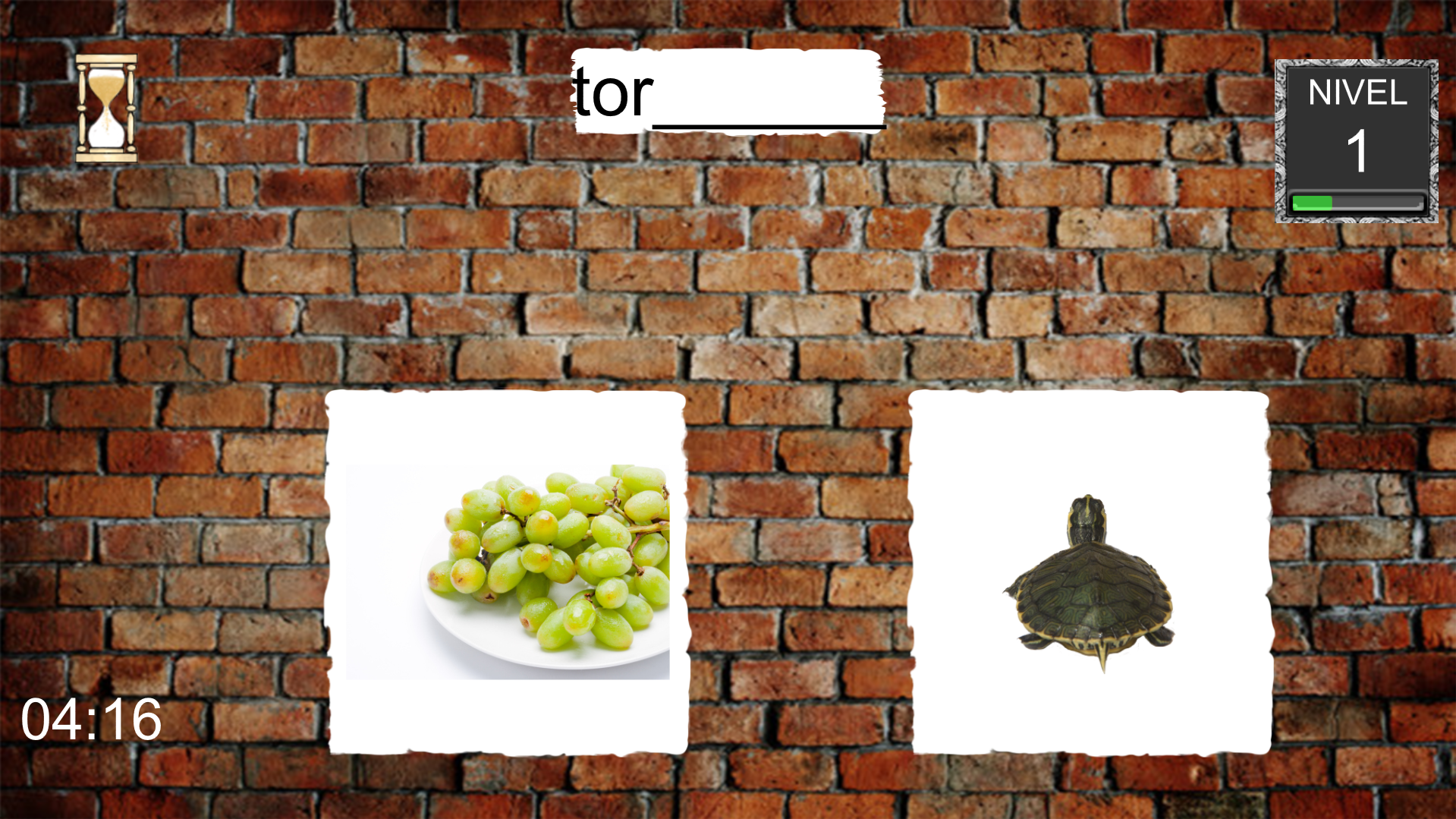
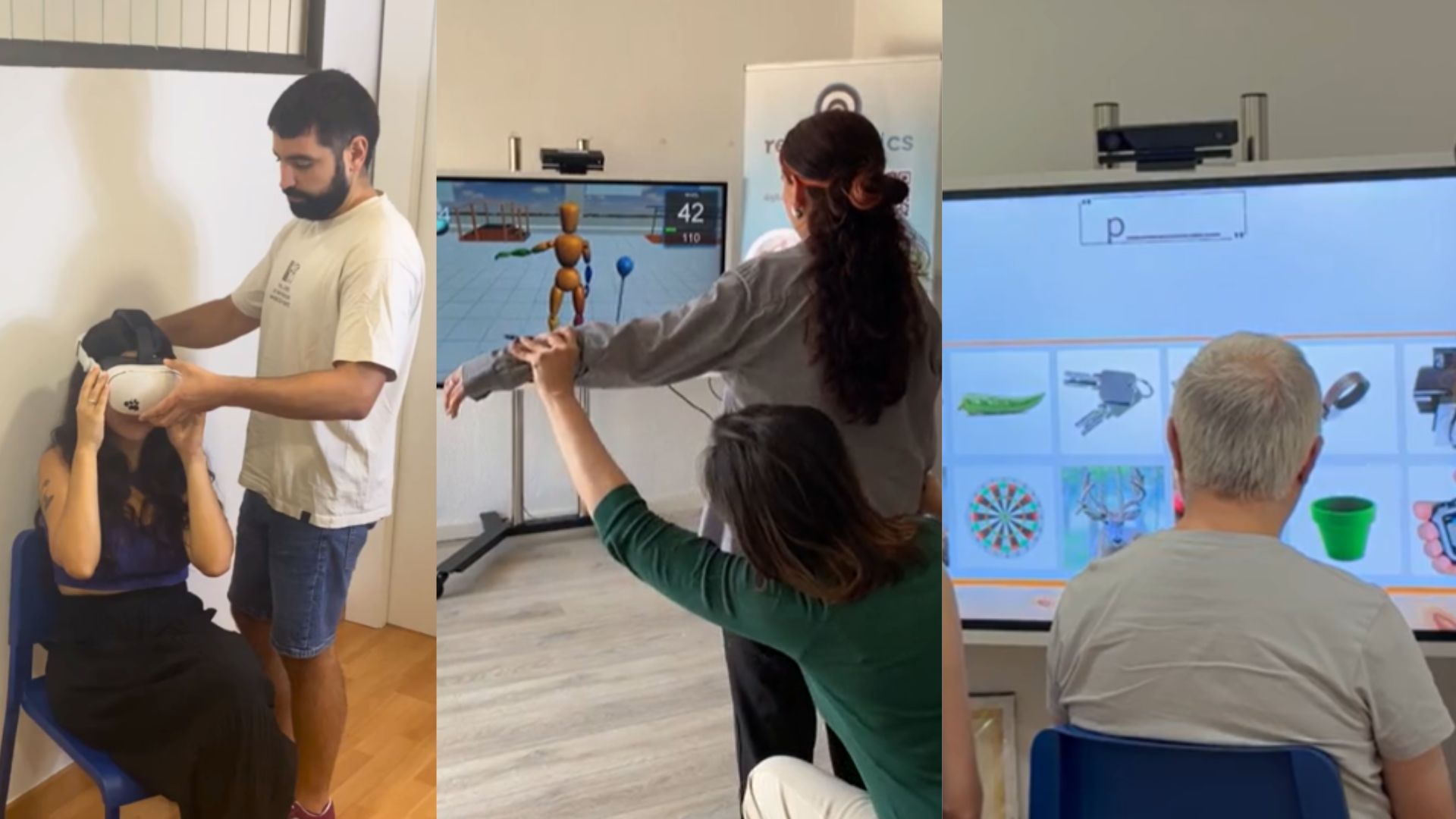
Similarly, with the advent of new technologies and the widespread use of smartphones and tablets, an increasing number of professionals are adopting applications and software for neuropsychological stimulation and rehabilitation.
Traditionally in nursing homes, day centers or clinics, rehabilitation and cognitive stimulation consists of generic worksheets, recreational activities or board games.
Some activities, such as music therapy or therapeutic gardens, can be motivating, depending on the user. However, often puzzles, for instance, fail to motivate older individuals as they frequently possess themes and illustrations that are perceived as childish.
Differences between cognitive rehabilitation software and cognitive rehabilitation worksheets
Cognitive rehabilitation worksheets
Neuropsychological rehabilitation software
- Interactivity is limited due to the manual completion of tasks, which does not allow for automatic adaptation to user performance.
- Feedback: It requires a person (professional or caregiver) to review responses and provide feedback.
- Adaptability: Limited, as once printed, they cannot be easily modified to suit the user’s changing needs.
- Customisation: Generally low, unless specifically designed for an individual.
- Variety of exercises: Limited to what can be included in the printed design. They can become repetitive if not updated regularly.
- Updating: Difficult and expensive, as it requires printing new worksheets.
- Interactivity: High, with interactive games, real-time challenges and adaptability according to user performance.
- Feedback: Immediate, as the software can provide corrections, suggestions and progress statistics in real time.
- Adaptability: High, difficulty level and type of activities can be ajusted based on user performance.
- Customization: High, with customized user profiles and recommendations based on usage and progress.
- Variety of exercises: Very high, with a wide range of activities and games that can be updated regularly.
- Updating: Easy and frequent, with new activities and levels that can be added via software updates.
Benefits of switching to digital therapies
Neurorehabilitation and cognitive stimulation applications and software provide benefits for users and patients:
- Customize activities
- Adjust the difficulty depending on the user
- Saves time in designing sessions
- More motivating sessions
- Improves rehabilitation results
- Improves treatment adherence
- Greater participation in treatment
You may be interested
Psychogeriatrics and technology: How cognitive stimulation fits into nursing homes
15/07/2026
No Comments
Psicogeriatría y tecnología: cómo encaja la estimulación cognitiva en residencias | Rehametrics Rehabilitación Cognitiva · Residencias Psicogeriatría y tecnología: cómo encaja la estimulación cognitiva en ...
Read More →
From Paper to Tablet: How to Make the Transition in Your Neuropsychology Practice
15/07/2026
No Comments
From Paper to Tablet: How to Make the Transition in Your Neuropsychology Practice | Rehametrics Cognitive Rehabilitation · Consultation From paper to tablet: How to ...
Read More →
Scientific Evidence on Virtual Reality in Musculoskeletal Rehabilitation: What the Research Says
03/07/2026
No Comments
Scientific Evidence on Virtual Reality in Musculoskeletal Rehabilitation | Rehametrics Scientific Evidence · Physical Rehabilitation Scientific Evidence on Virtual Reality in Musculoskeletal Rehabilitation: What the ...
Read More →