Memory rehabilitation: Exercises and games

Paracaídas cayendo sobre fondo con anillos, en un ejercicio cognitivo

Memory rehabilitation is essential in the treatment of patients with neurological damage, such as those who have suffered a stroke, traumatic brain injury or dementia. Traditionally, memory rehabilitation has involved repetitive exercises and conventional techniques that, although effective, often lack appeal and can be monotonous for patients. Gamified tools offer an innovative way to improve memory through patient motivation and engagement.

Benefits of Gamification in Memory Rehabilitation

Gamified tools turn memory exercises into interactive activities that increase adherence to treatment. These applications combine game elements, such as rewards, levels and immediate feedback, to stimulate brain plasticity and improve information retention.

Example of a memory rehabilitation session

Iconos de auriculares en un ejercicio de memoria auditiva

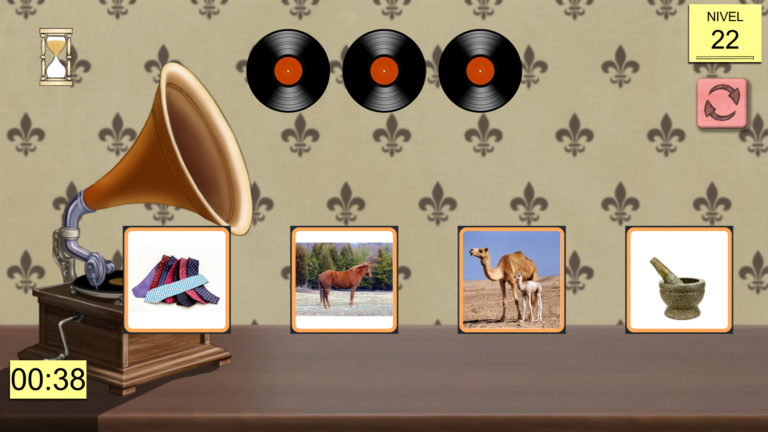
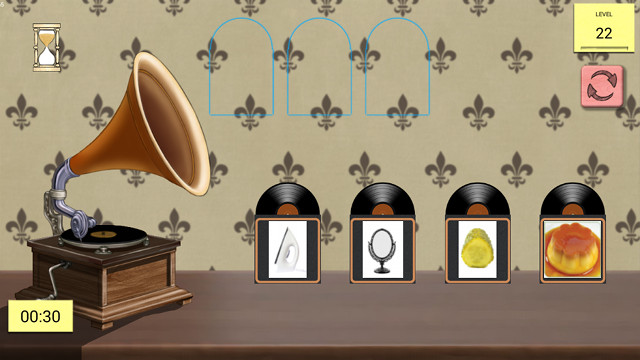
Auditory working memory

The patient hears a series of words in a specific order and has to repeat them in the order indicated.
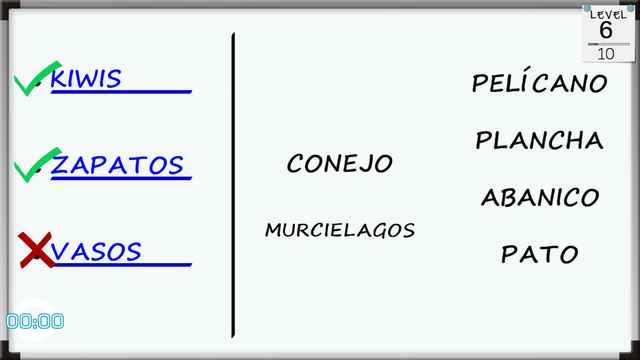
Palabras conejo y murciélagos en un ejercicio de asociación

Verbal working memory

A list of words will appear, and after a short memorization time, the patient will have to choose from a series of words the ones that appeared in the list.
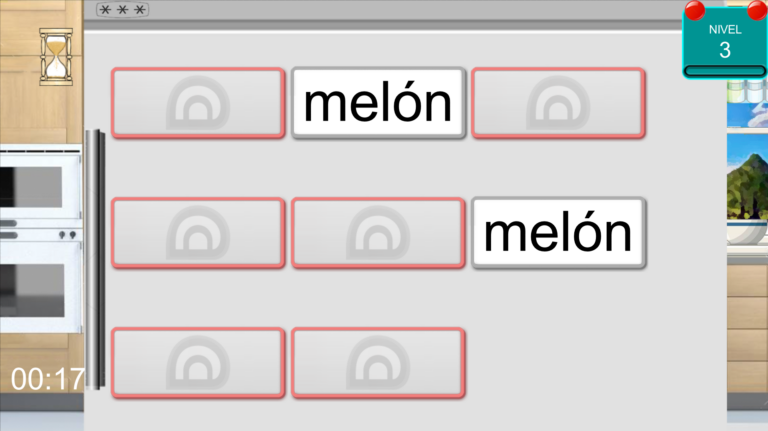
Icono con la palabra melón en un ejercicio de asociación

Verbal memory

In this sustained attention activity, the patient has to to touch all the geometric shapes that appear on the screen. Often the ability to pay attention for extended periods of time is impaired in people with severe cognitive impairment.
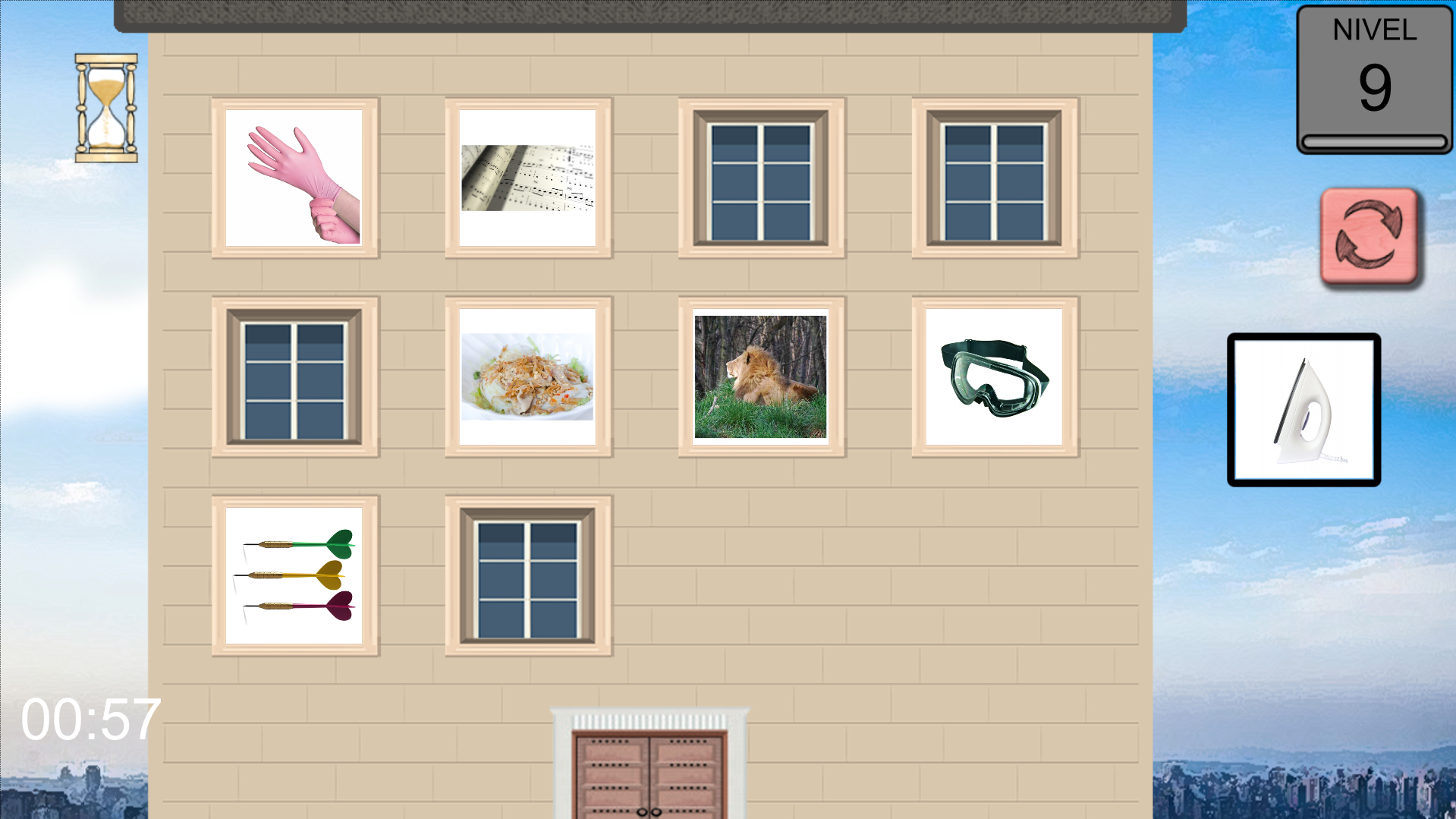
Iconos de comida, ventana y otros objetos en un ejercicio de categorización

Spatial memory

The goal objective of this spatial memory rehabilitation activity is to remember correctly where some images were placed.
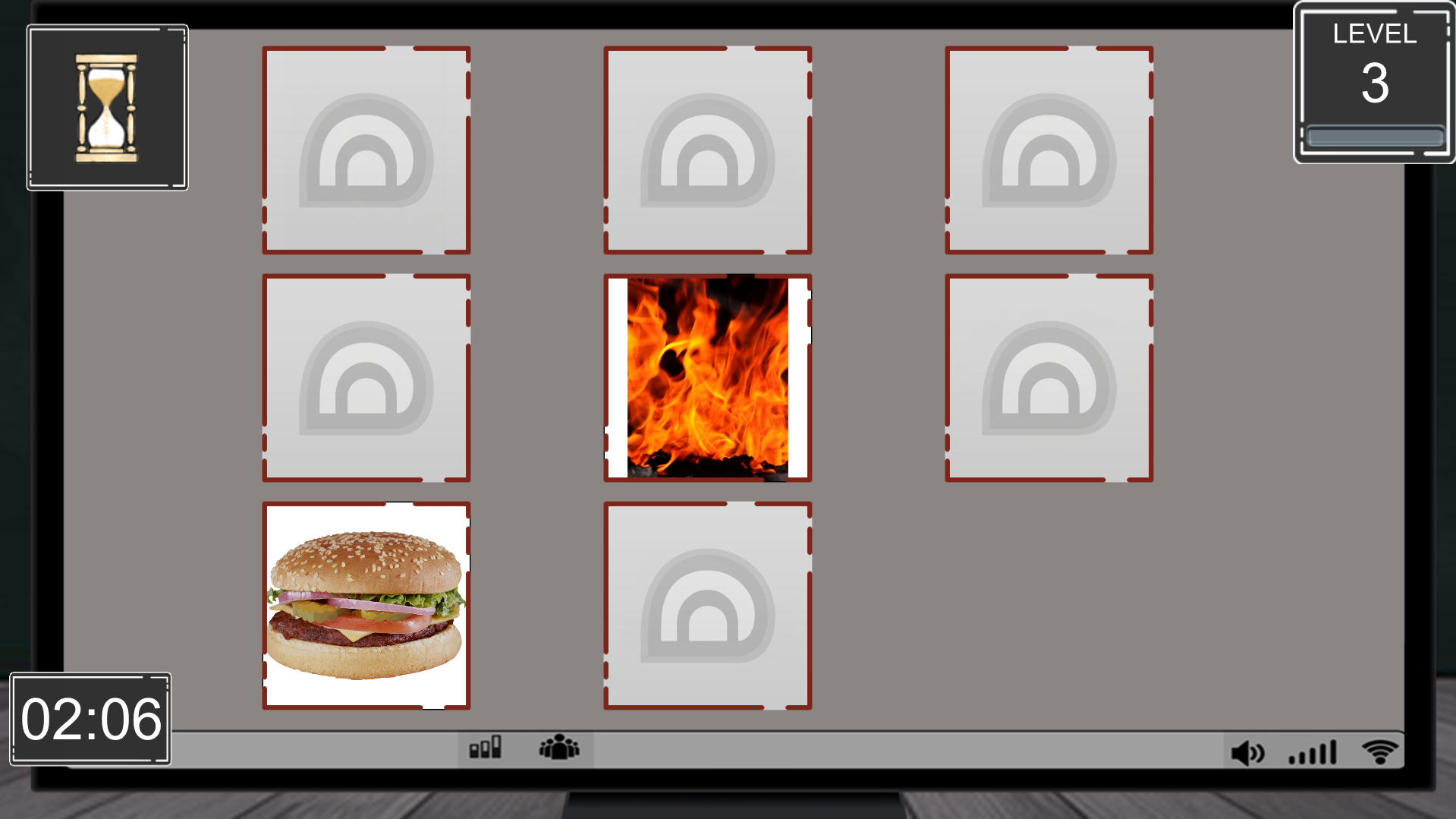
Icono de una chimenea con fuego en un ejercicio de reconocimiento

Visual memory

An activity to train expressive language and phonological awareness is to find the picture that begins with the given syllable. In many cases of dementia and various cognitive impairments, language deficit is a primary concern.
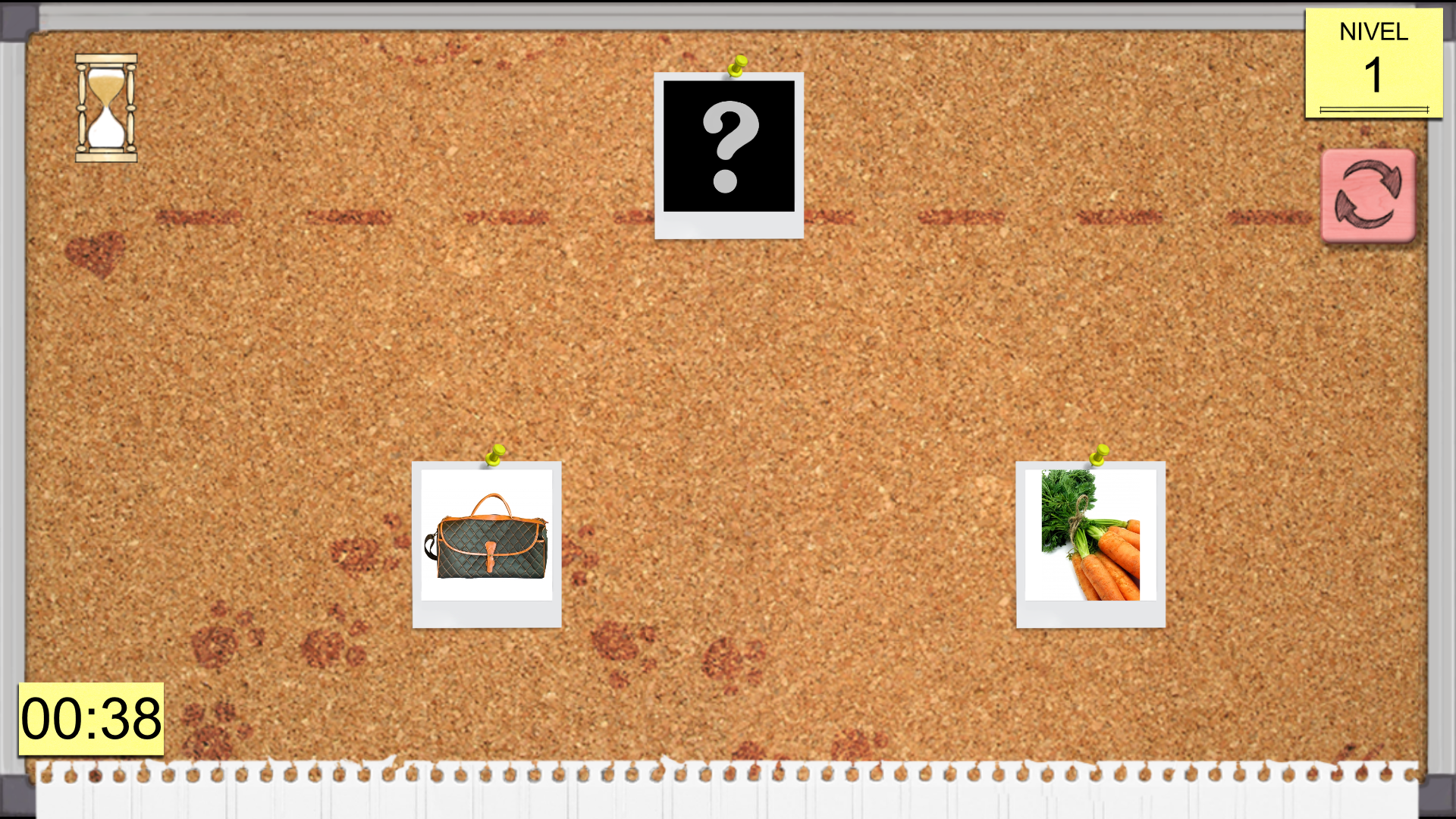
Icono de un signo de interrogación sobre una caja, en un ejercicio de memoria

Memoria a largo plazo

Stimuli will be shown that the patient has to memorize and then perform a distracting task. and then he/she will have to perform a distractor task. After this, you will have to recall the stimuli memorized at the beginning of the task.

Neurorehabilitation professionals must integrate these tools as a complement to traditional therapies. It is key to select scientifically validated platforms and to adjust the exercises to each patient’s capabilities and goals. In addition, monitoring progress and making adjustments based on patient performance optimizes results.

You may be interested in

Sorry, we couldn't find any posts. Please try a different search.

Ask us for information to try our activities for severe cognitive impairment.

Scroll to Top