Kinesiophobia in neurological rehabilitation: how virtual reality can restore movement confidence
Kinesiophobia in neurological rehabilitation is more common than it seems. It affects patients who, after a stroke, surgery or brain damage, develop a persistent fear of movement. This emotional block limits functional recovery, even when physical abilities begin to recover.
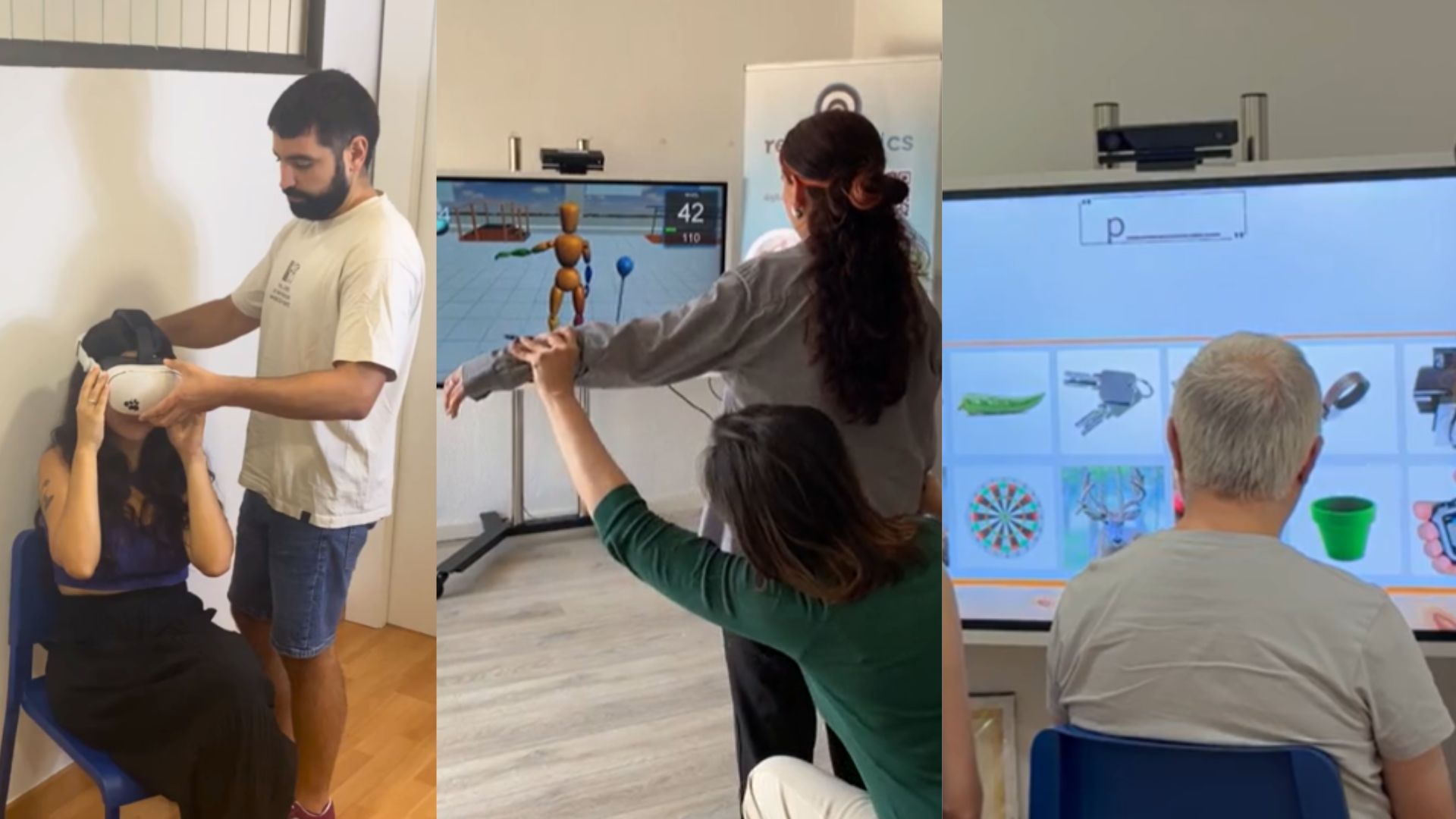
In this article we explore how Rehametrics, through immersive and semi-immersive virtual reality exercises, can help overcome the fear of moving in neurological patients. We do so on the basis of a real clinical case presented in a Rehametrics webinar with Dr. Ruth Izquierdo where the real case of Ana, a young woman with impaired balance after the removal of a cerebellar tumor, was discussed.
What is kinesiophobia and why is it so relevant in neurology?
Kinesiophobia is the fear of movement for fear of experiencing pain, imbalance or falls. In patients with neurological damage, it usually appears after:
-
Episodes of falling or loss of postural control
-
Persistent pain after injury
-
Prolonged immobility or sedentary position
-
Alteration of body schema or proprioception
"The patient stops moving out of fear, even though physically he could. And so, what has been learned is lost."
When fear becomes avoidance, the functional prognosis tends to stagnate. Therefore, addressing kinesiophobia should be part of the treatment from the beginning.
How Rehametrics helps patients with kinesiophobia
Ana, a medical student, underwent surgery for a cerebellar tumor. After the operation, she not only lost stability but also confidence.
“The first time I appraised her gait, we both almost fell. Her balance was very shaky, but her fear was even greater.”
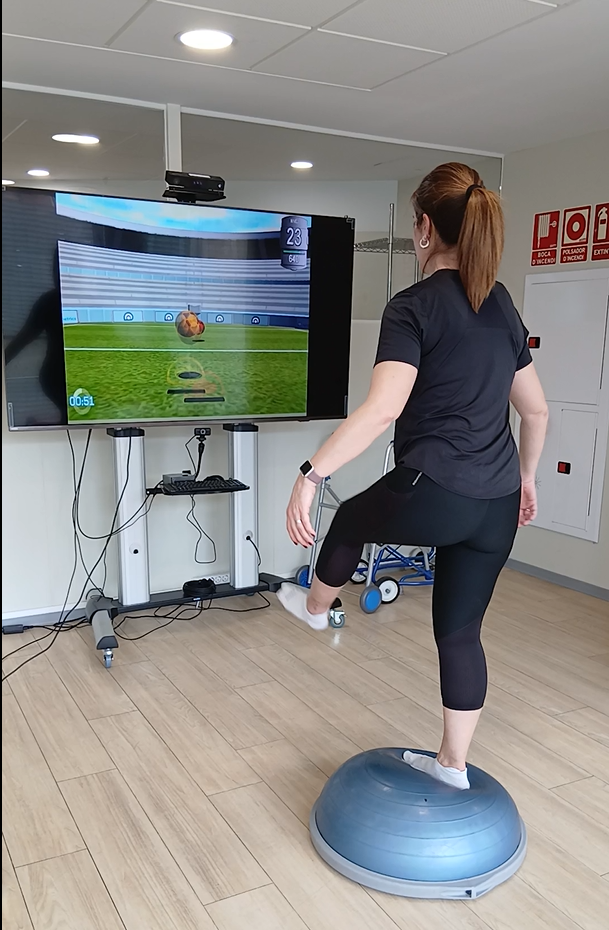
Ruth started an intensive plan with therapeutic exercise, aquatic therapy and virtual reality with Rehametrics. The key came when she introduced virtual reality to treat kinesiophobia.
” She started with Rehametrics and she forgot the fear. She closed the base, she was moving… she was into the game. She was no longer thinking about falling.”
Why does Rehametrics work against kinesiophobia?
The tool allows working on the fear of movement in neurological patients through safety and positive distraction:
-
The immersive environment distracts from fear, focusing attention on the task at hand.
-
There are no real physical consequences if the patient “fails” or becomes unbalanced.
-
Immediate visual feedback improves body awareness and reduces negative anticipation.
-
The playful and progressive format increases confidence without forcing the patient.
Digital tools to regain confidence when moving
The combination of conventional therapy with tools such as Rehametrics offers a new way to work with kinesiophobia in a safe, objective and motivating way.
In addition, it allows professionals:
-
Measure progress objectively
-
Customize the difficulty level
-
Integrate functional tasks with cognitive and motor load.
-
Keeping the patient involved and adherent
"The virtual environment allows you to trick the brain. The patient forgets his fear and starts to move."
Conclusion: integrating kinesiophobia in neurological rehabilitation improves functional outcomes .
Kinesiophobia often goes unnoticed, but its impact on recovery is significant. When fear conditions movement, even motor progress is blocked. Therefore, its approach should be considered an active part of the treatment, especially in neurological patients.
Rehametrics makes it possible to work on this emotional dimension in a safe, motivating and clinically structured way. The virtual environment reduces the perception of threat and makes it easier for the patient to face movement again with confidence.
Tools such as Rehametrics allow professionals to address this barrier from an innovative, effective and motivating therapeutic approach.
Watch here our webinar on the use of virtual reality in neurological recovery and kinesiophobia.
You might also be interested in...