
Cognitive impairments and activities of daily living: impact on functional independence
Activities of daily living do not depend solely on strength, mobility, or balance. Many everyday tasks require attention, memory, planning, sequencing, impulse control, and the ability to detect errors.
That is why a person may retain some motor skills and yet still have difficulty getting dressed, cooking, managing medication, organizing a daily routine, or getting around safely. In rehabilitation, this relationship between cognition and daily functioning is key to understanding functional independence.
The American Occupational Therapy Association uses the concept of functional cognition to refer to the cognitive abilities needed to perform activities of daily living.

Table of contents
Cognition and autonomy: a functional relationship
To understand the impact of cognition on daily life, it is important to start with a basic premise: activities of daily living in rehabilitation should not be viewed merely as isolated tasks, but rather as indicators of independence, safety, and participation.
Difficulties with activities of daily living can have motor, cognitive, sensory, emotional, environmental, or mixed causes. In clinical practice, it is not always clear which factor is the primary one.
For example, a patient may fail to prepare a meal due to weakness, pain, or balance issues. But they may also fail to do so because they cannot remember the steps, get distracted, fail to anticipate risks, or fail to notice mistakes while performing the task.
When a difficulty has a cognitive component, it typically manifests in areas such as:
- Start the activity;
- Maintain focus;
- Follow a logical sequence;
- Organize materials;
- Making decisions;
- Corregir errores;
- Complete the task safely.
For this reason, assessing cognition in rehabilitation should not be limited to isolated tests. It is necessary to observe how these functions manifest themselves in specific activities.
Cognitive functions involved in ADLs
Activities of daily living involve several cognitive functions at the same time.
Attention allows us to stay focused, filter out irrelevant stimuli, and avoid distractions. If attention fails, the patient may abandon a task, misplace objects, or make mistakes because they fail to process important information.
Memory allows us to recall instructions, routines, the steps involved in an activity, and pending tasks. In activities such as taking medication or preparing a meal, memory lapses can directly affect safety.
Executive functions enable individuals to plan, organize, inhibit impulsive responses, change strategies, and monitor their own behavior. They are particularly important in practical activities such as cooking, shopping, using public transportation, managing money, or taking medication.
Awareness of errors is also essential. A patient may make a mistake during an activity and not notice it, or notice it but not know how to correct it. This can limit independence even when motor performance appears adequate.
Examples from everyday life
Cognitive impairments are particularly evident when the patient performs real or simulated tasks.
When dressing, they may put clothes on in the wrong order, not position them correctly, or fail to realize that they need to correct a part of the task.
When preparing food, you may skip steps, leave appliances on, lose track of time, or get distracted by things going on around you.
When taking medication, you may forget doses, take double doses, mix up the times, or fail to follow the prescribed regimen.
When using a phone or other devices, you may have trouble following instructions, remembering passwords, or solving minor problems.
When moving around in their surroundings, they may fail to anticipate obstacles, may not be able to divide their attention between walking and navigating their surroundings, or may fail to identify risky situations.
These examples show that an improvement on a cognitive test does not always automatically translate into an improvement in daily life. What matters is assessing whether the patient performs better in relevant activities and real-life situations.
A multidisciplinary approach through three treatment modules
Address physical, cognitive, and occupational rehabilitation from a single, integrated solution.
The modules can be used independently or simultaneously by different members of the clinical team.
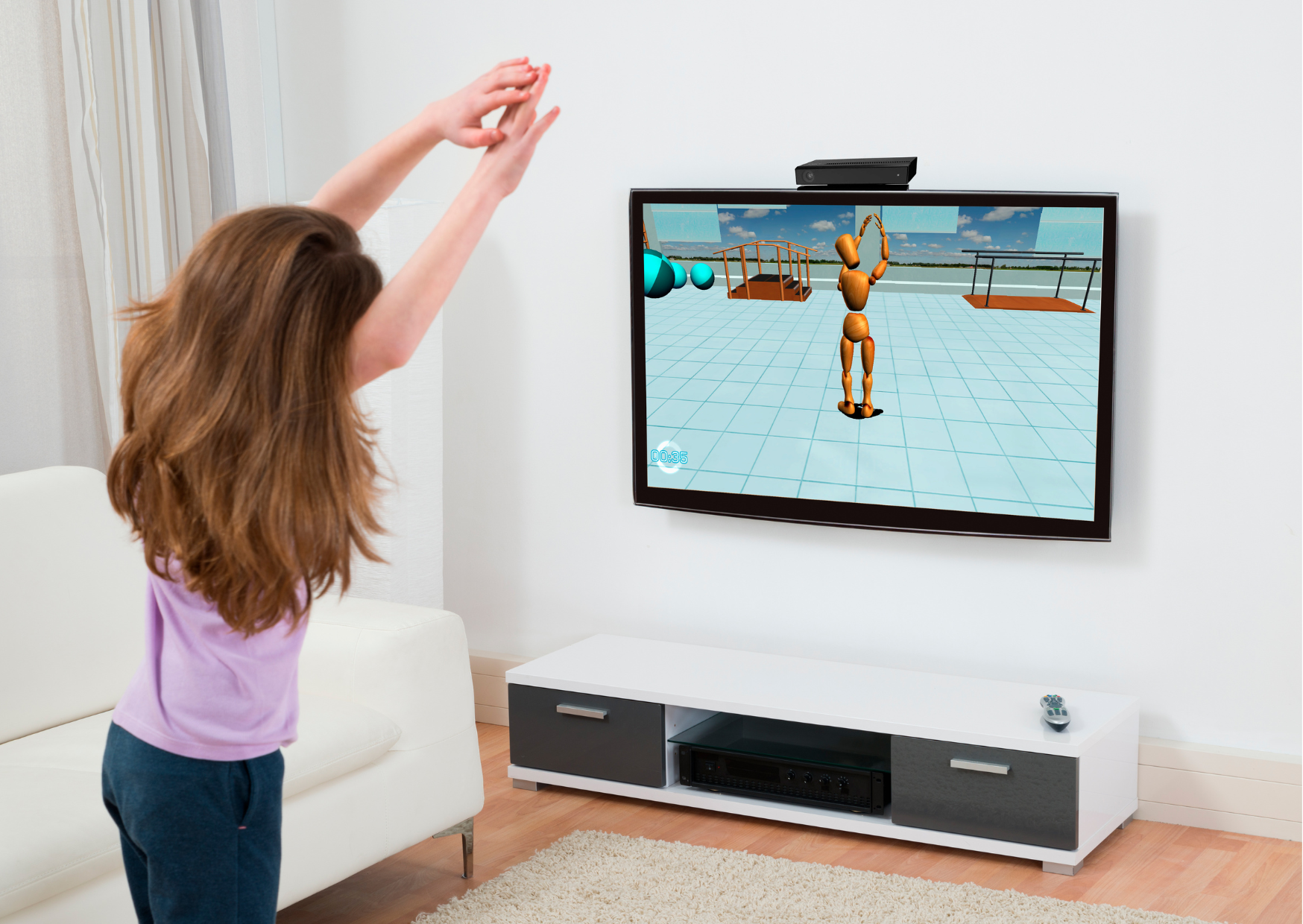
Digital support for neurological physiotherapy
Functional exercises oriented toward movement recovery.
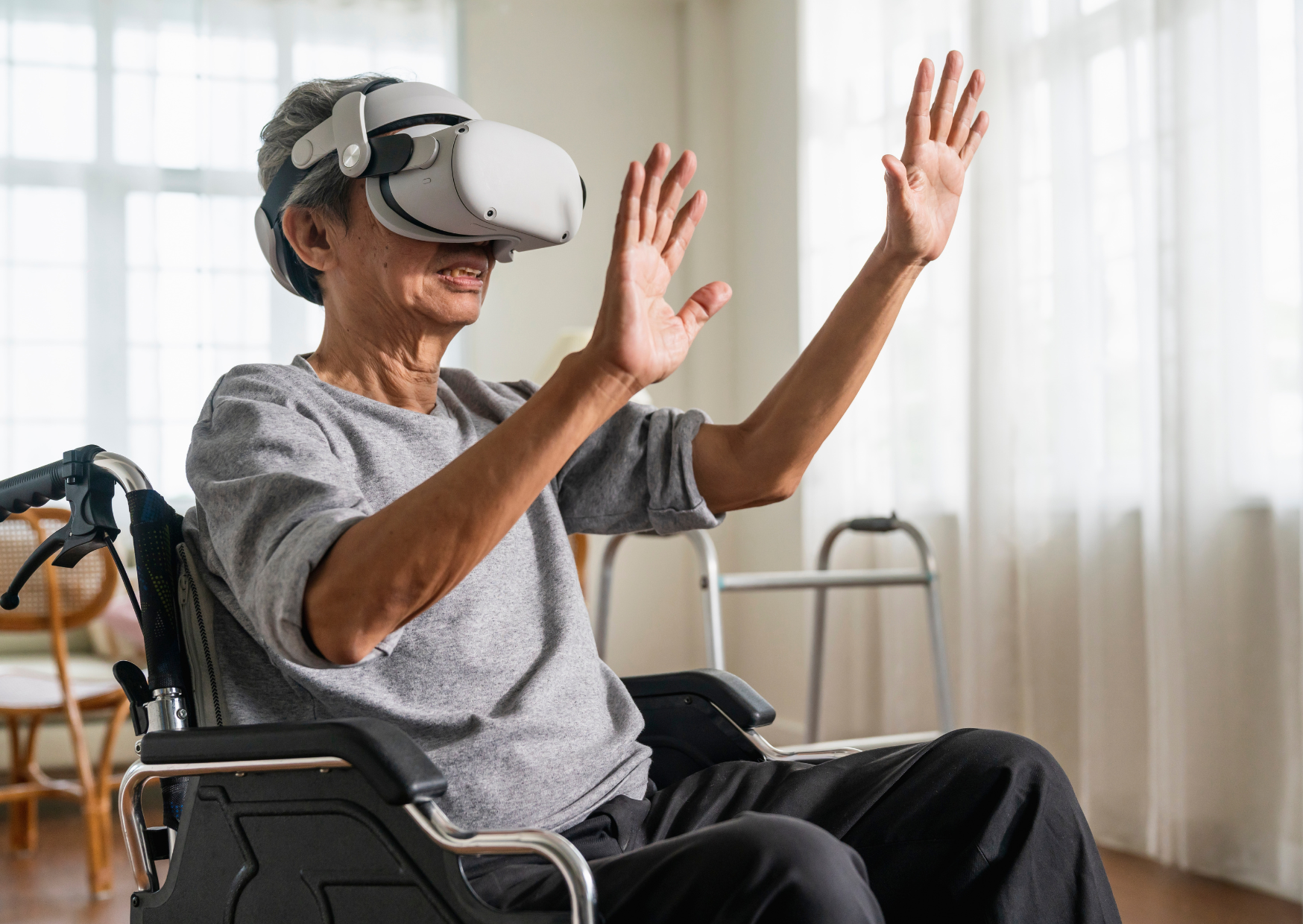
Virtual rehabilitation as a therapeutic support tool
Functional intervention targeting motor and cognitive recovery
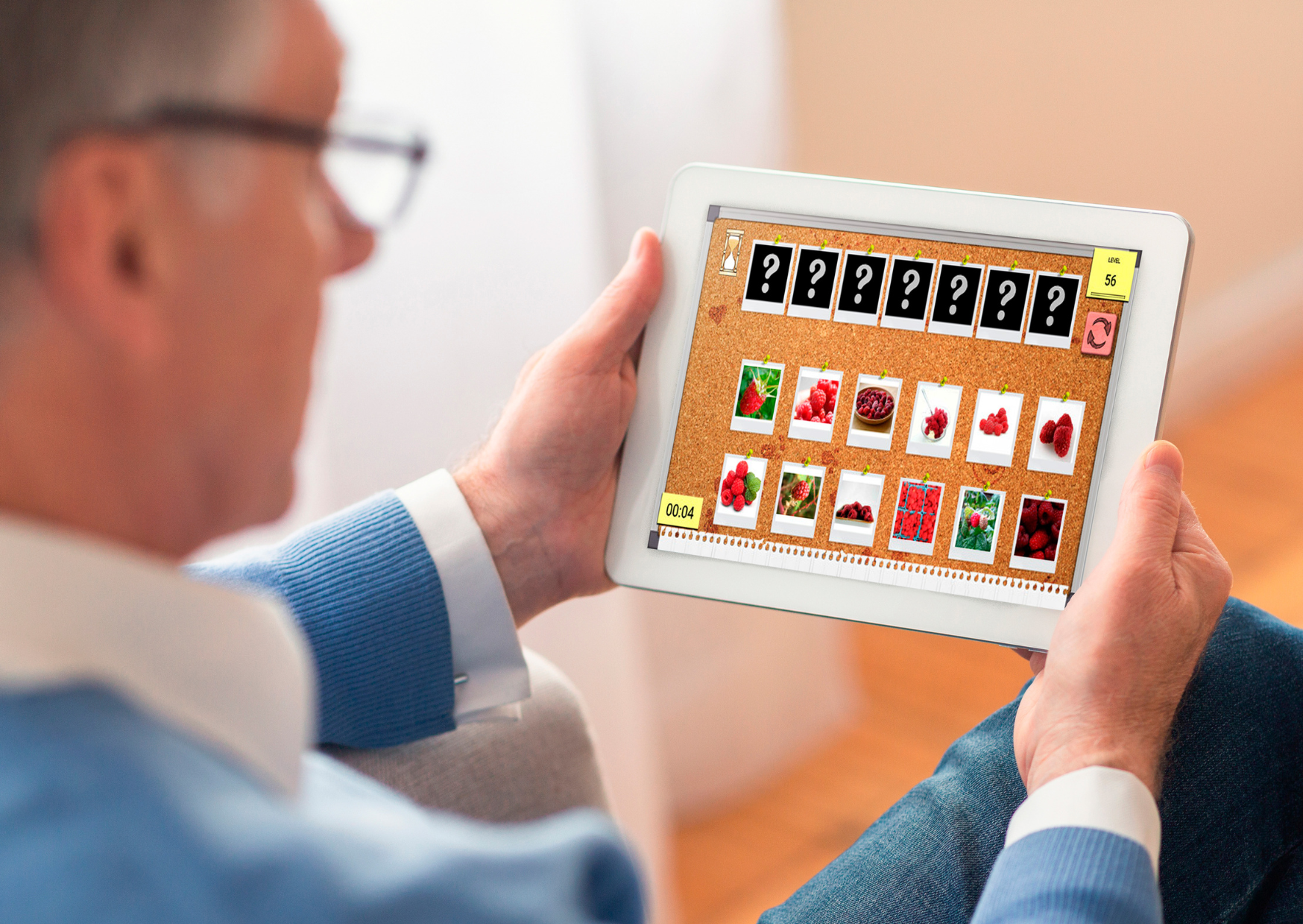
Supervised digital cognitive rehabilitation
Clinician-adapted digital cognitive rehabilitation programs for use in clinical settings.
How to Structure the Intervention
When cognitive impairment is present, intervention should link cognitive function to meaningful activities. It is not just a matter of training attention, memory, or planning in isolation, but of relating them to tasks that the patient needs to perform.
Some common clinical strategies include:
- Simplify the task;
- Break the task down into steps;
- Use external cues, lists, or reminders;
- Reduce distractions;
- Train in settings that are as realistic as possible;
- Adjust the difficulty;
- Involve family members or caregivers when necessary.
The evidence on occupational therapy for people with cognitive impairment suggests potential benefits, although the results should be interpreted with caution depending on the population, type of intervention, and measures used.
How to Measure Functional Progress
In patients with cognitive impairments, progress should not be measured solely by whether or not they complete an activity. There are intermediate changes that may be clinically relevant.
For example:
- Needs less verbal assistance;
- Make fewer mistakes;
- Start the activity earlier;
- Here’s a better version of the sequence;
- Detects faults more effectively;
- Requires less supervision;
- Perform the task with greater confidence;
- Apply what you’ve learned to a different context.
This method of measurement helps distinguish between an improvement observed during a consultation and a genuine functional improvement.
Technology and Functional Cognition
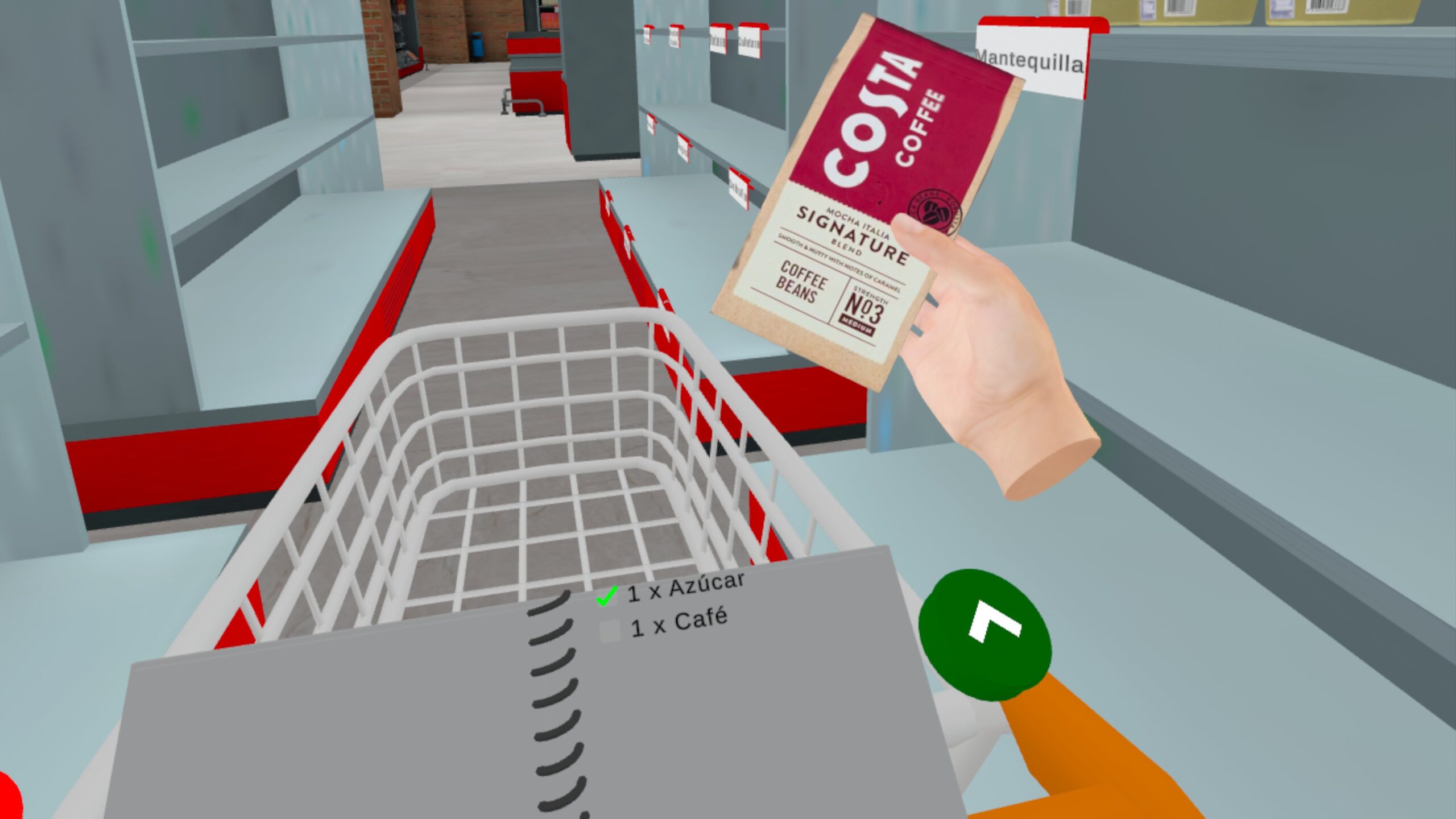
Technology can add value when it helps organize tasks, adjust difficulty levels, provide feedback, and track variables that are useful to clinicians. In the context of activities of daily living, it can facilitate repeated practice, performance monitoring, and the gradual adaptation of the intervention.
However, the data should always be interpreted using clinical judgment. It is not enough to know how many correct responses a patient gives or how long it takes them to complete a task. It is important to understand what kind of errors occur, whether the patient detects them, whether they need help, whether they improve with repetition, and whether that improvement carries over to real-life activities.
Conclusions
Cognitive impairments can directly interfere with activities of daily living. Attention, memory, executive functions, sequencing, and error awareness all influence the ability to perform daily tasks safely and independently.
For this reason, in rehabilitation, it is not enough to assess cognition as an isolated function. It is necessary to observe how it affects daily functioning and how it influences functional independence.
The most useful approach is a functional one: linking cognitive assessment to meaningful activities, adjusting the level of difficulty, measuring relevant changes, and using technology only when it provides structure, feedback, or useful information for clinical decision-making.