
Cognitive Overload in Rehabilitation: When Are We Overtraining?
In cognitive rehabilitation, the intensity of training is often associated with better outcomes. This idea is supported to some extent by the literature on neuroplasticity: repetition and sustained practice can promote brain reorganization following a neurological injury. However, applying this principle directly to clinical practice can lead to an oversimplified interpretation: if training is beneficial, then training more should be even better.
Clinical experience often reveals a more complex reality. Many professionals observe that some patients begin a cognitive rehabilitation program with good tolerance and progress, but as the training load increases, signs of stagnation or even a decline in performance begin to appear. The patient starts making more mistakes, loses concentration more quickly, or abandons the task before completing it.
In these cases, the problem is usually not a lack of stimulation, but rather the opposite: a cognitive demand that exceeds the patient’s available resources at that stage of the recovery process. Understanding how this overload occurs and how to properly adjust the intensity of training is part of properly structuring cognitive rehabilitation.

Table of contents
What do we mean by cognitive overload?
The concept of cognitive overload is based on a simple idea: mental resources are limited. Processes such as attention, working memory, and executive control have a finite capacity. When a task demands more resources than the system can handle, performance begins to decline.
In patients with acquired brain injury, this limitation is often even more pronounced. Impairments in attentional networks, slowed information processing, or difficulties with executive functions reduce the ability to handle complex or prolonged tasks.
In the context of rehabilitation, cognitive overload occurs when the demands of a task exceed the patient’s current ability to process information, maintain attention, or regulate mental effort. This can happen for various reasons: sessions that are too long, activities with an inappropriate level of difficulty, or programs that increase in complexity too quickly.
The consequence is not always immediate. Sometimes the patient manages to complete the task, but at a very high cognitive cost that reduces the effectiveness of learning.
The difference between treatment fatigue and progress
Not all fatigue experienced during a rehabilitation session is necessarily a bad thing. A certain degree of mental effort is to be expected when training cognitive processes. In fact, a slightly challenging task often indicates that the exercise is stimulating the cognitive systems being targeted.
Difficulty arises when the workload exceeds the optimal level of challenge. When the difficulty is set appropriately, the patient may feel tired by the end of the session, but retains the ability to learn from mistakes and improve gradually.
Conversely, when the demand is excessive, fatigue sets in early and performance begins to decline rapidly. Attention becomes unstable, the number of errors increases, and the patient has more difficulty correcting them.
In cognitive rehabilitation, this turning point is particularly important because an excessive workload can affect not only immediate performance but also motivation and adherence to treatment.
Clinical signs of cognitive overtraining
Identifying cognitive overload is not always easy, as its symptoms can be mistaken for the neurological deficit itself. However, there are some clinical indicators that may suggest the training intensity is not properly adjusted.
One of the most common patterns is a gradual increase in perseverative errors, especially in tasks that require cognitive flexibility. When the system becomes overloaded, the patient may become stuck in an incorrect strategy and have difficulty changing it.
It is also common to see a decline in performance as the session progresses. The first tasks may be completed relatively efficiently, but as the session goes on, response times increase and accuracy decreases.
In some cases, behavioral signs such as irritability, frustration, or avoidance of the task may also appear. These responses should not necessarily be interpreted as a lack of motivation, but rather as possible indicators that the cognitive effort required is exceeding the patient’s capacity at that moment.
A multidisciplinary approach through three treatment modules
Address physical, cognitive, and occupational rehabilitation from a single, integrated solution.
The modules can be used independently or simultaneously by different members of the clinical team.
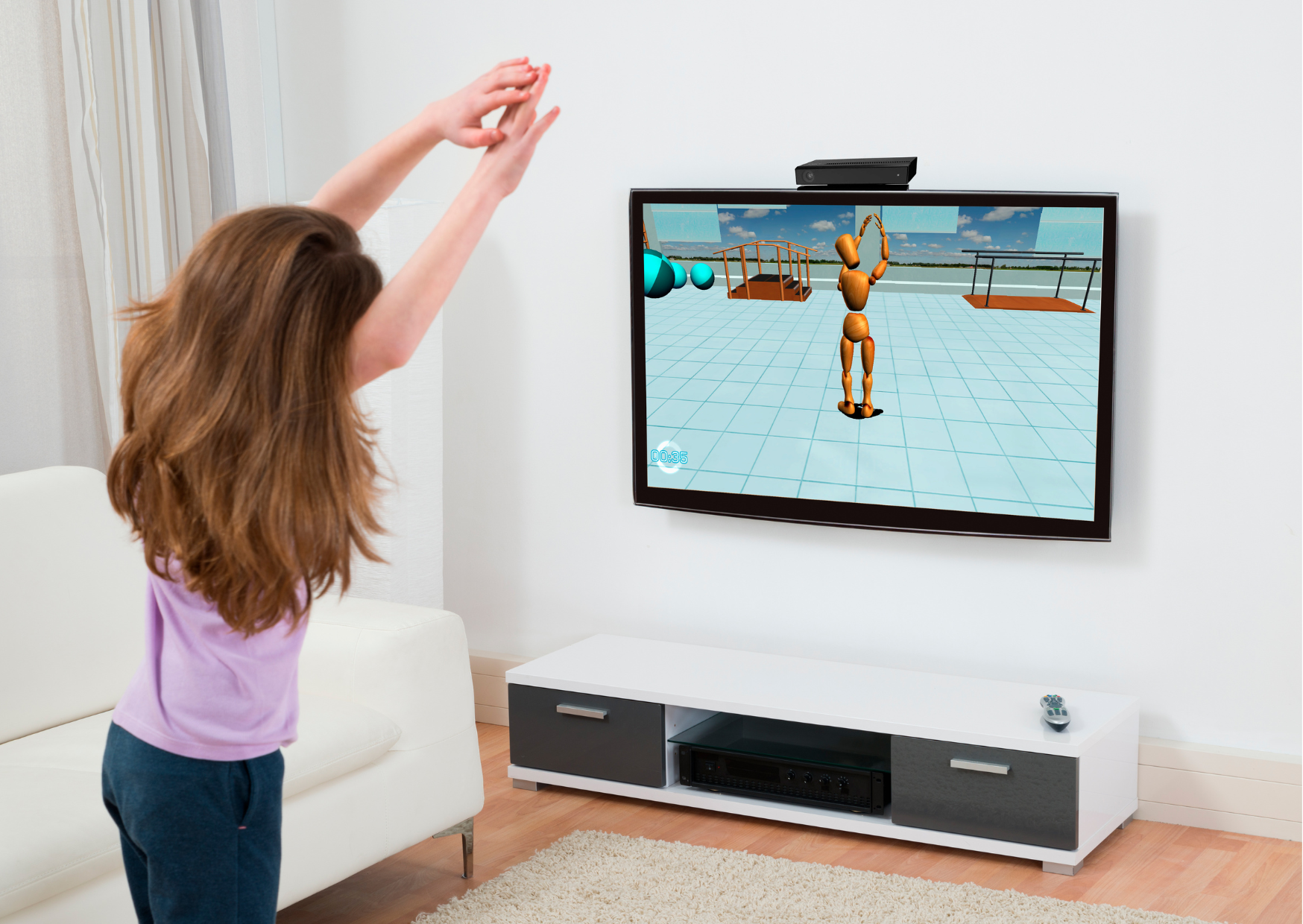
Digital support for neurological physiotherapy
Functional exercises oriented toward movement recovery.
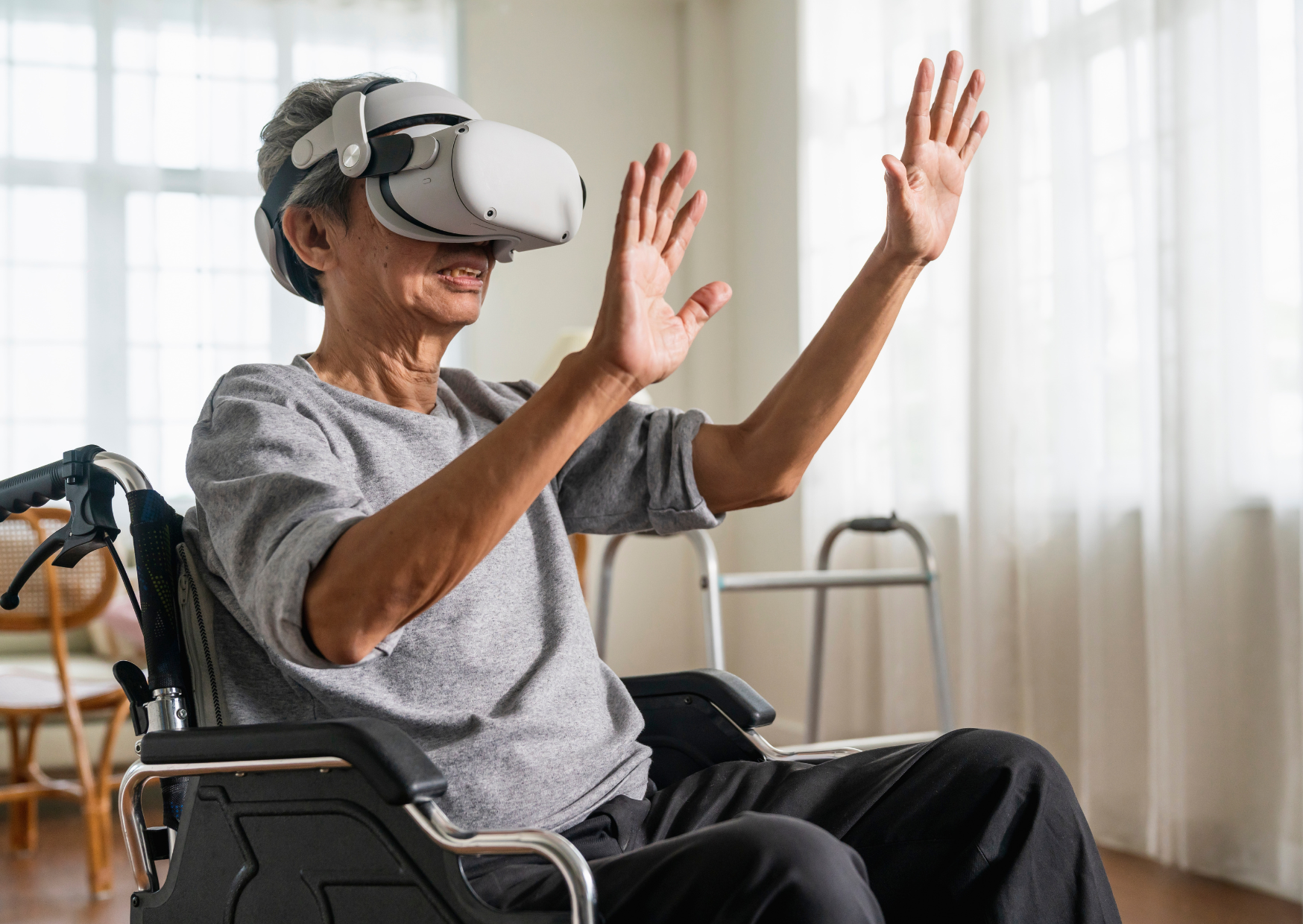
Virtual rehabilitation as a therapeutic support tool
Functional intervention targeting motor and cognitive recovery
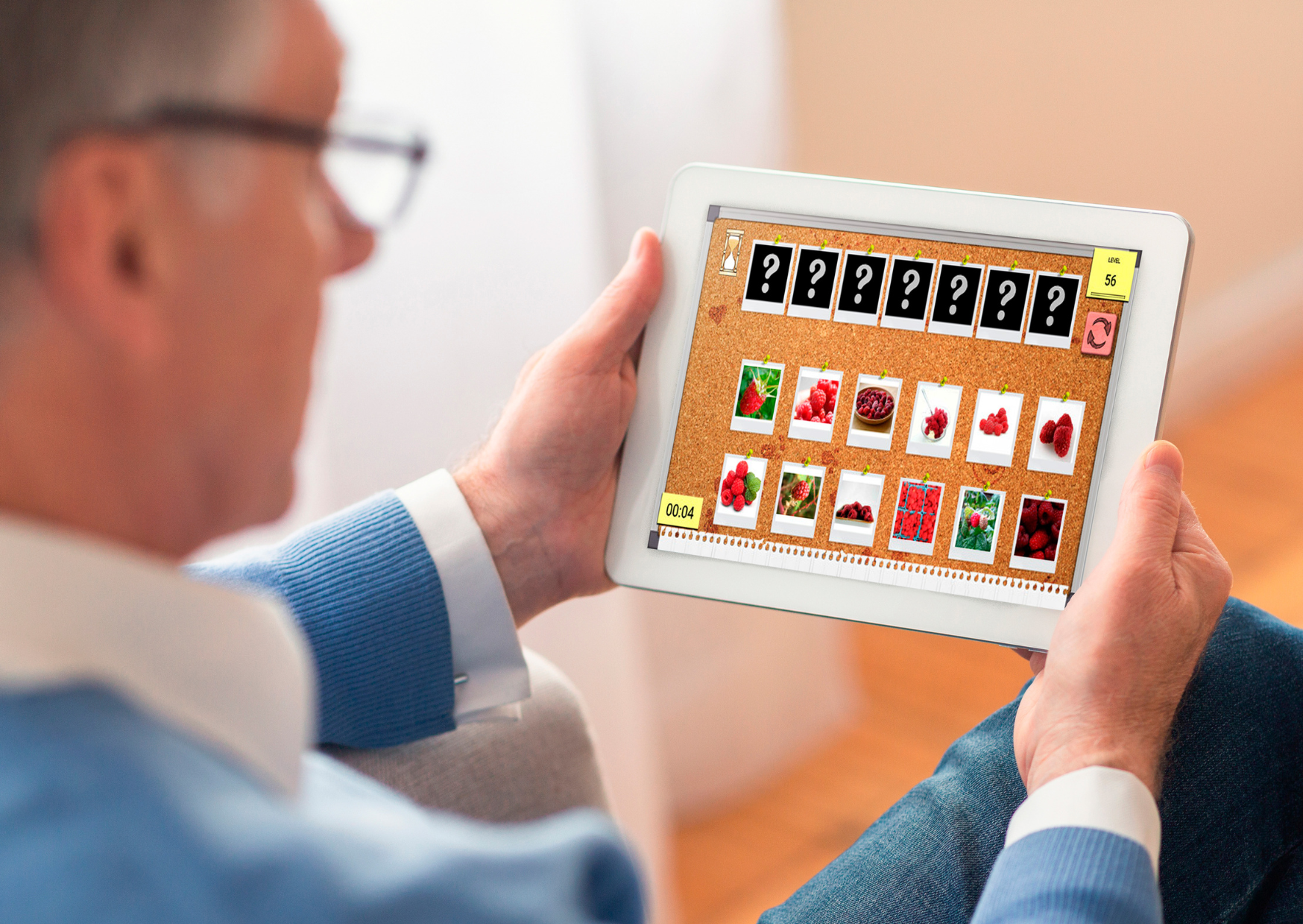
Supervised digital cognitive rehabilitation
Clinician-adapted digital cognitive rehabilitation programs for use in clinical settings.
Dosage in cognitive rehabilitation
The design of cognitive training involves appropriately adjusting the duration of sessions, the frequency of treatment, and the difficulty level of the tasks.
Excessively long sessions often lead to accumulated fatigue, especially in patients with attention deficits or impaired processing speed. In many cases, shorter but more frequent sessions are more effective than longer sessions with long intervals between them.
The increase in difficulty should also be gradual. Introducing tasks that are too complex too early on can lead to overload and make it difficult to consolidate basic cognitive strategies.
Another important element is the inclusion of structured breaks within the session. These breaks allow participants to replenish their attention span and maintain a more consistent level of performance throughout the training session.
The Role of Digital Rehabilitation in Load Control
In recent years, digital rehabilitation tools have opened up new possibilities for monitoring cognitive load during treatment. Unlike traditional methods, these platforms allow for the continuous tracking of variables such as reaction time, the number of errors, and changes in performance within a single session.
This type of information provides clinicians with a more accurate picture of how patients perform at different levels of difficulty. Rather than relying solely on subjective observation, it is possible to analyze performance patterns that help identify when a task is too easy or, conversely, too demanding.
In addition, digital systems allow for the programming of exercises with varying levels of complexity and for the workload to be adjusted in a more personalized manner based on the patient’s cognitive profile.
Dynamic difficulty adjustment
One of the most significant advances in digital cognitive rehabilitation is the ability to dynamically adjust the difficulty of tasks. This means that the system can automatically modify certain parameters of the activity—such as the speed at which stimuli are presented, the number of items to be remembered, or the complexity of the task—based on the patient’s performance during the session.
From a clinical perspective, this dynamic adjustment allows training to remain within an optimal challenge zone: challenging enough to stimulate learning, but avoiding levels of demand that could lead to cognitive overload.
On digital rehabilitation platforms such as Rehametrics, this process is complemented by a system for recording and analyzing clinical data. The platform allows for the recording and storage of all activities performed by patients, including objective measurements of their performance during rehabilitation sessions. Subsequently, professionals can review the collected data and generate clinical reports that can be printed or exported in PDF format.
This approach allows for a more precise quantification of the rehabilitation process. As the patient completes the sessions prescribed by their therapist, the system automatically records metrics related to task performance, stores the completed sessions, and facilitates the creation of clinical reports based on the data collected during training. Furthermore, this systematic recording capability can facilitate the conduct of clinical studies and the evaluation of therapeutic outcomes.
From a clinical workflow perspective, these types of tools also help optimize the therapist’s time. Before the session, therapists can plan treatment using objective data on the patient’s previous performance. During the session, real-time metrics allow them to adjust the difficulty of the activities. After the session, the recorded data generates measurable results that support clinical decision-making.
At the same time, the platform allows for complete customization of the treatment. The difficulty of the activities can be automatically adjusted based on the patient’s performance, maintaining an appropriate level of challenge at every stage of the therapeutic process. All activities remain configurable by the healthcare professional, who can adapt them according to specific clinical goals.
The automated recording of data from each session also makes it easier to track the patient’s functional progress, generating clear reports that help evaluate progress and share results within the clinical team.
Practical conclusions
In cognitive rehabilitation, the intensity of training is important, but it must always be considered in relation to the patient’s ability to tolerate and benefit from that effort. A program that is too demanding can lead to cognitive overload and limit learning, even when the tasks are well designed.
The clinician’s goal is not simply to increase the amount of stimulation, but to find the right balance between challenge and tolerance. Adjusting the duration of sessions, gradually increasing the complexity of tasks, and monitoring performance progress are key strategies for achieving this.
In this context, digital rehabilitation tools can provide useful information for understanding how each patient responds to different levels of cognitive load. When used with clinical judgment, they enable the design of more personalized interventions and the optimization of cognitive training intensity.