
Virtual reality headset with immersive rehabilitation program for neurorehabilitation units
The integration of virtual reality headsets with immersive rehabilitation programs into neurorehabilitation units reflects an evolution of the care model toward more functional, personalized interventions grounded in active patient participation.
In this context, the most advanced units combine immersive therapy with clinical assessment and monitoring platforms — such as Rehametrics — enabling measurement of functional performance, documentation of patient progress, and objective support for clinical decision-making.
This integrated approach strengthens treatment consistency and ensures that immersive technology becomes a genuine part of the rehabilitation process, rather than an isolated application.
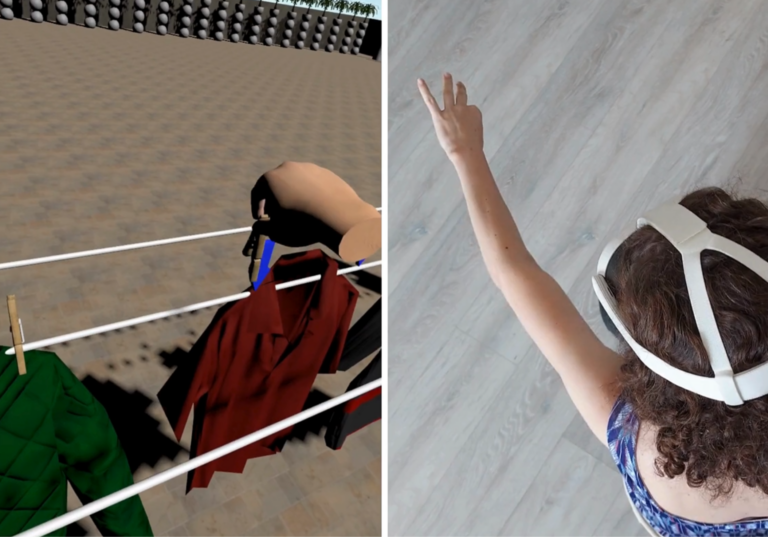
Table of contents
Virtual reality as a clinical resource in neurorehabilitation
From conventional stimulation to immersive therapeutic environments
Contemporary neurorehabilitation prioritises tasks oriented towards activity and functionality, where the therapeutic context plays a key role in motor and cognitive learning.
Immersive environments allow for the simulation of controlled functional situations, which can be complemented with digital assessment tools such as Rehametrics, facilitating a more complete view of the performance of the patient within and outside the virtual environment.
The difference between recreational virtual reality and clinical virtual reality
From a healthcare perspective, it is essential to distinguish between recreational solutions and those specifically designed for therapeutic purposes.
The virtual reality headset with program for immersive rehabilitation immersion for clinical use must:
-
trabajar sobre objetivos funcionales definidos
-
permitir supervisión profesional
-
integrate with clinical assessment systems
-
generate meaningful data to support patient monitoring
In this regard, combining immersive therapy with platforms such as Rehametrics allows clinicians to link the virtual experience with objective clinical metrics, strengthening its utility within the care setting.
What is meant by "immersive rehabilitation program" in a clinical setting
An immersive rehabilitation program goes beyond the use of the device itself, and encompasses:
-
structured tasks with functional relevance
-
graded difficulty progression
-
integration into the overall therapeutic plan
-
assessment of the impact on patient performance
This model is particularly robust when supported by standardized measurement systems, such as those offered by Rehametrics across inpatient and outpatient settings.
A multidisciplinary approach across three treatment modules
Addressing physical, cognitive, and occupational rehabilitation from a single integrated solution.
The modules can be used independently or simultaneously by different members of the clinical team.
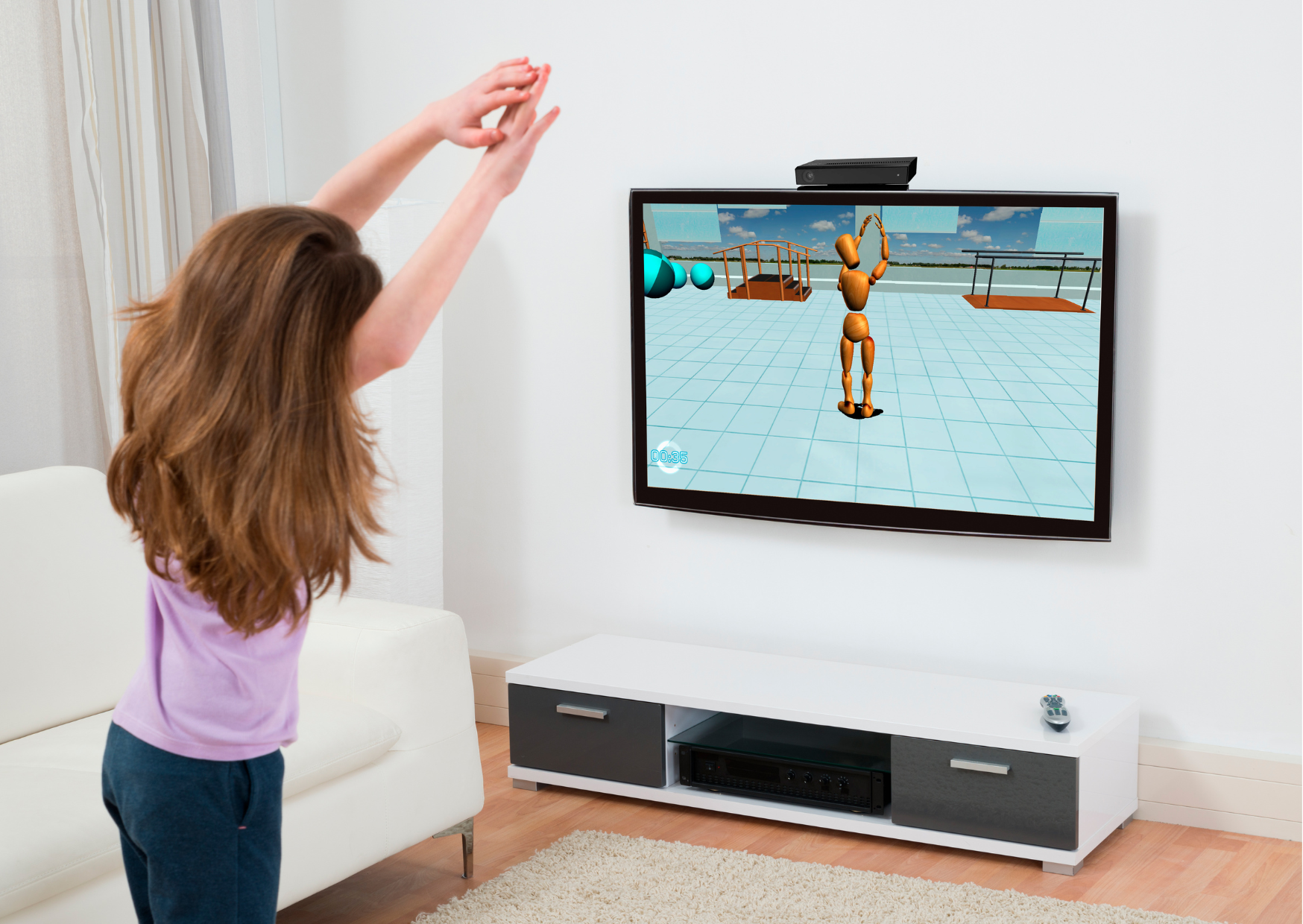
Digital support for neurological physiotherapy
Functional exercises oriented toward movement recovery.
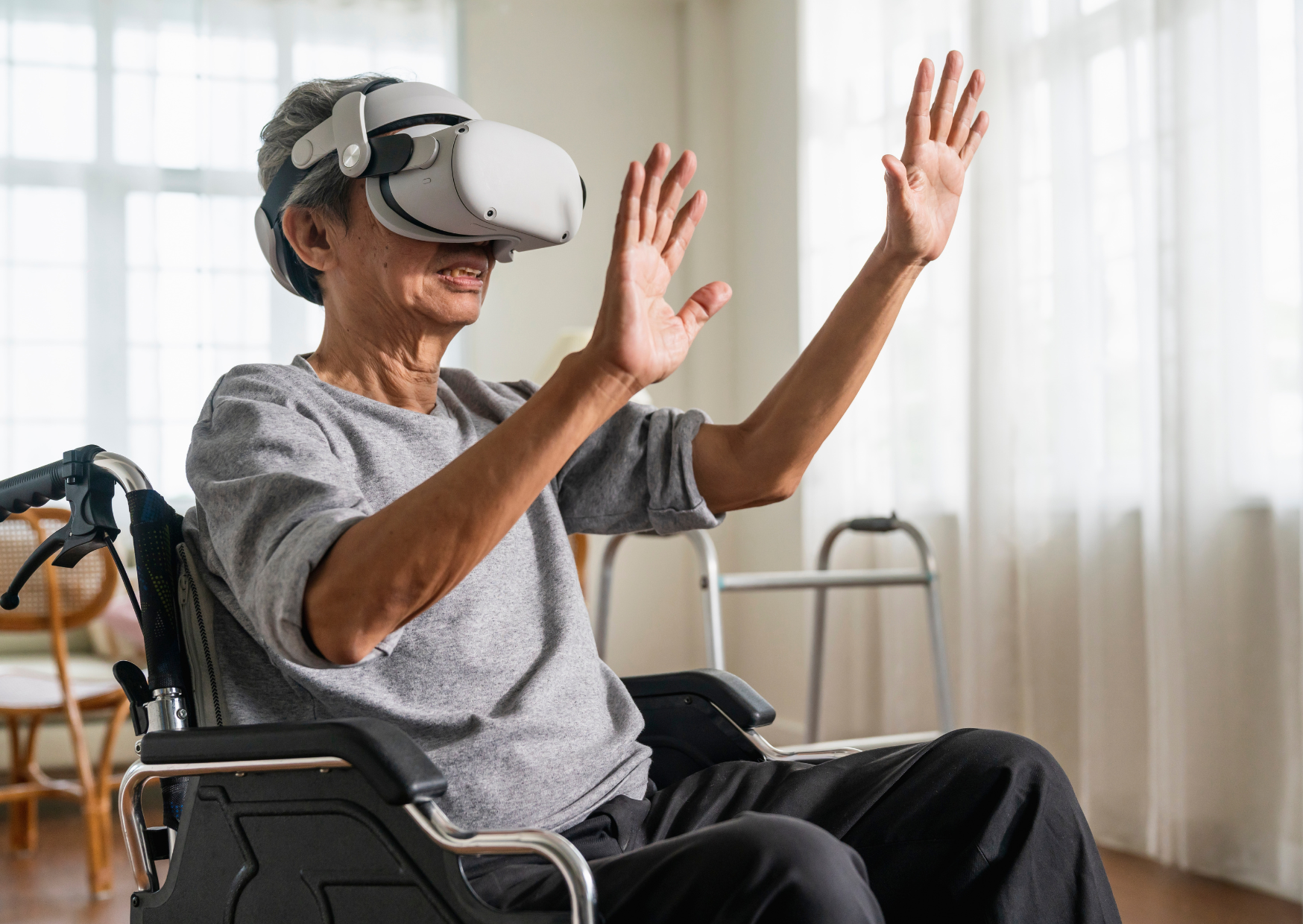
Virtual rehabilitation as a therapeutic support tool
Functional intervention targeting motor and cognitive recovery
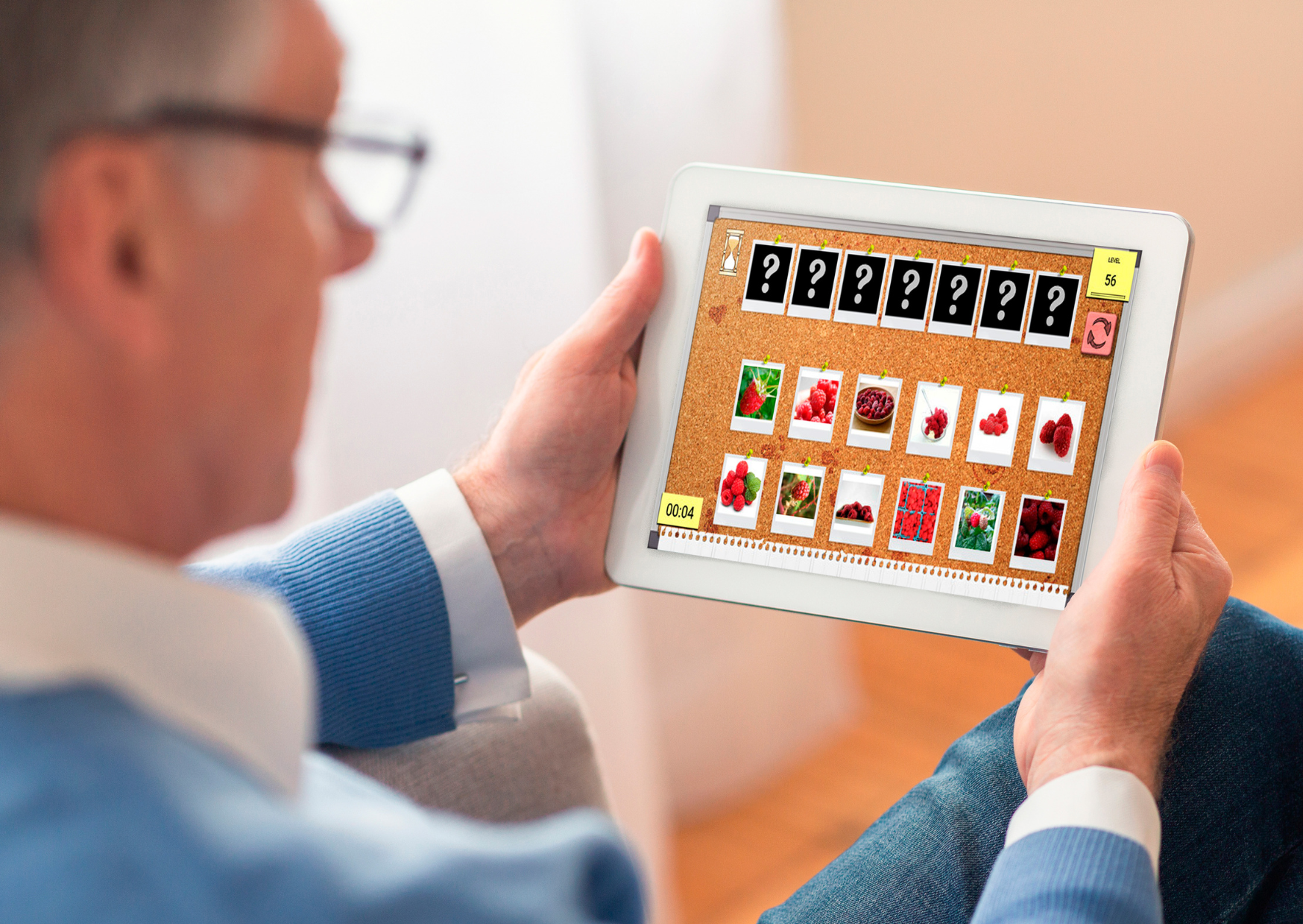
Supervised digital cognitive rehabilitation
Clinician-adapted digital cognitive rehabilitation programs for use in clinical settings.
What virtual reality headsets bring to a neurorehabilitation unit
An immersive rehabilitation program goes beyond the use of the device itself, and encompasses:
-
tareas estructuradas con sentido funcional
-
graded difficulty progression
-
integration into the overall therapeutic plan
-
assessment of the impact on patient performance
This model is particularly robust when supported by standardized measurement systems, such as those offered by Rehametrics across inpatient and outpatient settings.
Active engagement and treatment adherence
Immersive environments promote
-
greater patient involvement
-
increased effective therapy time
-
reduction of passive behaviors
When these changes are accompanied by objective performance records — through tools such as Rehametrics — the clinical team can more accurately evaluate the real impact of the intervention.
Control and modulation of the therapeutic environment
Virtual reality enables the regulation of stimuli, pace, and complexity, which is particularly valuable in patients with cognitive or attentional deficits.
Subsequent assessment through digital platforms makes it possible to compare performance in virtual environments with standardized functional tasks, reinforcing continuity throughout the rehabilitation process.
Personalization according to neurological profile
The combination of immersive therapy and digital assessment allows treatment to be tailored according to:
-
cognitive level
-
fatigability
-
motor capabilities
-
priority functional goals
This personalized approach is consistent with data-driven rehabilitation models.
Clinical areas where immersive rehabilitation delivers the greatest value
Stroke and acquired brain injury
In these patients, immersive rehabilitation enables work on attention, executive functions, and visuomotor integration, while tools such as Rehametrics facilitate systematic functional assessment and longitudinal monitoring.
Cognitive disorders
Structured virtual environments, combined with digital assessment, enable:
-
objective measurement of performance changes
-
adjustment of therapeutic goals
-
documentation of functional cognitive progression
Motor rehabilitation and postural control
In combined programs, virtual reality can complement motor training, while clinical platforms enable standardized measurement of balance, postural control, and functional outcomes.
Immersive rehabilitation and clinical outcomes
The importance of functional goals
For technology to have a real impact, it must be linked to measurable functional goals. The integration of immersive rehabilitation with systems such as Rehametrics facilitates:
-
defining clear goals
-
evaluating progression
-
justifying clinical decisions
Generation of clinically relevant data
Functional assessment platforms enable the immersive experience to be transformed into structured clinical data, valuable both for the care team and for unit management.
Strategic value of immersive rehabilitation in advanced units
Units that integrate virtual reality headsets with immersive rehabilitation programs alongside digital assessment systems such as Rehametrics strengthen a care model that is:
-
functionality-driven
-
supported by validated health technology
-
oriented toward continuous improvement and clinical traceability
Key criteria for responsible implementation
Integration into real clinical practice
The technology must:
-
integrate into care pathways
-
be usable by diverse professional profiles
-
be complemented by assessment and monitoring systems
Seguridad, supervisión y escalabilidad
In larger units, it is essential that the solution:
-
enables safe use
-
is scalable
-
supports consistent team training
The combination of immersive therapy and established clinical platforms supports this approach.
Conclusion
Virtual reality headsets with immersive rehabilitation programs now represent a fully integrated resource in advanced neurorehabilitation units, provided their use is underpinned by clinical criteria, functional goals, and appropriate assessment systems.
The incorporation of platforms such as Rehametrics enables objective support for these interventions, transforms the therapeutic experience into meaningful clinical data, and reinforces outcomes-oriented care models.
In this way, immersive technology moves beyond being an isolated element to become a structural component of the modern rehabilitation process.