Digital group sessions in physical rehabilitation: a therapeutic tool to improve motivation and functional outcomes
Physical rehabilitation in older adults, whether in nursing homes, day centres or community associations, faces well-known clinical challenges: low adherence, difficulty sustaining attention, early fatigue and limited motivation to maintain medium- and long-term therapeutic programmes.
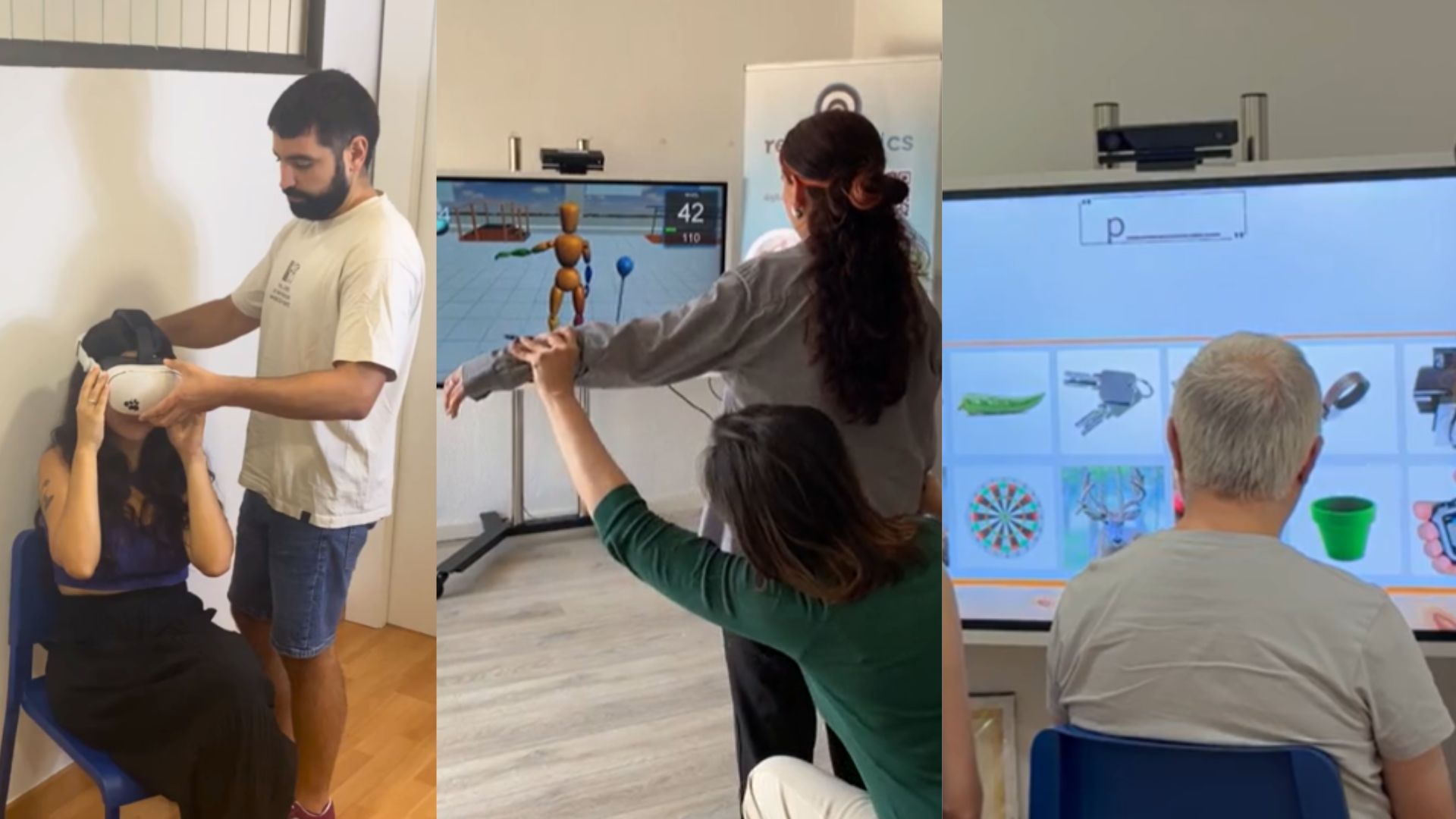
In this context, clinically designed and properly supervised digital group activities with a therapeutic purpose are emerging as a valuable complementary resource. The new digital group activities incorporated into Rehametrics Physical follow this approach, integrating seamlessly into physiotherapy and occupational therapy programmes focused on maintaining and improving physical functions.
Why incorporate digital group activities into physical rehabilitation
Limitations of traditional repetitive rehabilitation
In geriatric and community settings, it is common to observe:
-
A gradual loss of interest in repetitive tasks.
-
Low active participation during the session.
-
Partial discontinuation of therapeutic exercise programmes.
These factors limit the real impact of the intervention, even when functional goals are clearly defined.
The role of motivation and therapeutic adherence
Clinical experience shows that active patient engagement and perceived usefulness are key to maintaining physical function. Digital group activities introduce variability, immediate feedback and a structured social component that support adherence, without replacing the clinician’s clinical reasoning.
Therapeutic foundations of digital group activities
Social interaction and active participation
Interaction with other users during a therapeutic task facilitates participation and reduces passive behaviours, especially in older adults with mild or moderate functional impairment.
Digitalisation with a functional goal
In a clinical context, technology only makes sense when:
-
Tasks reproduce functional movements.
-
Therapeutic goals are clear and measurable.
-
The digital stimulus serves the therapeutic intervention.
Rehametrics Físico’s digital group activities are designed within this clinical framework, avoiding purely recreational dynamics.
Effort regulation and therapeutic feedback
The clinician can adjust parameters such as duration, range of motion, or difficulty, ensuring that the level of exertion is tailored to frailty, multimorbidity, and fatigue risk.
what digital group activities in Rehametrics Físico bring to clinical practice
Digital group activities should not be seen merely as a way to “make the session more enjoyable,” but as a structured therapeutic tool that provides clinical value when properly integrated into the treatment plan.
They facilitate functional group work without losing clinical control.
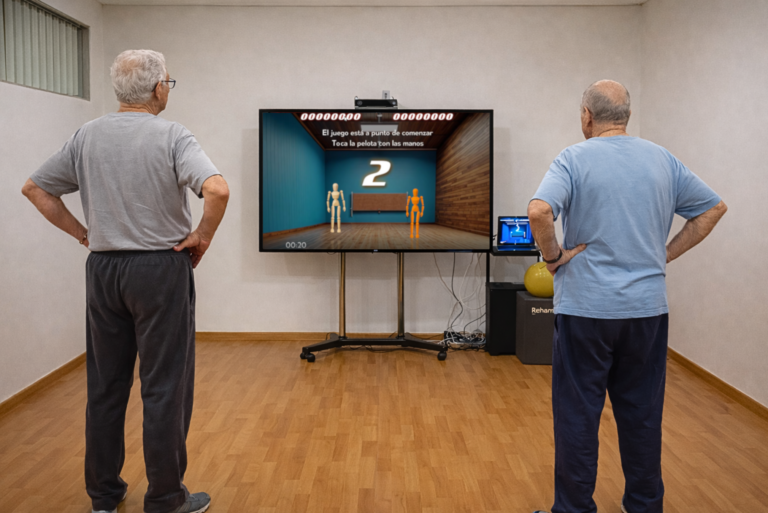
One of the main challenges in nursing homes, day care centers and community associations is organizing group sessions without diluting therapeutic individualization. Digital group activities allow:
-
To maintain a common functional goal.
-
To adjust difficulty and range parameters for each participant.
-
To continuously monitor execution and response to effort.
This makes clinically-directed group work possible, rather than merely providing basic care.
They reinforce active participation in profiles with low initiative.
In older adults with apathy, lack of motivation or low levels of initiative, the digital environment acts as a facilitator for action:
-
It provides a clear and understandable stimulus.
-
It reduces downtime during the session.
-
It supports task continuity without the need for constant instructions.
The result is greater real motor involvement, especially in frail profiles or those with mild-to-moderate functional impairment.
They allow the integration of a social component without losing the therapeutic goal.
The group component introduces structured social interaction, which is relevant in settings where isolation and passivity are common. Unlike recreational activities:
-
The interaction is linked to a specific motor task.
-
Cooperation and peer reference are encouraged without introducing competitive pressure.
-
The focus remains on function, not on playful performance.
They provide immediate feedback that facilitates motor learning
Visual and temporal feedback helps:
-
Improve movement awareness.
-
Adjust execution in real time.
-
Reinforce the perception of self-efficacy.
This is especially useful in geriatrics, where motor learning can be limited by fatigue, attentional deficits, or slowed information processing.
They optimize resource use in high‑demand clinical environments.
From an organisational perspective, digital group activities:
-
Facilitate effective group sessions with a single professional.
-
Allow therapeutic intensity to be maintained without increasing the therapist’s physical workload.
-
Support continuity of care in high-demand settings.
Clinical applications in geriatrics, day care centres and community associations
Intervention in long-term care facilities
In long-term care facilities, digital group activities enable:
-
Introduce functionally oriented training adapted to frailty.
-
Facilitate participation in small therapeutic groups.
-
Support fall prevention programmes and the maintenance of autonomy.
The group component acts as a facilitator of engagement, provided that the clinician appropriately selects participants. Likewise, the use of Rehametrics in long-term care facilities has already demonstrated the ability to deliver more dynamic and motivating sessions.
Therapeutic use in day care centres
In day care centres, this type of activity is particularly useful for:
-
Maintain motor capacities in active older adults.
-
Work on balance, coordination, and functional mobility.
-
Structure group sessions around clearly defined therapeutic goals.
Application in associations and community-based settings
In associations for older adults or individuals with chronic conditions:
-
They support adherence to therapeutic exercise programmes.
-
They allow the integration of physical training with attentional stimulation.
-
They facilitate continuity of care in non-hospital settings.
Observable therapeutic benefits in clinical practice
- Increased participation during sessions: a structured group format promotes more active and sustained engagement.
- Improved treatment adherence: task variability and visual feedback help sustain interest over the medium term.
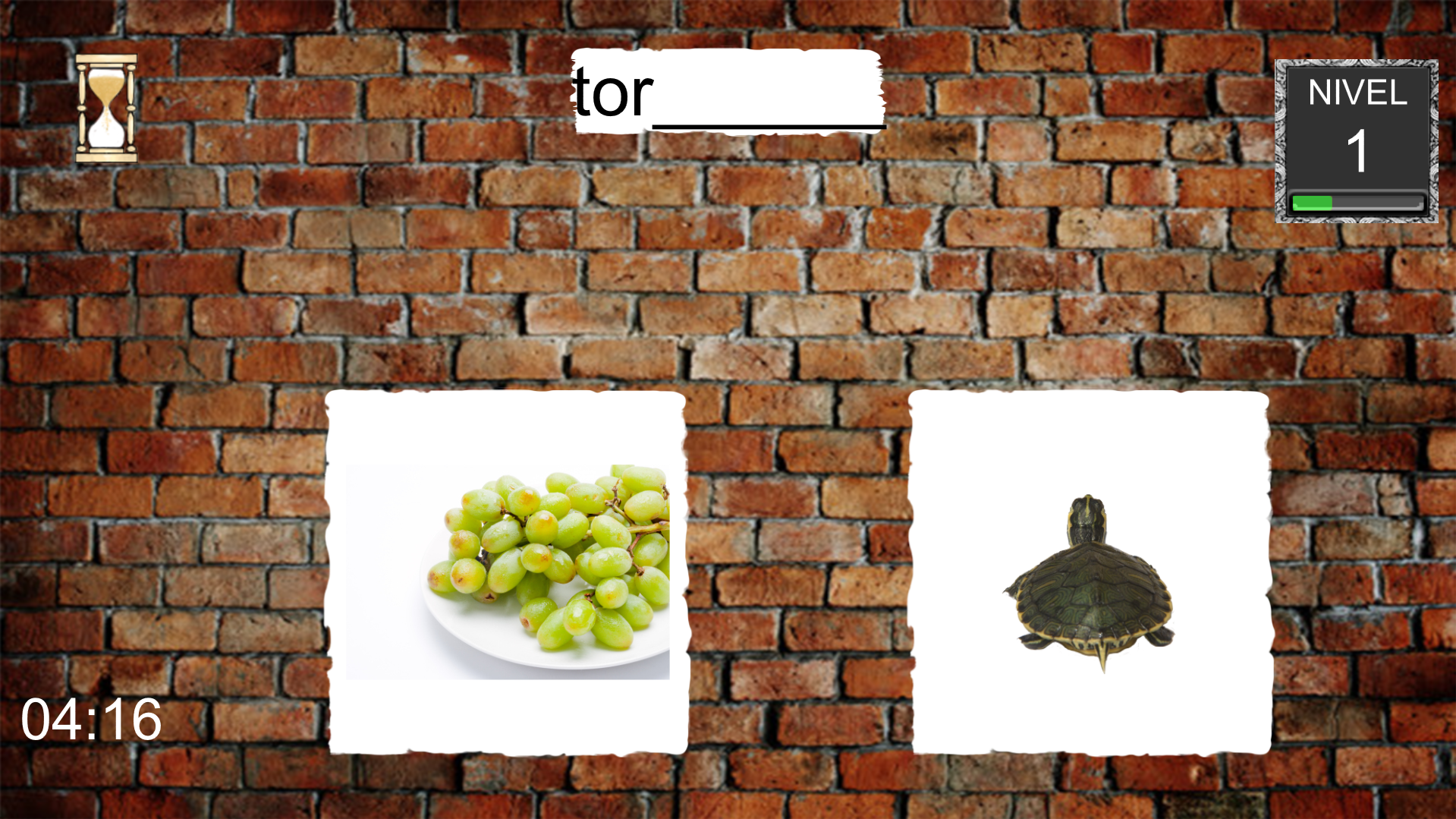
- Reinforcement of the cognitive component: digital group activities involve attention, motor planning, and decision-making, which are clinically relevant in geriatric populations.
- Optimisation of therapeutic delivery: they enable effective group sessions while maintaining clinical control and individualisation.
Conclusion: the therapeutic value of digital group-based intervention
Digital group activities in Rehametrics Físico represent a useful tool for physiotherapists and occupational therapists working in geriatrics, day care centres, and community associations, enriching intervention without compromising clinical rigour.
When applied with professional judgement, they support motivation, adherence, and active participation, all key factors in preserving function and autonomy in older adults. In this way, technology demonstrates its value when coherently integrated into clinical reasoning.
Find out more about how our solutions can make a difference!