
How to Integrate Digital Therapy into Hospitals and Rehabilitation Centers
The integration of digital therapy into rehabilitation should be approached as a clinical and organizational decision, not merely a technological one. Its usefulness depends on whether it improves treatment, facilitates follow-up, and fits into the facility’s actual operations.
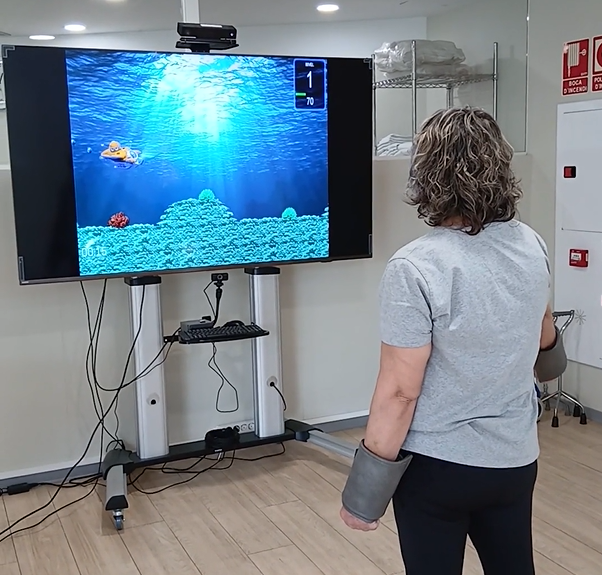
Table of contents
What is digital therapy in rehabilitation?
Digital therapy is not the same as just any computer tool used in healthcare. In rehabilitation, it makes sense when it is part of the treatment plan and is integrated into therapeutic goals defined by the healthcare professional.
It must support at least the following features:
-
tailor tasks to the patient’s level,
-
track activity and performance,
-
facilitate clinical follow-up,
-
support continuity of care.
In this context, Rehametrics can serve as a solution tailored to rehabilitation practice, particularly when a facility needs to structure treatment, customize interventions, and track progress.
What value does it bring to hospitals and rehabilitation centers?
The value of digital therapy lies not in incorporating technology for its own sake, but in addressing specific healthcare needs.
Their most significant contributions are typically:
-
greater therapeutic intensity, by facilitating repeated and structured practice;
-
more customization, including the ability to adjust tasks and difficulty;
-
mejor seguimiento, con registro más sistemático de uso y evolución;
-
greater continuity of care, especially between the facility and the patient’s home;
-
better coordination, within multidisciplinary teams.
In hospitals and rehabilitation centers, this can be particularly useful in neurorehabilitation, cognitive rehabilitation, and supervised outpatient or home-based programs.
Common barriers to implementation
The main challenge usually lies in clinical adoption, not in the technology.
The most common barriers are:
-
resistance to change in teams with a heavy caseload;
-
lack of time for training and onboarding;
-
does not fit well into the usual clinical workflow;
-
doubts about its actual usefulness for certain profiles;
-
usability issues for professionals or patients.
For this reason, the tool should be clinically useful rather than technologically impressive.
A multidisciplinary approach through three treatment modules
Address physical, cognitive, and occupational rehabilitation from a single, integrated solution.
The modules can be used independently or simultaneously by different members of the clinical team.
Digital support for neurological physiotherapy
Functional exercises oriented toward movement recovery.
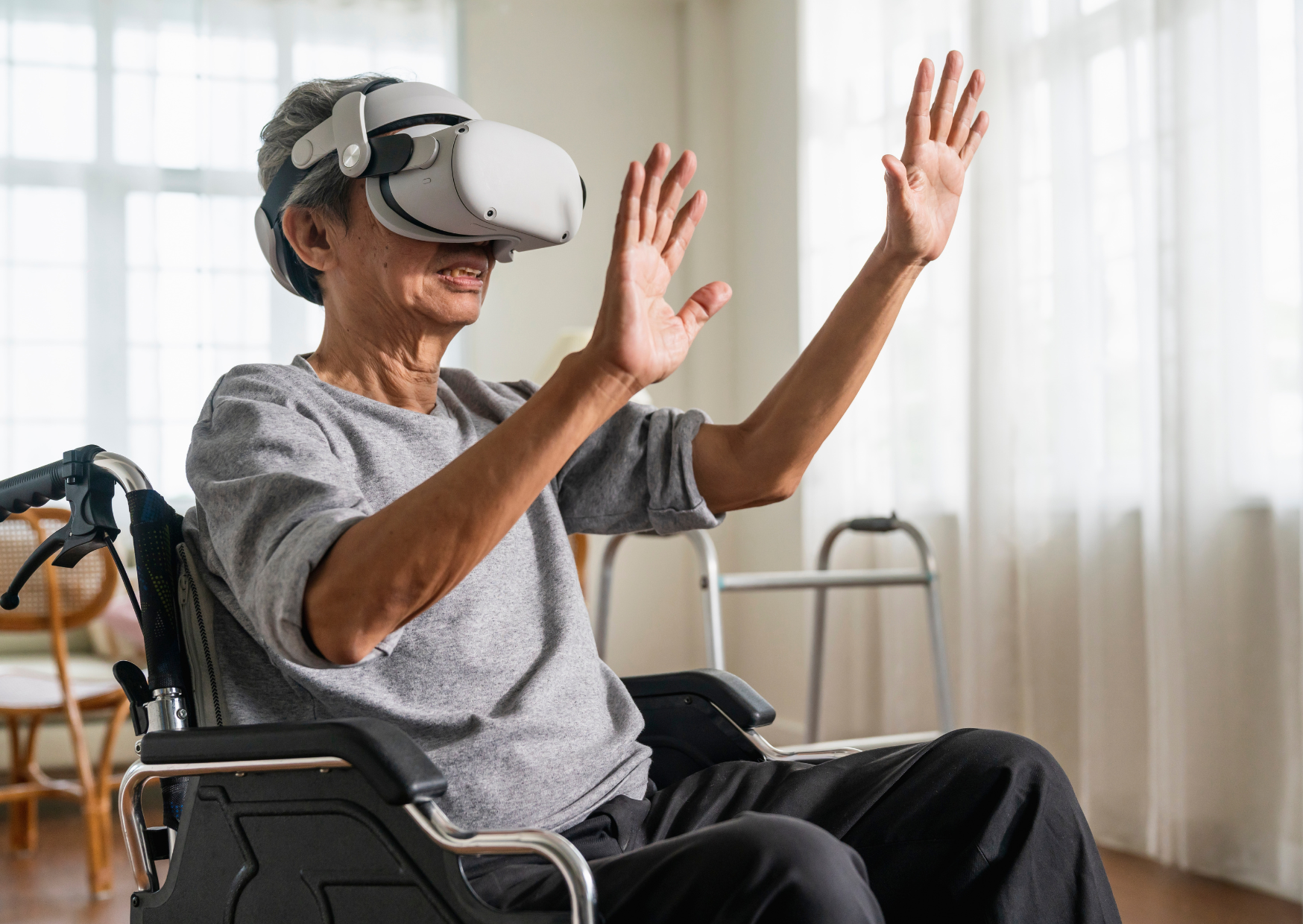
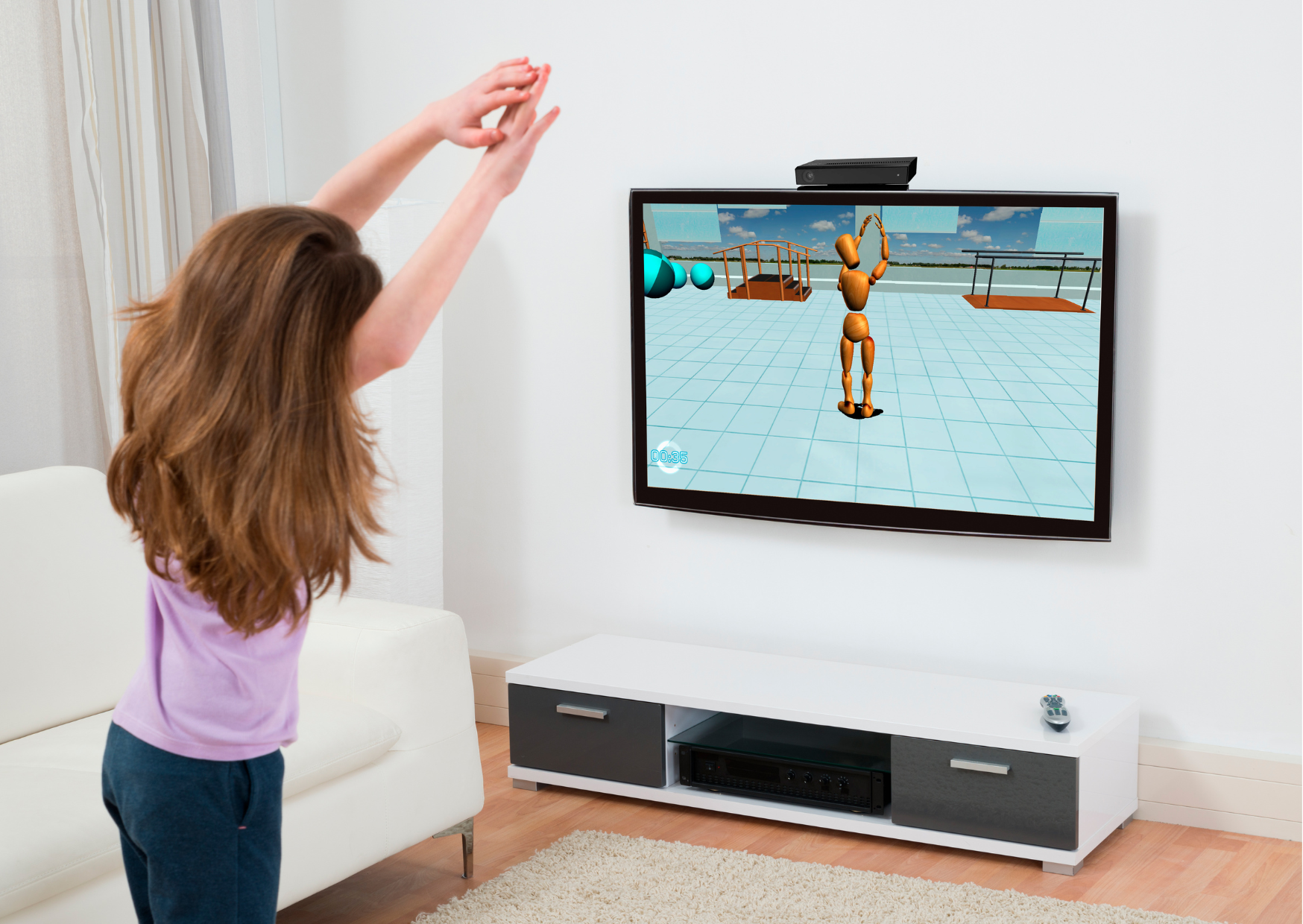
Virtual rehabilitation as a therapeutic support tool
Functional intervention targeting motor and cognitive recovery
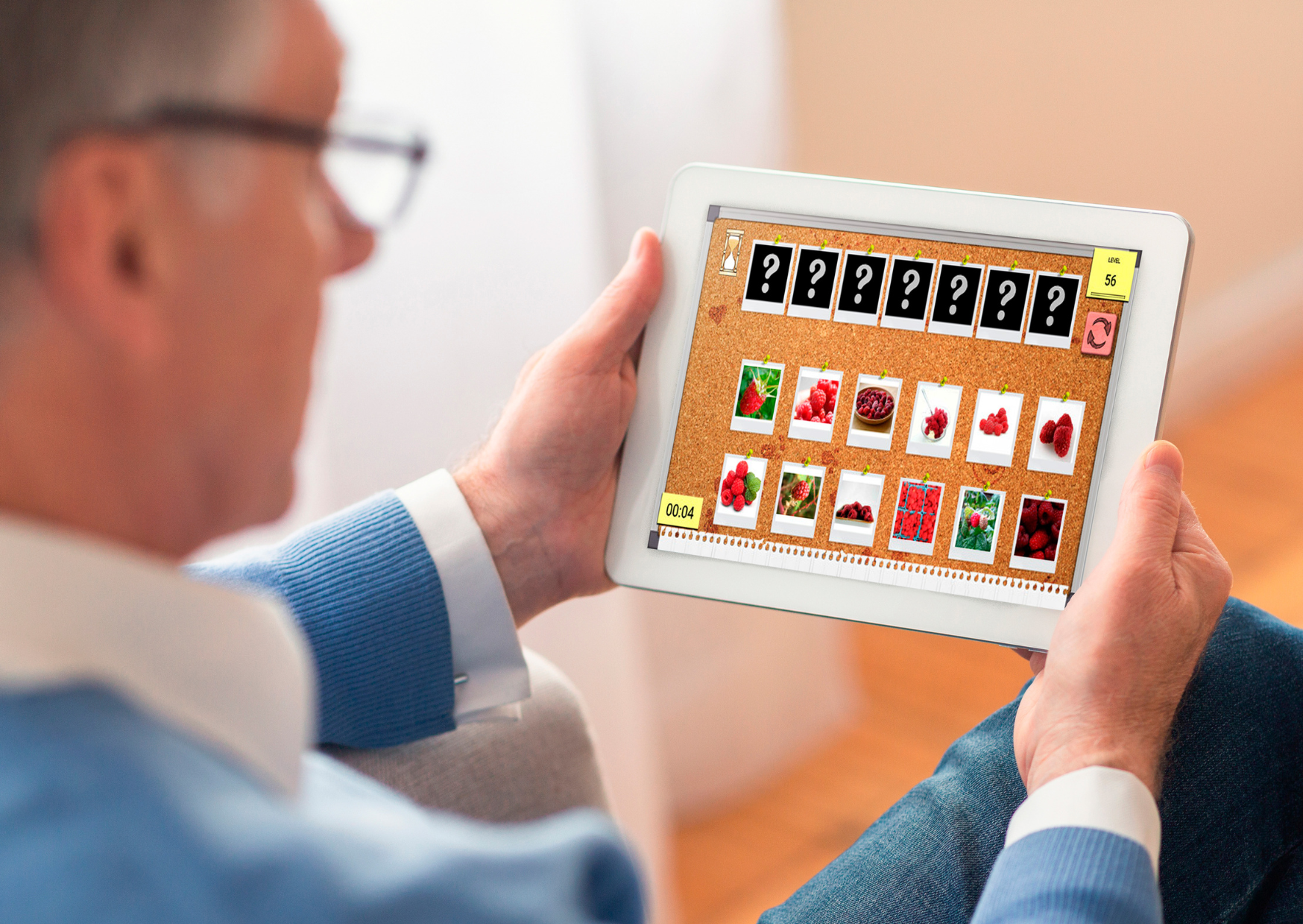
Supervised digital cognitive rehabilitation
Clinician-adapted digital cognitive rehabilitation programs for use in clinical settings.
How to integrate it based on clinical judgment
Implementation should begin with a basic question: What clinical or care-related problem are we trying to solve?
A reasonable approach includes:
-
set specific clinical goals;
-
select appropriate patient profiles;
-
start with a small pilot project;
-
train the professionals involved;
-
review the results before expanding its use.
In this context, Rehametrics can be cited as an example of a useful platform when a facility’s goal is to integrate digital therapy without losing clinical control over the process.
Which metrics should be measured?
The evaluation should not be limited to the number of uses or completed sessions. It is better to measure a few, but relevant, indicators.
The most useful ones are usually:
-
program adherence;
-
actual use of the tool;
-
clinical changes in function or performance;
-
organizational impact on monitoring and decision-making;
-
professional acceptance within the team.
Conclusion
Digital therapy can deliver real value in hospitals and rehabilitation centers when it is implemented with clear objectives, appropriate patient selection, and ongoing evaluation. It does not replace healthcare professionals, but it can enhance the intensity, personalization, and follow-up of care.
For this reason, tools like Rehametrics are valuable when used as a clinical support within a well-defined care model, rather than as a technological add-on with no clear purpose.