
What to Do When a Patient Cannot Maintain Attention: Adjusting Tasks During the Subacute Hospital Phase
In providing sustained attention therapy during the subacute phase after a brain injury, one of the most common scenarios encountered in clinical practice is that the patient cannot maintain attention during the assigned task.
This does not necessarily indicate a lack of ability, but rather, in many cases, a mismatch between the demands of the task and the patient’s current condition.
In the hospital setting, where variability is high and time is limited, a clinician’s ability to quickly identify what is going wrong and adjust the intervention on the spot is key to maintaining therapeutic efficacy.
This article discusses how to interpret these situations and what clinical decisions to make during the session to optimize sustained attention training.
Table of contents
When the treatment fails: a common scenario in the subacute phase
- Early disengagement: The patient begins the task but stops responding consistently after a few minutes. They may stare at the screen without interacting or respond erratically.
- Inconsistent performance: There is a pattern of alternating between correct answers and errors without a clear pattern, even on simple tasks.
- Difficulty sustaining the response: Although the patient understands the instructions, they are unable to maintain the level of arousal needed to complete the exercise
These situations are common and should be viewed as part of the process, not as a failure of the intervention.
First step: Identify what's going wrong
Before modifying the task, it is necessary to conduct a quick clinical assessment of the situation.
Is the assignment too long?
Excessive duration is one of the most common causes of a decline in performance during the subacute phase.
Has the patient understood the instructions?
A partial understanding leads to errors that do not truly reflect the state of attention.
Is the environment getting in the way?
Noise, interruptions, or visual stimuli can significantly impact performance, especially at this stage.
Adjustments made during the session
Effective intervention in this context does not involve completely changing the task, but rather making precise adjustments.
Reduce the duration without changing the task
It is the simplest strategy and, in many cases, the most effective one.
- Break the task down into smaller chunks
- Allow breaks between blocks
This makes it easier for the patient to complete the task while maintaining a minimal level of attention.
Simplify the stimulus
Reducing the complexity of the stimulus can free up attentional resources.
- Fewer items on the screen
- Clearer or higher-contrast stimuli
- Removal of irrelevant elements
Reduce speed or load
Reducing the frequency of stimuli or the pace of the task allows the patient to process information more steadily.
Incorporate structured breaks
Pauses should be part of the design, not an impromptu reaction.
- Short but frequent breaks
- Resumption when the patient regains focus
When to stick with the task (and not change it)
One of the most common mistakes is changing the task too quickly.
There are situations in which it is preferable to keep it:
When there is active effort
Even if the results aren’t impressive, as long as the patient is engaged, therapeutic progress is being made.
When performance is low but stable
Stability is a more important indicator than accuracy in the early stages.
When the goal is tolerance
In many cases, the goal is not to improve immediate performance, but to increase the amount of time the patient can sustain the task.
Signs that the task is well-suited
A good fit does not mean the absence of errors, but rather an appropriate balance between demand and capacity.
Useful clinical indicators:
- The patient remains active during the task
- The errors are consistent, not chaotic
- It is capable of completing defined blocks
- There is no sudden onset of fatigue in the first few minutes
Common mistakes made by clinicians in this regard
- Switching tasks too quickly: This prevents consolidation and hinders learning.
- Increasing difficulty without first establishing stability: Progression should be based on the ability to sustain performance, not on a single execution.
- Sticking with unsuitable tasks for too long: Insisting on tasks that are clearly ill-suited leads to frustration and unnecessary fatigue.
How tools like Rehametrics make this process easier
Real-time adjustment requires tools that allow the task to be modified without interrupting the therapeutic process.
In this regard, platforms such as Rehametrics enable:
- Immediately shorten or extend the duration of tasks
- Adjust the speed or frequency of the stimuli
- Keep the same task structure while making only minor changes
- Avoid the need to manually redesign exercises
This allows clinicians to focus on decision-making rather than on managing the tool.
A multidisciplinary approach through three treatment modules
Addressing physical, cognitive, and occupational rehabilitation from a single integrated solution.
The modules can be used independently or simultaneously by different members of the clinical team.
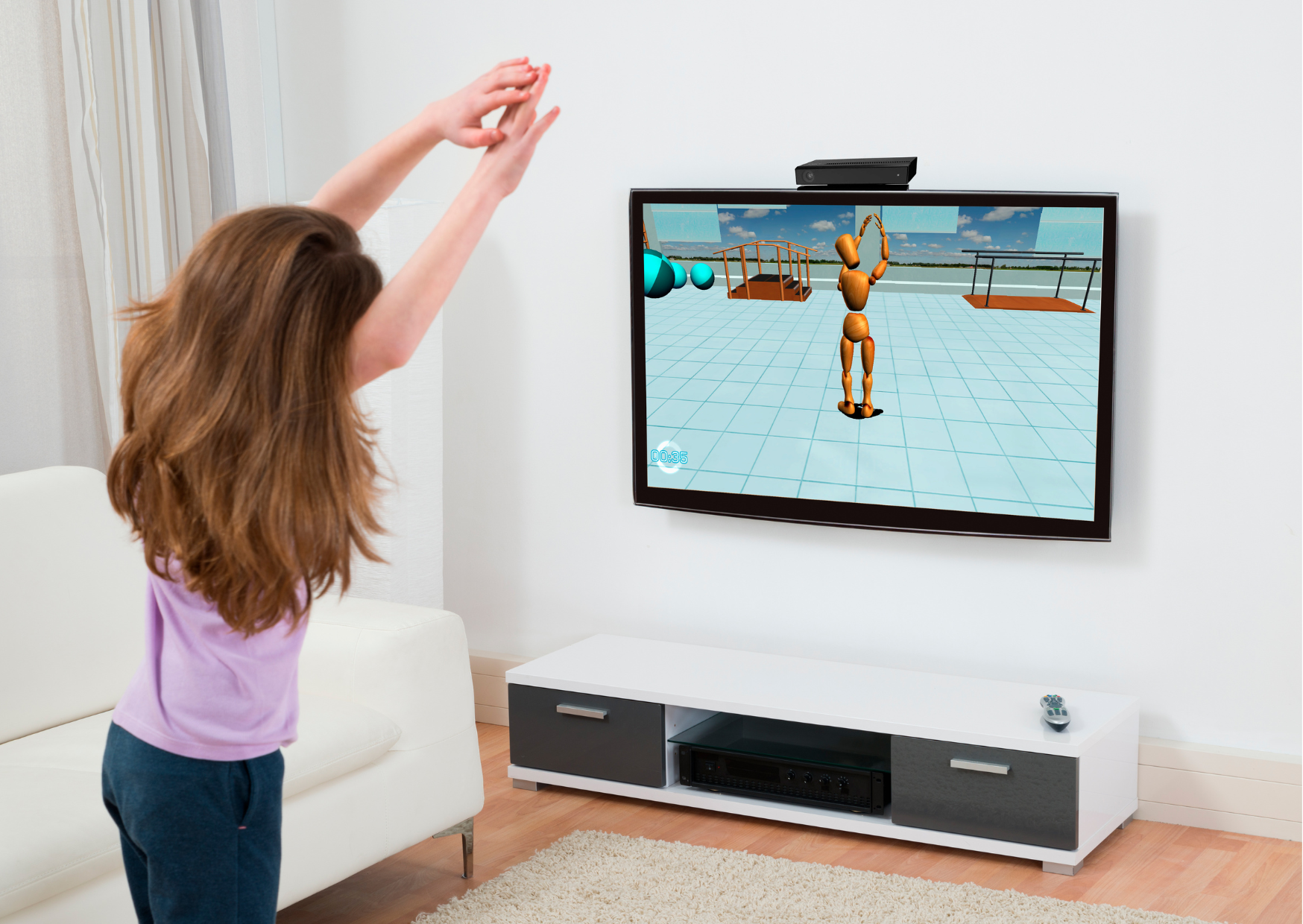
Digital support for neurological physiotherapy
Functional exercises oriented toward movement recovery.

Virtual rehabilitation as a therapeutic support tool
Functional intervention targeting motor and cognitive recovery
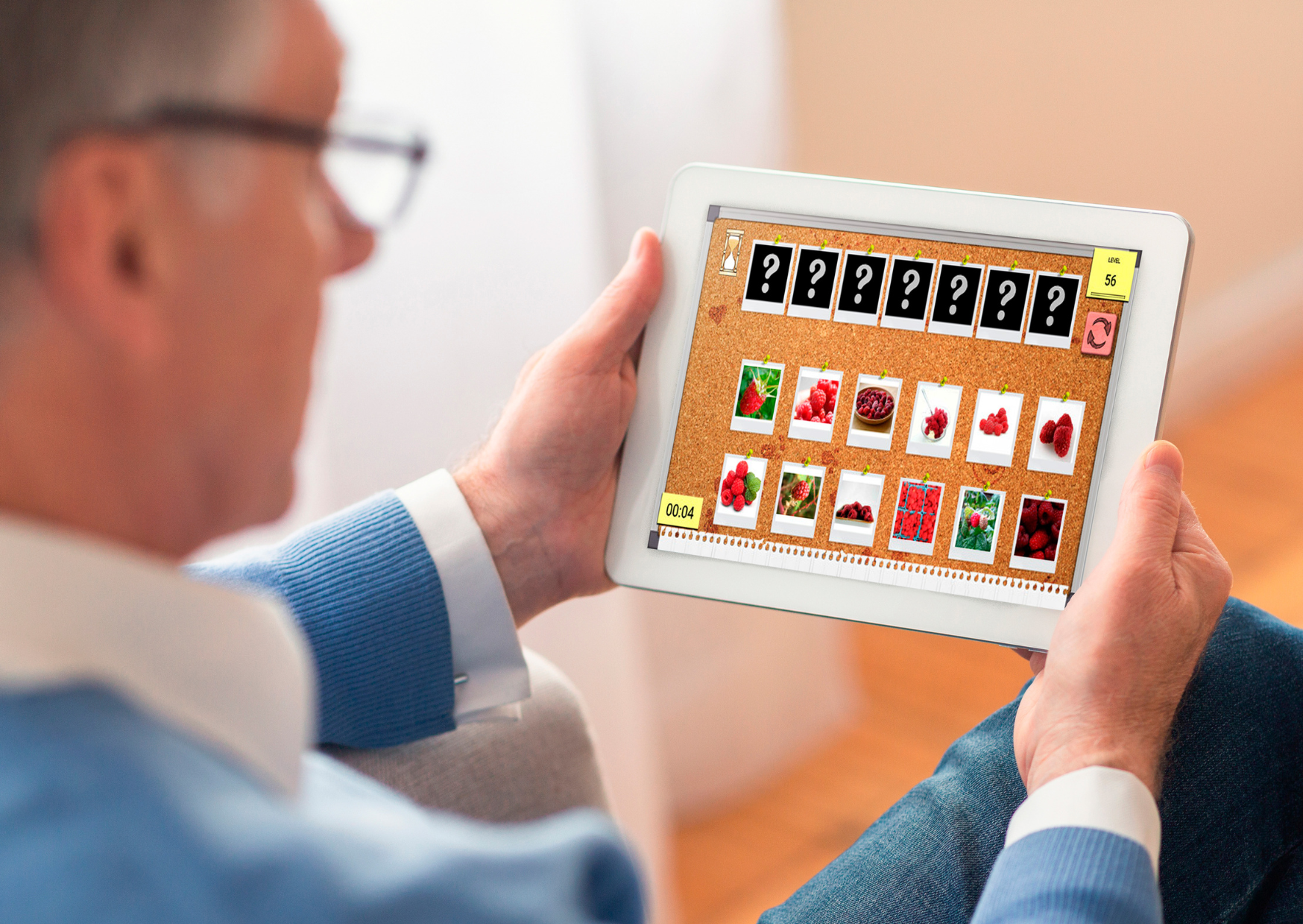
Supervised digital cognitive rehabilitation
Clinician-adapted digital cognitive rehabilitation programs for use in clinical settings.
Conclusions
The fact that a patient is unable to sustain attention during a task in the subacute phase should not be interpreted as a failure, but rather as a sign that an adjustment is needed.
Effective intervention is based on:
- Observe the patient’s behavior during the task
- Quickly identify the source of the problem
- Make simple, targeted adjustments
- Prioritize stability and tolerance in the face of complexity
In a hospital setting, where conditions are constantly changing and time is limited, the ability to adapt treatment on the spot is one of the factors that most influences the quality of care.