The patient experience with virtual reality in rehabilitation: how do they experience it?

The patient experience with virtual reality in rehabilitation: how do they experience it?

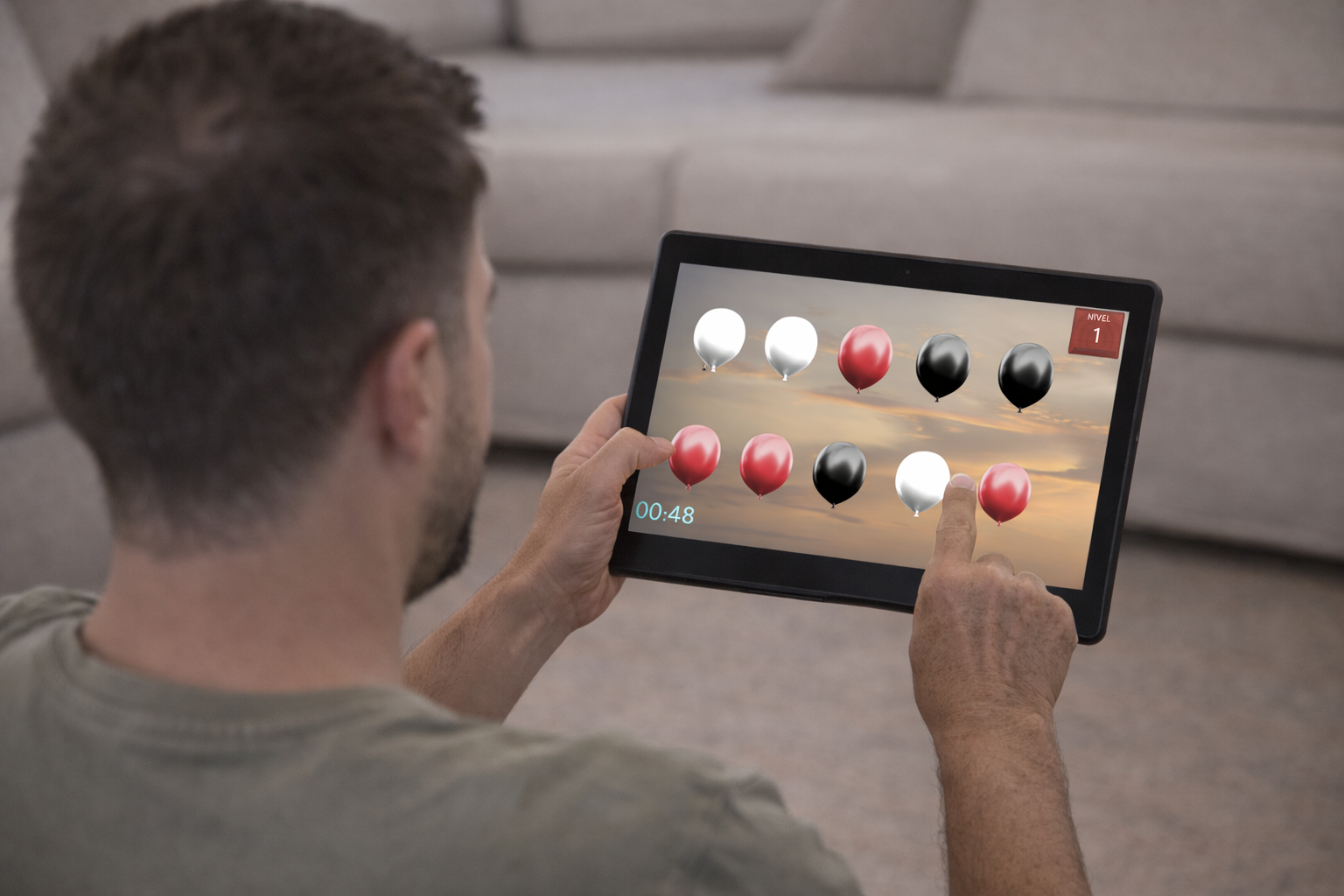
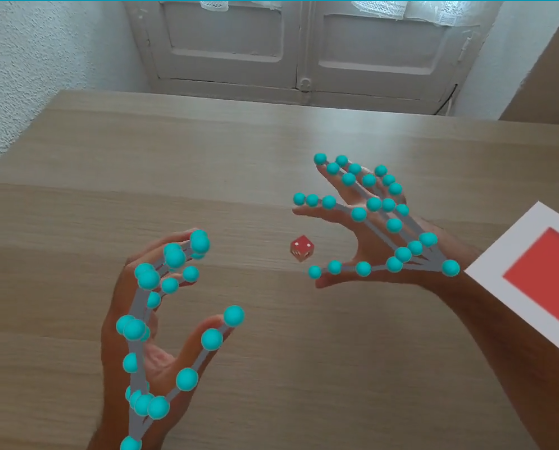
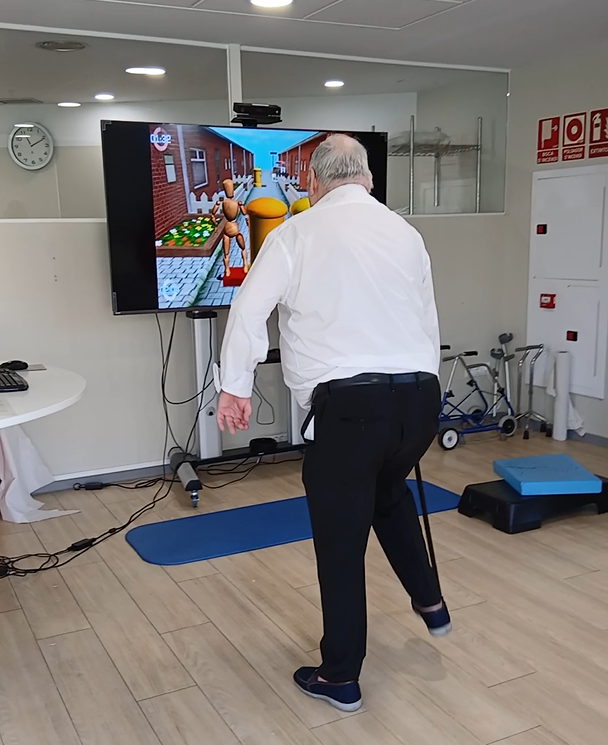
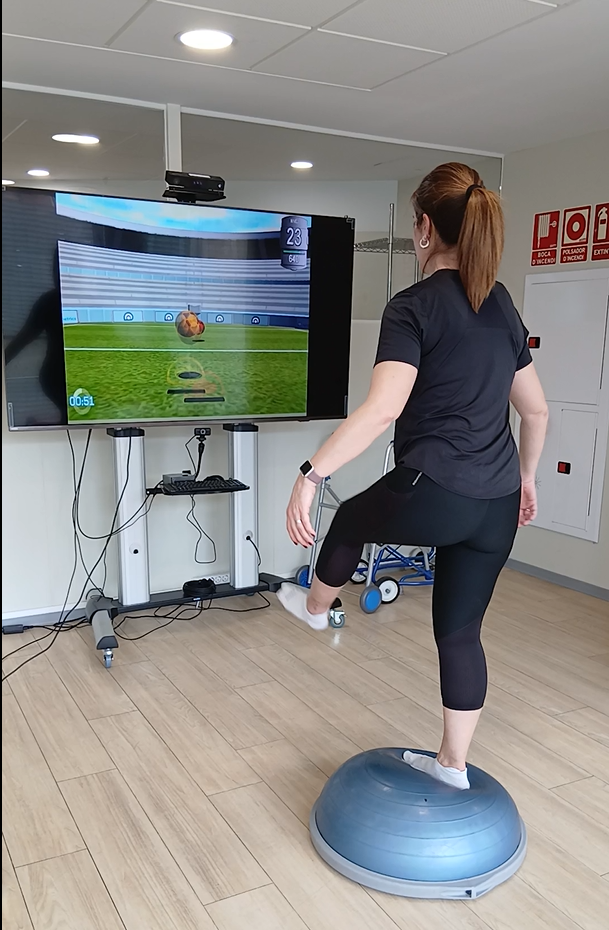
A patient using Rehametrics

The incorporation of technology in rehabilitation is no longer just a technical issue. Increasingly, professionals are asking themselves: How do patients perceive these tools? Do they feel comfortable? Motivated? Do they really get more involved? In this article we explore, based on real testimonials, the experience of a patient with virtual reality in rehabilitation, addressing their perception, motivation and degree of commitment to digital treatment.

First contact: surprise, doubts and curiosity

The first session with virtual reality can trigger all kinds of reactions: amazement, distrust or curiosity. But that initial reaction usually lasts only a short time.

“There are patients who come in with doubts, but when they realize they can do it, they get hooked.”

This first moment is key to favor the acceptance of technology in clinical rehabilitation, especially in elderly or neurologically impaired patients.

Factors that influence the perception of the patient about virtual reality therapy

The perception of the patient about virtual reality therapy does not depend solely on the device. Many elements influence it:

  • Age and familiarity with screens or digital environments

  • Level of cognitive or sensory sequelae

  • Context in which the technology is presented

  • Clinical support during use

"If you don't explain that this has a clinical basis, some people see it as a game and don't value it. But when they understand it, they get more involved and improve more quickly,"

Acceptance of virtual reality in older adults

One of the aspects most highlighted by the professionals is the ease with which even older people can adapt to digital tools is especially when they feel supported and understood.

“Many see themselves with an avatar and visualize their movement better. Even older people who had never used technology come out saying, 'This is just like what my grandson does... and I've done it too!'"

This type of experiences reflect a high acceptance of virtual reality in older people, especially when the exercises are well explained, have a playful component and the environment is adapted to their needs.

In addition, the feeling of competition reinforces motivation:

“These are people who are often unable to make certain movements, but a8> make certain movements, but when they see that they can, that score, that are in the ranking... they come up. And they ask to repeat.”"They are people who often don't see themselves capable of making certain movements, but when they see that they can, that they score, that they are in the ranking... they are motivated. And they ask to do it again."

Patient motivation with virtual reality: what they value the most

The motivation of the patient with virtual reality is one of the most notable effects: the immersive environments, immediate feedback, and the variety of exercises increase engagement.

"It has helped me a lot. My hand is already working much better," says Ambar. "I love the exercises: cooking, hanging out the laundry, going shopping..."

Another patient sums it up this way:

“It has music, it has colors… I forget that I am in rehabilitation and that I have had a stroke. It's like if I were playing, and that I love."

This type of testimonials illustrate how virtual reality affects the involvement of the patient: when they feel capable and entertained, they try harder, repeat more… and make more progress.

There are also patients who not only get involved, but also compete. As one therapist who uses Rehametrics comments:

“I have the case of that on Mondays there are three patients who are super into the rankings, want the crown, are very motivated. They ask me for it. And the nice thing is that they do exercises that they would normally avoid. You give them a helicopter and targets, and without realizing it they're doing squats."

Common barriers from the patient's perspective

While most welcome these technologies, there are common resistances:

  • Fear of “not knowing how to use it”.

  • Perception that “it’s a game, not therapy”.

  • Visual or audible overstimulation in sensitive cases

Sometimes the family or the patient themselves think it is a game. It is important to explain very clearly that this is a treatment which has a clinical basis."

Therefore, it is important to understand the patient’s opinion about digital rehabilitation is as important as measuring clinical outcomes. The subjective experience also conditions the adherence.

The therapist's role as facilitator of the experience

A digital tool can be very powerful… or very frustrating, depending on how it is introduced. Here, the therapist is key:

  • Present the tool from the treatment standpoint, not as a game.

  • Actively accompany in the first sessions

  • Adjust level, pace and environment

  • Reinforcing the positives

"It's not that technology replaces the heathcare professional, it empowers them," says Dr. Lluís Guirao. "It allows us to devote more time to observing, adjusting and motivating."

Conclusion: what patients really perceive

The results are not only measurable in data, but also in feelings. And when the patient:

  • Understand what the tool is for.
  • Feels capable of using it.
  • Is having fun and sees themselves making progress.

…the experience of the patient with virtual reality in rehabilitation becomes a real clinical ally.

Scroll to Top