
Virtual rehabilitation in neurorehabilitation: a key component in advanced clinical units
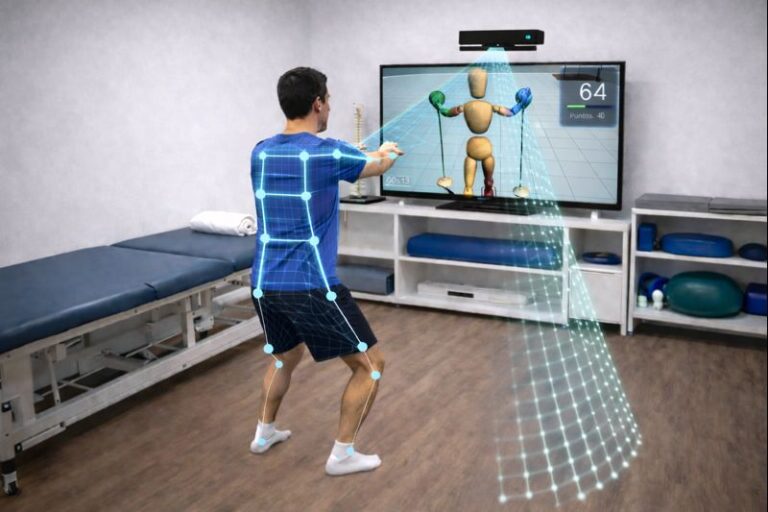
Table of contents
1. The Technological Transformation of Neurorehabilitation
In recent years, neurorehabilitation has undergone a gradual shift toward more structured, measurable care models focused on functional outcomes. This change is not solely due to the availability of new technologies, but also to the need to address:
-
Greater clinical complexity among neurological patients.
-
Increased demand for care in the subacute and chronic phases.
-
The need to optimize therapeutic resources without compromising the quality of care.
In this context, virtual rehabilitation in neurorehabilitation is establishing itself as a complementary clinical tool, in line with the current objectives of healthcare systems and major healthcare groups.
This is not a one-off innovation, but rather a structural response to a paradigm shift in healthcare.
2. Virtual rehabilitation as part of the modern care model
Virtual rehabilitation should be understood as an integrated digital therapeutic model, rather than as a standalone set of exercises or devices.
In advanced neurorehabilitation units, their role is defined by three key principles:
Real-world clinical integration
Virtual rehabilitation is incorporated into the overall treatment plan, which is developed and supervised by the clinical team. It does not replace conventional therapy, but rather expands the service’s therapeutic capabilities.
Therapeutic complementarity
Allows:
-
Increase the intensity and number of repetitions of the exercises.
-
To facilitate continuity of care between in-person sessions.
-
Tailor the intervention to different functional and cognitive profiles.
Continuity of care
In hospital and outpatient settings, virtual rehabilitation facilitates the transition between phases of the rehabilitation process, contributing to more continuous and structured care.
A multidisciplinary approach through three treatment modules
Address physical, cognitive, and occupational rehabilitation from a single, integrated solution.
The modules can be used independently or simultaneously by different members of the clinical team.
Digital support for neurological physiotherapy
Functional exercises oriented toward movement recovery.
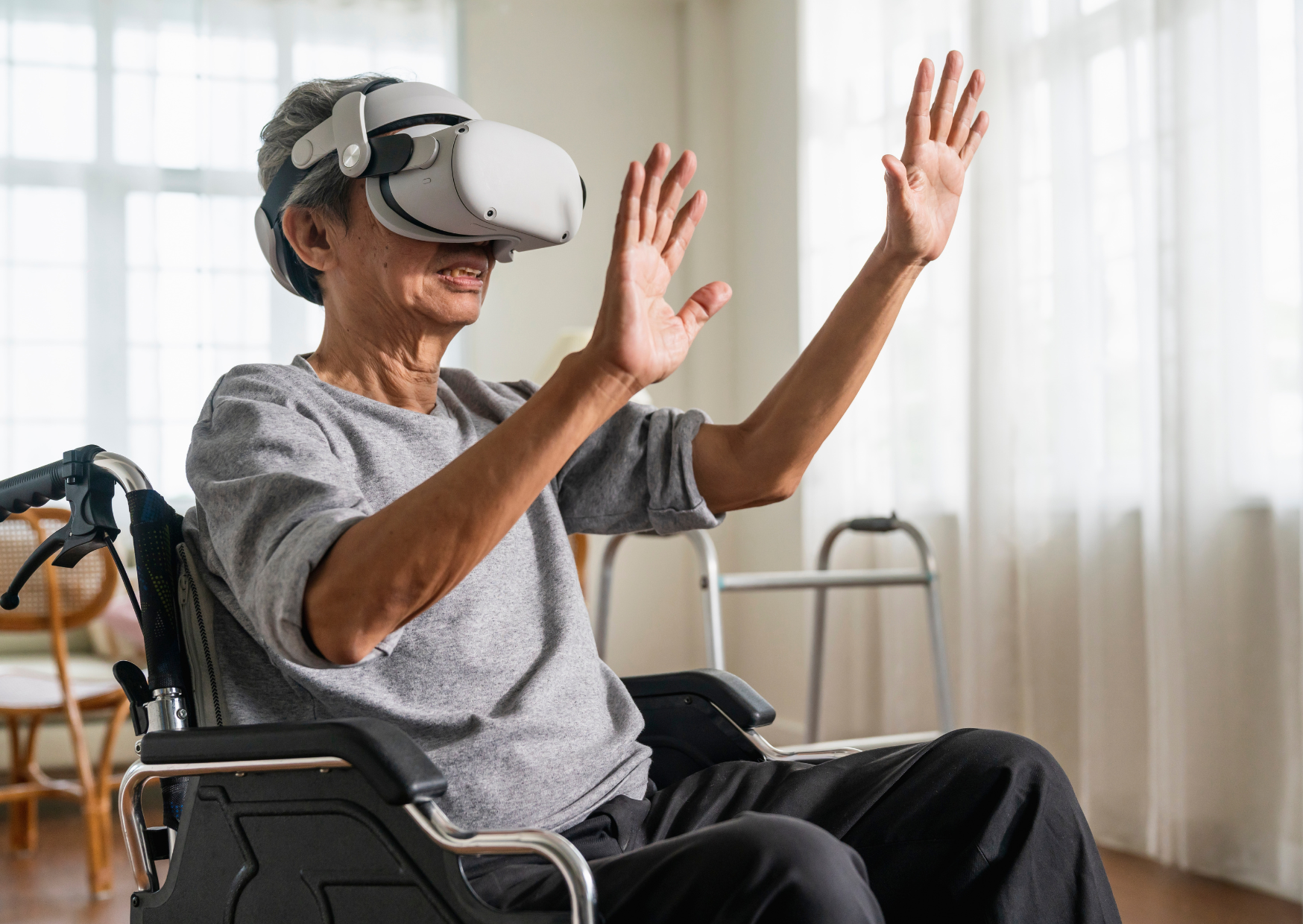
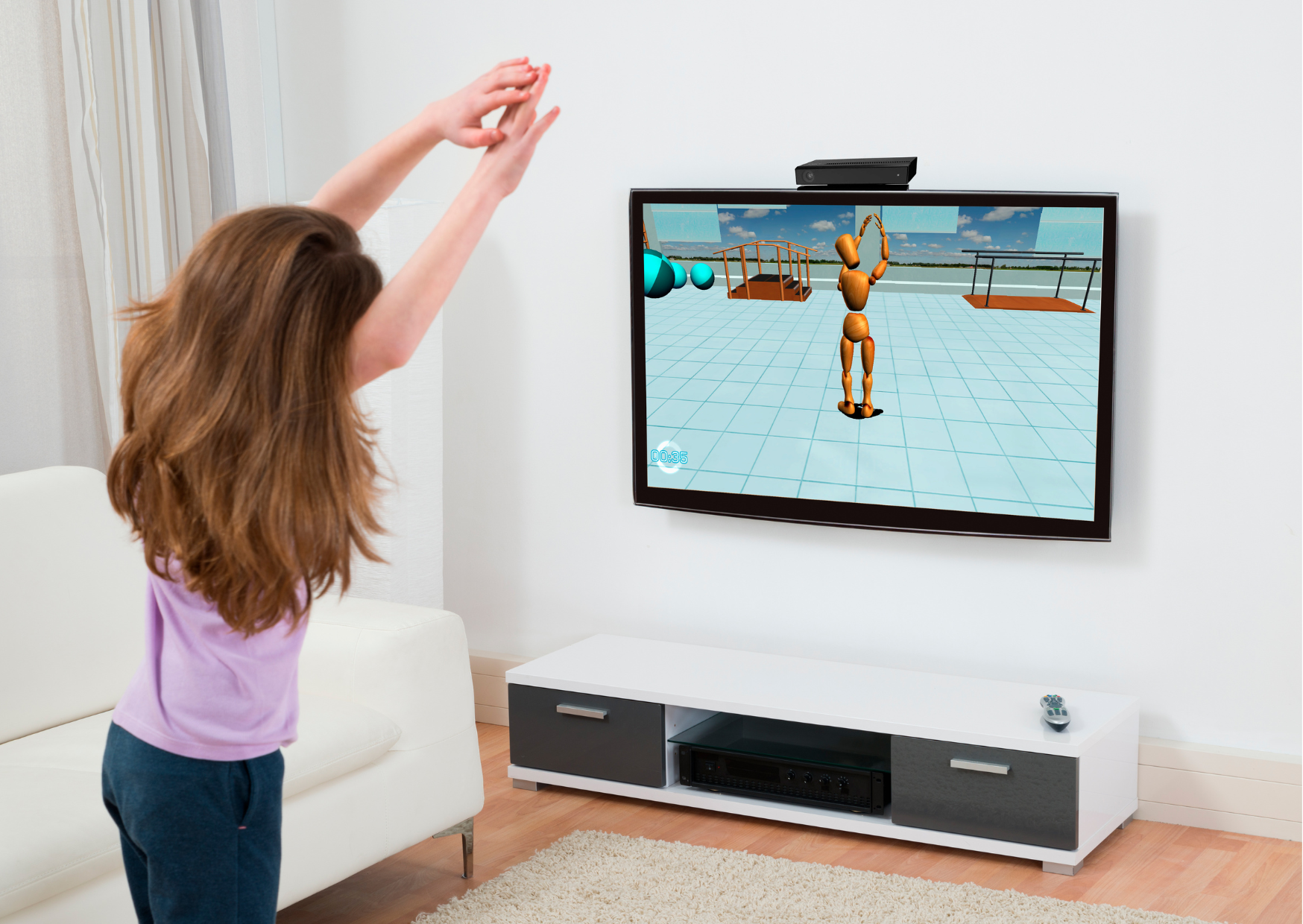
Virtual rehabilitation as a therapeutic support tool
Functional intervention targeting motor and cognitive recovery
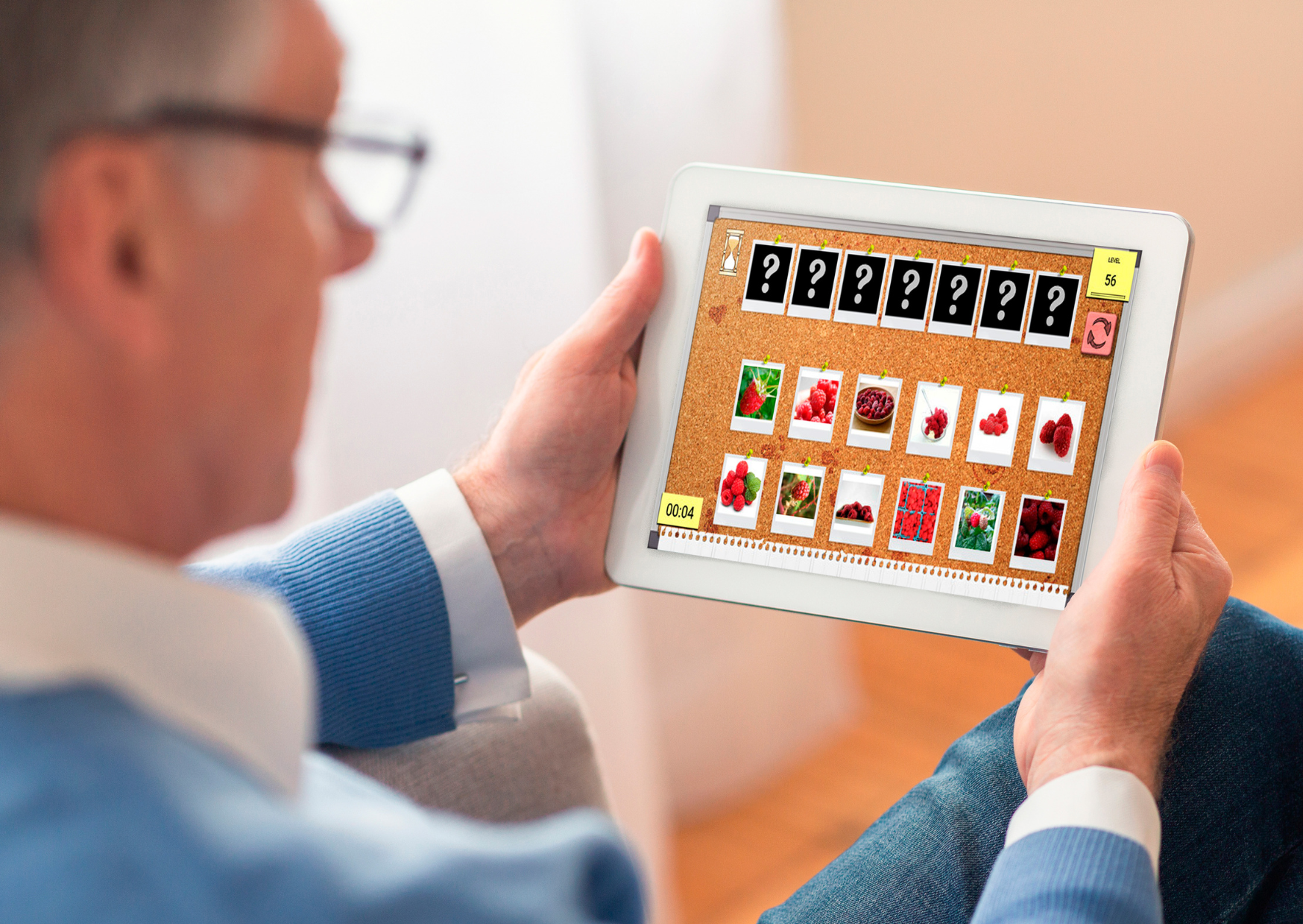
Supervised digital cognitive rehabilitation
Clinician-adapted digital cognitive rehabilitation programs for use in clinical settings.
3. Clinical evidence and professional criteria for implementation
The growing interest in virtual rehabilitation in neurorehabilitation is supported by an ever-expanding body of scientific literature and accumulated clinical experience.
From a professional standpoint, its implementation must be based on clear and responsible criteria:
What supports its use
-
Improved treatment adherence in certain patient groups.
-
The ability to standardize tasks and protocols.
-
Systematic recording of therapeutic activities.
What not to promise
Virtual rehabilitation is neither a one-size-fits-all solution nor an automatic one. Its value depends on:
-
The correct clinical indication.
-
Professional supervision.
-
Integration into the center’s care model.
The Importance of Clinical Validation
Any virtual rehabilitation tool must:
-
-
Designed for clinical use.
-
Allows for adaptation to various neurological conditions.
-
Provide useful data for functional assessment and monitoring.
-
4. Organizational Impact on Large Neurorehabilitation Centers
Beyond its direct clinical benefits, virtual rehabilitation has a significant organizational impact, particularly in high-volume care facilities.
Optimization of therapeutic resources
Allows:
-
Better use of therapy time.
-
More efficient distribution of healthcare resources.
-
Support for early discharge and follow-up programs.
Standardization and traceability
Digital solutions make it easier to:
-
Consistent protocols among professionals and locations.
-
Structured record of therapeutic activity.
-
Objective analysis of results.
Improving clinical management
The availability of data contributes to more informed management, in line with current standards for quality and the evaluation of health outcomes.
5. The Strategic Value of Virtual Rehabilitation in Public Bidding
In the context of public tenders and competitive bidding, virtual rehabilitation in neurorehabilitation offers a clearly identifiable competitive advantage.
From an institutional perspective, it allows for:
Alignment with healthcare innovation policies
The adoption of clinical technology aligns with the goals of modernization, innovation, and digital transformation promoted by health authorities.
Strengthening the care plan
Centers that offer virtual rehabilitation include:
-
More comprehensive care models.
-
Greater adaptability to different clinical scenarios.
-
Commitment to continuously improving care.
Meeting quality and efficiency standards
Virtual rehabilitation helps to justify:
-
Continuity of care.
-
Resource optimization.
-
Objective assessment of rehabilitation activities.
6. What defines a technologically mature neurorehabilitation unit today
The technological maturity of a unit is not measured by the number of tools available, but by how well they are integrated into daily clinical practice.
An advanced neurorehabilitation unit is characterized by:
-
Use of technology aligned with clear clinical objectives.
-
True integration into healthcare systems.
-
Active participation by the professional team.
-
Ability to evaluate, monitor, and continuously improve.
In this context, virtual rehabilitation is not merely an afterthought, but rather an expression of an advanced care model.
Virtual rehabilitation in neurorehabilitation is now a strategic necessity for large healthcare centers and groups, especially in settings where quality, efficiency, and innovation are key evaluation criteria.
Their responsible integration, based on clinical and organizational criteria, enables neurorehabilitation units to move toward more comprehensive and sustainable models that are aligned with the current demands of the healthcare system.
It is not about adopting technology for its own sake, but rather about strengthening the care model with tools that provide real clinical value.