
The physical module of Rehametrics takes a step further in innovation in physical rehabilitation and physiotherapy
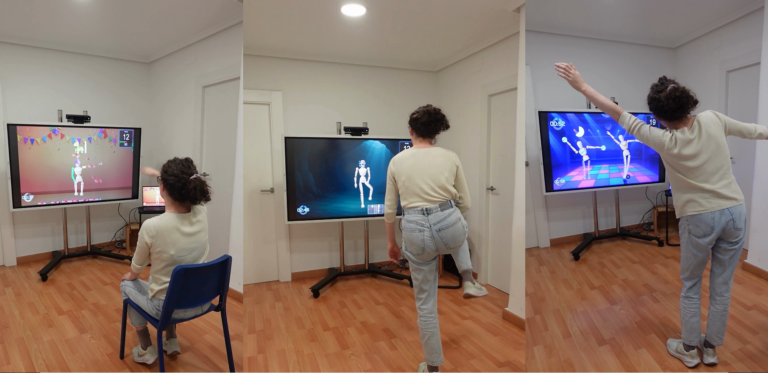
The latest update to the physical module from Rehametrics reinforces its commitment to innovation in physical rehabilitation by incorporating new activities, improvements in the organization of the sessions and a more fluid experience both for the professional and for the patient.
Far from introducing disruptive changes that are difficult to integrate, this update focuses on improving actual clinical use, adapting to different patient profiles, care contexts, and workloads.
New activities as part of innovation in physical rehabilitation
The physical module incorporates 12 new activities designed to expand therapeutic options in functional rehabilitation. These activities allow for specific work on:
-
Coordination
-
Balance and postural control
-
Resistance
-
Proprioception
-
Upper and lower extremities
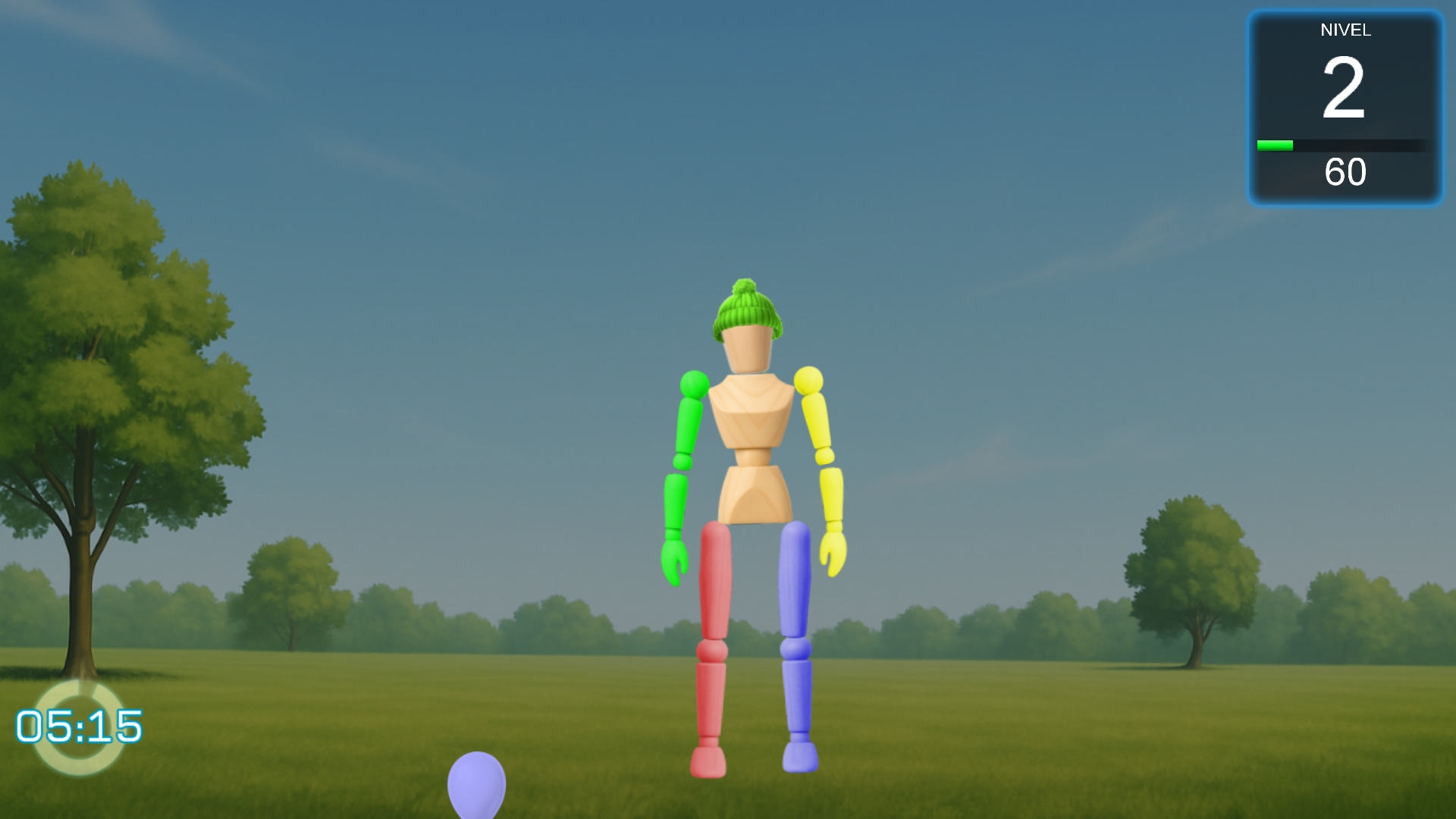
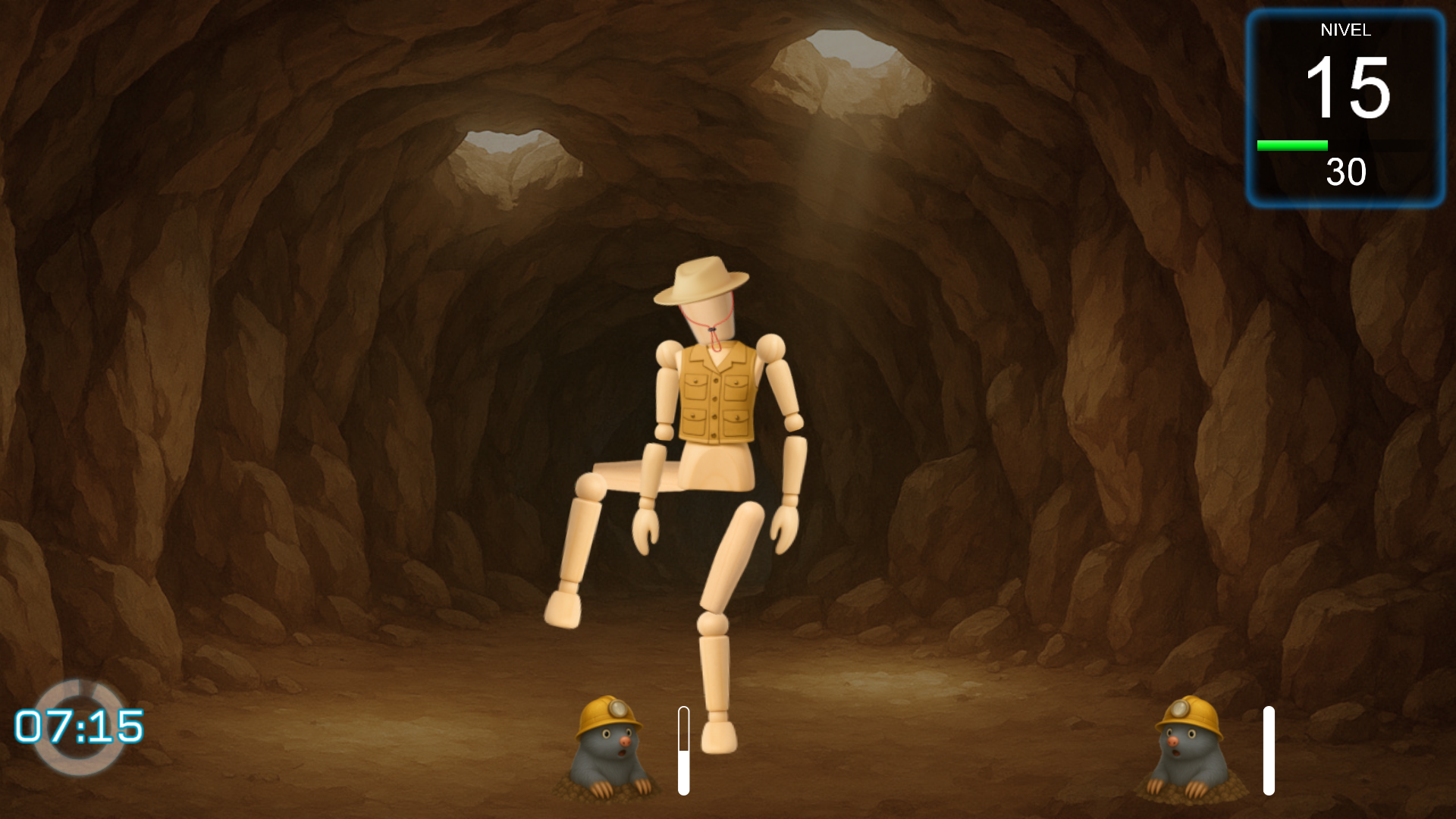
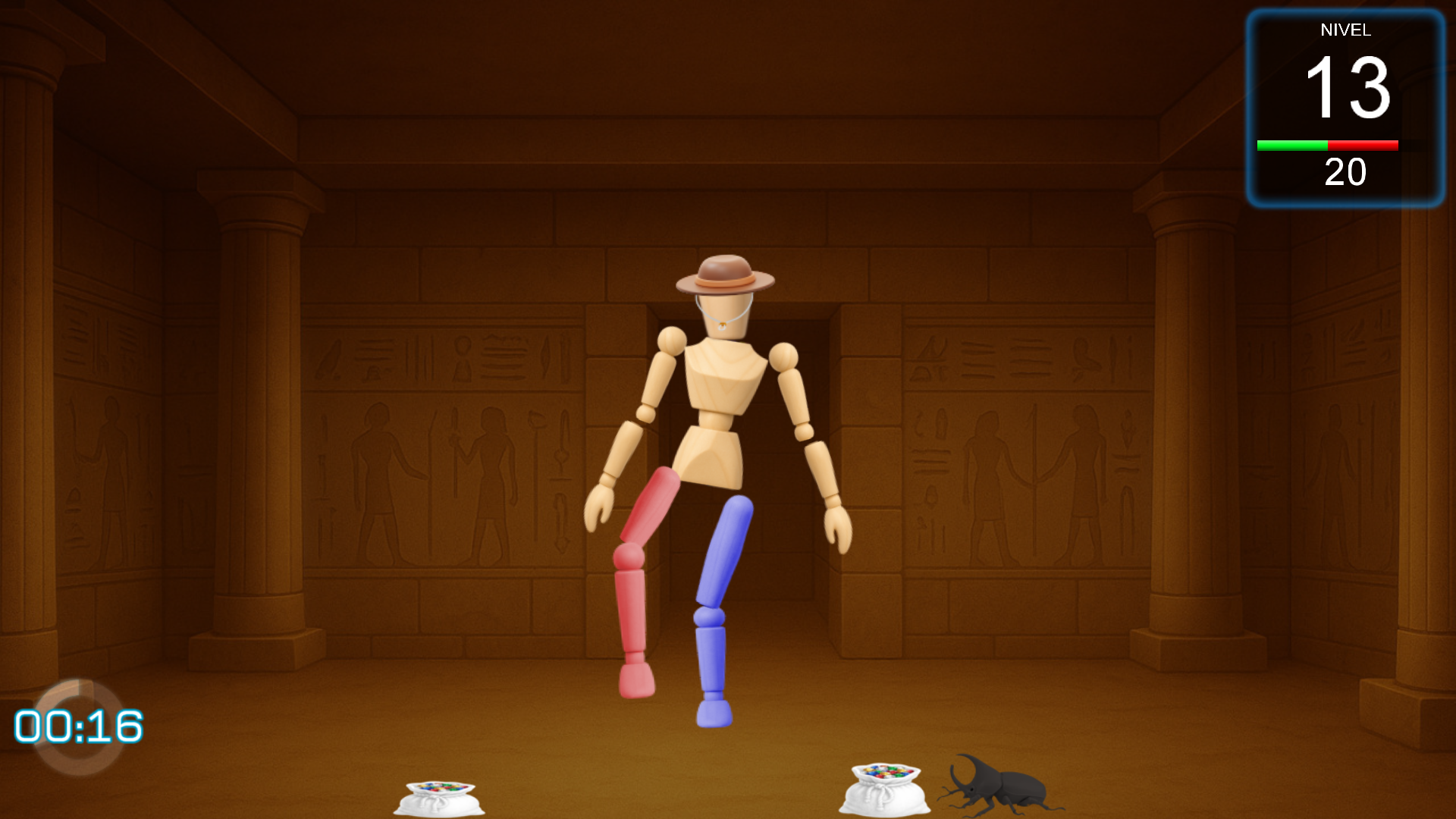
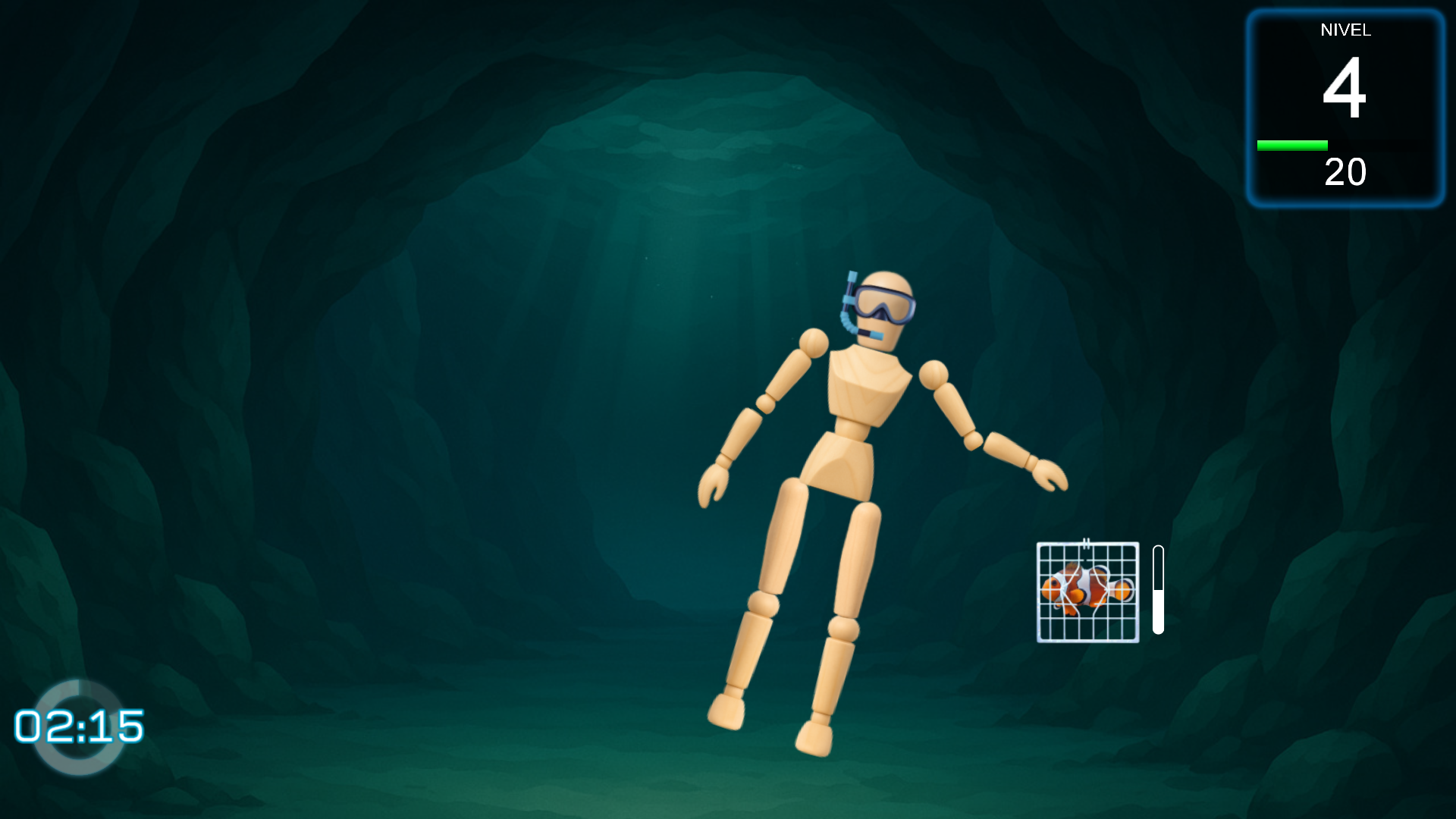
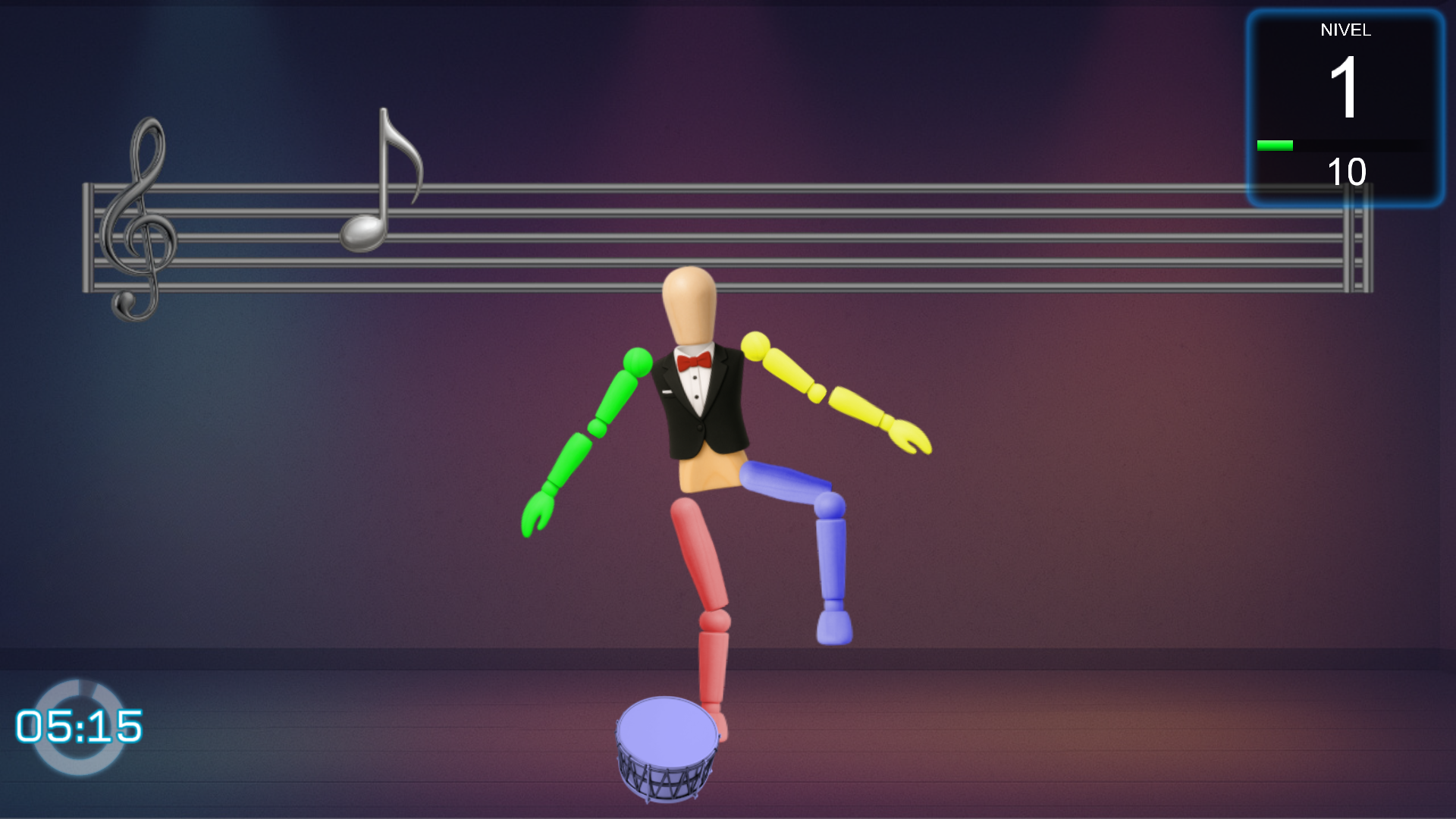
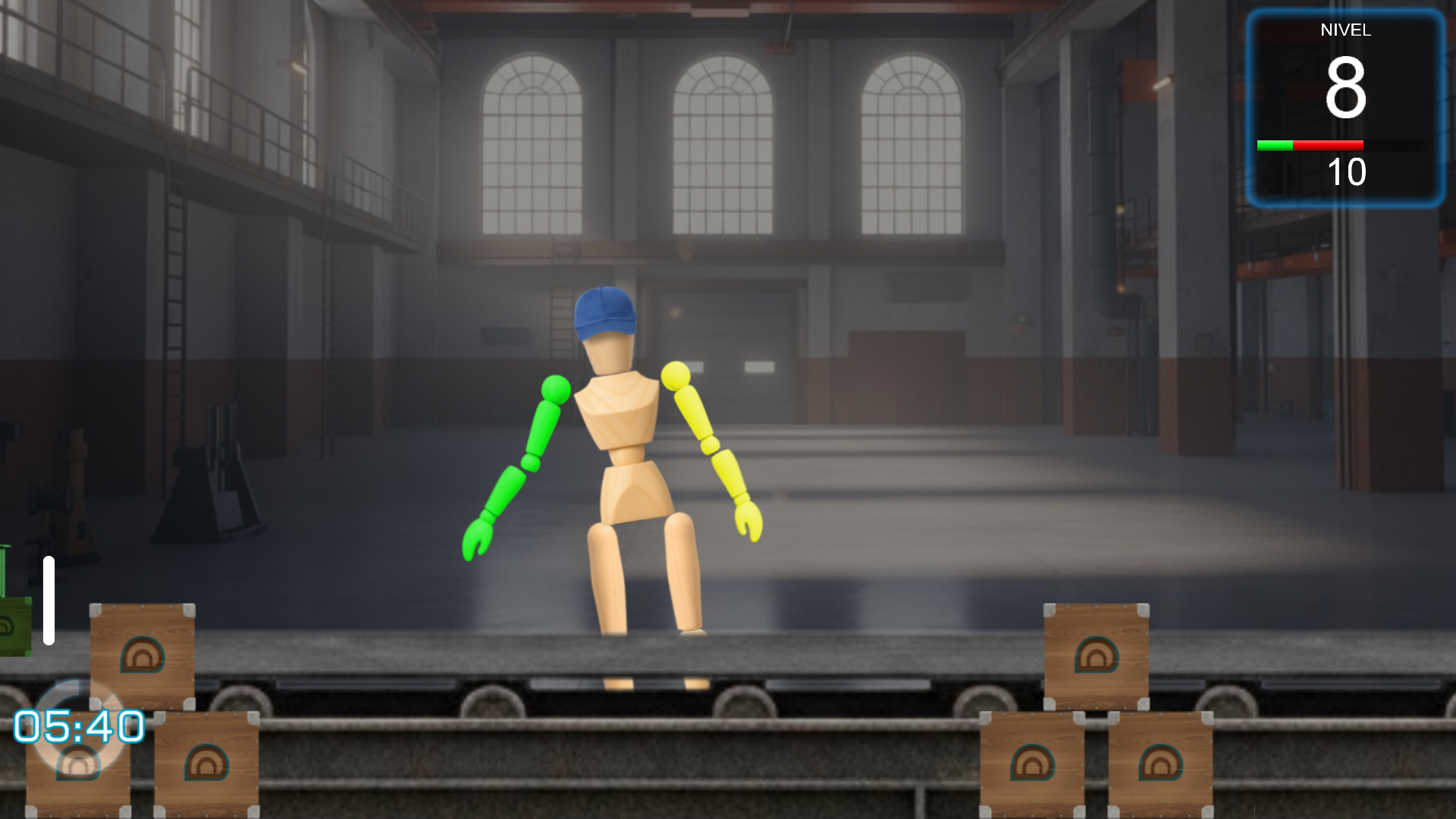
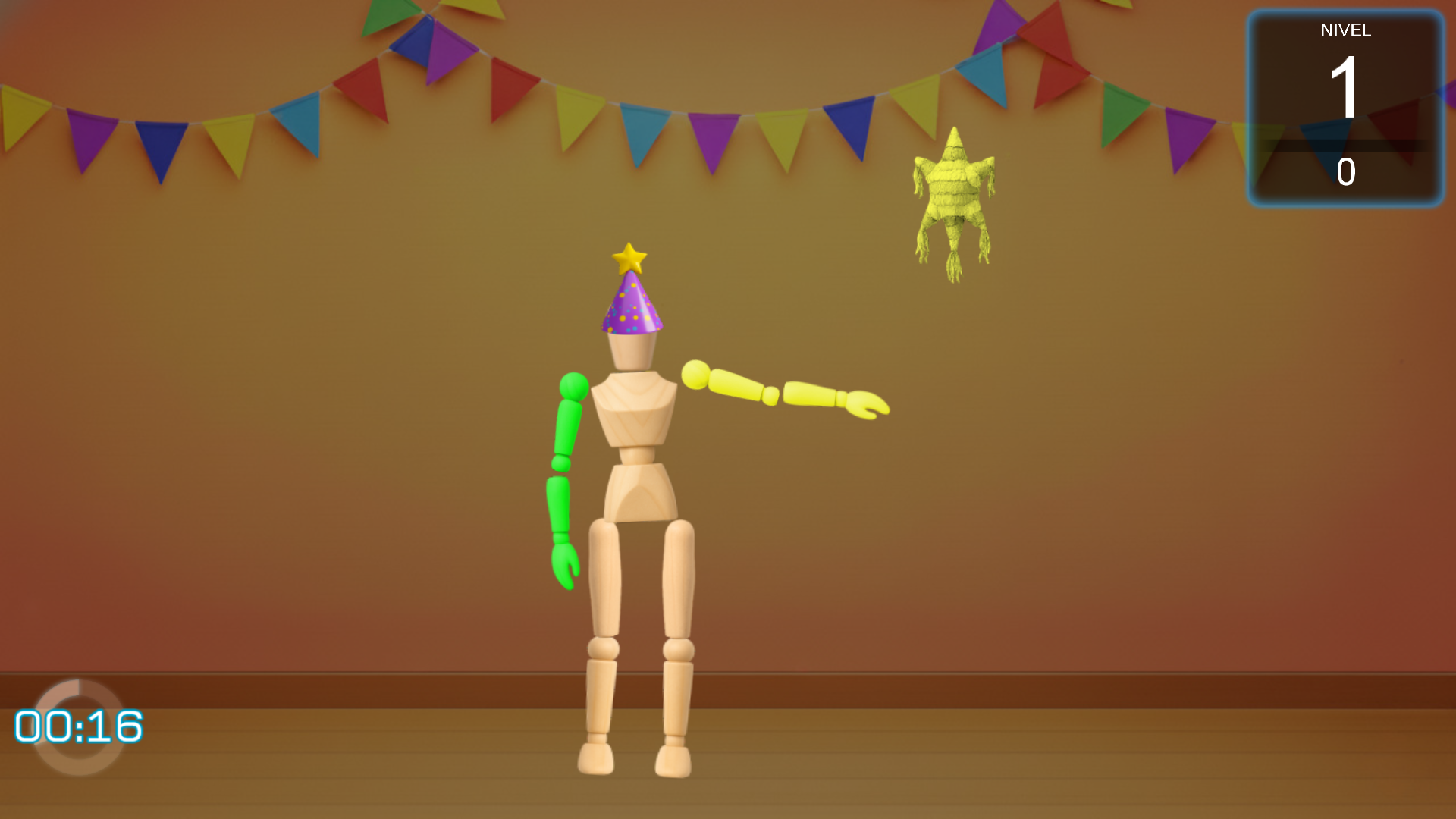
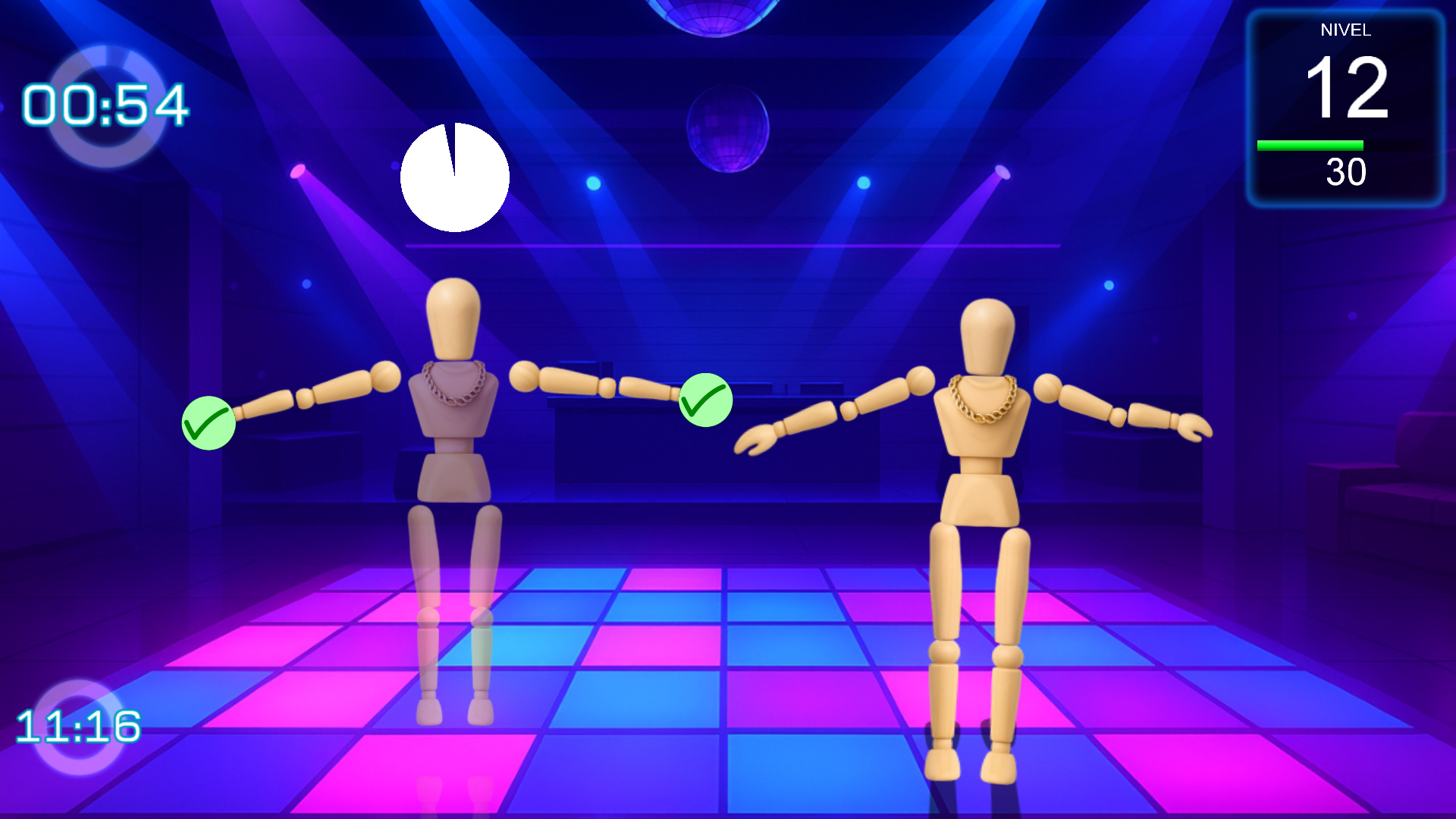
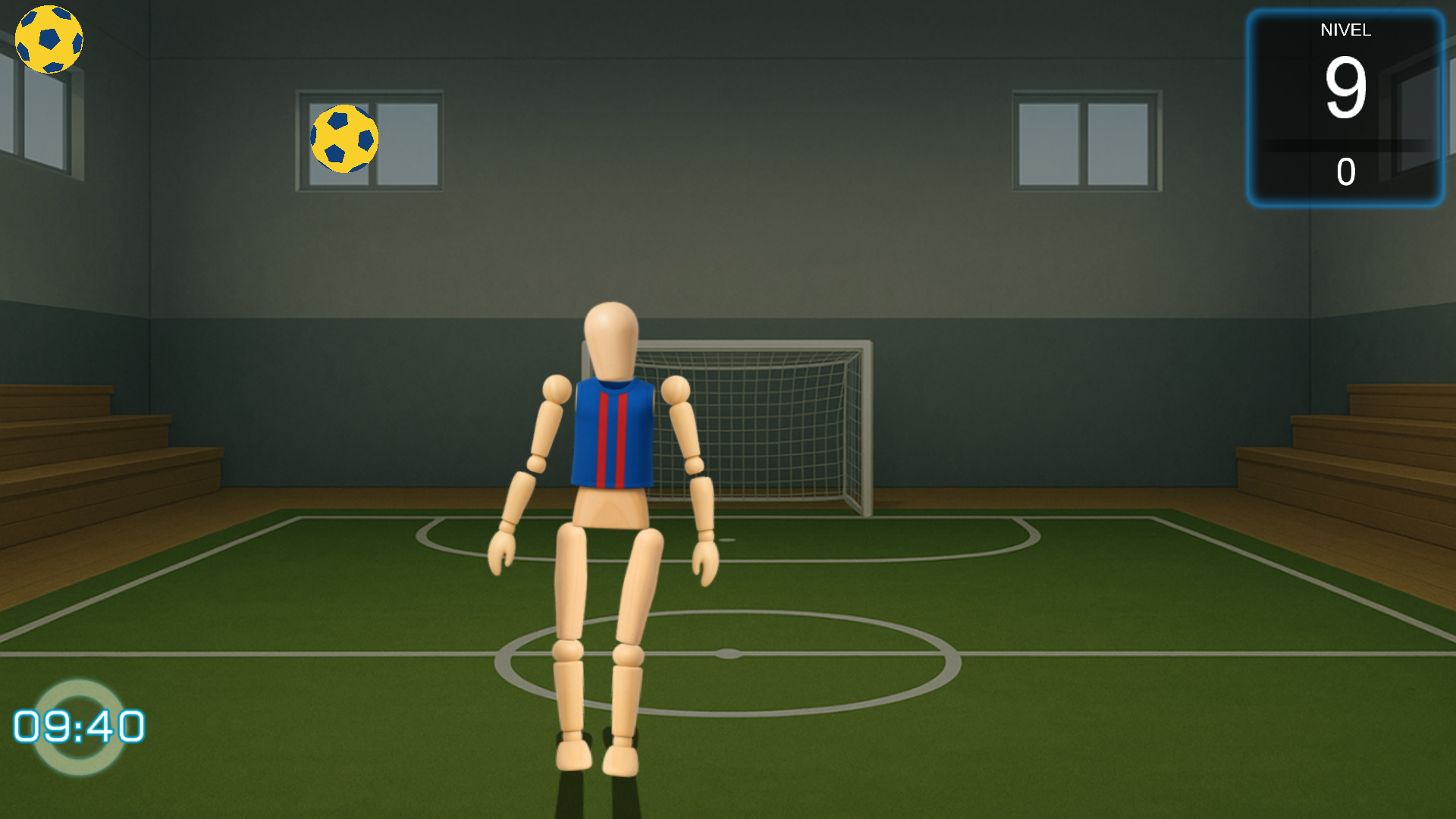
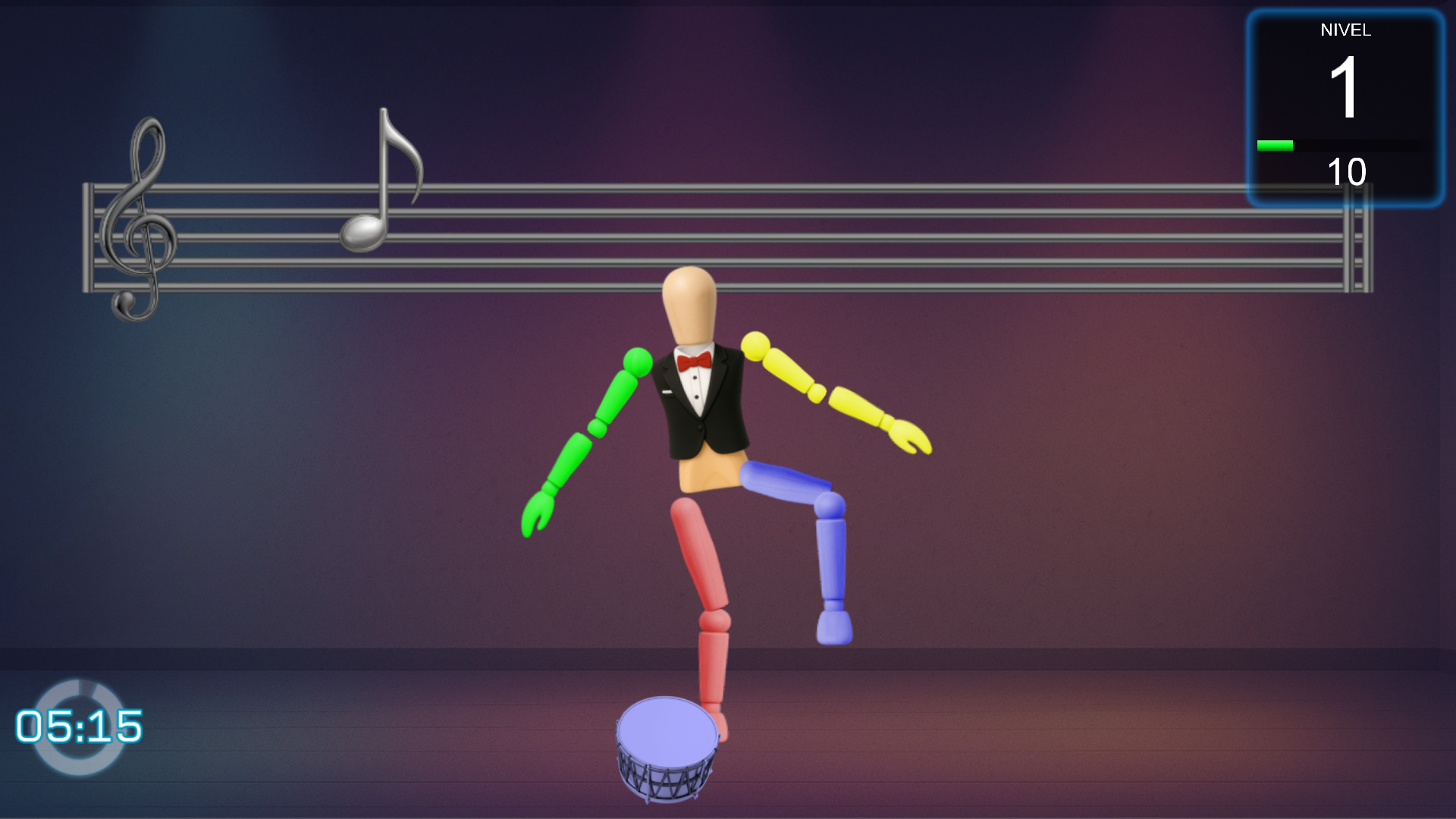
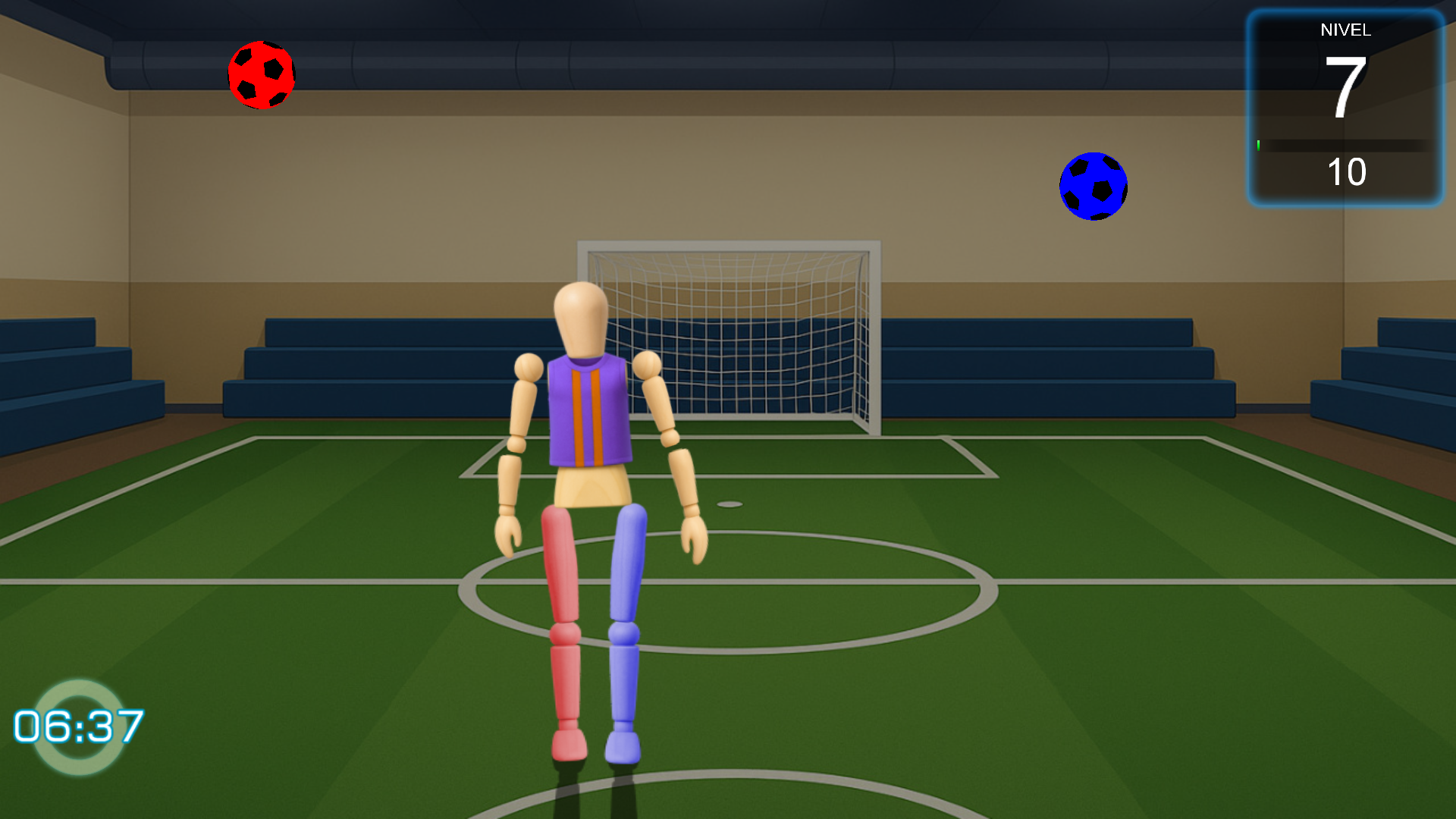
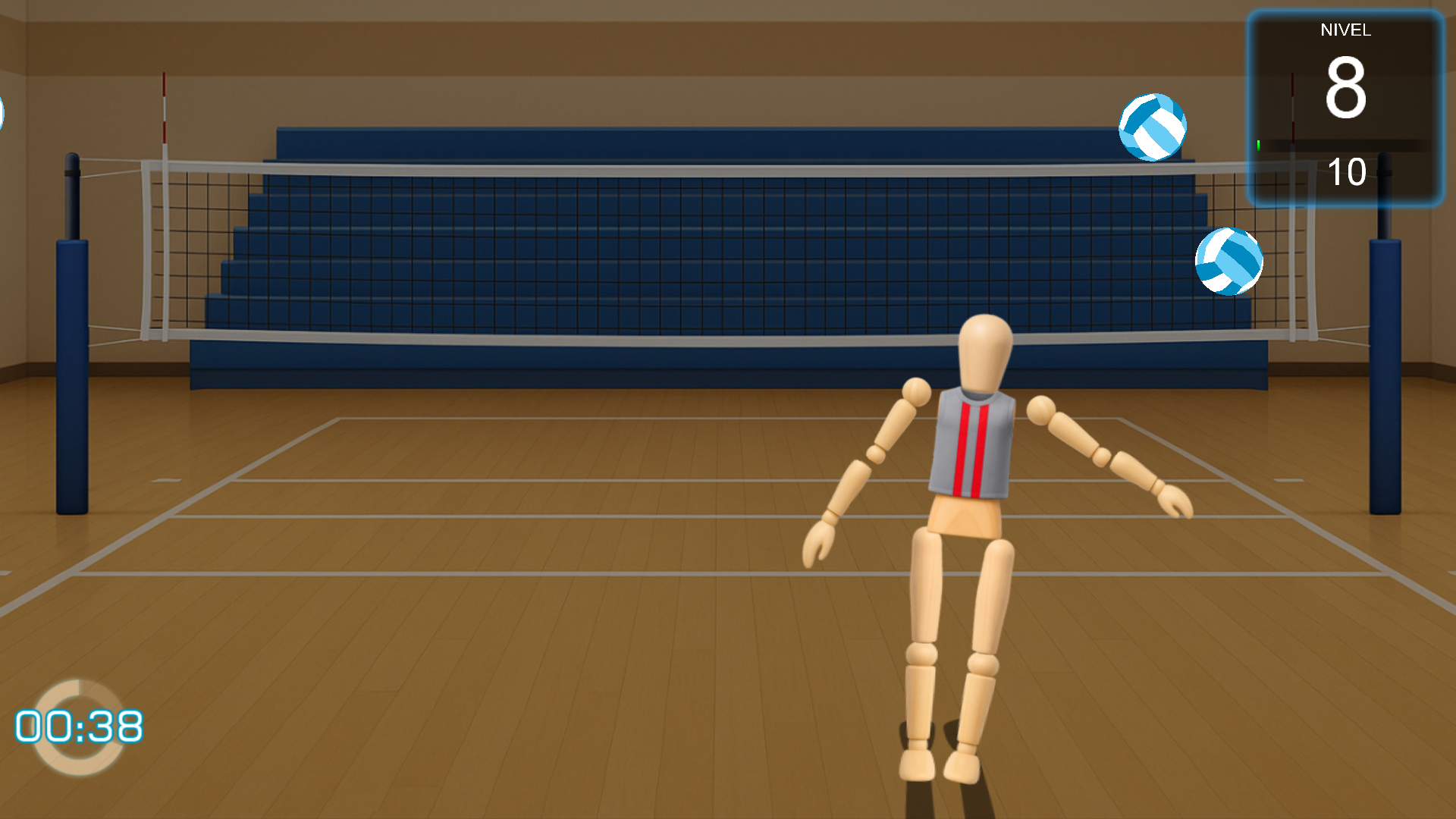
They can be performed both in a seated and standing position, which facilitates their use in patients with different functional levels, from the initial stages to the more advanced stages of the rehabilitation process.
The approach continues to be clinical: offering digital resources that the professional can select and dose according to the therapeutic objectives, integrating them in a natural way into the session.
Group sessions: new ways of organizing rehabilitation
One of the most significant new features of this update is the addition of group activities (in beta testing), which allows working with up to four patients simultaneously.
This type of activities are designed for real-life environments such as mutual insurance companies, clinics for physical therapy or rehabilitation centers with high volume of patients. These activities are used for:
-
General coordination
-
Upper and lower extremities
-
Speed of movement
-
Resistance
Each patient performs the activity individually within a shared environment, which allows session time to be optimized without losing clinical control or professional supervision.
More agile and efficient sessions in clinical environments
The update also introduces a significant reduction in the times of loading, both when starting the program as well as when switching between activities.
This translates into more fluid sessions, fewer interruptions and better use of session time, an aspect particularly relevant in clinics with tight schedules or high rotation of patients.
Innovation designed for different patients and contexts
The physical module now incorporates new languages for patients, such as Portuguese and German, facilitating its use in clinics with international patients or in multicultural contexts.
This improvement contributes to a better understanding of instructions and a more comfortable experience for the patient, encouraging their involvement during the session.
Improvements in the management and planning of the sessions
The update also includes improvements aimed at facilitating the organization of sessions as well as facilitating the organization of clinical work.
Treatment planning is now more flexible, allowing to more easily define and adjust weekly work schedules, as well as streamline patient creation and management within the platform.
These improvements help reduce the time spent on administrative tasks and maintain a clear overview of the rehabilitation process, facilitating the monitoring and adaptation of treatment over time.
An evolution of already established clinical functionalities
The Rehametrics physical module already incorporated key elements for clinical practice, such as automatic motion detection, which allows for objective recording of patient performance, and the generation of automatic reports that facilitate monitoring of progress throughout treatment.
On this basis, the system offered guided exercises with real-time visual feedback and progressive adaptation of difficulty based on performance, integrating naturally into the physical therapy session.
The update does not change this logic, but rather expands upon it. New activities, group activities, and improved fluidity reinforce an approach that was already geared toward supporting professional judgment and facilitating clinical decision-making.
From this perspective, innovation in physical rehabilitation is constructed as a continuous evolution of existing functionalities, designed to respond to new healthcare needs without disrupting the usual way of working in clinics.