
Motor fatigue in neurorehabilitation: how to adapt treatment when the patient tires quickly
motor fatigue in neurological patients is one of the factors that most determine the quality of treatment in neurorehabilitation and, at the same time, one of the least structured in everyday clinical practice.
It is easy to spot this in a consultation: the patient starts the session performing well, but within a few minutes their performance gradually deteriorates. They do not stop, nor do they give up on the task, but their movement changes. It becomes slower and less precise, and compensatory movements appear that were not there before.
This fatigue in neurorehabilitation, which is particularly common in patients who have suffered a stroke or have other neurological conditions, raises not so much the question of whether the patient can continue, but rather how the intervention should be adapted to ensure it remains effective.

Table of contents
When fatigue changes the objective unnoticed
One of the most significant issues with fatigue in neurological physiotherapy is that it does not necessarily interrupt the task. The patient continues to perform the task, and this can give the impression that the treatment remains effective.
However, as motor fatigue sets in, the system begins to reorganise itself:
- simplifies control
- reduces accuracy
- enter compensation
From the outside, the task seems the same. From a clinical point of view, it is no longer so.
And if this situation continues, the treatment ceases to reinforce the pattern that we seek and begins to consolidate adaptations which, in the medium term, tend to limit functional recovery.
The dilemma at the meeting: carry on, stop or adapt
When fatigue sets in among neurological patients, the clinical response tends to fall between two extremes: either continuing with the task despite a decline in performance, or stopping the activity too soon.
Neither option solves the underlying problem.
The most effective approach usually lies somewhere in between:
adapting the task without compromising the therapeutic goal.
This involves adjusting variables such as:
- the complexity
- the requirement
- the range of movement
- the structure of the task
It is not a question of avoiding fatigue, but of working at a level where the movement remains clinically relevant.
Why is fatigue in neurorehabilitation difficult to manage in practice
In theory, the approach is clear. However, putting it into practice in a clinical setting is not always straightforward.
Fatigue during neurological rehabilitation is neither linear nor predictable. It may appear earlier than expected, vary between sessions or even within the same session.
Furthermore, many clinical tasks do not allow for progressive adjustments. They work well at a specific level, but they cease to a15> be useful when the patient becomes fatigued.
In this context, the therapist is forced to choose between continuing with a task that no longer offers the same value or switching to a different exercise, which disrupts the flow of the session and hinders therapeutic continuity.
What to do when you need to make adjustments… but the task doesn’t allow for it
This is one of the critical issues in real-world clinical practice.
Knowing that the task needs to be adapted does not always mean being able to do so in a smoothly. In many cases, each adjustment involves changing completely the activity, which interrupts the therapeutic process.
This is where the problem ceases to be merely clinical and becomes operational as well.
In this context, tools such as Rehametrics add value precisely because they allow the task to be adjusted without changing it.
The therapist can adjust parameters such as the difficulty or the demand whilst the patient continues working, adapting the intervention to fatigue in real time.
This makes it easier to do something that, under normal circumstances, is difficult to sustain:
maintain the patient within a range of work a17> work in which the movement retains quality, even when its performance fluctuates.
Why this adjustment has clinical implications
When the intervention continuously adapts to muscle fatigue:
- reduces the time spent on low-quality work
- increase the number of repetitions that are useful
- the occurrence of offsets is reduced
- improves consistency across sessions
This is particularly relevant in conditions such as stroke, where fatigue during neurological rehabilitation directly influences the ability to learn and functional transfer.
Not all fatigue is physical: the role of fatigue subjective
There is another type of fatigue that frequently occurs in neurorehabilitation and is more difficult to identify: subjective fatigue.
It does not always manifest as a clear drop in motor performance. Sometimes what changes is the patient’s engagement.
Initiative decreases.
Response latency increases.
The effort perceived increases before the movement becomes evident a15> deteriorates in a noticeable way.
In these cases, the limitation is not merely physiological. There is a component clearly of cognitive load, attention and motivation.
This is particularly evident in:
- routine tasks
- uninspiring environments
- long or monotonous sessions
And raises a significant clinical issue:
the patient may “become fatigued” before reaching having reached a level of work that is truly useful.
How tools like Rehametrics help address this fatigue
In this context, the value of tools such as Rehametrics is not limited to adjusting the difficulty level.
The interactive environment allows you to:
- increase patient engagement
- to reduce the monotony of repetitive tasks
- maintain a level of attention that is more stable throughout the session
This has a direct effect on subjective fatigue:
the patient copes better with the workload, remains engaged and, in many cases, manages a greater workload without perceiving it as more demanding.
From a clinical point of view, this is not a minor detail.
It means being able to work for longer periods within a a17> a useful range, not only from a motor perspective, but also from the perspective of attention and behaviour.
A multidisciplinary approach across three treatment modules
Addressing physical, cognitive, and occupational rehabilitation from a single integrated solution.
The modules can be used independently or simultaneously by different members of the clinical team.
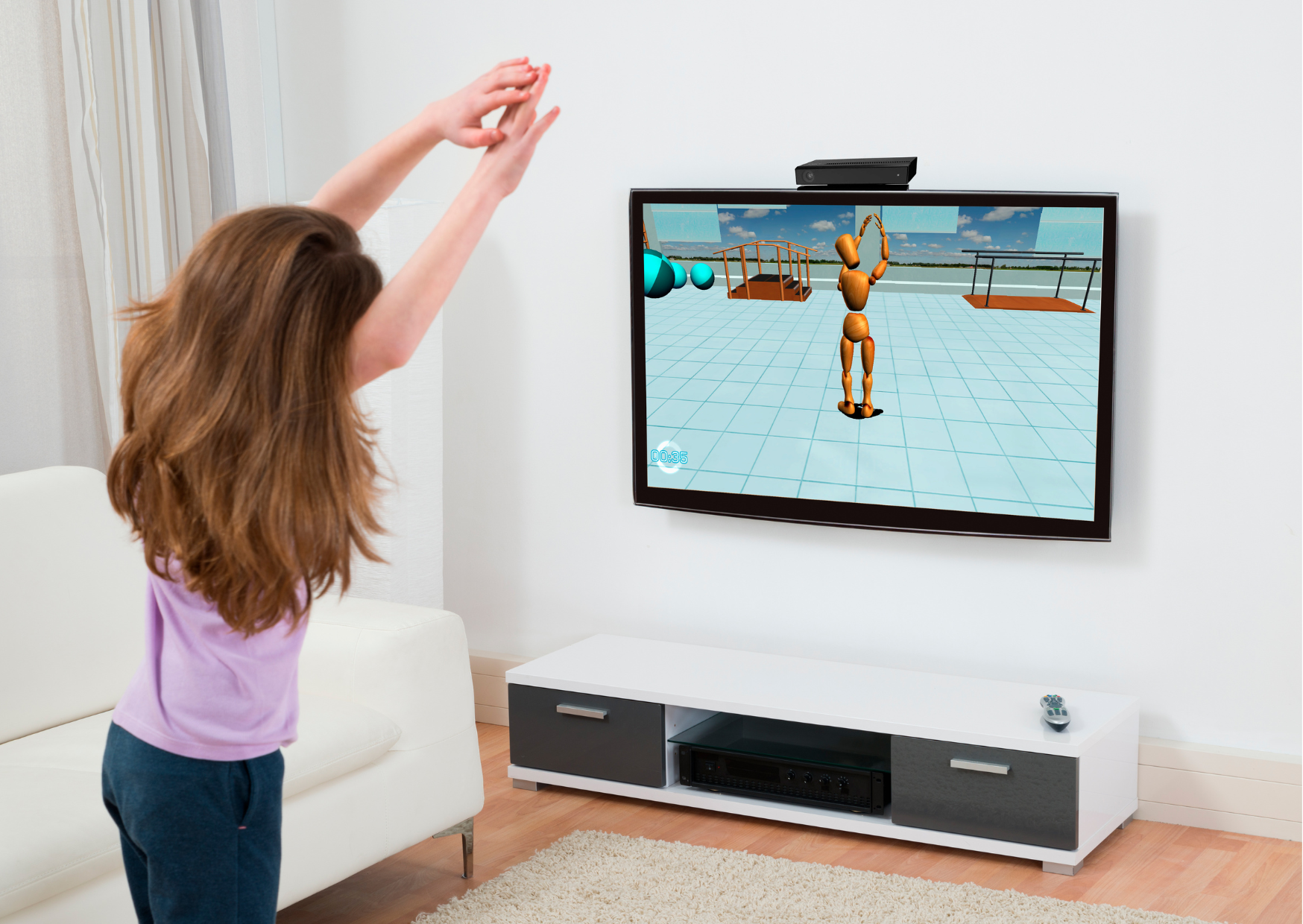
Digital support for neurological physiotherapy
Functional exercises oriented toward movement recovery.
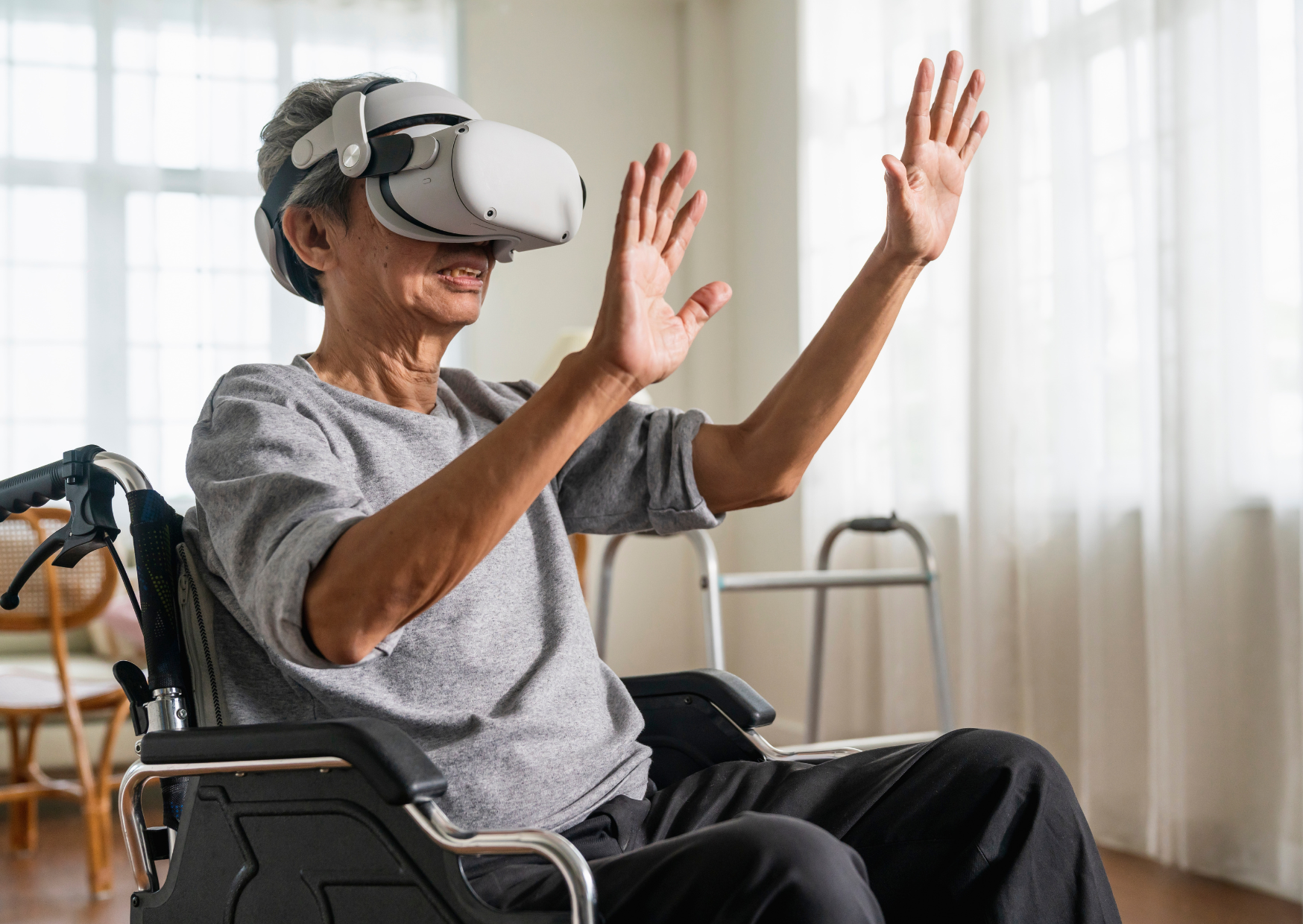
Virtual rehabilitation as a therapeutic support tool
Functional intervention aimed at the recovery of movement and cognition
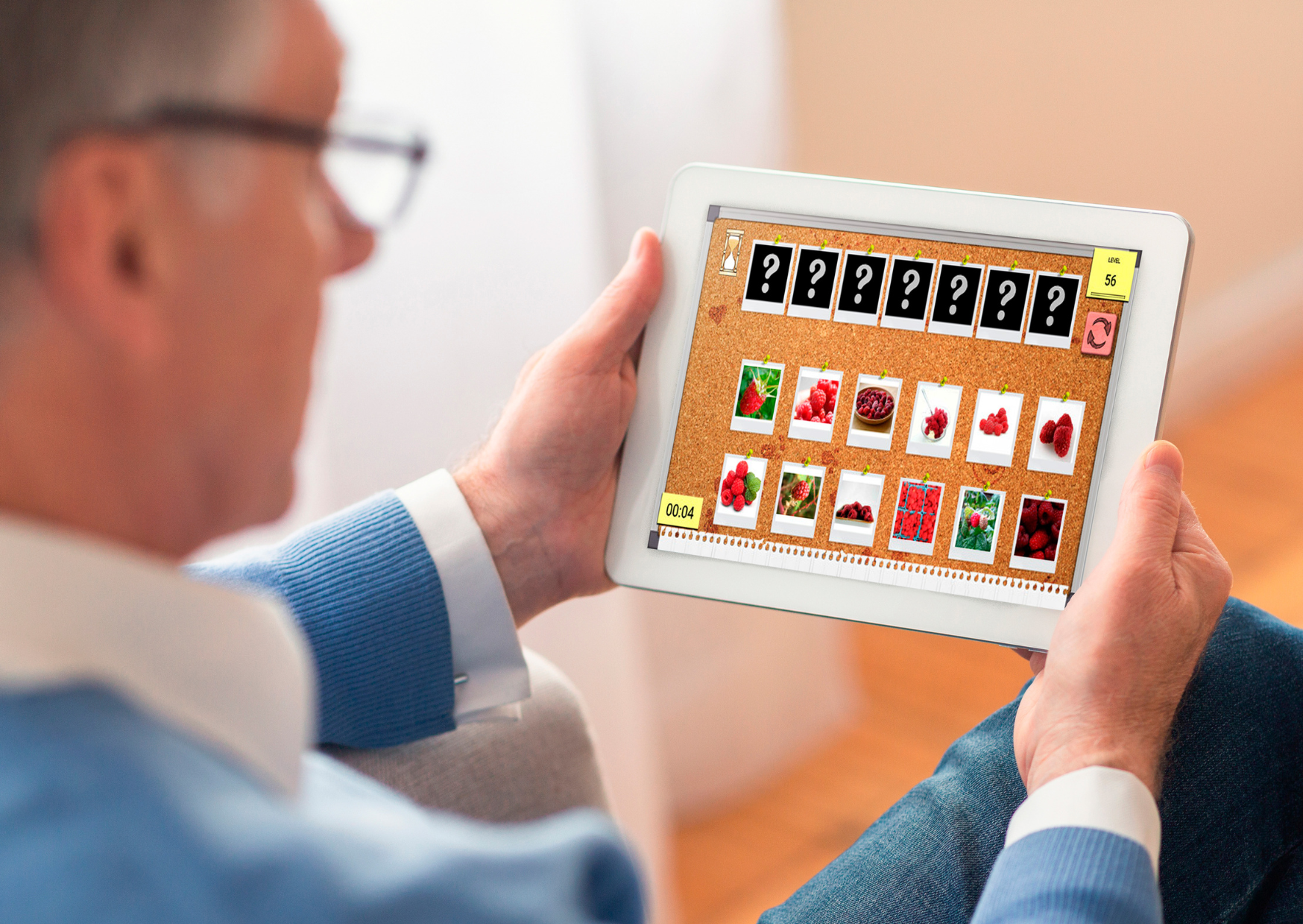
Supervised digital cognitive rehabilitation
Clinician-adapted digital cognitive rehabilitation programs
Practical application in practice
When a patient experiences early muscle fatigue, the key question is not what exercise to do next, but how to adapt the current exercise so that it remains therapeutically beneficial
From that point on, the intervention is aimed at:
- anticipate the decline in quality
- adjust before marked compensations appear
- maintain the therapeutic goal
Changing the clinical approach: from completing tasks to maintaining quality
The most significant change is not technical, but conceptual.
Stop assessing whether the patient completes a task and start analysing how long they can maintain it to a sufficiently high standard.
This approach makes it possible to:
- adjust the dosage more accurately
- interpret performance more accurately
- make more consistent decisions during the session