Discover the new attention exercises from Rehametrics Cognitive 2025

Discover the new attention exercises from Rehametrics Cognitive 2025

Attention affects the performance of virtually any cognitive task. When the patient has difficulty filtering stimuli, maintain focus or sustain mental effort, the impact is reflected quickly in memory, planning, learning, and functional autonomy.

In clinical practice, it is common to encounter very different profiles—neurological, elderly, patients with cognitive fatigue or subjective complaints—who share similar attention problems: slowness, errors due to distraction, low resistance to effort, or difficulty managing interference.

The 2025 update of Rehametrics Cognitivo incorporates 12 new attention activities, along with improvements in stimuli, accessibility, and ease of use, allowing these processes to be worked on with greater control over difficulty and therapeutic progression.

Why incorporate new attention exercises

Offering new attention exercises is not just about expanding our catalog, but also about better meeting different clinical needs:

  • They allow adjusting level of difficulty and cognitive load with greater precision.

  • They facilitate the introduction of interference in a gradual and controlled manner.

  • Improve accessibility for patients with visual difficulties or cognitive slowing, thanks to the larger size and clarity of the stimuli.

  • They promote motivation and adherence with more polished graphics and reduced loading times.

In addition to the new tasks, the update includes improvements to multiple existing activities , both visually and in terms of functionality, which has a direct impact on the experience of session and on the stability of the performance of the patient.

For what profiles are these attention exercises for

Attention exercises can be applied in very diverse profiles, always adjusting the therapeutic objectives:

  • Neurological patients (stroke, TBI, acquired brain damage): control of interference, speed of processing and visual scanning.

  • Elderly individuals with mild cognitive impairment: mainingattention, prevention of the impact on functioning and adherence to treatment.

  • Cognitive fatigue and low tolerance to effort: self-regulation, management of effort and consistency during the session.

  • Preventive programs: reinforcement of basic processes that support overall performance.

New attention exercises: examples and application in session

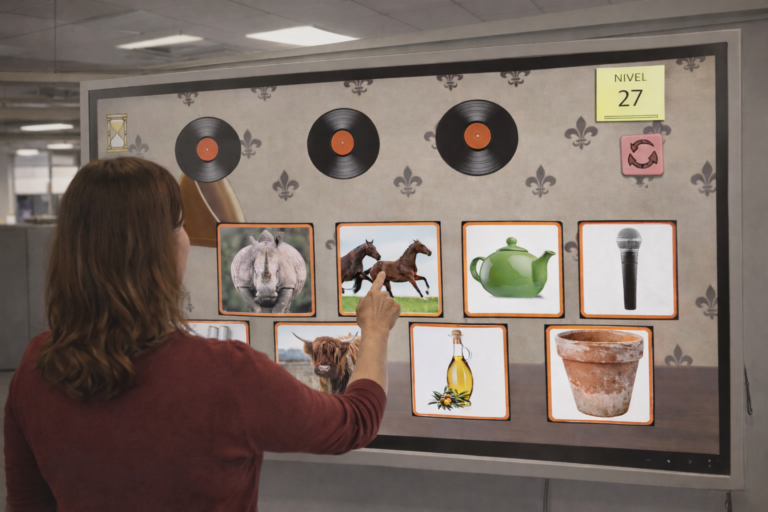
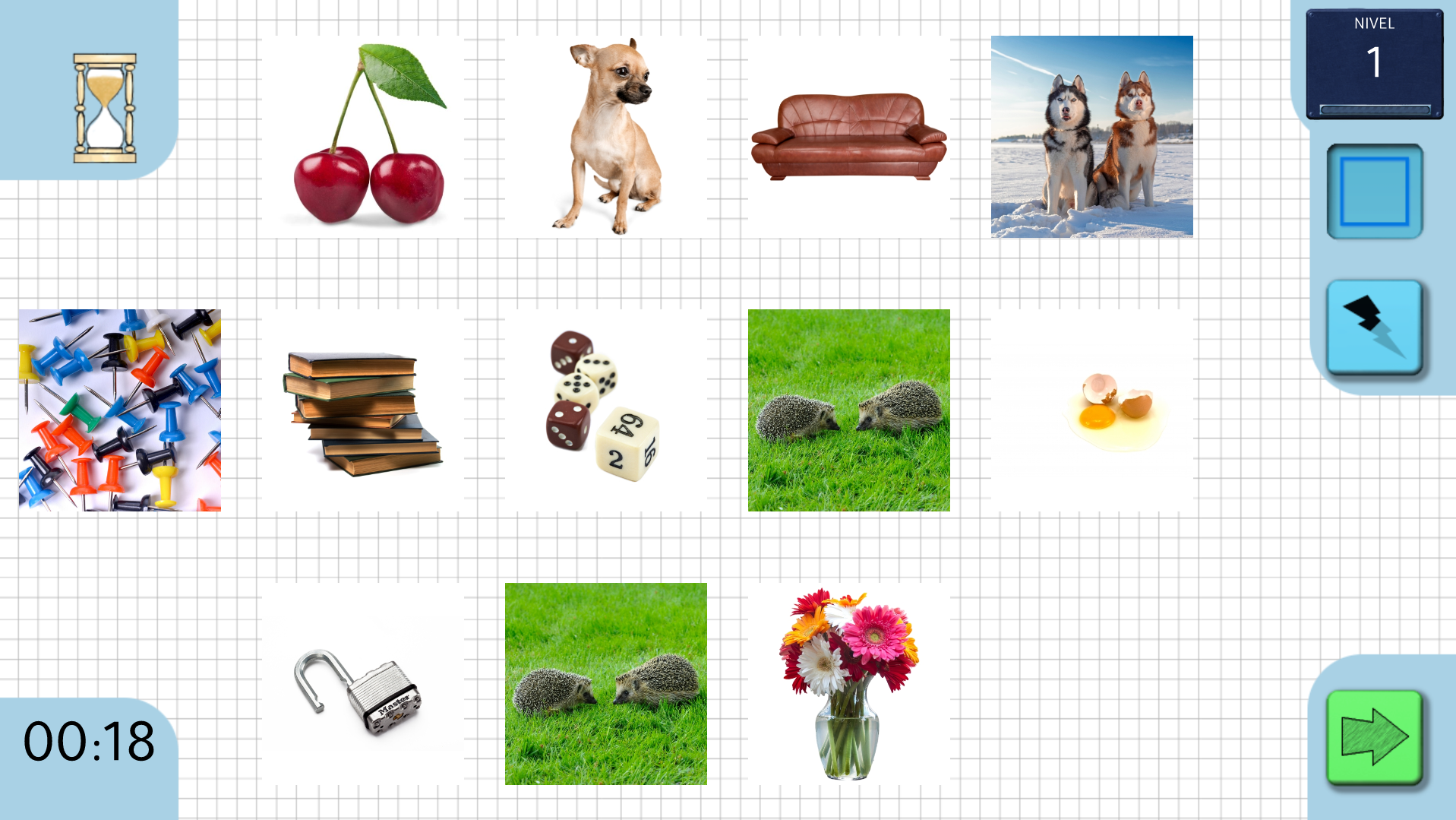
Advanced Selective Attention with images

For patients who are in the later stages of their rehabilitation or with mild cognitive impairment. They feature a large number of images on screen, of which the patient has to select those that are repeated. In more difficult versions, the images share some characteristic.
Simple attention

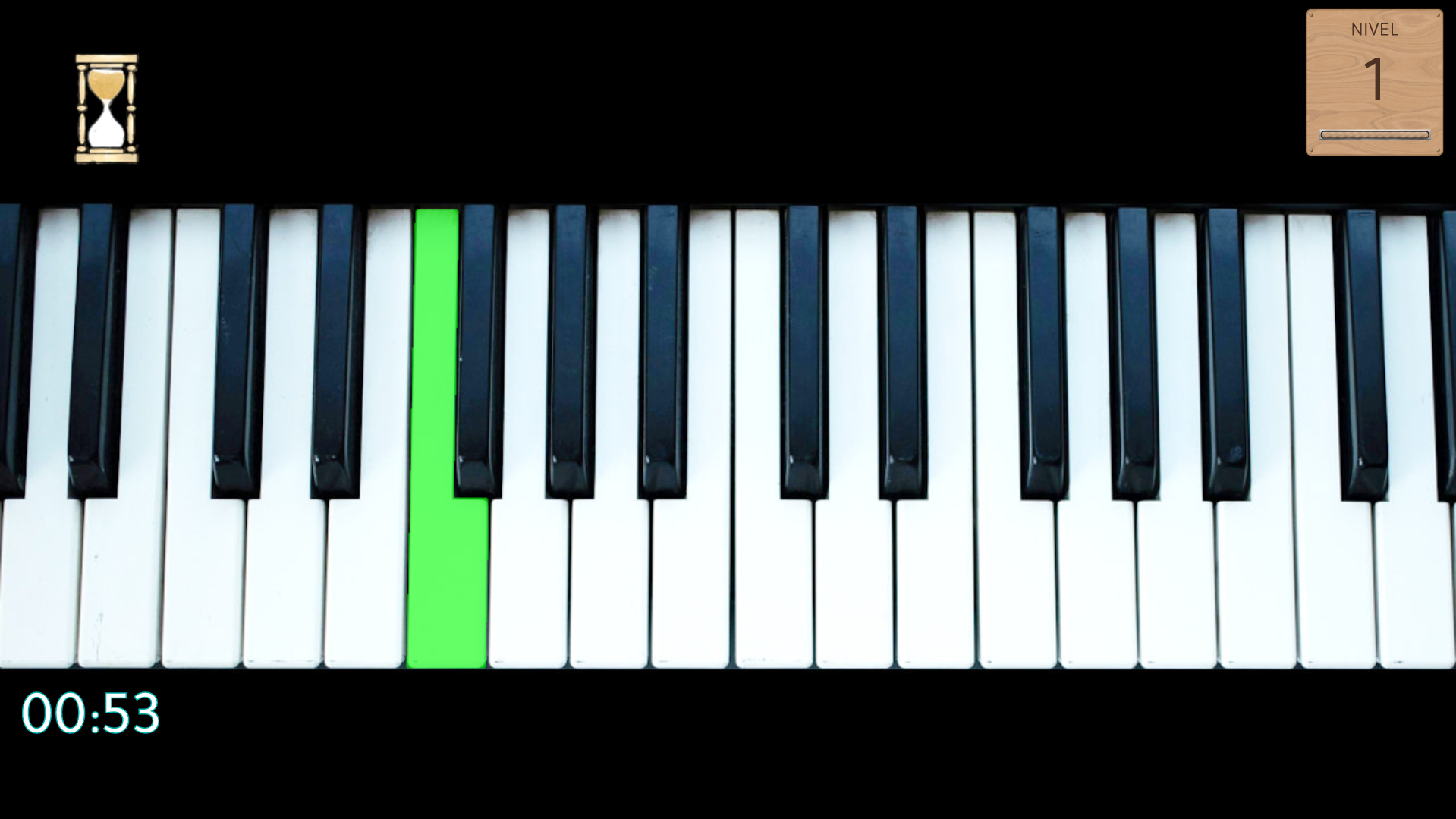
In this easy activity, the goal is to touch the key that lights up on a virtual piano. These types of activities are very interesting for people with spatial neglect or those with more advanced cognitive impairment.
Sustained Attention

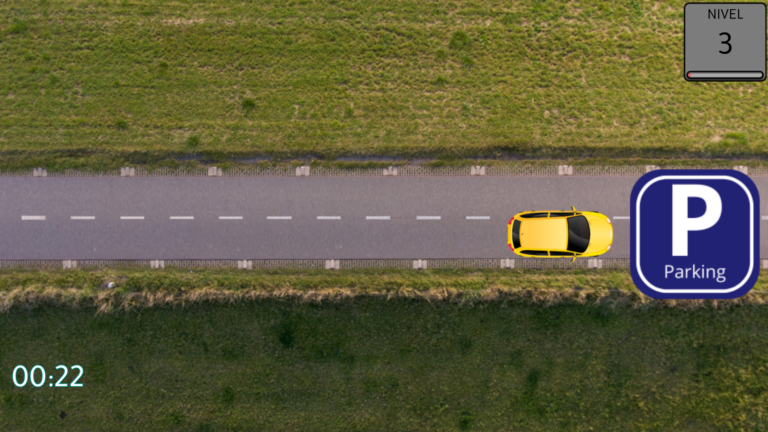
In this sustained attention activity, tha patient has to touch the object moving across the screen (a car) when it reaches the designated area. It is used to work on on attention, visual tracking, and reaction speed in an activity that is simple enough for people with severe impairment.

Selective attention and categorization

The goal of this activity will be to select all the images from a given category.
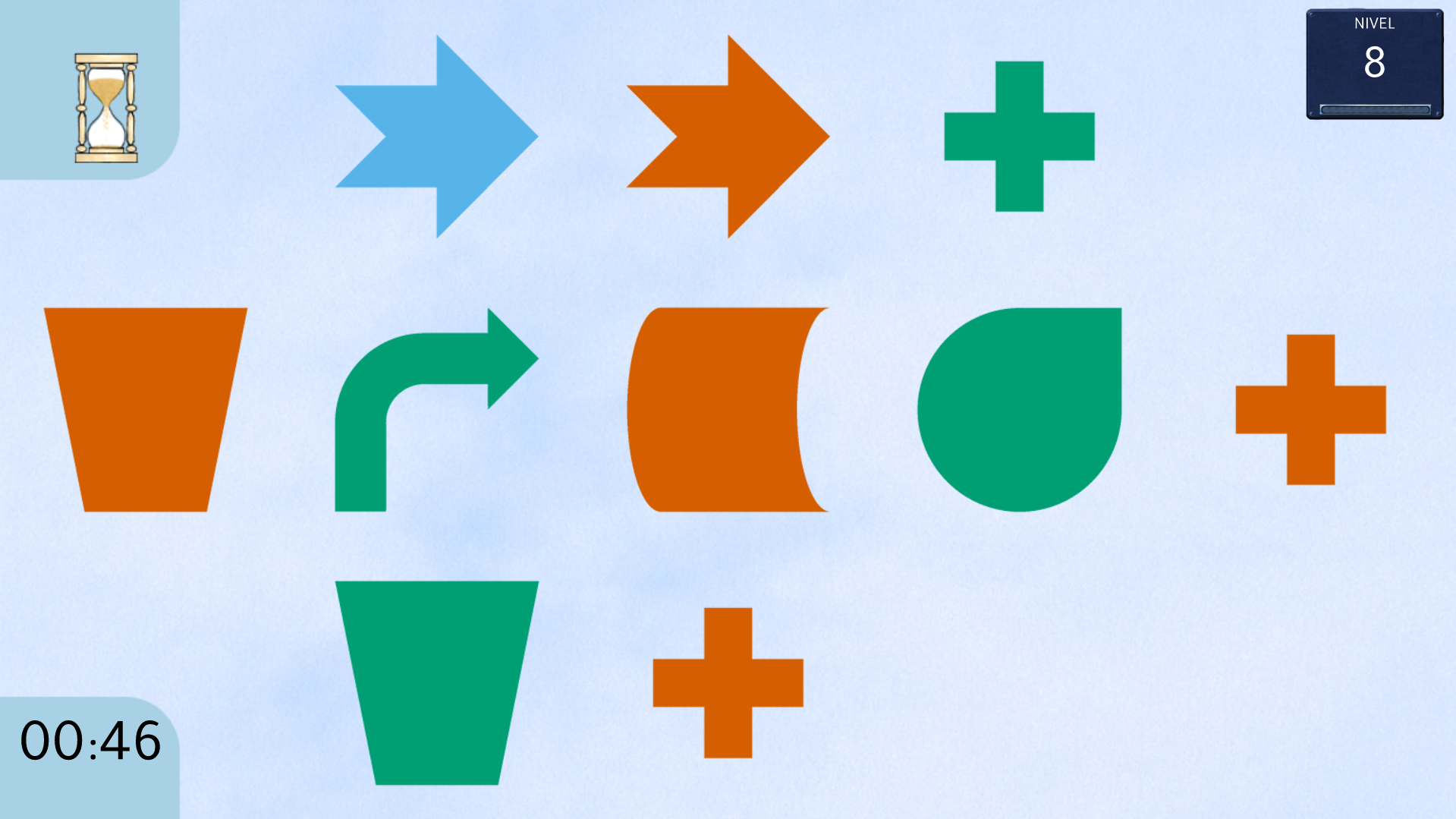
Simple Selective Attention

In this activity, the task will be to find the pairs of shapes.
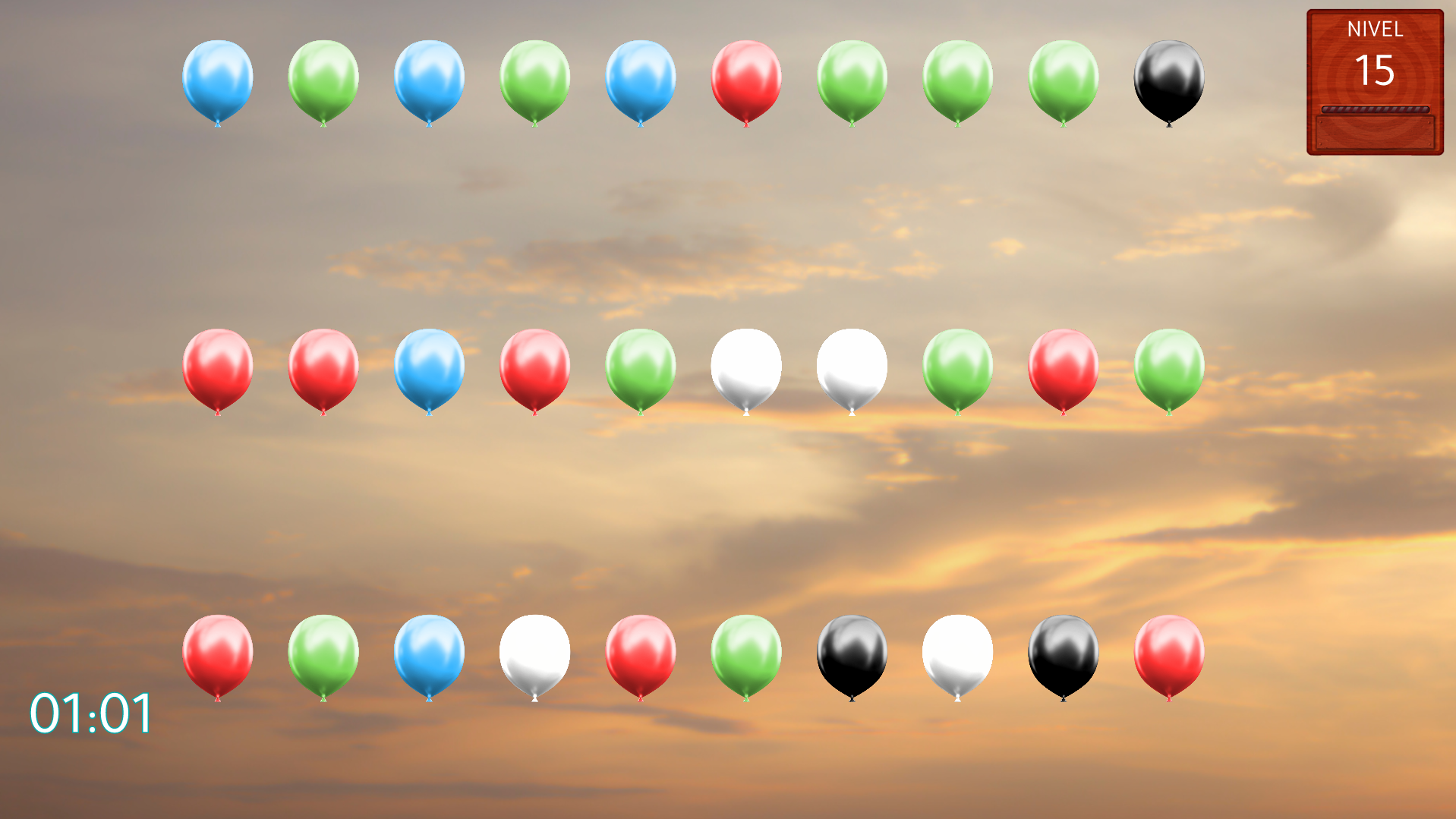
Sustained attention and reaction speed

Attention activities that also include processing speed are especially interesting in neuropsychological rehabilitation.

What to consider during implementation

Attention training requires well-graded tasks, clear stimuli, and progression consistent with the patient’s profile. Having new activities, along with improvements in accessibility and functionality, makes it easier to design sessions that are more tailored, stable, and sustainable over time.

Integradas dentro de una planificación clínica razonada, estas herramientas permiten trabajar la atención con mayor precisión y favorecer una transferencia más realista a las demandas de la vida diaria.

Scroll to Top