What type of musculoskeletal patient benefits most from the use of physical therapy software for musculoskeletal rehabilitation?
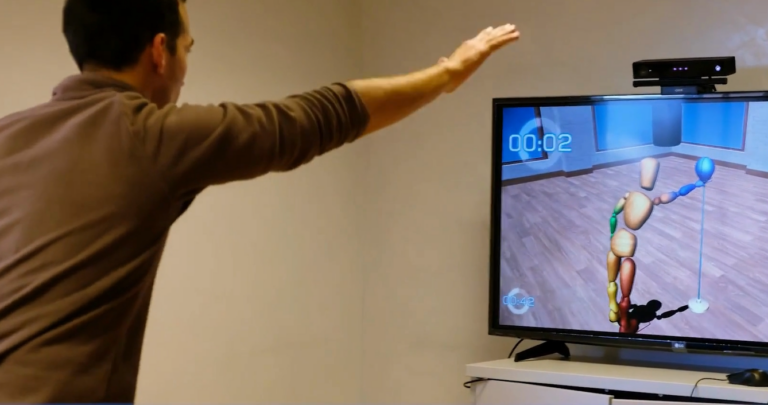
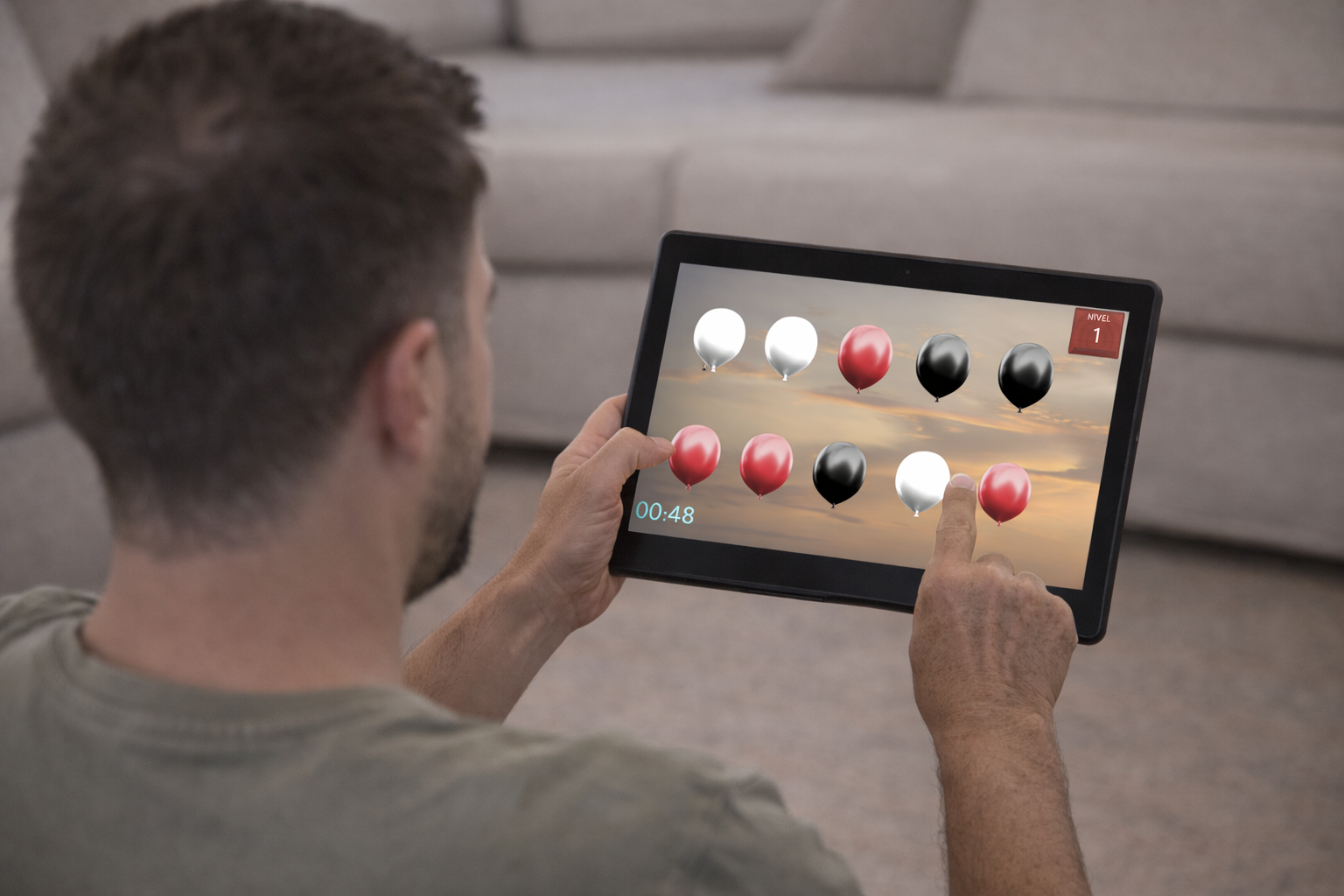
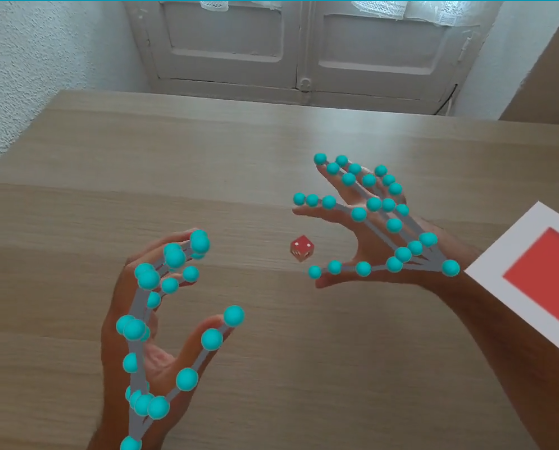
The use of musculoskeletal rehabilitation software is gaining ground in clinics, hospitals, and physical therapy centers. It is no longer just a matter of following prescribed exercises: today, digital tools allow for personalized sessions, increased motivation, and objective measurement of progress.
But not all musculoskeletal patients benefit equally. In this article, we analyze which clinical profiles respond best to the use of interactive software and when it should be used with caution.
Which clinical profiles benefit most from musculoskeletal rehabilitation software?
Patients with musculoskeletal injuries who benefit most from this type of tools tend to share certain characteristics:
-
Mechanical pain (such as low back pain, knee pain, neck pain) without severe limitations of active mobility .
-
Low adherence to conventional programs: patients who get bored or become frustrated easily with repetitive exercises.
-
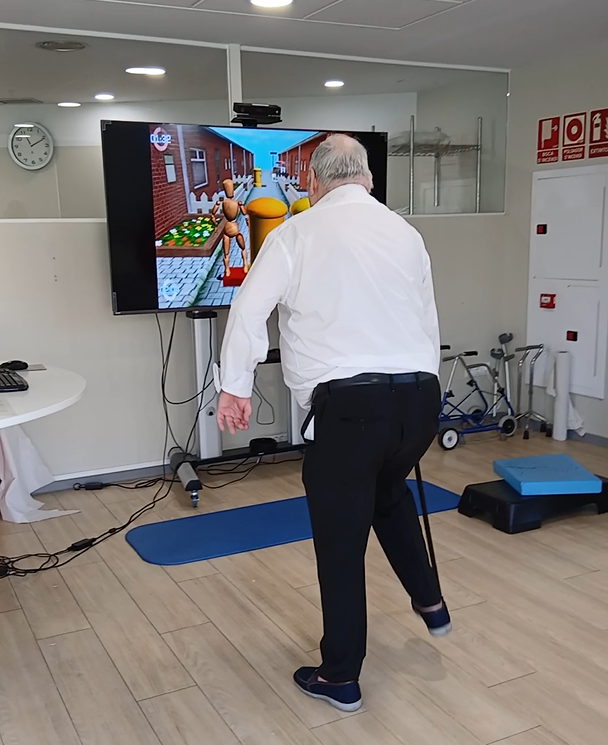
People with good comprehension and ability to follow instructions, even if they are older.
-
Patients with kinesiophobia or fear of movement, where the playful format of the software helps to reduce avoidance.
-
Active phases of post-surgical recovery (such as arthroscopy, knee replacement or surgery of the shoulder), where you can train range, motor control, and functionality with visual feedback.
When should you be more cautious?
Although a software for musculoskeletal rehabilitation can be adapted to multiple contexts, there are certain cases in which it is necessary to carefully evaluate its use:
-
Acute pain with active inflammation or hypersensitivity.
-
Very early post-surgical stages where active mobility has not been authorized.
-
Unstable injuries or with risk of aggravating the injury.
-
Moderate or severe cognitive impairment, which prevents understanding the task, although with supervision some patients may also benefit.
-
Visual or vestibular disturbances if virtual reality glasses are used (not usually applied to the case of a semi-immersive virtual reality such as Rehametrics).
Advantages of the use of interactive software in musculoskeletal physiotherapy
In addition to the motivational component , the use of software for musculoskeletal rehabilitation offers tangible advantages both for the professional and for the patient:
-
It allows designing sessions that are more attractive and diverse without compromising the clinical objectives.
-
Records objective data about range of movement, speed, repetitions or accuracy.
-
Automates the tracking of progress, providing reports for patients, insurance companies or medical teams.
-
Increase adherence thanks to gamification, which can be translated into better functional results.
In the case of platforms such as Rehametrics, the semi-immersive design avoids the use of glasses, which allows working with elderly people or those with visual impairments. In addition, the variety of exercises adapted to the musculoskeletal system allows coverage from analytical tasks to functional gamified exercises, with progressive difficulty and real-time feedback.
“Many patients came in unmotivated and afraid to move, especially after a long period of sick leave due to lower back pain. Since we started using Rehametrics, we have noticed a clear improvement in adherence. They like to see their progress on screen, and what used to be complaints about pain are now questions about unlocking new levels.”
Profesional de una mutua que usa Rehametrics
Conclusion
A Software for musculoskeletal rehabilitation is not a universal tool, but when it is applied with clinical judgment, it can transform the way in which the patients relate to their treatment. Identifying the profile appropriate —and adapt the intervention to their needs— is key to obtaining the best results.
For many patients, this technology not only improves their recovery: it also gives them back the desire to move.
Find out more about how our solutions can make a difference!