
Dual-task rehabilitation exercises
Dual-task rehabilitation exercises address two objectives at the same time: a physical task and a cognitive task.
The patient does not just move. They must also react, remember, make decisions, count, identify stimuli or maintain their attention whilst performing the exercise. Moving whilst making decisions is an example of dual tasks.
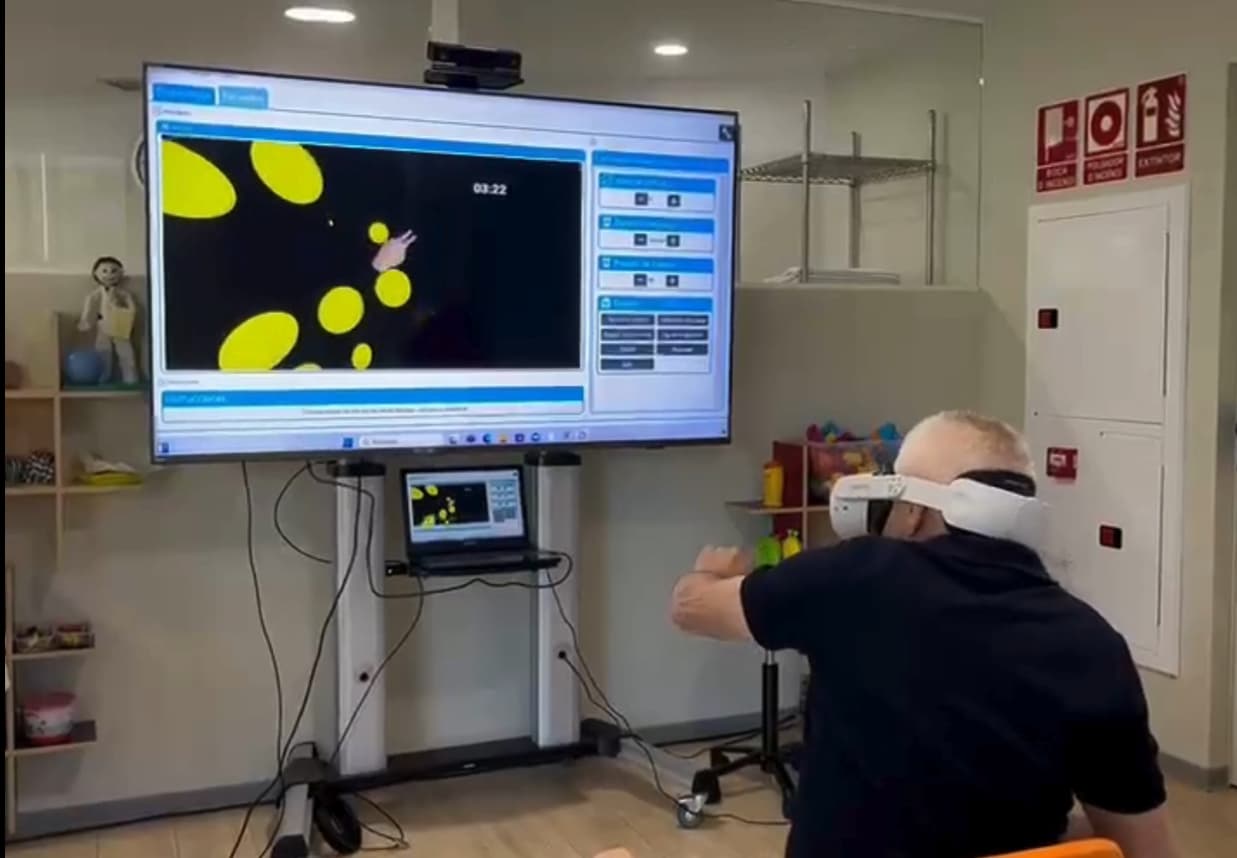
What do Dual Task activities involve?
This approach is increasingly used in neurorehabilitation because many activities of daily living work in this way: walking whilst talking, maintaining balance whilst paying attention to our surroundings, or moving whilst making decisions are all examples of dual tasks.
At Rehametrics, dual-task exercises combine movement, balance, coordination and cognitive stimulation within a single gamified and measurable activity. The specific combination depends on the clinical objective and the patient’s profile, but areas such as the following are typically trained:
- Sustained, selective and divided attention
- Working memory and processing speed
- Dynamic balance, walking and motor coordination
- Decision-making and executive functions
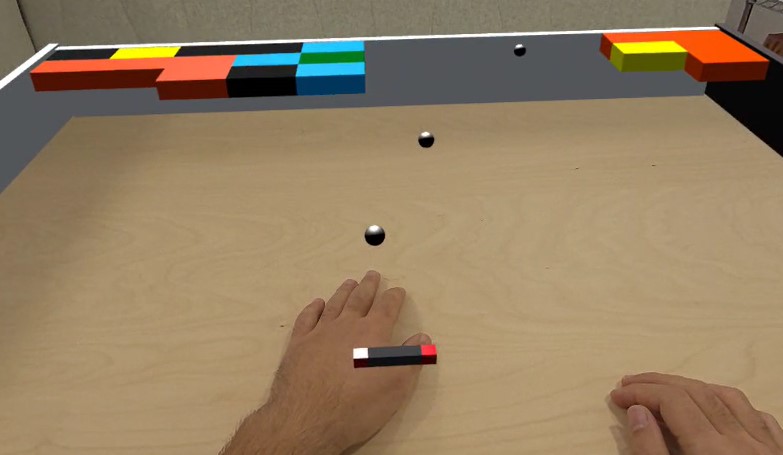
Dual-task rehabilitation exercises
More than 15 dual-task exercises are available in the Rehametrics virtual reality module, combining physical and cognitive tasks within the same environment. Space reserved for the final screenshots of each activity.
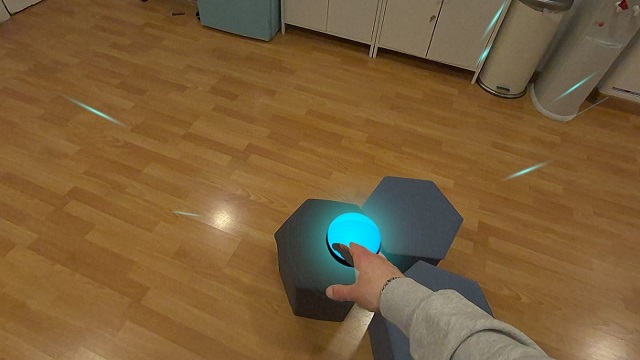
Reaction and movement lights
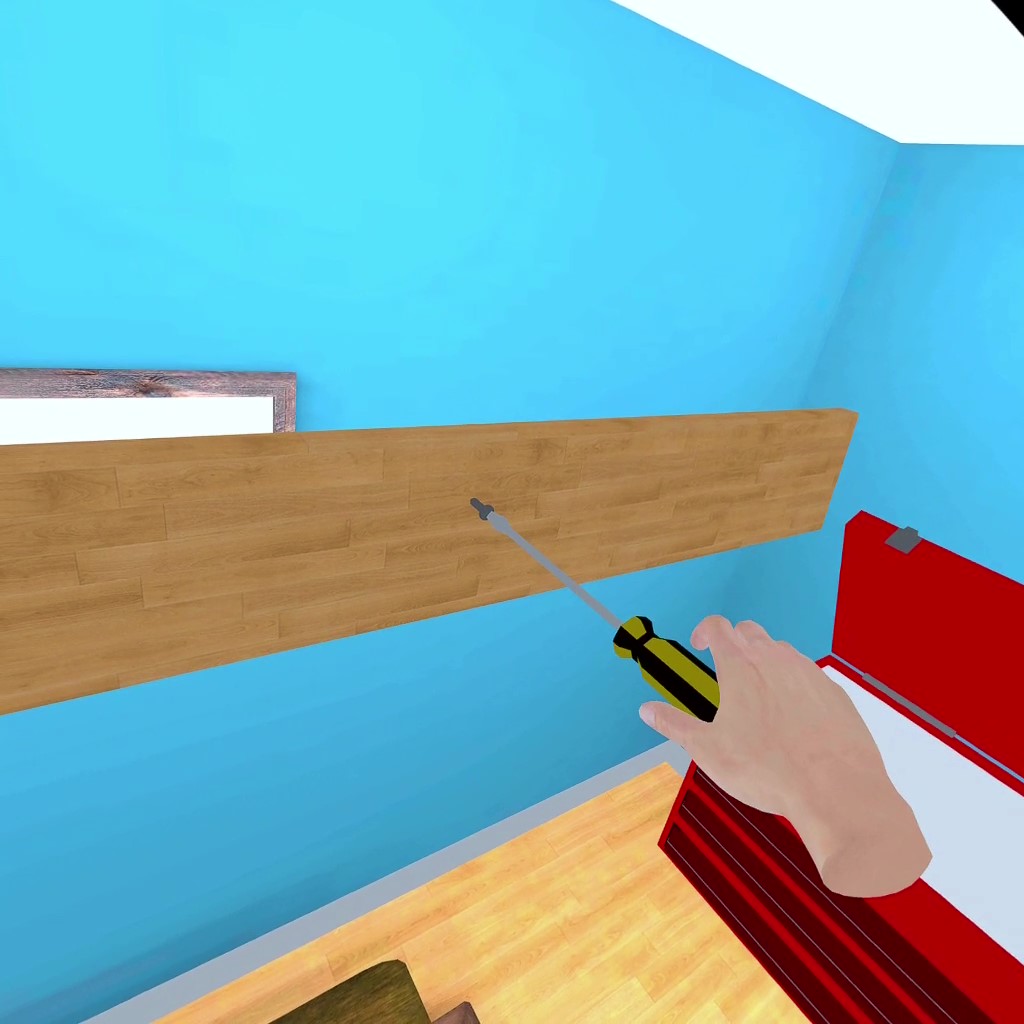
Handling objects at height
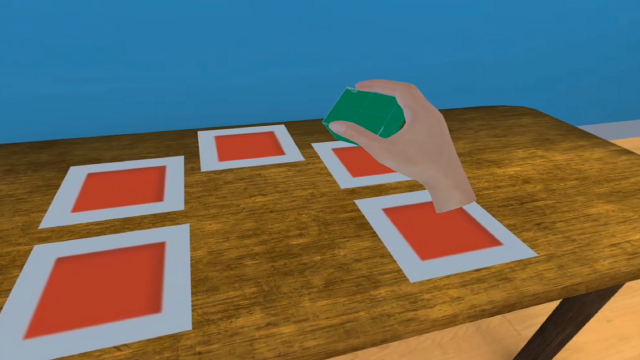
Working memory
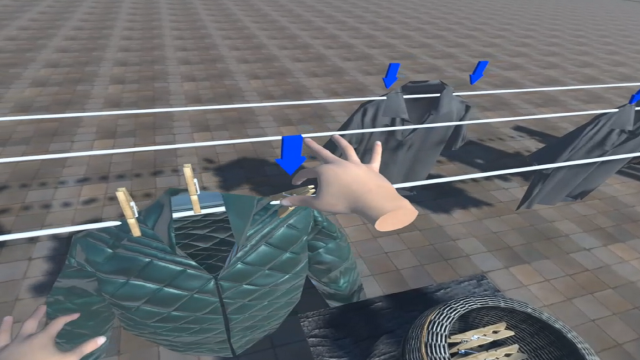
Hanging out the washing
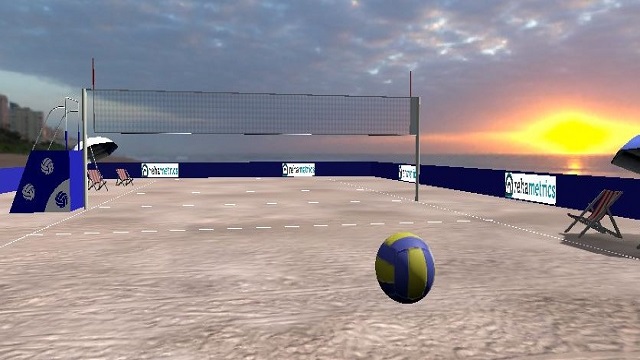
Cognitive volleyball
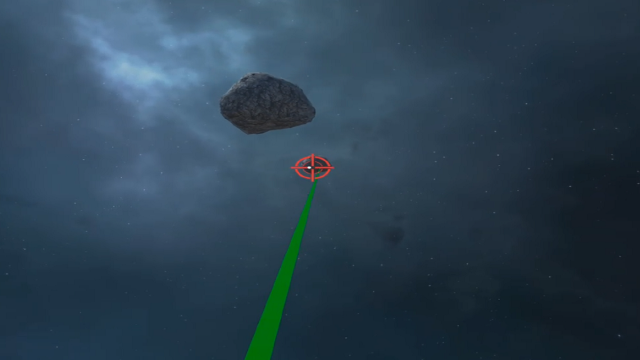
Head control and attention
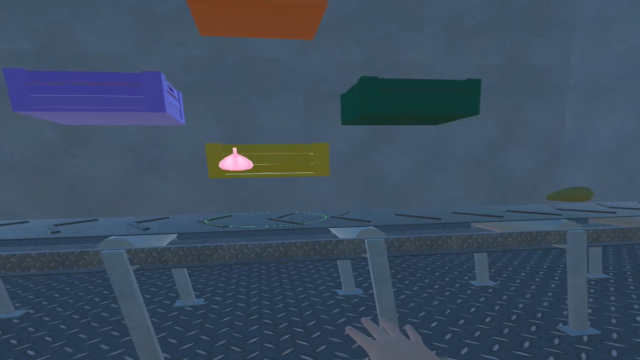
Wrist mobility and categorisation
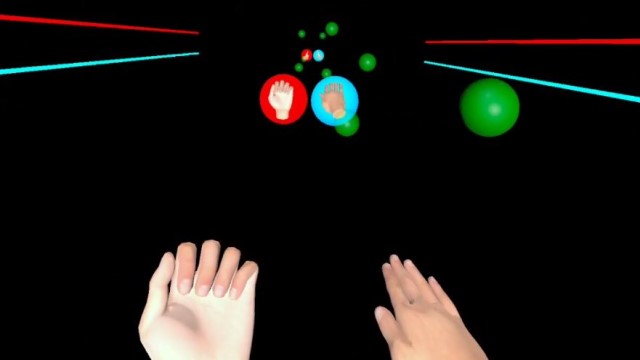
Bimanual praxis
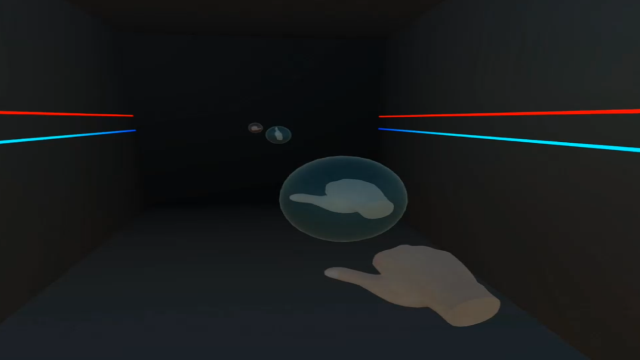
Praxis exercises
+
VR exercises
Objective monitoring of rehabilitation
Rehametrics automatically records clinical metrics such as correct responses, errors, response time, range of motion and level of difficulty during each session. This enables the therapeutic team to monitor the patient’s progress objectively and adjust the treatment according to their progress.
Furthermore, Rehametrics provides occupational therapists with fully customisable exercises, the difficulty of which can be adjusted in real time according to the patient’s performance.
Response time
Successes
Level of difficulty
Errors
Range of motion
Benefits of dual-task exercises
Compared with conventional rehabilitation, the dual-task approach offers clear clinical benefits.
Greater transfer to everyday life
Dual-task exercises simulate everyday situations in which the brain has to process multiple stimuli at the same time, helping to ensure that the improvements translate into real-life activities.
Greater motivation and adherence
Gamification and immediate feedback increase patient engagement during sessions, particularly in the case of long-term or repetitive treatments.
Objective monitoring
Reaction times, accuracy, processing speed and quality of movement are recorded, facilitating clinical monitoring and the personalisation of treatment.
Examples of Dual Task combinations with Rehametrics VR
These are some of the combinations of physical and cognitive tasks used in Rehametrics’ Dual Task exercises, with the difficulty adjusted in real time according to the patient’s level.
- Responding to visual stimuli whilst maintaining balance or posture
- Sorting objects whilst practising wrist mobility
- Solving working memory tasks whilst performing guided movements
- Coordinating both hands whilst performing tasks that require divided attention
- Maintaining head control whilst responding to external stimuli
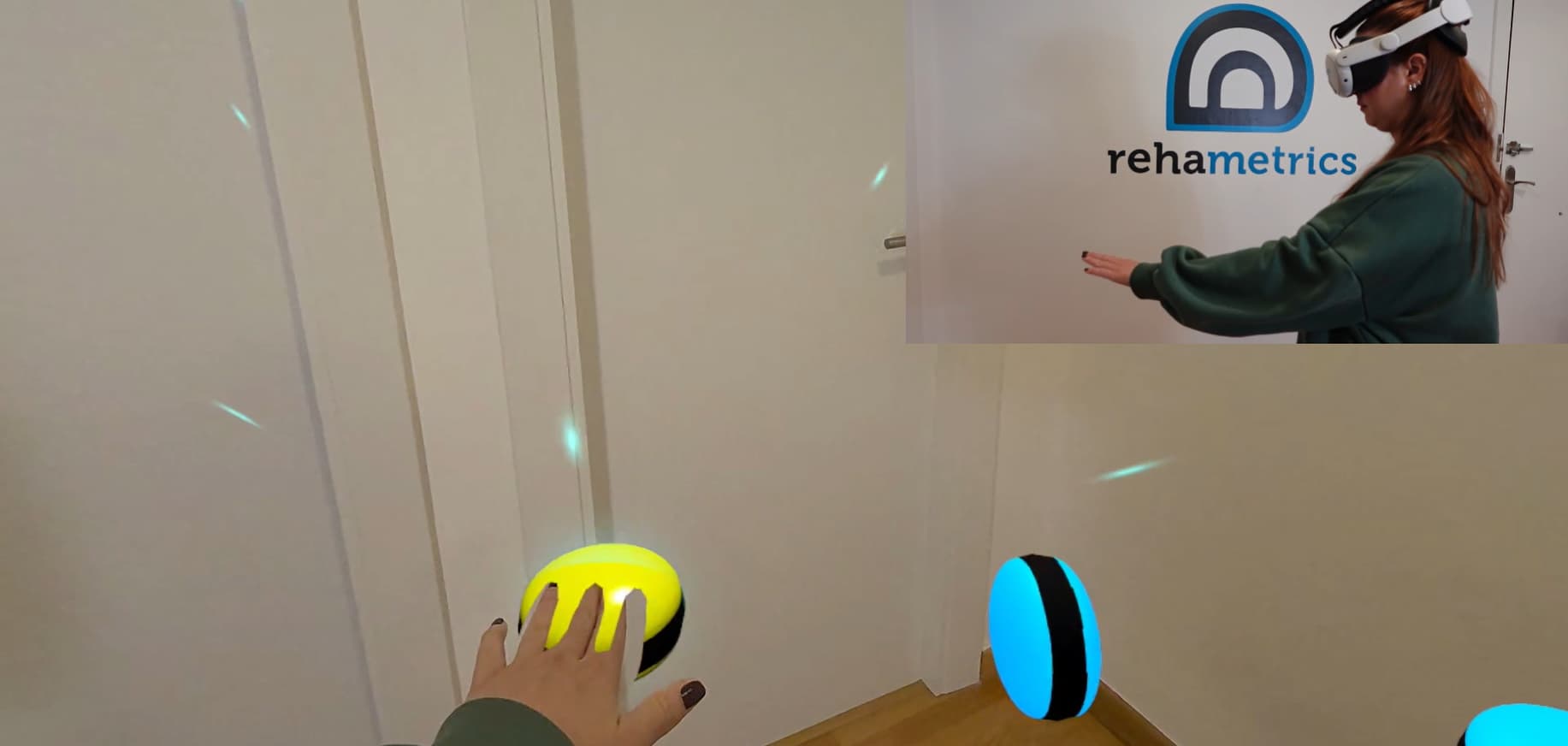
Discover our virtual reality solution for occupational therapy
Frequently asked questions
It is an exercise that combines a motor task and a cognitive task simultaneously. For example, walking while responding to stimuli, or maintaining balance while performing simple calculations.
Because many daily activities require doing several things at once. This approach trains the patient to function better in real-life situations, not just in isolated exercises.
Primarily neurological patients (stroke, Parkinson's, acquired brain injury), older adults at risk of falls or cognitive decline, and also paediatric populations with motor or cognitive needs.
It improves transfer to daily life, increases patient engagement and enables physical and cognitive functions to be worked on in an integrated way.
Yes. Difficulty is adjusted according to performance. Variables such as cognitive complexity, physical intensity and response speed can all be modified.
Metrics such as reaction time, accuracy, balance, speed and correct response rate are recorded, enabling objective monitoring and continuous treatment adjustments.
From simple tasks such as reacting to stimuli while maintaining posture, to more complex activities combining memory, attention and movement.
It makes it possible to create controlled and motivating environments in which to integrate physical and cognitive tasks. It also facilitates precise performance measurement and treatment personalisation.
It depends on the case. It can be used in-clinic under supervision or remotely with monitoring by the healthcare professional.
It varies according to the patient and the condition. In general, consistency in treatment and correct difficulty adaptation are key to achieving improvements.
It also has a preventive role, particularly in older adults, helping to work on balance and attention and reduce the risk of falls.
Not necessarily. It can be adapted to different levels of technology, from more basic solutions to more advanced virtual reality environments.