
Why Patients Drop Out of Rehabilitation (and How to Prevent Them from Switching to Another Facility)
Every patient who drops out of treatment midway through is a poor clinical outcome—and, in a private facility, lost revenue. The good news is that dropouts almost always have identifiable—and preventable—causes.
Negligence ends up costing more than it seems
At a rehabilitation clinic, not all patients who begin treatment complete it. Some miss sessions, others gradually space them out until they stop coming altogether, and many give up before they are discharged. For the patient, this means an incomplete recovery. For the clinic, it means something very concrete: a bed that no longer generates revenue and an empty slot in the schedule that is difficult to fill again.
The problem is that dropout rates are rarely quantified. They are considered inevitable—“some patients don’t stick to their treatment”—when, in reality, they are one of the indicators that most directly affect a private clinic’s profitability. In fact, reducing dropout rates is one of the key factors in setting your clinic apart from the competition: a patient who completes their treatment and is satisfied is your best tool for attracting new clients.
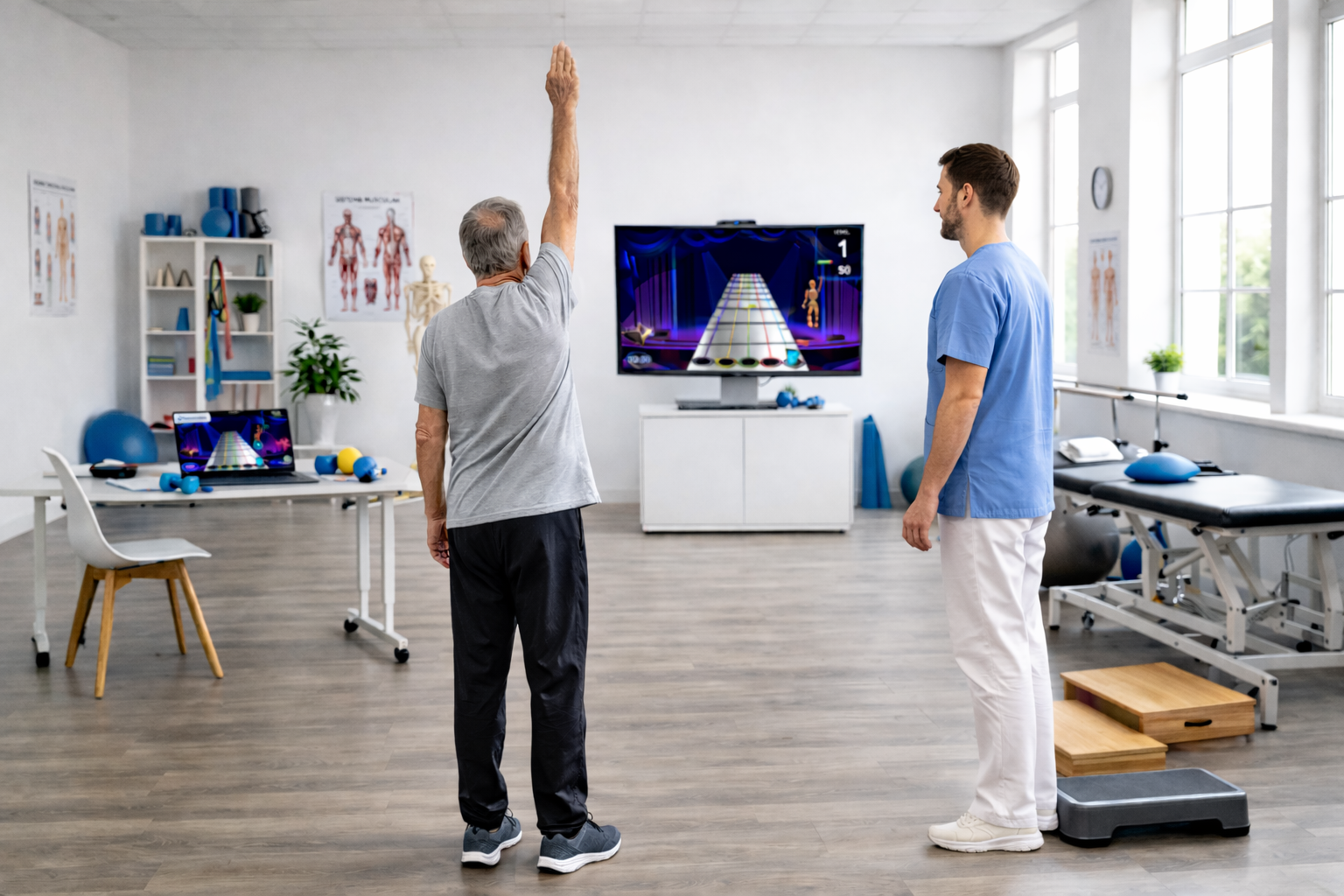
Why patients drop out of rehabilitation
If you ask any professional, they'll recognize the pattern. The most common causes are:
Therapy becomes monotonous. Traditional rehabilitation is, by its very nature, repetitive: the same exercises, the same movements, session after session. When patients view therapy as a tedious chore, their motivation wanes and their attendance suffers.
He doesn't realize he's making progress. Recovery is usually slow and not very noticeable in everyday life. If the patient doesn't see any signs of progress, they begin to doubt whether the effort is worth it—and whether they're getting their money's worth.
Participate passively. When patients do not feel like they are in control of their session, their connection to the treatment is weak. Active involvement is one of the strongest predictors of adherence.
Routine can be exhausting for professionals, too. A therapist who lacks the tools to vary their sessions ends up offering the same thing over and over again, and that lack of variety rubs off on the patient.
The common thread running through almost all of these cases is one thing: a lack of motivation. And motivation, far from being a fixed trait of the patient, is something the center can foster.
Motivation can be cultivated
If the underlying issue is motivation, the solution lies in redesigning the therapy experience. And the most effective tool for doing so is gamification: applying game mechanics—challenges, levels, rewards, and immediate feedback—to rehabilitation exercises.
The idea is simple yet powerful. Instead of asking the patient to repeat a movement twenty times “just because they have to,” that same exercise is turned into a challenge with a clear goal, immediate visual feedback, and a sense of accomplishment upon completion. The clinical effort remains the same; the patient’s experience is completely different. Therapy ceases to be a chore and becomes an activity the patient looks forward to.
This doesn't just change the mood of the session—it changes the results. A motivated patient attends more often, comes back more often, works harder, and, above all, doesn't give up.
“It has music, it has colors… I forget that I’m in rehab and that I’ve had a stroke. It’s like I’m playing, and I love that.”
What the evidence shows
And this isn't just clinical intuition. A systematic review of clinical trials on gamification in neuromotor rehabilitation concluded that the broadest consensus among the authors is precisely that motivation and treatment adherence increase when game-based elements are incorporated into treatment. (Systematic review, PubMed)
Similarly, reviews of virtual reality applications in rehabilitation indicate that traditional sessions—which are long and monotonous—make it difficult for patients to stick with the program, whereas immersive and gamified environments are engaging and motivating, helping to maintain patient commitment throughout treatment.
The conclusion is clear: if a lack of motivation is the main reason people drop out, technology that boosts motivation is the key tool for retention.
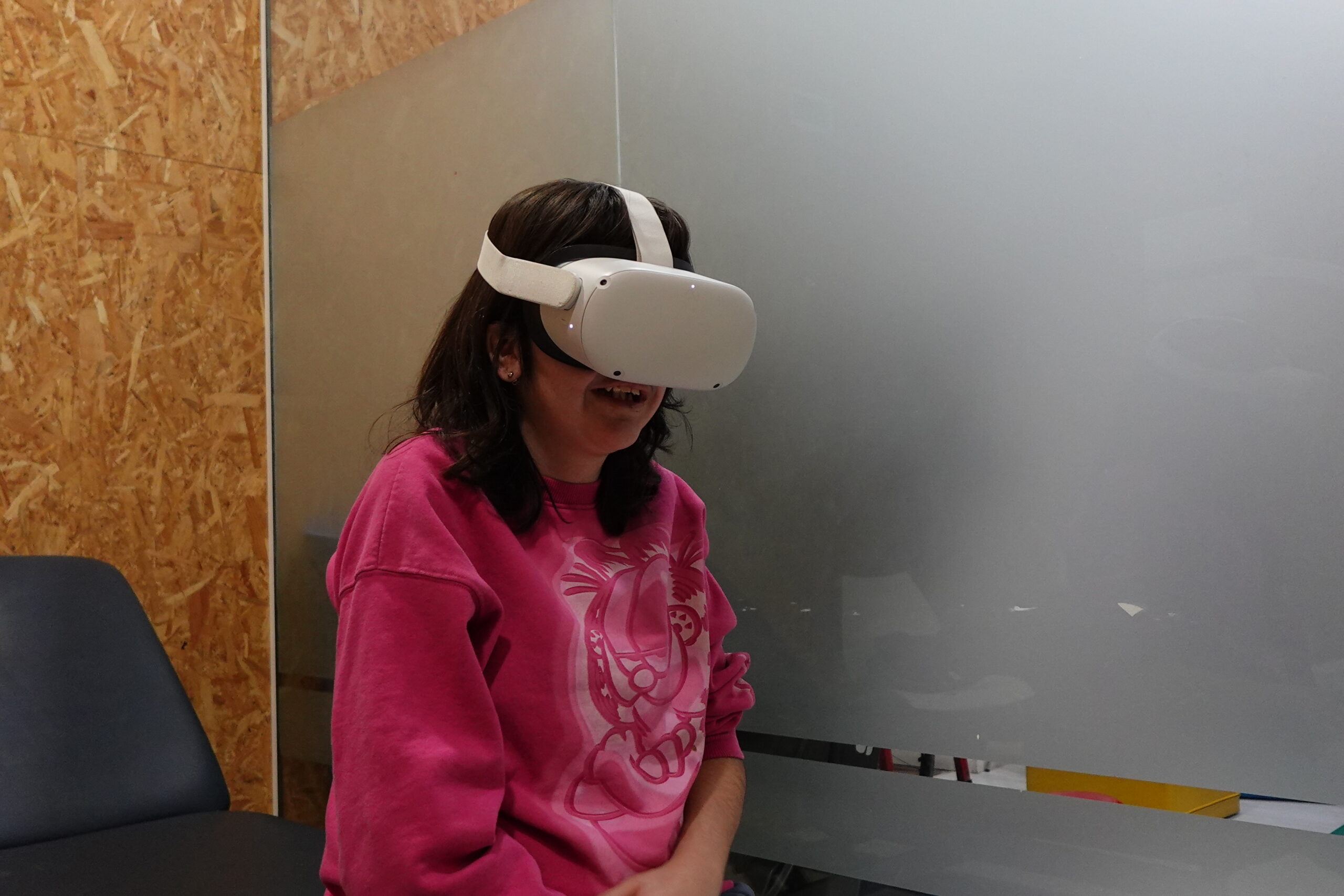
How Rehametrics Helps Prevent Patients from Dropping Out
This is where a digital rehabilitation platform makes all the difference. Rehametrics directly addresses each of the reasons for dropping out:
"Some patients come in with doubts, but once they realize they can do it, they get hooked."
Make the session something the patient wants to repeat
Thanks to gamification, therapy is no longer just a list of repetitions but becomes a stimulating experience, featuring reinforcement and visual, auditory, and kinesthetic biofeedback. The data confirms this: in a study involving 149 patients undergoing musculoskeletal rehabilitation at five centers, 89% found Rehametrics more motivating than traditional therapy, and 95% felt it helped them in their recovery.
It makes progress visible
The system automatically tracks each session and generates objective reports that the patient can view. Seeing progress—based on data, not assumptions—is one of the biggest incentives to keep going.
It keeps the challenge just right
The adaptive difficulty level tailors each exercise to the patient's performance: not so easy that it becomes boring, nor so difficult that it becomes frustrating. That balance is key to maintaining motivation session after session.
Leave it to the professional
The therapist can adjust intensity levels and durations during the session itself and has access to more than 360 exercises to vary and refresh the treatment. A team equipped with these tools delivers better sessions, and this is reflected in patient retention.
Extend the treatment to the home
With telerehabilitation, patients can continue their treatment at home when they are unable to travel—one of the main reasons people drop out of treatment. And it works: in Rehametrics’ home-based programs, 85% of the sessions scheduled for home are completed.
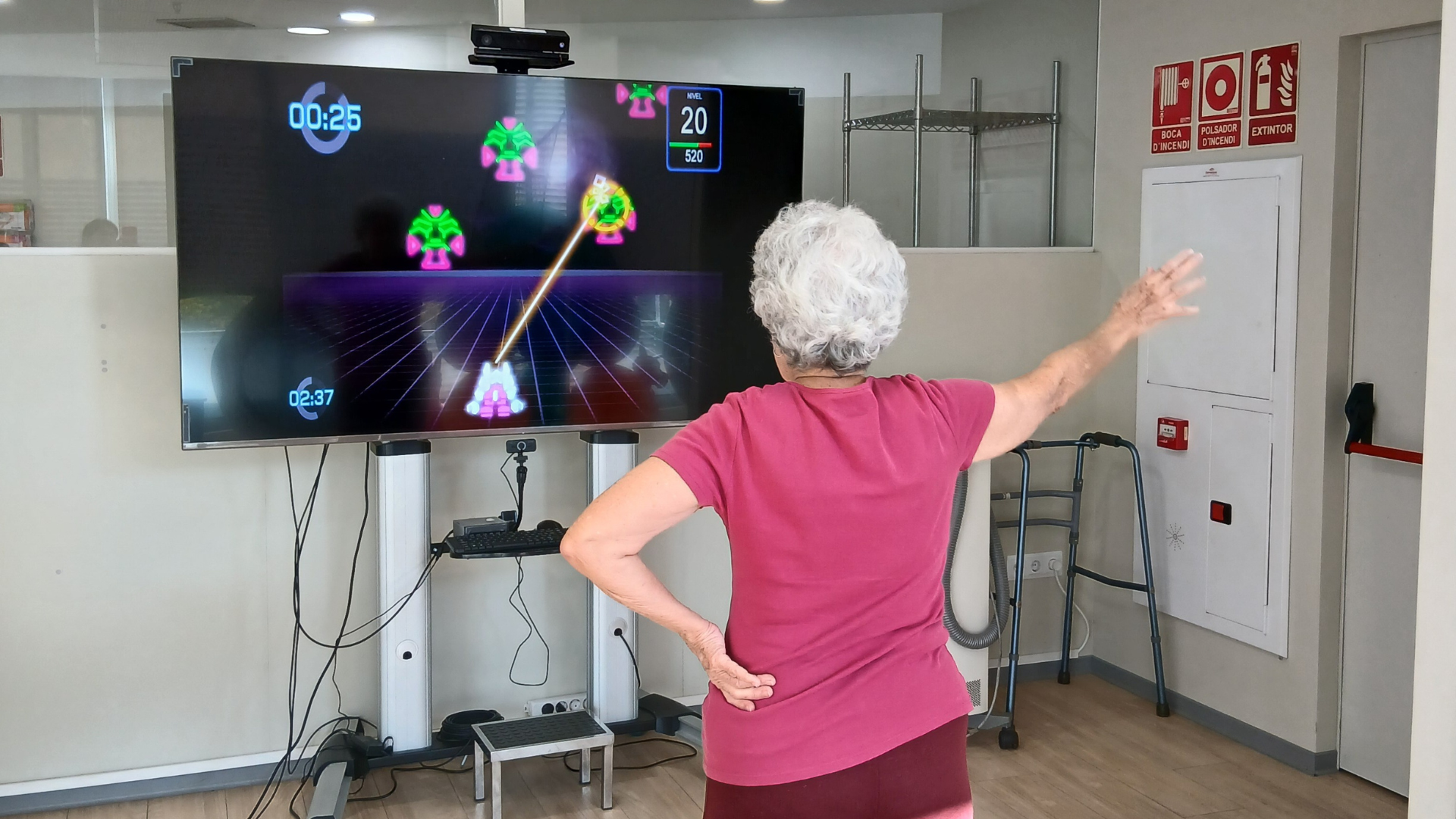
In a telerehabilitation program at the Hospital Italiano in Buenos Aires, patients completed an average of 90% of their prescribed treatment plan, with treatments lasting for months without any dropouts.
Engagement that translates into revenue
It’s important to connect the dots for the clinic’s management. A motivated patient completes more sessions; more completed sessions mean better clinical results; better results lead to satisfaction, reviews, and referrals; and all of this drives both retention and new patient acquisition. Motivation isn’t just a “nice-to-have”: it’s a revenue driver.
The data that matters to management
Retaining a patient who is already attending the clinic incurs no acquisition costs. Every percentage point reduction in the dropout rate translates to profit for the clinic. Patient retention is likely the most underrated driver of profitability for a rehabilitation center.
How to Start Reducing Dropout Rates at Your School
- Measure your bounce rate. What isn't measured can't be improved: knowing how many patients don't make it to discharge is the first step.
- Make progress visible. Share the patient's progress with them; seeing their progress is the greatest incentive to keep going.
- Break the monotony. Incorporate variety and engaging activities so that the patient will want to come back.
- It provides continuity at home. Tele-rehabilitation prevents mobility issues from leading to neglect.
Do you want to reduce no-shows at your clinic?
In this demonstration, we’ll show you how Rehametrics’ gamified rehabilitation improves your patients’ adherence.
Request a demo
Frequently Asked Questions
How can I measure the dropout rate at my school?
Compare the number of patients who start treatment with the number who are discharged within a given period. With Rehametrics, the automatic session tracking also allows you to see which patients are spacing out or failing to complete their scheduled sessions—an early sign of dropout.
Does gamification detract from the clinical seriousness of treatment?
No. Gamification is a tool for increasing motivation and adherence, but the exercises retain their clinical purpose. The professional structures the session, adjusts the difficulty, and monitors the intervention at all times; the playful component is a means, not an end.
Is it suitable for older patients or those who aren't very tech-savvy?
Yes. The system is intuitive to use and adapts to each patient's skill level. Experience at many centers shows that even older adults with no prior experience with technology adapt well when they are guided through the first few sessions.
How does telerehabilitation help prevent patients from dropping out?
It allows patients to continue their treatment at home when they are unable to travel to the center—one of the most common reasons for dropping out. The healthcare professional prescribes and supervises the sessions remotely, ensuring continuity of care.
Can I start using it without a large initial investment?
Yes. You can start with one module and expand later. The cognitive module works with a mouse or touchscreen, the physical module with a motion capture sensor, and virtual reality is optional with Meta Quest headsets.