
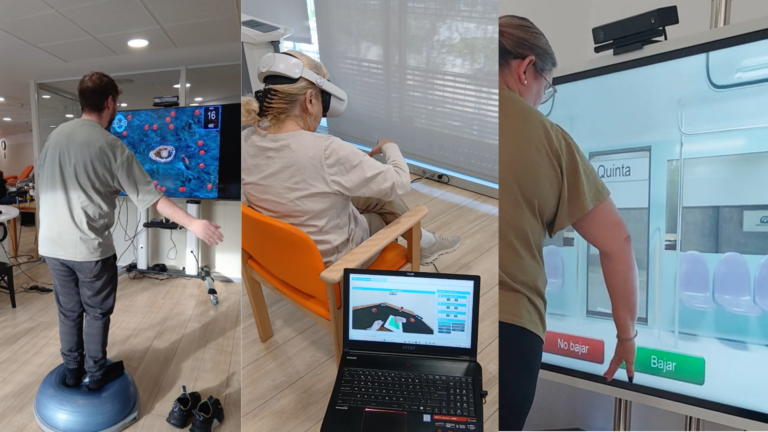
Profiles of patients who benefit from digital rehabilitation
Clinical rehabilitation is evolving thanks to the integration of digital tools that complement conventional therapy. Today, we’re not just talking about technological innovation—we’re talking about expanding therapeutic possibilities and improving the patient experience. Identifying the profiles of patients who benefit from digital rehabilitation is key to helping professionals decide when and how to apply it.
Neurological patients: stroke, trauma and neurodegenerative diseases.
Neurological patients require intensive, repetitive programs that promote neural plasticity and functional recovery. Digital rehabilitation offers personalized exercises with immediate feedback and automatic recording of clinical data.
-
For stroke patients, it allows for safe and gradual improvement in strength, range of motion, and coordination.
-
En esclerosis múltiple o Parkinson, facilita la adaptación de la dificultad para mantener la motivación y evitar la fatiga.
-
For traumatic brain injuries, he supports a combination of physical and cognitive therapy.
Patients with chronic pain and reduced mobility

Chronic pain and kinesiophobia make it difficult to adhere to treatment regimens. Digital tools provide safe, controlled environments where patients can make gradual progress. Gamification helps reduce negative perceptions of movement and improves engagement, which is essential in conditions such as chronic low back pain or osteoarthritis.
Patients with cognitive complaints or mild cognitive impairment.
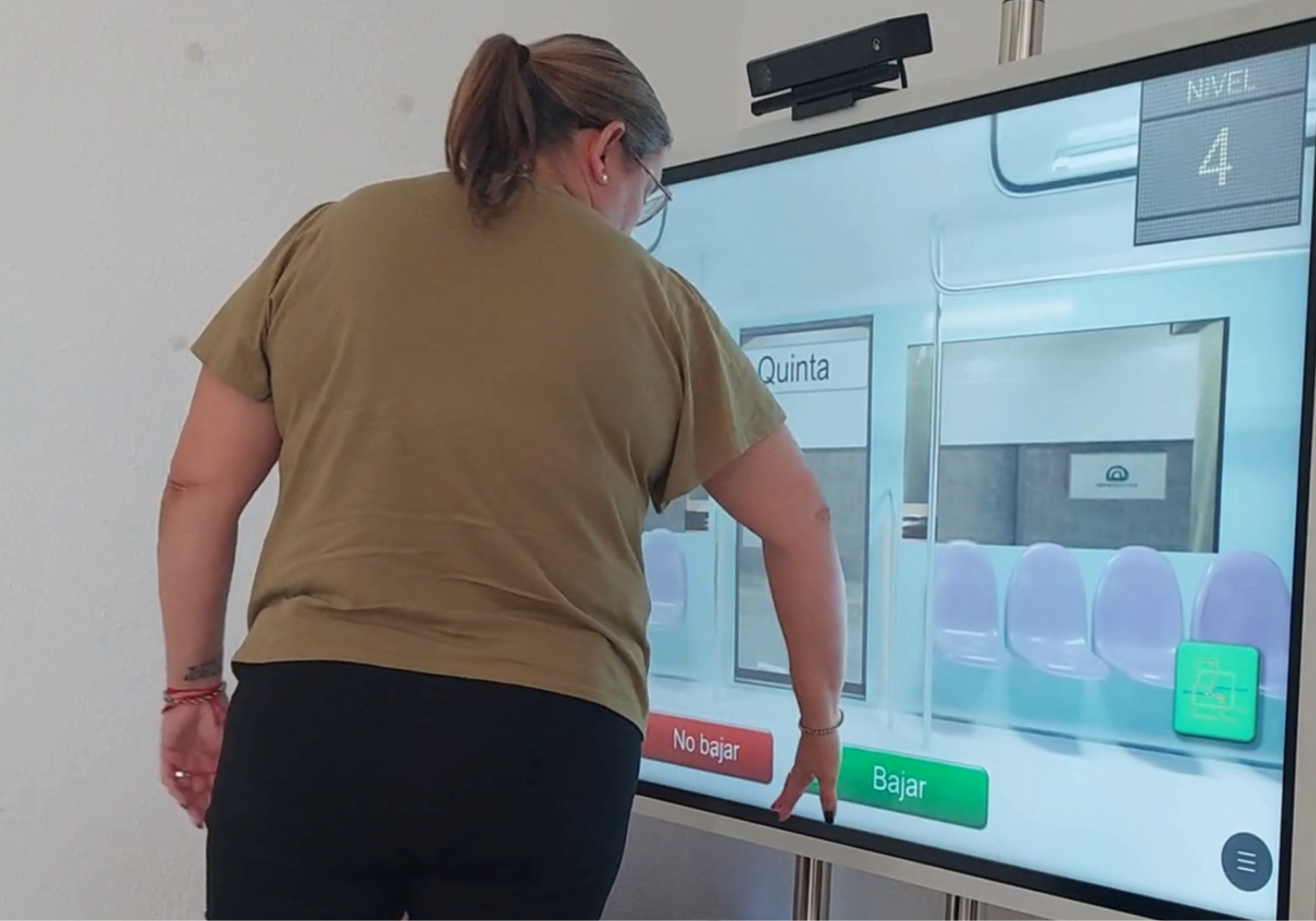
Digital cognitive stimulation is one of the areas where the most evidence has accumulated in recent years. The ability to address memory, attention, and executive functions through structured and adaptive activities is a significant advantage. For patients with subjective complaints of memory problems or mild cognitive impairment, digital rehabilitation enables an early and systematic approach that helps maintain independence and quality of life.
Older adults
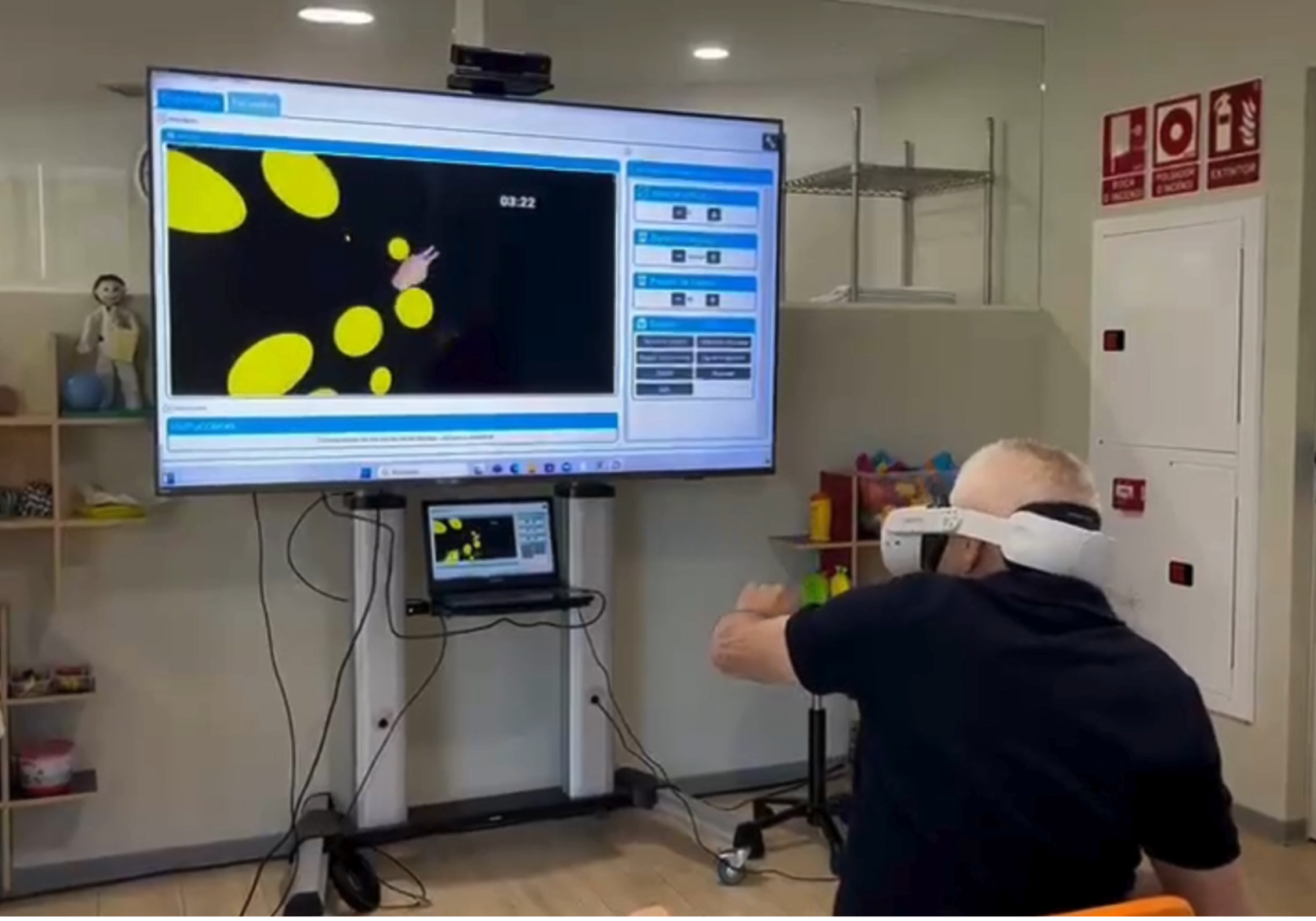
Older adults are a key demographic among patients who benefit from digital rehabilitation. Physically, they can work on mobility, balance, and strength in a tailored and safe manner. Cognitively, they find virtual reality and interactive activities to be an engaging and motivating form of training. Furthermore, the emotional component is crucial: many older patients perceive these therapies as games, which increases adherence and fosters positive experiences.
Patients with musculoskeletal injuries
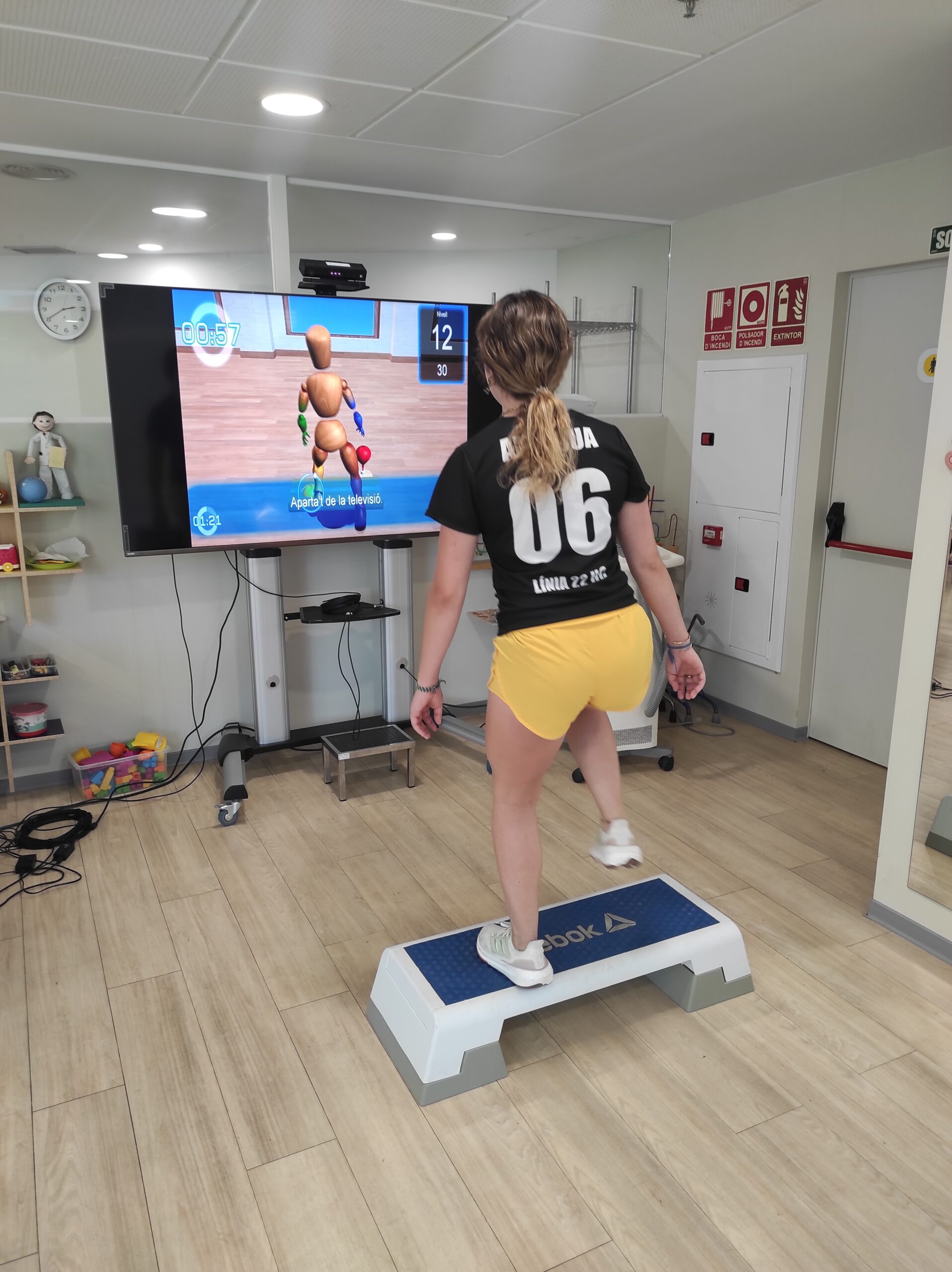
Digital rehabilitation has also proven effective for patients with musculoskeletal injuries, both acute and chronic. Athletes with sprains or muscle tears, patients recovering from orthopedic surgery, and people with tendinopathies benefit from progressive, personalized, and motivating programs.
-
The exercises can be adjusted in terms of range of motion and speed to prevent overexertion.
-
Accurate performance tracking allows professionals to adjust the workload precisely.
-
The recreational aspect of digital therapy improves adherence to long-term treatment regimens, such as rehabilitation following knee or hip replacement surgery.
Conclusion: patient profiles that benefit from digital rehabilitation.
Digital rehabilitation is not limited to a single patient profile. From stroke survivors to older adults with mild cognitive impairment, as well as those living with chronic pain or musculoskeletal injuries, the range of beneficiaries is broad. For professionals, integrating these tools means having access to objective data, improving adherence, and expanding therapeutic options.
Sorry, we couldn't find any posts. Please try a different search.