
6 Digital tools to energise your group cognitive rehabilitation sessions
Why use digital tools for group cognitive rehabilitation?
In today’s clinical environment, more and more healthcare professionals – such as physiotherapists, occupational therapists, neuropsychologists and speech therapists – are incorporating digital tools into their cognitive rehabilitation programmes. These solutions not only help stimulate functions such as attention, memory, language or executive functions, but also increase patient engagement and adherence.
In this article we present 6 digital tools that you can use to dynamise your cognitive group sessions, combining cognitive stimulation with technology. And yes, they are all easy to use and adapt to different clinical profiles!
Rehametrics: clinical software for evidence-based group cognitive rehabilitation
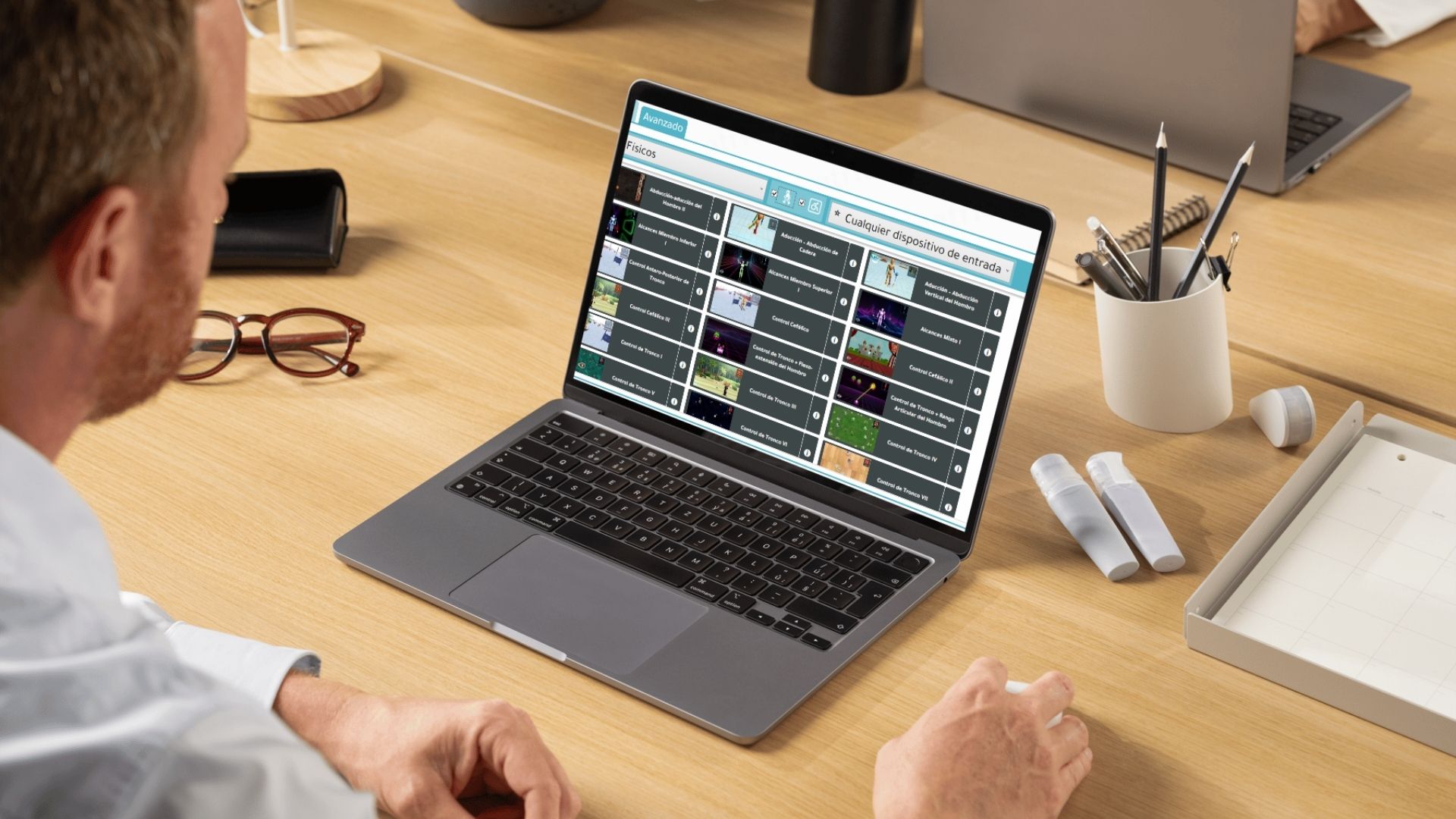
Rehametrics is a telerehabilitation and digital rehabilitation platform that includes a wide range of validated exercises for cognitive, motor and functionalrehabilitation. What sets it apart from other tools is its clinical approach, evidence-based support and its ability to adapt exercises to the profile and evolution of each patient.
In group sessions, Rehametrics allows:
-
Stimulate key cognitive functions in a personalized way.
-
Use gamified exercises that increase motivation.
-
Collect objective performance metrics in real time.
-
To carry out an accurate evolutionary follow-up.
Ideal for:
-
Cognitive sessions in neurological rehabilitation centers.
-
Groups with mild or moderate cognitive impairment.
-
Post-stroke rehabilitation or acquired brain damage.
Kahoot
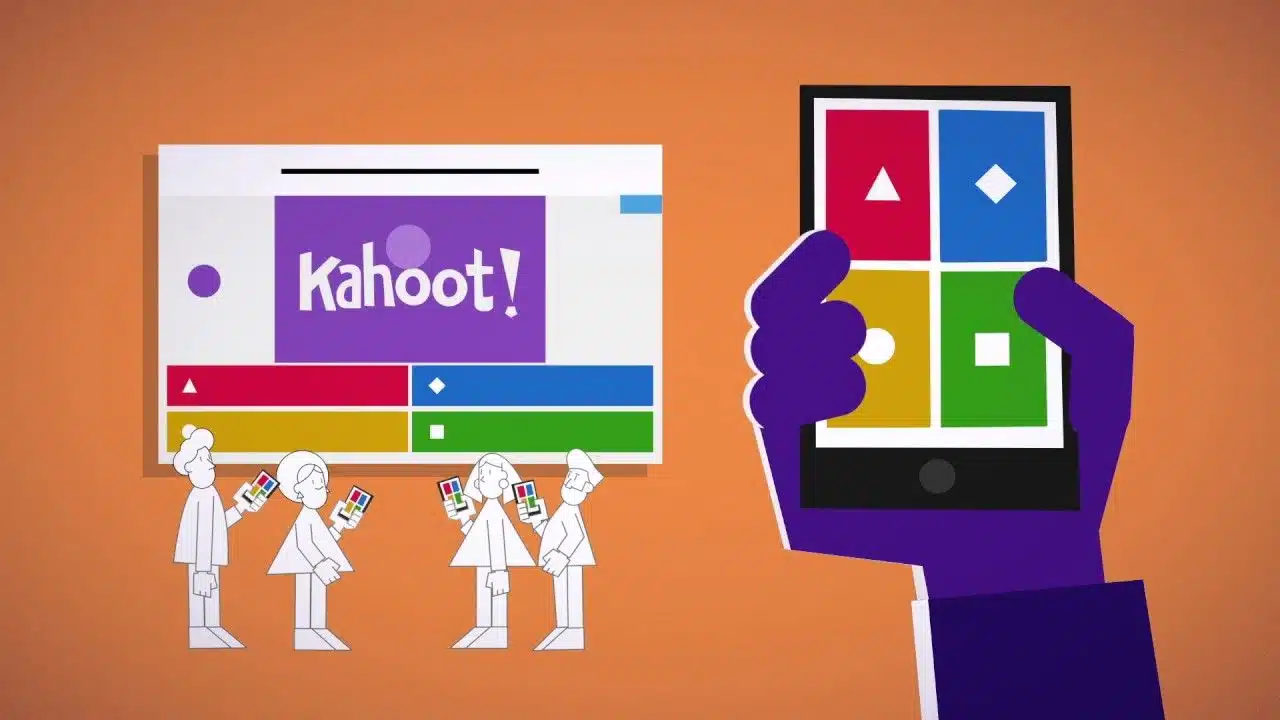
Kahoot is a learning platform based on interactive quizzes. Professionals can create quizzes with questions related to cognitive functions such as attention, semantic memory or logical reasoning.
Using Kahoot in a group generates:
- Interactive quiz platform with multiplayer option .
- Stimulates attention, memory and processingspeed .
- Very useful for groups, in dynamic and participative sessions.
Wordwall
Wordwall allows you to design cognitive activities with an attractive and adaptable aesthetic. You can create games such as word searches, matching, question roulettes, ordering sequences, among others.
Advantages:
-
Stimulation of visual memory, selective attention and planning.
-
Perfect for categorization and language tasks.
-
Compatible with digital whiteboard, projector or tablets.
Plickers
Advantages:
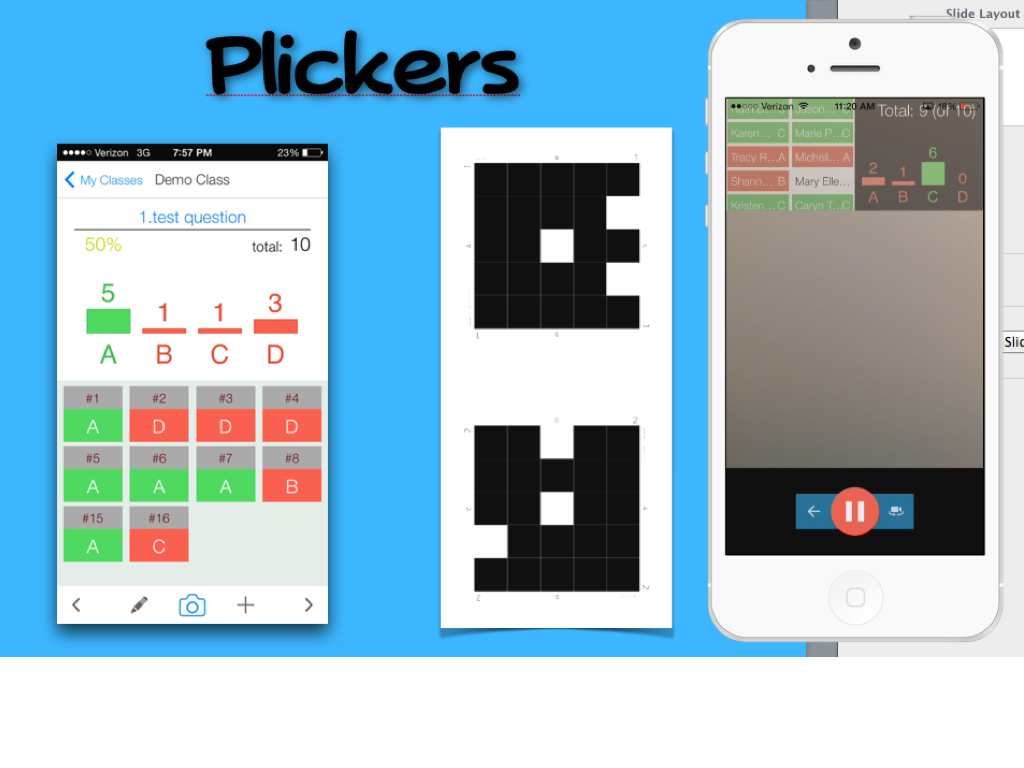
- Tool for answering questions without individual mobiles.
- Ideal for working on memory and reasoning in a group.
- All you need is the therapist’s cell phone and printed cards.
Baamboozle
Baamboozle is a perfect tool for group sessions. Its team dynamics allows alternating turns, promoting interaction between patients and working collaboratively on different cognitive functions.
Key features:
-
Ready-to-use or customizable games.
-
Various categories (language, logic, memory, etc.).
-
Simple interface, accessible for the elderly or people with low technological level.
Educaplay
Educaplay offers a wide variety of interactive resources that you can use to create exercises targeting executive functions, reading comprehension, vocabulary, and more.
Among its most useful activities:
-
Association games.
-
Word maps.
-
Crossword puzzles and word search puzzles.
-
Logic series .
Technology as an ally in group cognitive rehabilitation
The incorporation of digital tools in group cognitive rehabilitation sessions represents a natural evolution in clinical practice. It is not only about modernizing interventions, but also about enhancing their therapeutic efficacy, personalizing the patient experience and improving engagement in group settings.
Through platforms such as Rehametrics, healthcare professionals can access clinically validated exercises, carry out objective follow-ups and adapt programs according to the patient ‘s evolution. At the same time, tools such as Kahoot, Wordwall or Baamboozle bring dynamism, healthy competitiveness and motivation, essential factors to maintain the attention and involvement of patients.
In addition, these digital solutions allow for greater versatility in the planning and execution of sessions, facilitating the combination of therapeutic approaches, interdisciplinary work and person-centered care.
In short, technology does not replace the intervention of the professional, but complements and amplifies it. Betting on these digital tools is betting on a more interactive, efficient and oriented to measurable clinical results group cognitive rehabilitation.