
Cognitive stimulation to increase independence in activities of daily living
At Rehametrics, professionals have access to more than 18 cognitive exercises specifically designed to simulate everyday situations, train multiple cognitive functions in a functional context and measure performance objectively.
Functional cognitive rehabilitation aimed at promoting independence
Cognitive stimulation exercises focused on activities of daily living help people to function independently in their everyday environment. Patients practise real-life activities – such as tidying a wardrobe, going to the supermarket and managing their money – in a safe and controlled environment, with the cognitive demands of each situation being gradually increased.
- More than 18 exercises featuring simulated real-life situations: the supermarket, the kitchen, the wardrobe, transport, money and bills.
- Every activity simultaneously engages attention, memory, planning and decision-making.
- Automated monitoring with contextualisation of errors in each functional scenario.
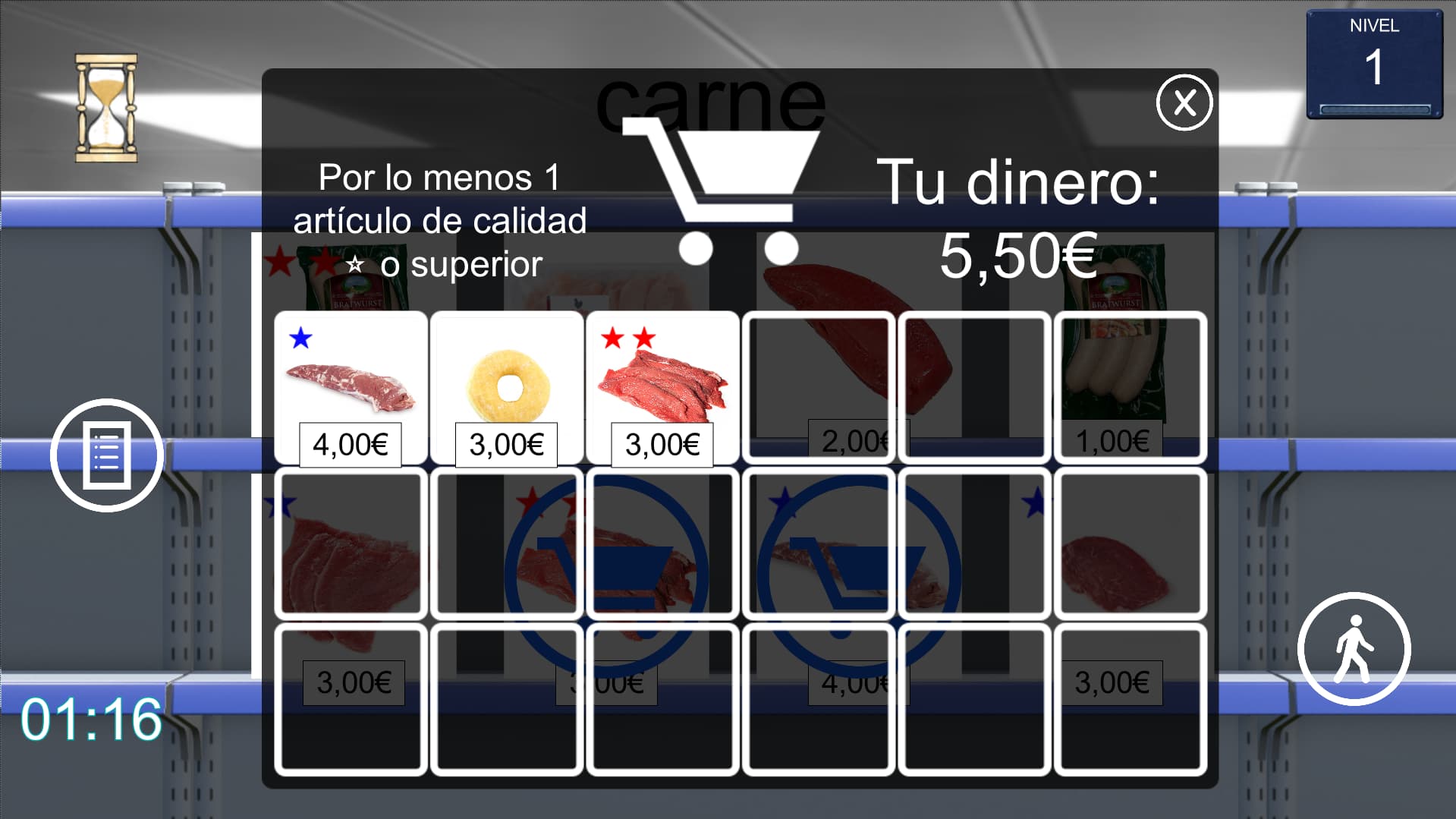
What do the AVD cognitive exercises focus on?
The exercises are designed to train different cognitive functions simultaneously in real-life situations. The difficulty can be adjusted in real time depending on the patient’s performance.
Examples of cognitive exercises based on activities of daily living
Simulated everyday situations that can be configured with different levels of cognitive complexity and adapted to the patient’s performance.
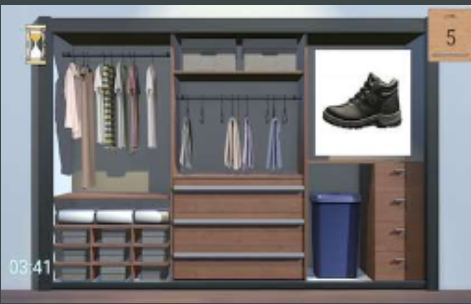
Wardrobe
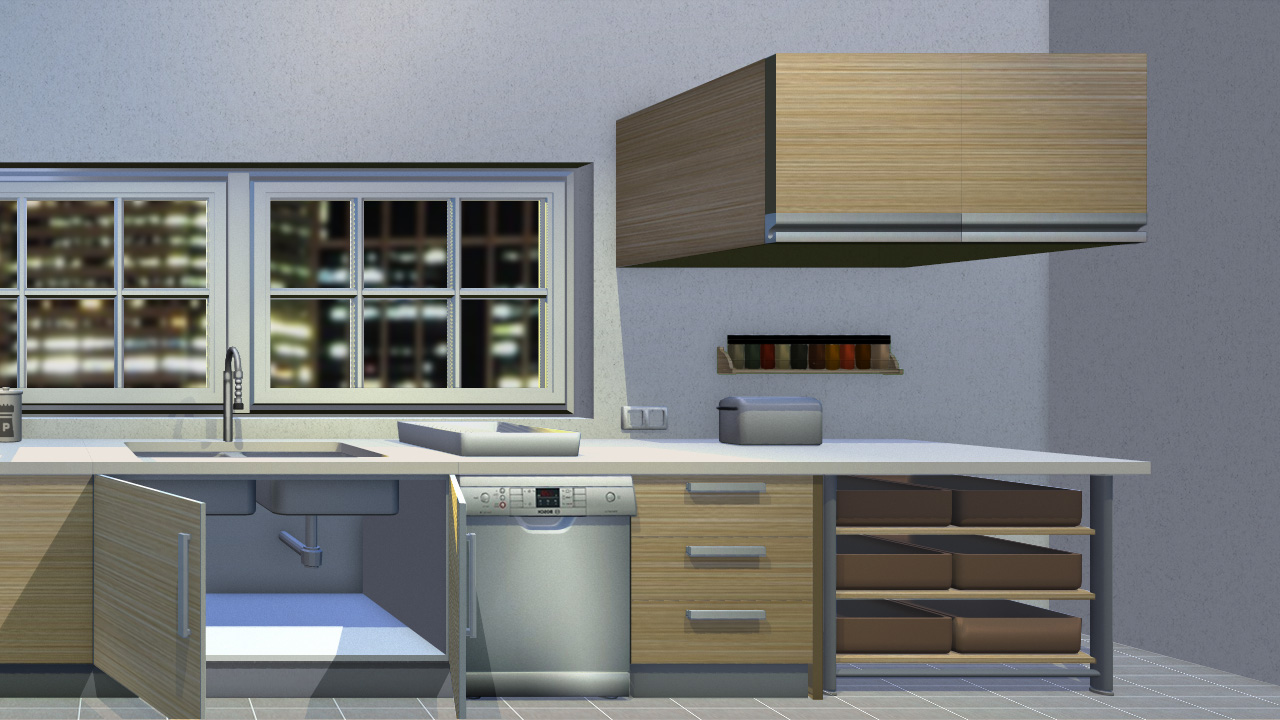
Kitchen
Supermarket
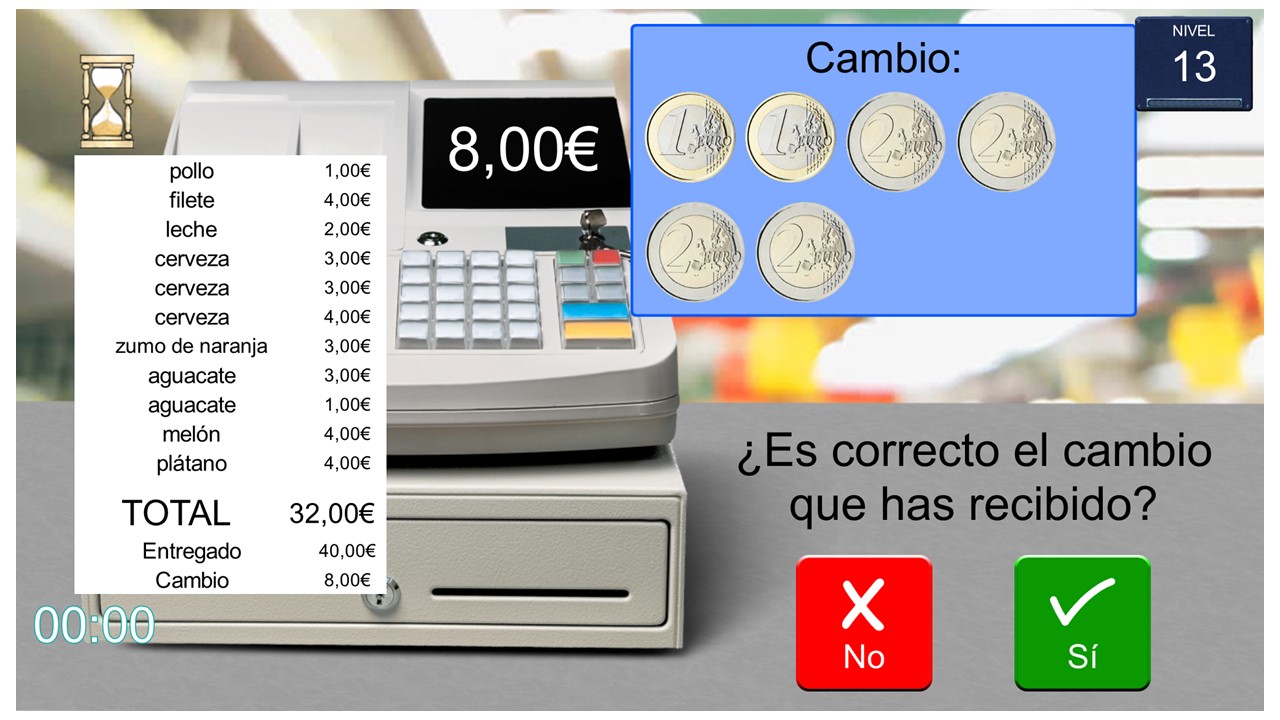
Money management
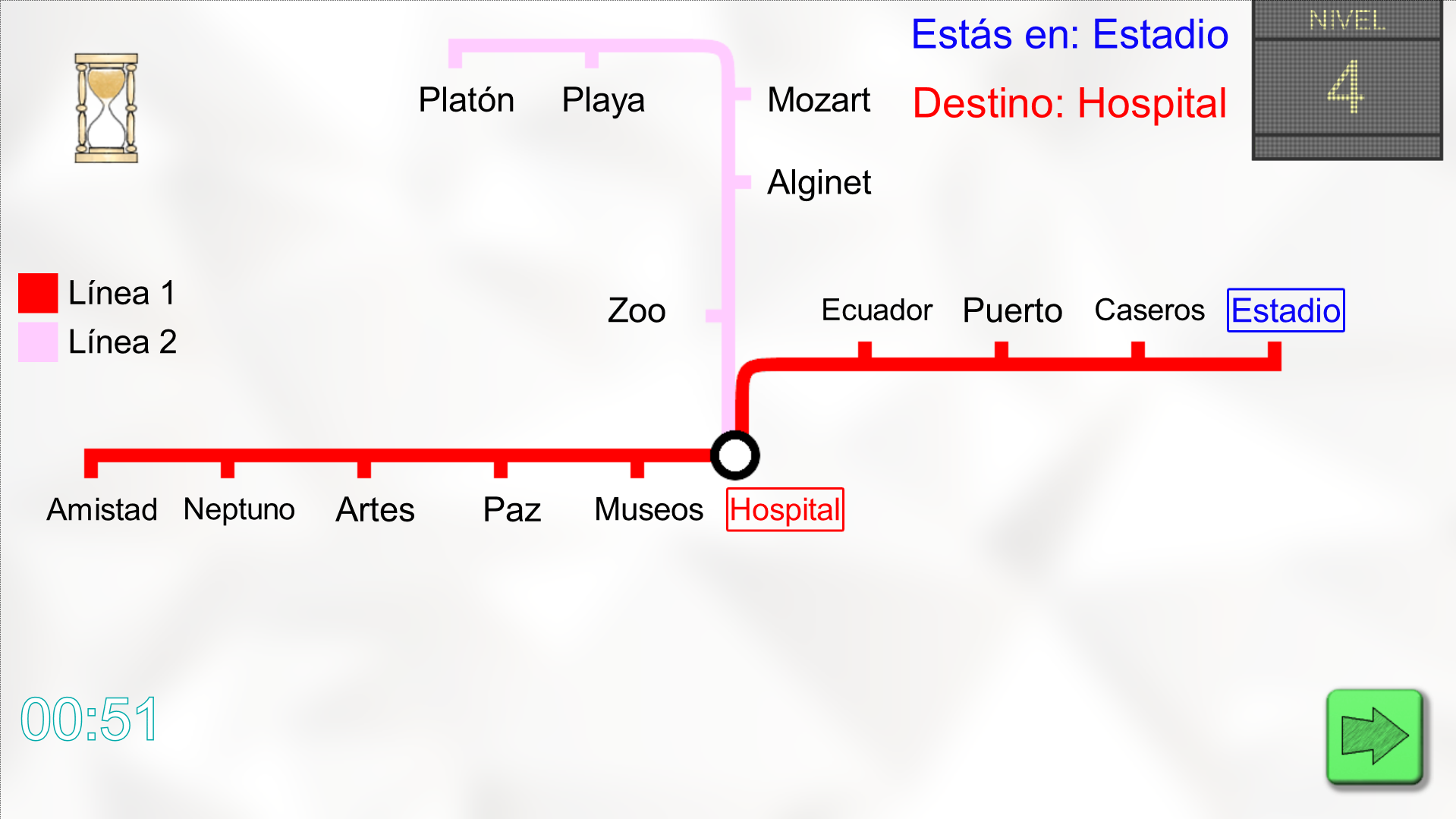
Public transport
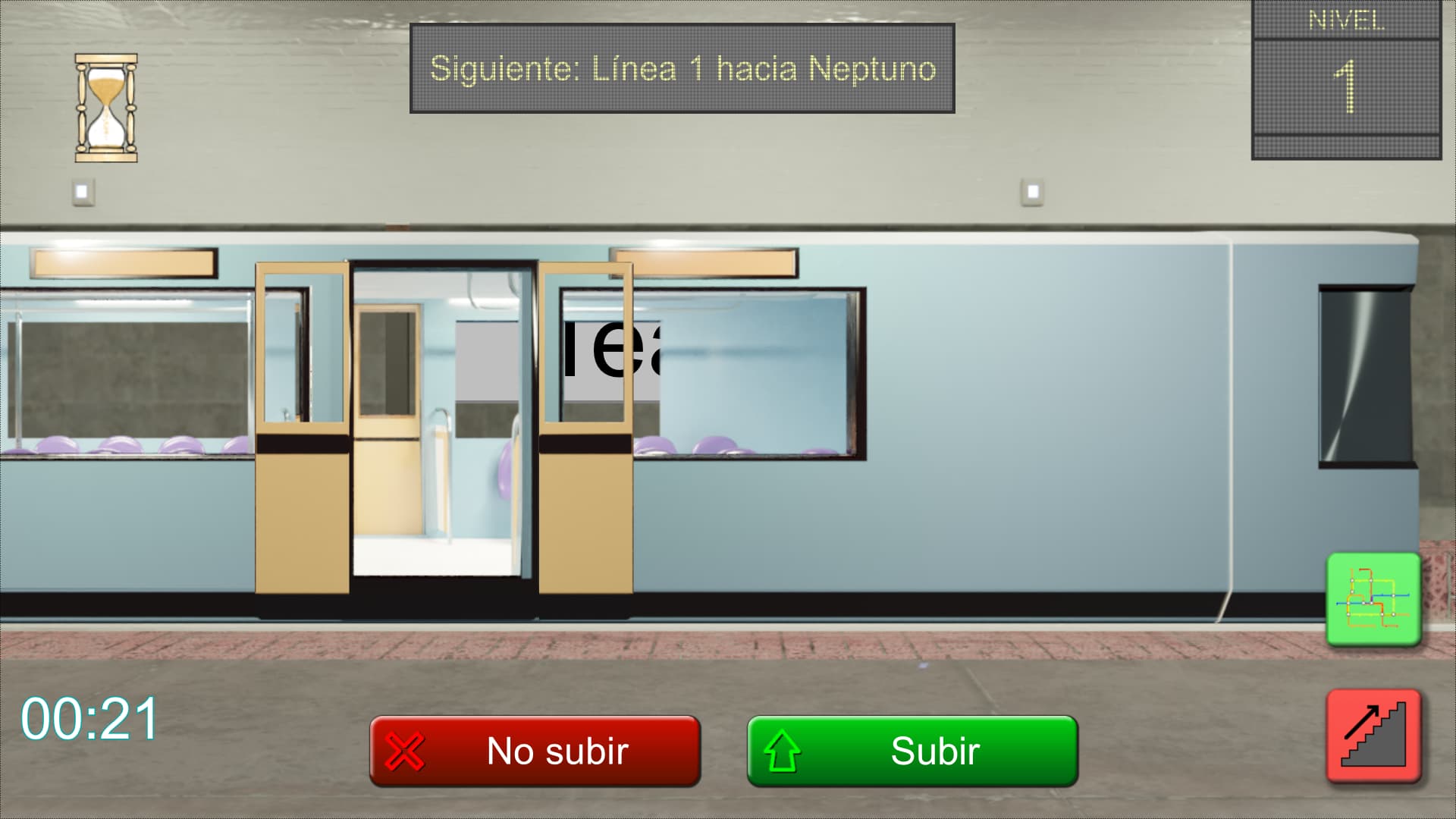
Public transport
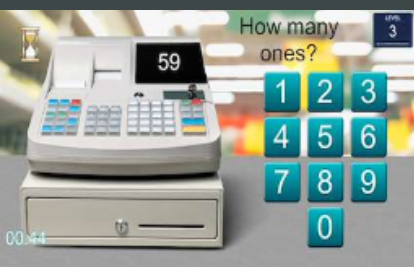
Number sense
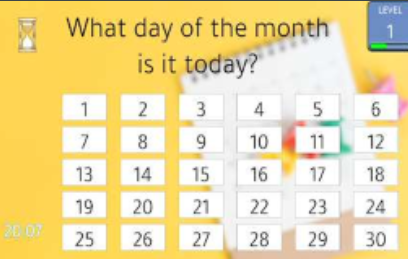
Time frame
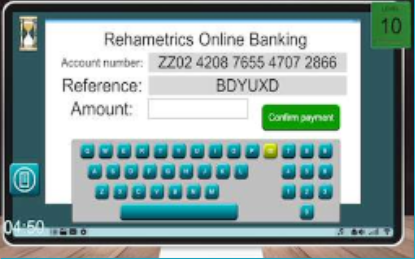
Pay bills
+9
more exercises
Objective monitoring of functional cognitive rehabilitation
Rehametrics automatically records correct answers, errors, response times and the level of difficulty achieved in each session, and breaks down performance according to the exact conditions of each task, the type and number of distractors, and the relationship between stimuli, to show in which specific situations the patient’s performance improves or deteriorates. Furthermore, it tracks the patient’s progress session by session and also within each exercise, reflecting how the system automatically adjusts the difficulty in real time based on their performance.
This enables the therapeutic team to monitor the patient’s progress objectively, identify the types of functional situations in which the greatest difficulties arise, adjust the treatment plan accordingly, and generate exportable and printable reports.
Successes
Errors
Response time
Level of difficulty
Context and type of stimuli in each response
Benefits of cognitive exercises focused on activities of daily living
A tool designed to maximise real-world application, improve treatment adherence and provide accurate, context-specific clinical monitoring.
Maximum transfer to real life
The main benefit of this type of exercise is that it focuses directly on simulated everyday situations, which helps ensure that the cognitive improvements achieved in therapy are transferred more directly to the patient’s real life.
Greater motivation and adherence to treatment
Working with tasks that are recognisable and meaningful to the patient increases their engagement during sessions. The automatic adjustment of the level of difficulty and immediate feedback ensure an optimal level of challenge throughout the entire course of treatment.
Objective and context-specific monitoring
The sessions are recorded using both quantitative and qualitative data. The practitioner has access to detailed information on the types of errors made, response times and the patient’s progress from session to session.
Discover our software solution for cognitive rehabilitation
Find out how Rehametrics helps with rehabilitation through personalised therapeutic exercises and digital tools for professionals.
Frequently Asked Questions
They are cognitive stimulation exercises that simulate real everyday situations — going to the supermarket, organising a wardrobe, managing a purchase — with the aim of training multiple cognitive functions in a functional and meaningful context for the patient. Their purpose is to improve autonomy and independence in daily life.
Primarily people with acquired brain injury, cognitive decline, Alzheimer's disease or other forms of dementia, and any neurological condition that has reduced the patient's capacity to carry out daily activities independently. It can also be used as a preventive tool for older adults.
Each activity simultaneously engages multiple functions: attention, working memory, planning, categorisation, decision-making, and spatial orientation, among others. The combination varies according to the task and the difficulty level selected.
Difficulty adjusts automatically based on performance observed during the session. Clinicians can also configure the starting level and other personalisation variables to adapt tasks to each patient's cognitive and functional profile.
Rehametrics automatically records the number of correct responses, errors, and response time at each difficulty level. Results are contextualised by indicating which types of situation generated difficulties, allowing the clinician to evaluate the patient's functional progress objectively.
This depends on the configuration. Rehametrics can be used in clinic under direct professional supervision, or in remote mode with follow-up from the therapy team.
Many difficulties in daily life are not motor in origin, but cognitive: the patient cannot remember the steps of a task, cannot plan an activity, or loses focus before completing it. Addressing these limitations in a functional, ecologically valid context is the most direct route to improving the patient's real-world autonomy.
This varies depending on the patient, the underlying condition, and the intensity of treatment. Consistency of sessions and appropriate difficulty progression are the most determining factors for cognitive improvements to generalise into daily life.
No. The system is designed so that any clinical professional can configure sessions and access tracking data intuitively, without the need for specialist technical training.