
Mixed reality in rehabilitation: what it is and how it is used
Mixed reality combines the physical environment with digital elements during rehabilitation, facilitating more immersive and personalised therapies that are tailored to different care settings.
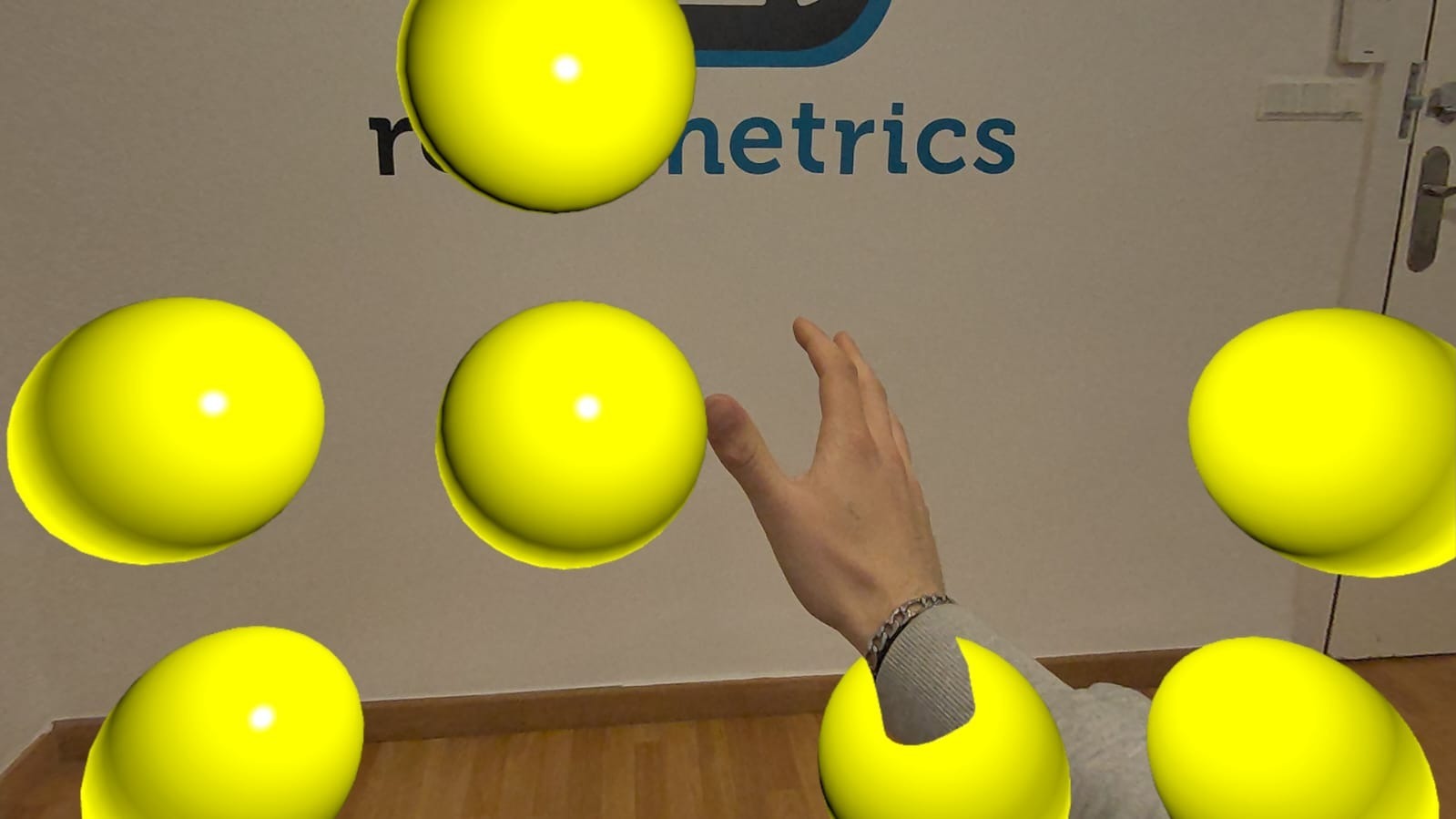
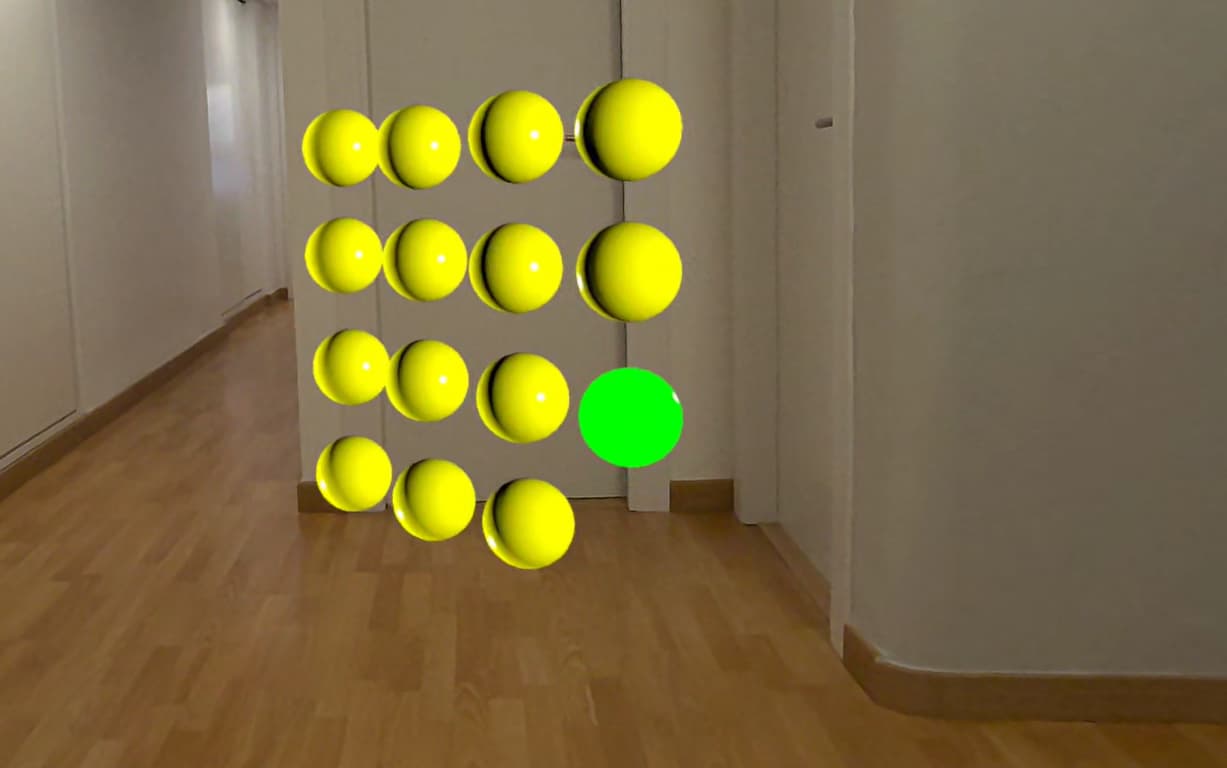
- Emerging applications in physical and neurological rehabilitation
- Compatible with devices such as the Meta Quest 3 and 3S
- Integration of physical interaction and digital content
- Increasing use in hospitals and rehabilitation centres
What is mixed reality as applied to rehabilitation?
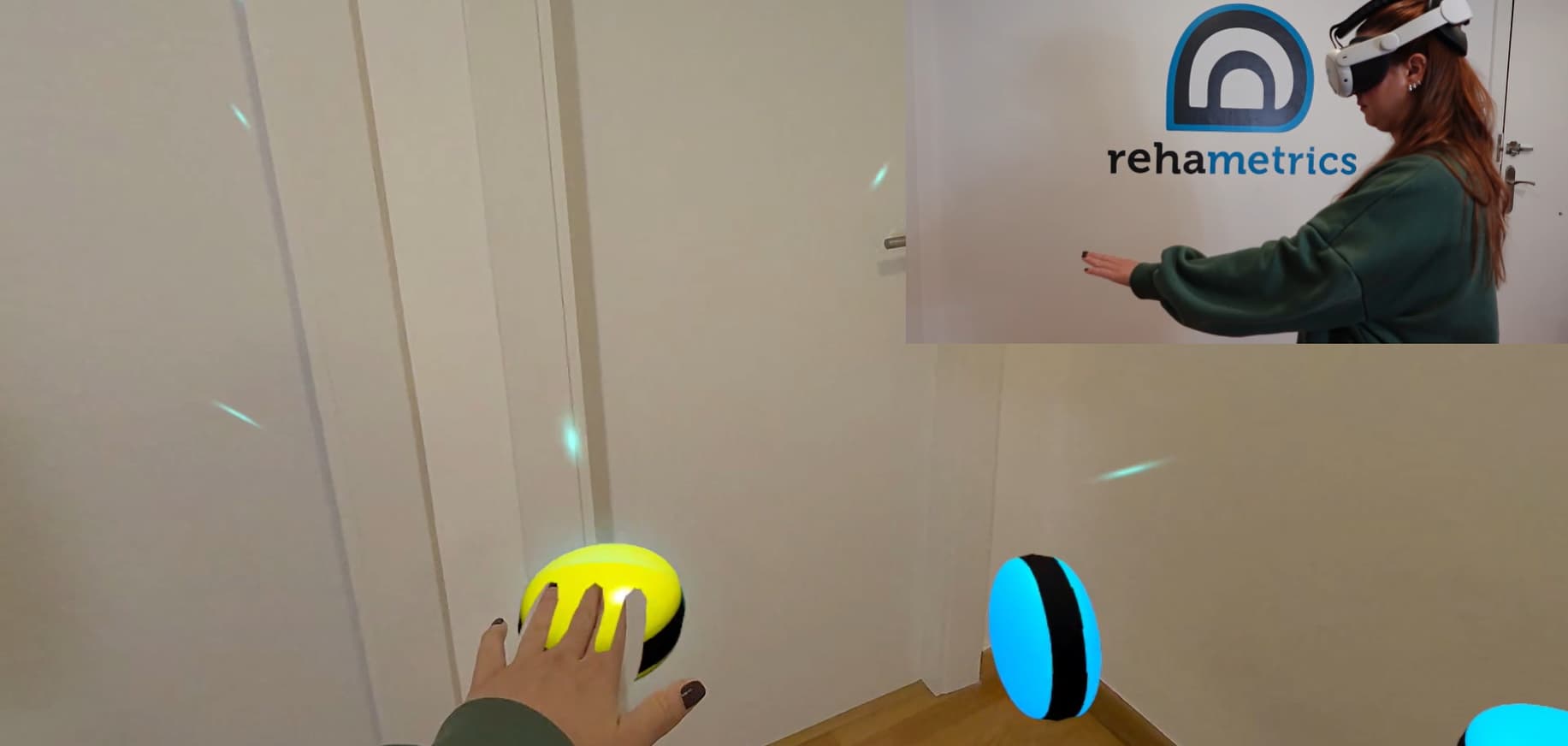
Mixed reality (Mixed Reality or MR) is a technology that combines interactive virtual elements with the perception of the real physical environment. Unlike immersive virtual reality, where the user is completely isolated within a digital environment, mixed reality allows the user to maintain visual contact with the physical space and with the people present during the therapy session.
Mixed reality is becoming particularly important in areas such as gait training, balance training, occupational therapy, functional rehabilitation and cognitive-motor programmes.
Differences between mixed reality, virtual reality and augmented rehabilitation
Although they share similar technologies, there are significant differences between these approaches.
| Technology | Features | Common clinical use |
|---|---|---|
| Mixed reality | Visible physical environment + interactive virtual objects | Gait, balance, occupational therapy |
| Immersive virtual reality | Completely virtual environment using VR headsets | Neurorehabilitation, pain, motor training |
| Augmented rehabilitation | Digital feedback on exercises in a real environment | Physical therapy, mobility, upper limb |
Mixed reality occupies a middle ground between full immersion and conventional digital therapies.
This may offer clinical benefits for patients who require constant visual reference to their surroundings, need functional physical interaction, or have a low tolerance for full immersion.
How mixed-reality rehabilitation works
Mixed reality systems use headsets with passthrough cameras and spatial tracking capabilities to superimpose digital content onto the physical environment.
🥽
Mixed reality headsets
💻
Clinical software
- Interactive therapeutic exercises
- Motion tracking
- Clinical metrics
- Professional dashboards
- Customisation according to condition and therapeutic goals
Integration in hospitals and rehabilitation centres
Clinical integration depends not only on the degree of immersion, but also on how the system is designed and how it fits into the centre’s workflow.
Non-immersive virtual reality systems can be easily integrated into conventional sessions, particularly when the aim is to combine visual feedback, therapeutic supervision and motor or functional exercises within the usual clinical setting.
The decision should therefore not be framed as a choice between simplicity and complexity, but rather as a therapeutic choice: what kind of experience does the patient need, and which format is best suited to the treatment objective?
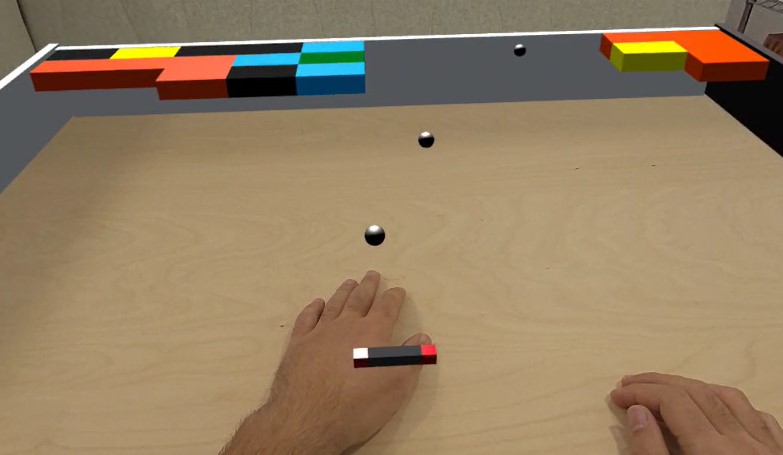
Benefits of mixed reality in rehabilitation
Greater functional safety
The patient retains a visual perception of their physical surroundings, which is particularly useful in walking and balance exercises.
Integration of functional tasks
It enables pupils to practise movements and activities in contexts that are closer to real-life situations.
High level of therapeutic interaction
Interactive virtual objects increase engagement and feedback during the session.
Gradual adaptation
A hybrid approach may prove more tolerable than complete immersion in certain clinical profiles.
Potential for home-based rehabilitation
Standalone monitors facilitate continuity of care outside the healthcare centre.
Clinical applications
🚶
Coordination and balance
One of the areas with the greatest potential for clinical application, particularly in neurorehabilitation and geriatrics.
🧩
Occupational therapy
Integration of functional tasks and contextualised activities within the actual physical space.
🧠
Stroke and acquired brain damage
Combined motor and cognitive training in interactive environments.
🧬
Parkinson’s and neurological disorders
Applications in functional mobility, coordination and dual-tasking.
🦴
Musculoskeletal rehabilitation
Use in functional exercises and movement control.
🧒
Paediatrics and neurodevelopment
Interactive elements can improve adherence to treatment and patient engagement.
From consumer technology to clinical use
Currently, recreational applications, technological demos, and platforms designed specifically for clinical rehabilitation coexist in the market.
Recreational applications and technological demos
Designed for entertainment or hardware exploration, without clinical goals or therapeutic metrics.
Platforms designed specifically for clinical rehabilitation
With clinical criteria, therapeutic customization, and objective metrics, such as Rehametrics.
Solutions like Rehametrics allow for adapting this technology into structured and supervised therapeutic programs.
Use cases
SEE MORE
Types of virtual reality in rehabilitation: immersive versus non-immersive
Read the article →
How to integrate digital therapy into hospitals and rehabilitation centres
Read the article →
Virtual rehabilitation in neurorehabilitation
Read the article →
Digital group activities in geriatric physical rehabilitation: clinical applications in care homes and day centres
Read the article →
Explore how to apply mixed reality in clinical rehabilitation
Find out how platforms such as Rehametrics enable the integration of physical and virtual environments into neurorehabilitation, physiotherapy and telerehabilitation programmes.
Frequently Asked Questions
Mixed reality keeps the patient within the real physical environment while incorporating interactive virtual objects. Immersive virtual reality uses headsets that generate a completely virtual environment, isolating the user from the physical space.
It allows for maintaining visual reference of the environment, working on contextualized functional tasks, and increasing therapeutic interaction with good clinical tolerance.
Mainly standalone headsets with passthrough cameras and spatial tracking, such as Meta Quest 3 and 3S.
Yes. Standalone headsets allow for therapeutic continuity outside the healthcare center, within supervised programs.
No. It acts as a complementary tool within the rehabilitation process, not as a substitute for conventional therapy.
Stroke, Parkinson's disease and other neurological disorders, musculoskeletal conditions, balance disorders, and neurodevelopmental programs in pediatrics.