
More practice, more data, better language acquisition.
Rehametrics offers more than 40 digital exercises specialising in speech and language rehabilitation: comprehension, expression, phonological awareness and reading speed. Designed for clinical use, with automatic tracking from session to session.
Three questions you've probably already asked yourself.
How do you ensure your patients accumulate the necessary volume of language practice when session time is limited?
How do you maintain the motivation of a patient with aphasia or dyslexia when recovery extends over months?
How do you document language progress in an objective and comparable way between sessions?
Rehametrics answers all three: a platform designed for technology to generate practice, record progress, and keep the patient active between sessions.
Request a free demo ›Tools for every stage of speech and language therapy
As a speech and language therapist, you can combine the modules according to each patient’s profile and stage of recovery. The Cognitive Module is the natural starting point for speech and language rehabilitation, but all three modules are CE-marked as medical devices and were designed by clinicians for clinical use.
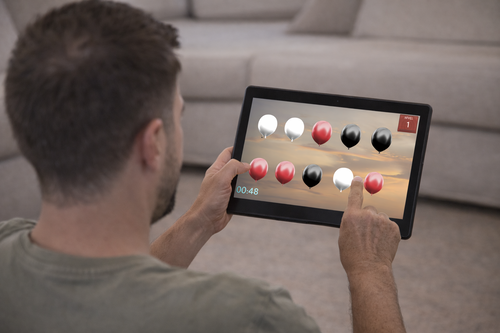
Cognitive Module
Core module for speech and language therapists
Over 40 specific exercises for speech and language rehabilitation: reading comprehension of sentences and texts, phonological awareness, lexical access and retrieval, letter and syllable recognition, reading speed and verbal memory.
The system automatically adjusts the difficulty level according to the patient’s performance and records correct answers, errors and response times at each level, without any manual intervention from the speech and language therapist. Compatible with computers, tablets and touchscreens.
Aphasia (Broca’s · Wernicke’s · global · anomic)
Adult dyslexia
Specific Language Impairment (SLI)
Acquired brain injury
Stroke with communicative impairment
Parkinson’s disease
Neurodegenerative diseases
Adult ADHD
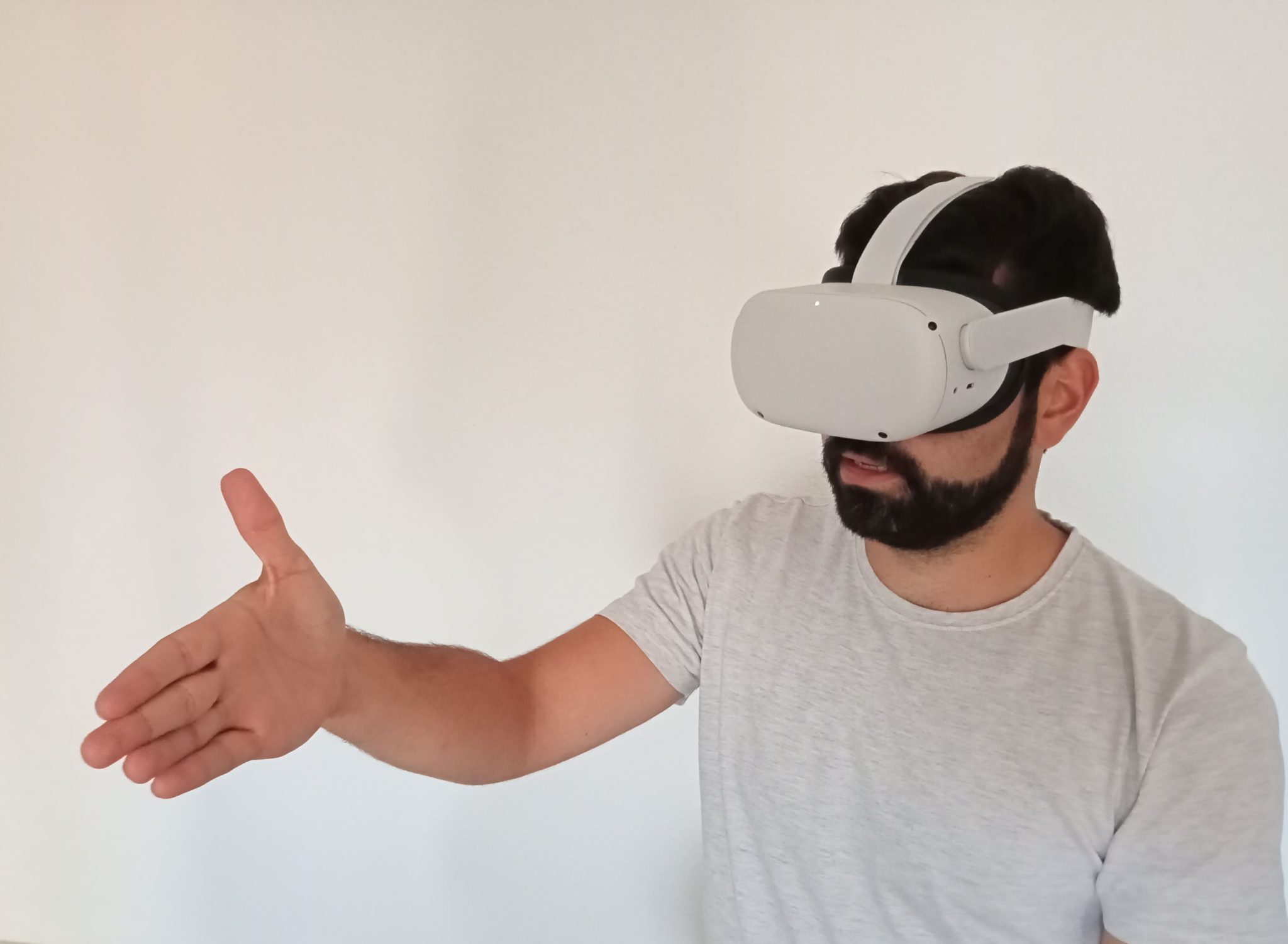
VR Module
Supplementary module
With the Meta Quest headset, your patients work in immersive virtual environments that stimulate attention, processing speed and executive functions, particularly useful for neurological patients where language impairment coexists with cognitive deficits.
The speech and language therapist can see what the patient is doing in real time and can adjust the session from their computer without interrupting it.
Acquired brain injury
Stroke with cognitive-communicative impairment
Parkinson’s disease
Multiple sclerosis
Patients with low tolerance for traditional sessions
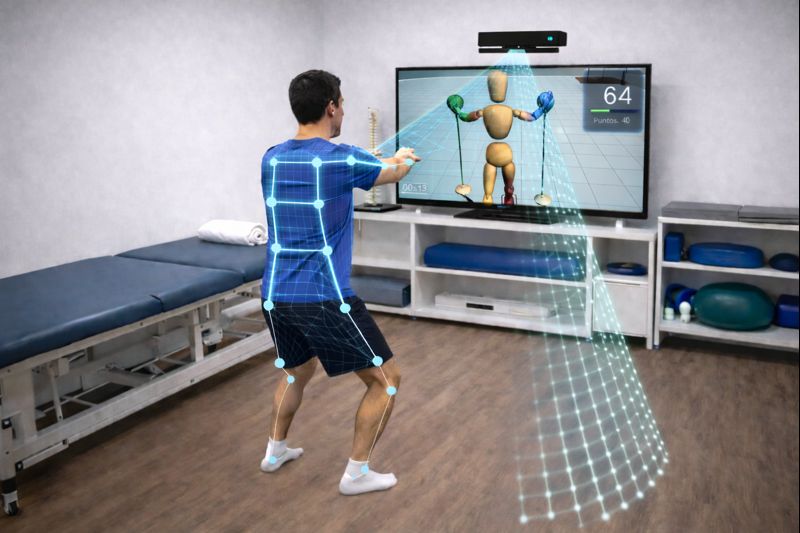
Physio Module
Supplementary module
+120 interactive motor rehabilitation exercises for patients with a combination of communication difficulties and physical sequelae, such as post-stroke patients with hemiplegia and aphasia, where physical rehabilitation and speech and language therapy proceed in parallel.
The system automatically records the kinematic parameters for each session.
Stroke with physical and communicative impairment
Spinal cord injury with cognitive sequelae
Complex neurological conditions
Active aging
In 5 steps, from the session to the report
A workflow designed to ensure that clinical time is spent on the patient, not on record-keeping.
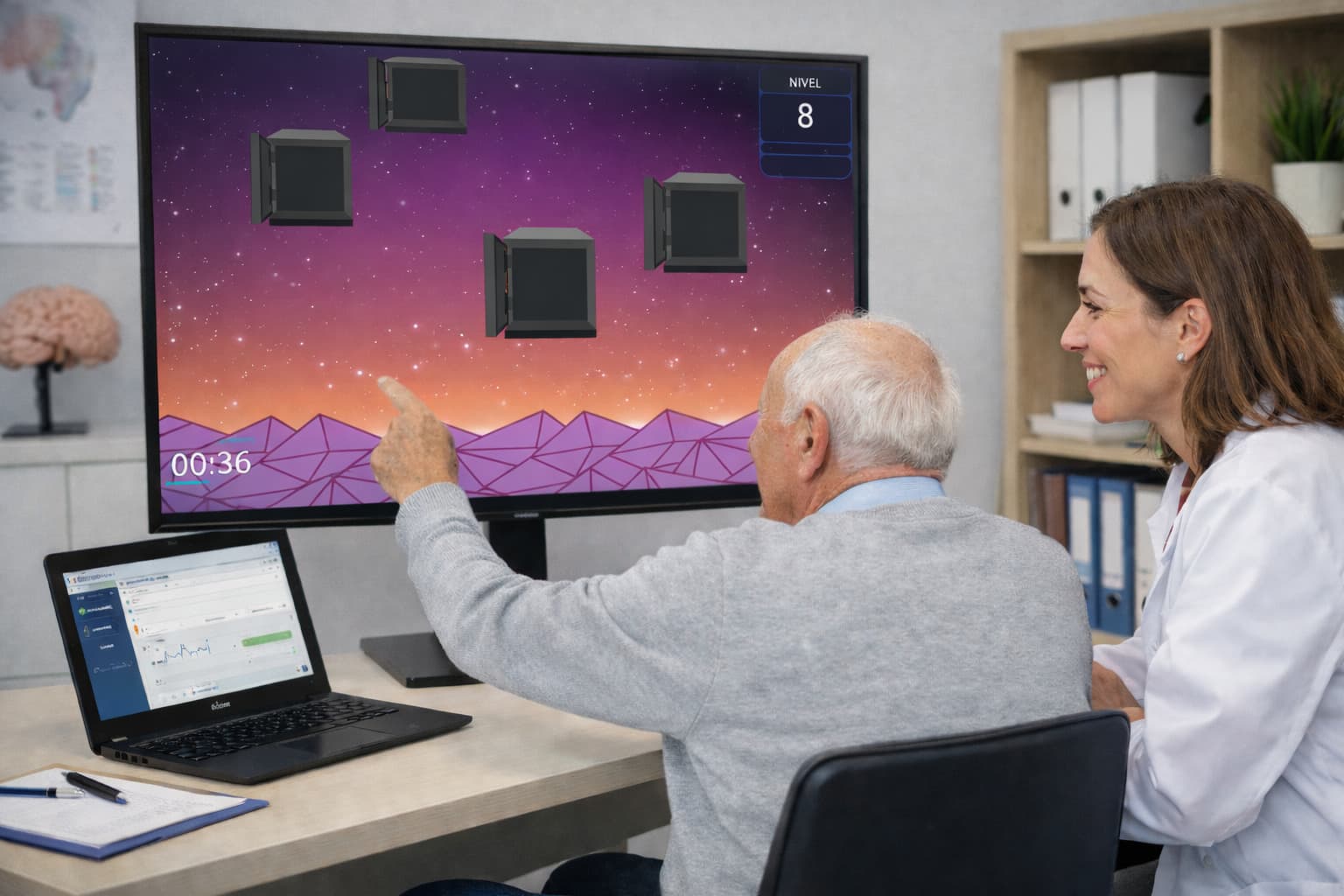
You assess the patient and set linguistic and communicative goals
You set the exercises and the initial difficulty level
The patient carries out the session guided by the system, with immediate on-screen feedback and automatic adjustment of the difficulty level
Rehametrics automatically records correct answers, incorrect answers, response times and the level achieved
You can generate the clinical report with a single click, ready to print or export as a PDF
Results that matter
A system designed with two perspectives in mind: the patient’s experience and the healthcare professional’s efficiency.
For the patient
- Greater adherence thanks to motivation
- Immediate feedback
- Faster and more noticeable functional improvement
- Option to continue the programme from home
For professionals
- Objective data for each session, with no manual recording required
- Ongoing monitoring
- Automatic and exportable reports for medical records
- Precise adjustment of difficulty and exercise settings
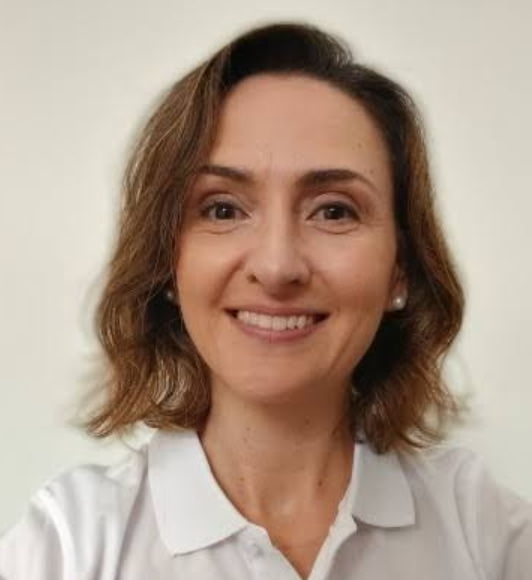
"What I particularly value about speech and language rehabilitation is that the system picks up exactly where the patient left off in the previous session. There’s no need to recalibrate the level or search for the right exercise; the tool manages this automatically, and the challenge is always tailored to be stimulating, not frustrating. Added to this are the customisation options for adapting each activity to the patient’s specific profile."
Gloria Pomares
Specialist in new technologies
Results observed in real-world clinical settings
Centres that have incorporated Rehametrics into their daily practice report measurable improvements in the quantity and quality of therapeutic activity and in patient engagement during sessions.
More rehabilitation sessions
Increase in therapeutic activity per session compared with conventional rehabilitation.
Greater involvement in therapy
Patients who report greater motivation and active participation during the exercises.
Specific language exercises
Comprehension, expression, phonological awareness, reading speed and verbal memory, with automatic difficulty adjustment.
Data collected from clinical centres that use Rehametrics in their day-to-day practice.
For which patients can you use Rehametrics?
Rehametrics includes speech and language exercises tailored to a range of profiles and aetiologies. The speech and language therapist decides which exercises to include in each intervention protocol, in what order, and at what level of difficulty.
Post-stroke aphasia
Expression, comprehension, vocabulary acquisition, phonological awareness
Dyslexia in adults
Reading speed, letter recognition, phonological awareness
Specific Language Impairment (SLI)
Comprehension and production in adults with a late diagnosis
Acquired brain injury
TBI, brain tumour, acquired communication impairment
Neurodegenerative diseases
Parkinson’s disease, cognitive decline, early-stage Alzheimer’s
ADHD in adults
Reading difficulties and verbal processing difficulties
Would you like to see it in action with your patients?
Request a personalised demo and we’ll show you how Rehametrics can be tailored to your speech and language therapy practice and your patients’ profiles.
Frequently Asked Questions
Yes. Rehametrics includes over 40 exercises specifically designed for language rehabilitation: reading comprehension, phonological awareness, lexical access and recall, letter and syllable recognition, reading speed, and verbal memory. They are part of the Cognitive Module, which is CE-marked as a medical device.
Rehametrics is especially useful for patients with aphasia (Broca's, Wernicke's, global, anomic), adult dyslexia, specific language impairment (SLI), acquired brain injury with communicative impairment, Parkinson's disease, and neurodegenerative diseases with language impairment.
Yes. The Cognitive Module is fully compatible with tablets and touchscreens, facilitating its use during bedside sessions, at home, or with patients with reduced mobility.
Automatically. During each session, the system records the number of correct answers and errors, response time, and the level of difficulty achieved in each exercise. The speech therapist can consult this data at any time and generate exportable PDF reports.
Yes. Rehametrics adjusts the difficulty in real-time based on the patient's performance. If the patient answers consistently correctly, the system raises the level; if they struggle, it maintains or reduces it. The next session begins exactly where the previous one ended.
Yes. All three Rehametrics modules (Physical, Cognitive, and VR) are CE-marked as medical devices and are designed for professional clinical use.