
Exercises to improve joint range of motion
At Rehametrics, physiotherapists and other rehabilitation professionals have access to more than 40 specialised exercises designed to restore joint range of motion in the upper and lower limbs, featuring specific joint metrics, multiple levels of difficulty and customisation options to tailor each session to each patient’s clinical goals.

Functional recovery of joint mobility
Improved range of motion has a direct impact on the patient’s ability to carry out their daily activities independently. Reaching for objects above one’s head, bending the knee to climb a step or raising an arm to get dressed are all movements that depend on the joints regaining their functional range of motion. Rehametrics exercises work towards this goal in a progressive and controlled manner.
Automated personalisation through clinical gamification provides the patient with constant encouragement within safe limits set by the occupational therapist or physiotherapist.
- Over 40 specialised clinical exercises covering the full range of motion.
- Active monitoring of asymmetries and areas of anatomical deficiency.
- Complete flexibility to arrange training sessions at the clinic or at home.
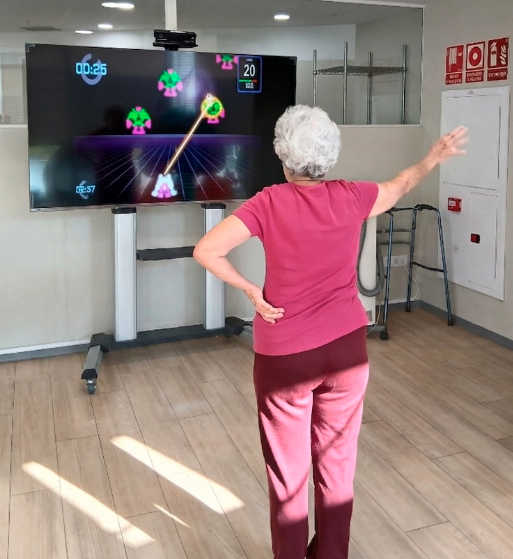
What do joint range of motion exercises focus on?
The objectives vary depending on the patient’s clinical profile and the stage of treatment, enabling us to focus specifically on the following areas:
Examples of range-of-motion exercises
Exercises that can be adapted to suit the patient’s functional profile.
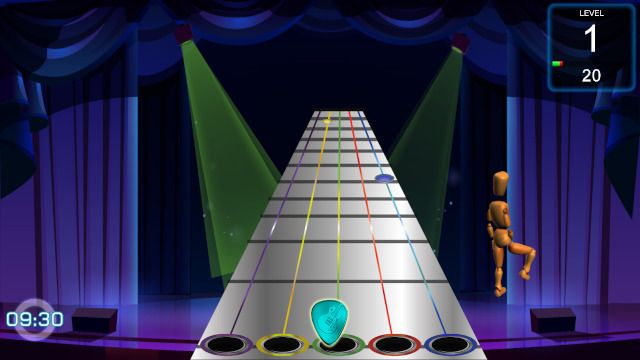
Hip
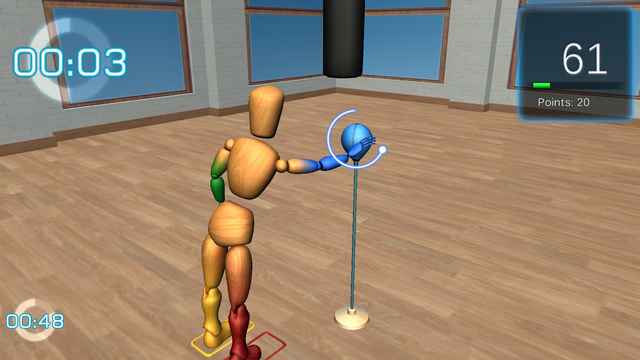
Shoulder flexion and extension
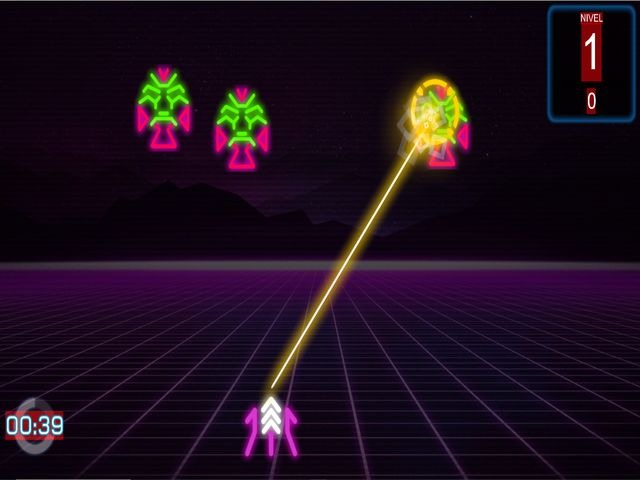
Shoulder Adduction–Abduction
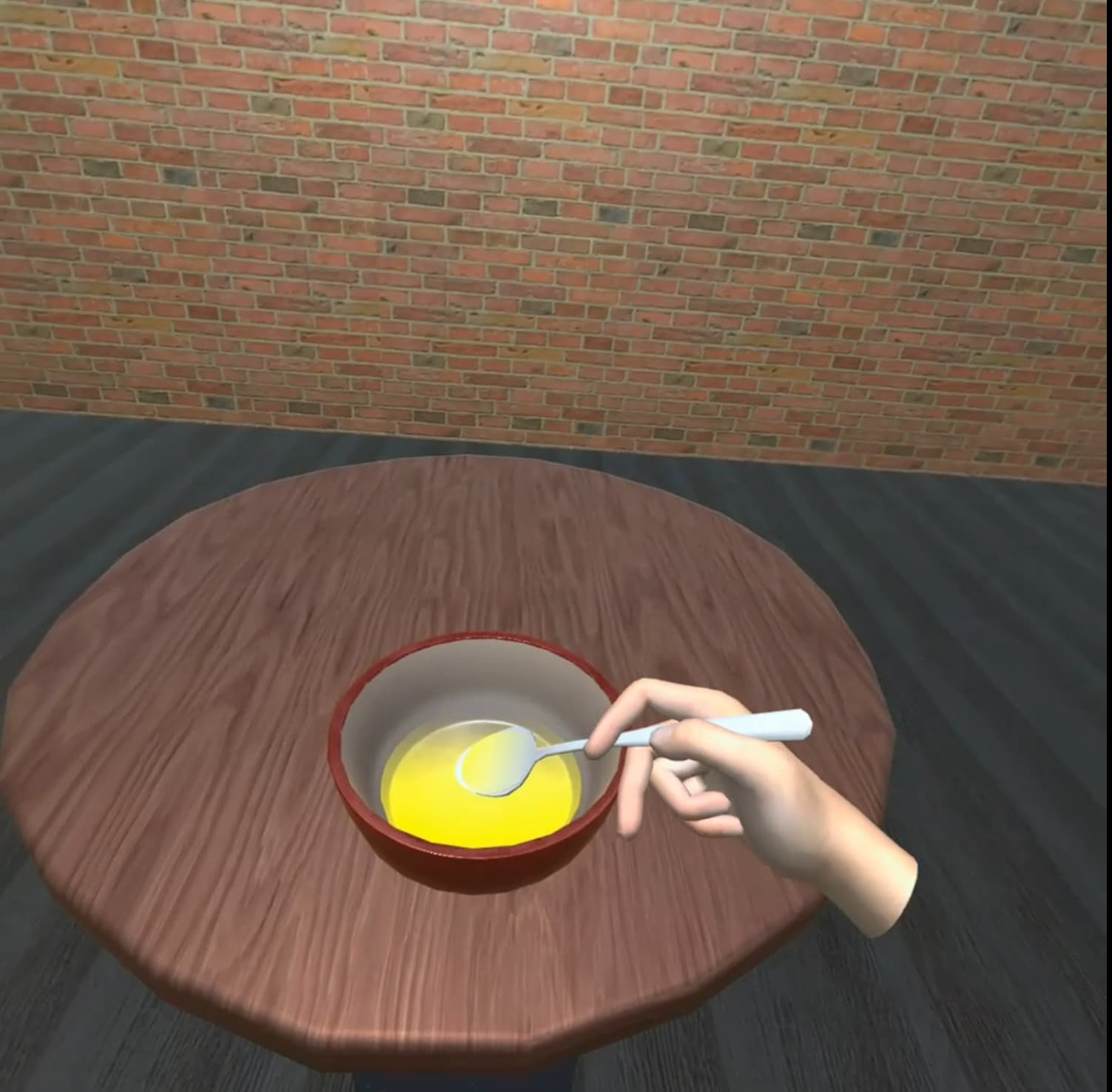
Codo
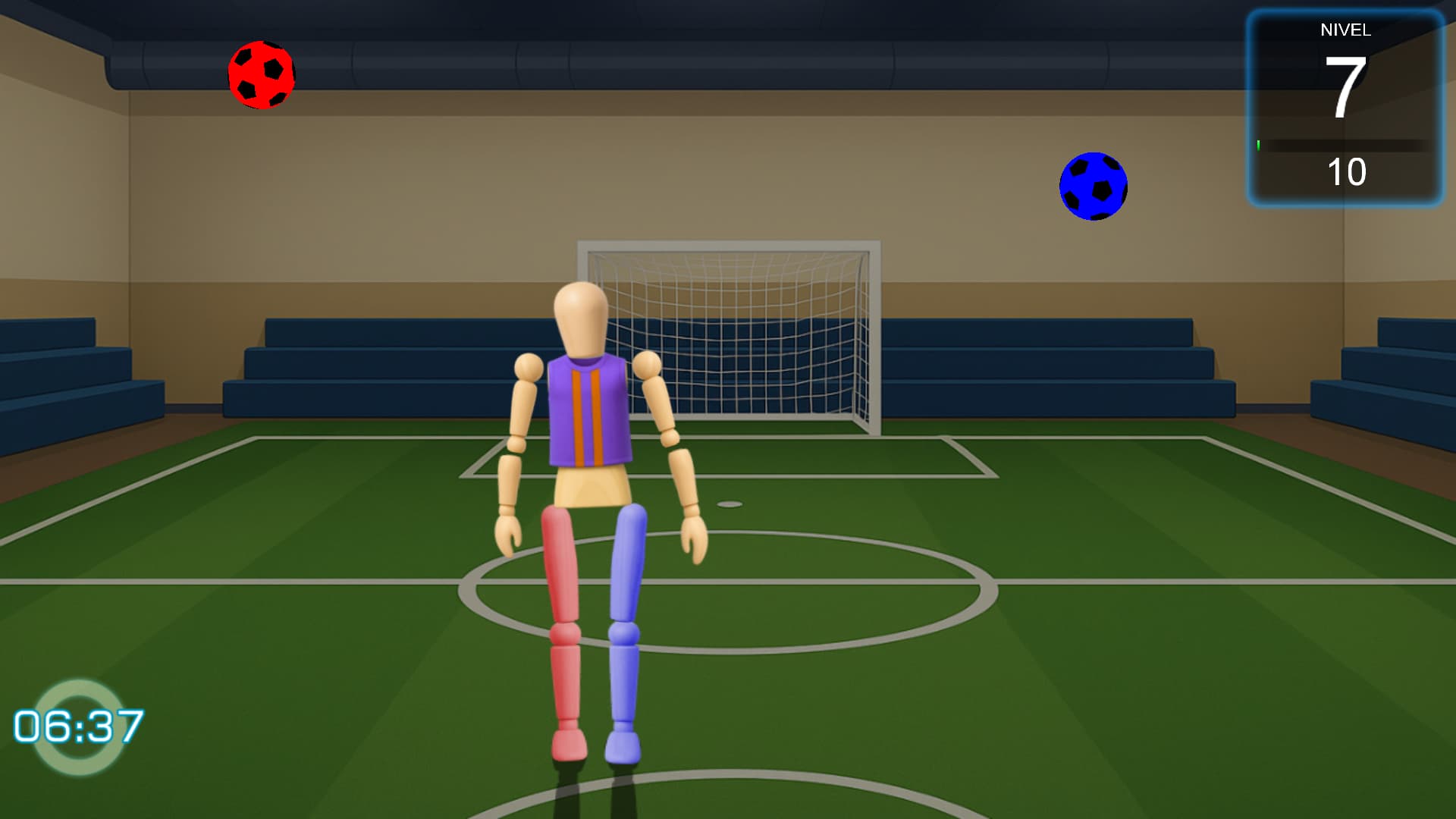
Knee
+35
exercises
Objective quantification of joint range of motion
Rehametrics enables objective measurement of range of motion (ROM) during rehabilitation sessions. The platform automatically records clinical metrics relating to range of motion, providing accurate data to assess the patient’s progress.
Using this information, professionals can identify functional limitations, detect asymmetries and adjust treatment in line with the progress recorded, thereby facilitating decision-making based on objective data.
Each session is recorded as a 3D model of the movement, which can be replayed on demand. The practitioner can manually adjust the parameters as required, and all reports can be printed and exported.
Successes
Errors
Response time
Custom difficulty setting
Range of Motion for the Elbow and Knee
Asymmetries
Shoulder and Hip (Flexion–Extension / Abduction)
Benefits of joint rehabilitation with Rehametrics
A tool designed to maximise functional recovery, improve adherence and enable accurate monitoring.
Functional recovery
Reaching for objects above your head or bending your knee to climb a step depend on regaining mobility.
Motivation and adherence
The exercises are presented in gamified environments that boost engagement and provide immediate visual feedback.
Specific metrics
Rehametrics provides objective, quantified data on range of motion, comparing progress from one session to the next.
Augmented reality solution for physiotherapy
Discover an augmented reality solution that helps improve physical rehabilitation through personalised exercises and clinical monitoring.
Frequently Asked Questions
Range of motion (ROM) is the extent of movement available in a joint. In rehabilitation it is targeted when that range has been reduced by neurological damage, injury, surgery, or a condition affecting mobility. Recovering range of motion is essential for the patient to carry out daily activities independently and without pain.
Rehametrics includes exercises specialised in rehabilitating the shoulder, elbow, hip, and knee, working across different planes of movement: flexion-extension, adduction-abduction, and rotations, among others.
Primarily people who have had a stroke or other neurological injury affecting limb mobility, patients with orthopaedic conditions or following shoulder, elbow, hip, or knee surgery, and people with rheumatic or neurodegenerative conditions that limit joint range of motion.
The software automatically records the range of motion of the shoulder and hip in flexion-extension and adduction-abduction, the range of motion of the elbow and knee, and the spatial zones in which the patient has worked more or less frequently during the exercises. This enables quantitative, objective monitoring of joint mobility progress.
Clinicians can adapt exercises by modifying the duration and difficulty of each task, as well as using the personalisation options available for each exercise. Adjustments can be made before the session or during it if the clinician deems this necessary.
Manual ROM assessment (with a goniometer or other tools) is a one-off measurement that is observer-dependent. Rehametrics records movement amplitude automatically and continuously throughout the entire session, across different planes and different spatial zones, providing a more complete and objective picture of the patient's actual mobility.
The patient's movement directly controls the on-screen activity, providing immediate visual feedback on the amplitude and quality of movement. This facilitates real-time correction, increases patient motivation, and enables greater movement variability than conventional therapy.
Yes. Rehametrics is clinically validated virtual rehabilitation software, with exercises designed by rehabilitation experts to improve joint range of motion and patient functionality.
Yes. Exercises can be performed from any location with remote professional supervision, supporting continuity of treatment outside the clinical setting.
This varies depending on the patient, the affected joint, the underlying condition, and the intensity of treatment. The regularity of sessions and appropriate progression of the range of motion worked are the most determining factors in achieving functional improvements.
No. The system is designed so that any clinical professional can configure sessions and access tracking data intuitively, without the need for specialist technical training.