
Rehabilitation exercises to regain balance
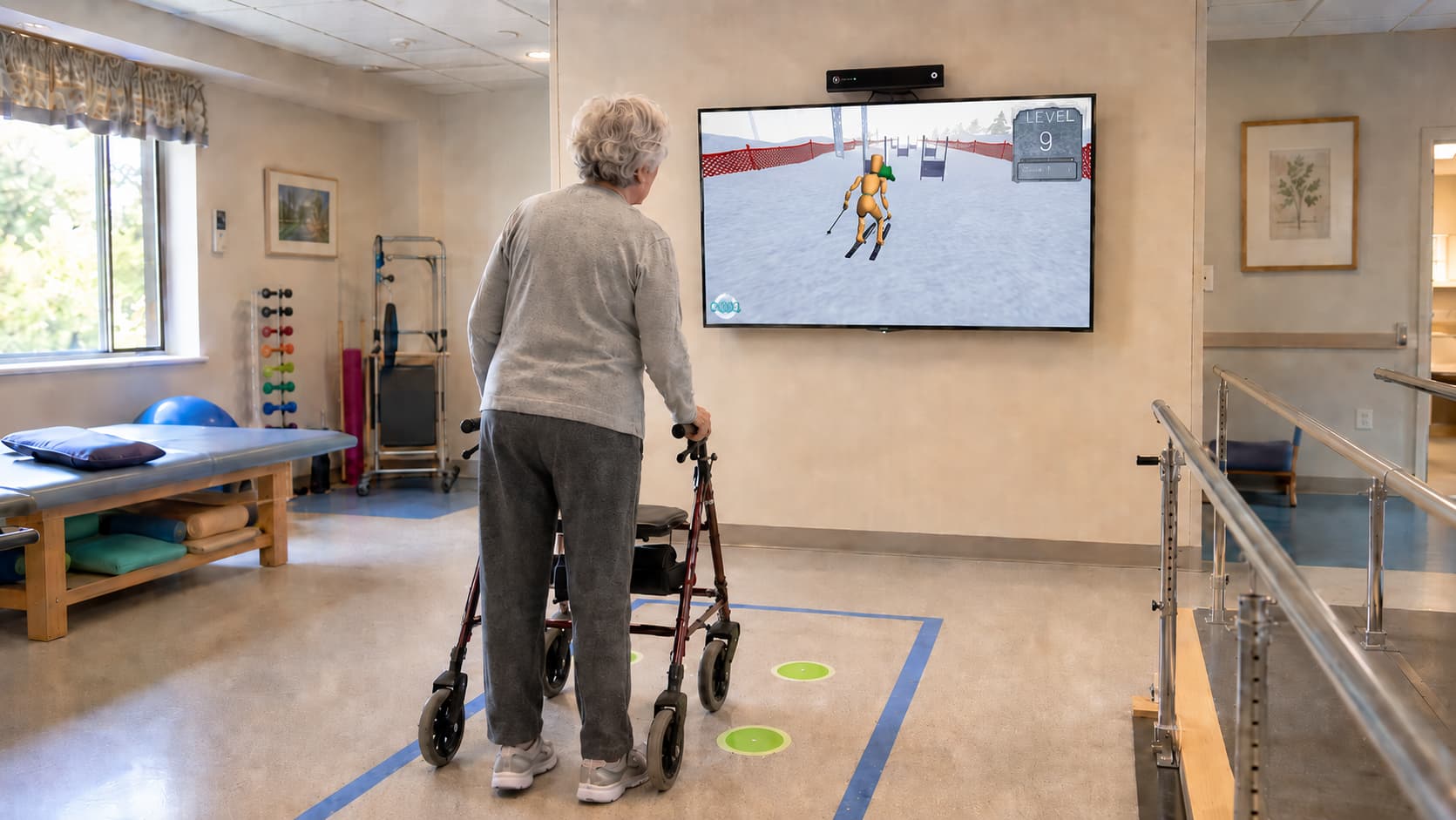
At Rehametrics, physiotherapists and other rehabilitation professionals have access to more than 60 virtual reality-based exercises, designed to restore static and dynamic balance and improve stability, with specific clinical metrics, multiple levels of difficulty and advanced customisation options.
An advanced approach to static and dynamic equilibrium
Balance rehabilitation exercises focus on the patient’s ability to maintain and regain bodily stability in different conditions and situations. The patient does not simply remain standing; they must also control shifts in their centre of gravity, react to environmental disturbances, adapt to different support surfaces and manage their stability whilst performing other tasks.
This is a crucial ability for preventing disability and maintaining physical independence, particularly following neurological conditions, trauma or as a result of the progressive ageing of the postural control system.
- More than 60 clinical exercises based on interactive virtual reality environments.
- Automatic or manual adjustment of the difficulty level in real time, depending on fatigue or performance.
- Immediate visual feedback to guide the patient in adjusting their centre of mass.
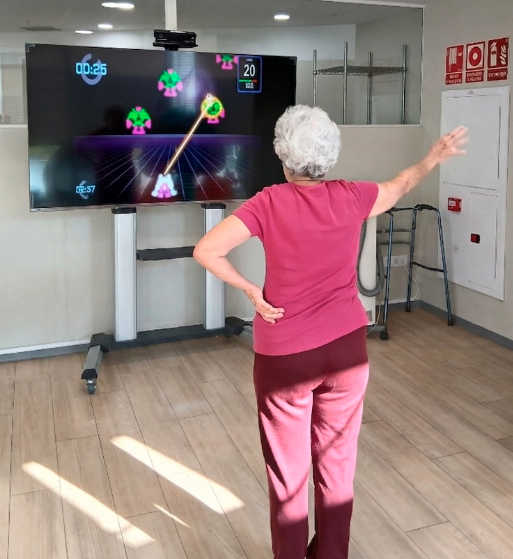
Examples of balance rehabilitation exercises
Exercises with adjustable difficulty levels and virtual environments that can be customised according to the clinical objective of each session.
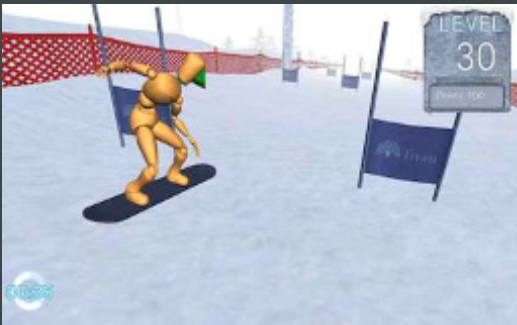
Shift in the Centre of Gravity
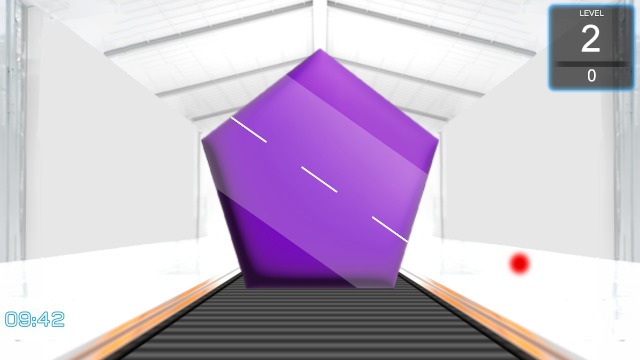
Tracking Progress
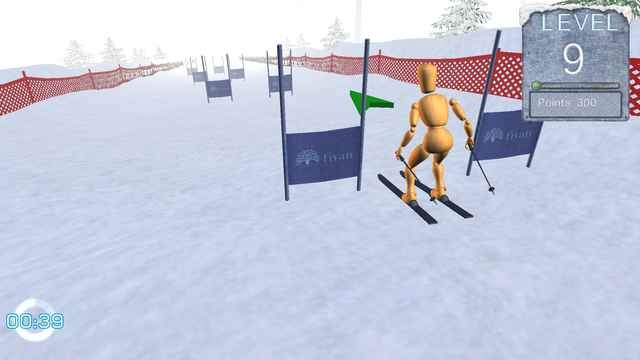
Transfer load
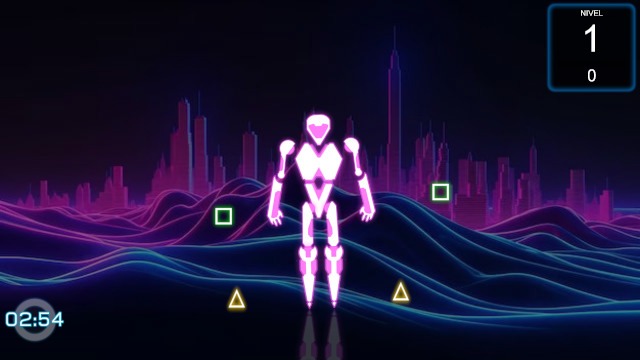
Dynamic Range Movements
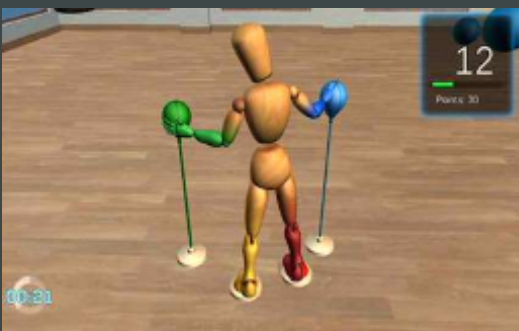
Balance and Scope
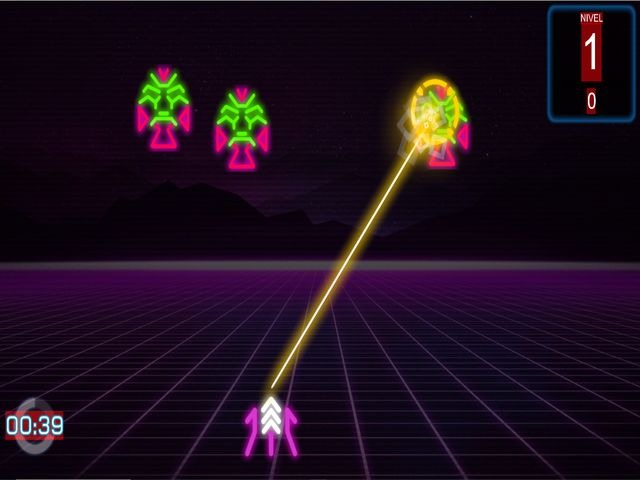
Simultaneous Dual Tasking
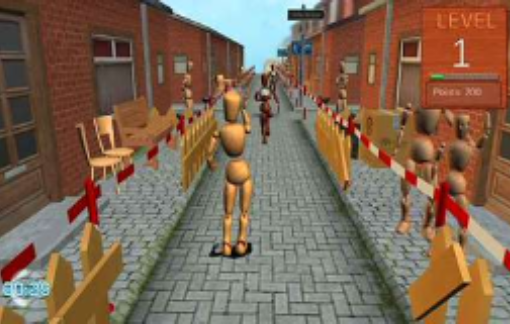
Controlled Lateral Displacements
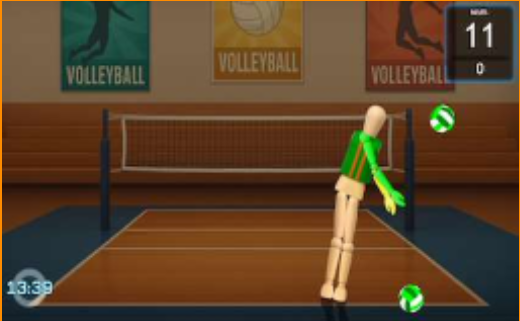
Dynamic Equilibrium
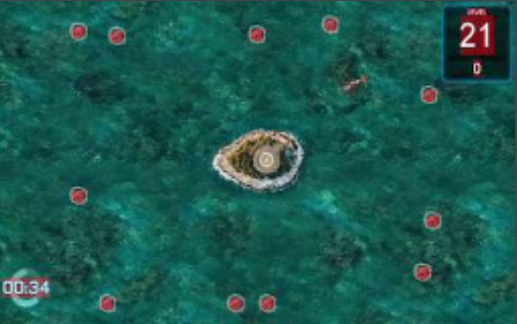
Trunk Stabilisation
+50
exercises
Objective assessment of balance rehabilitation
Rehametrics automatically records shifts in the centre of gravity, the base of support and the limits of stability during each balance exercise. As it is a full-body motion capture system, it also collects data on joint range of motion and coordination during the exercise, without any manual intervention from the clinician. The difficulty level is adjusted in real time according to the patient’s performance.
Each session is recorded as a 3D model of the movement, which can be replayed on demand. The practitioner can manually adjust the parameters as required, and all reports can be printed and exported.
Successes
Errors
Response time
Level of difficulty
Support base
Asymmetries
Centre of gravity
What do balance exercises focus on?
The objectives vary depending on the patient’s clinical profile and the stage of treatment. The difficulty level can be adjusted in real time, either automatically or manually, depending on the patient’s performance.
Benefits of balance rehabilitation exercises
Technology designed to maximise patient safety, promote neuroplasticity and provide objective measurement data.
Functional training to improve stability
Rehametrics incorporates exercises that replicate everyday situations to train balance and stability in a progressive manner. The practitioner can tailor the difficulty to each patient, promoting a safer recovery and reducing the risk of falls.
Greater motivation and adherence to treatment
Delivering treatment in a gamified virtual reality environment, with immediate feedback and automatic adjustment of the difficulty level, increases patient engagement during sessions and promotes adherence to long-term treatment programmes.
Clinical follow-up using biomechanical parameters
Sessions are automatically recorded with quantitative data. The practitioner can generate personalised clinical reports that facilitate communication within the therapeutic team and the ongoing adjustment of treatment.
Discover our virtual reality solution for physiotherapy and physical rehabilitation
Discover a digital solution featuring personalised therapeutic exercises and specialised clinical software
Frequently Asked Questions
It is a set of therapeutic interventions aimed at recovering or improving the patient's ability to maintain bodily stability in different conditions: standing, in movement, in response to external perturbations or while performing other tasks simultaneously. Its ultimate objective is to reduce the risk of falls and improve the patient's functional safety in daily life.
Primarily people who have experienced stroke, acquired brain injury, neurodegenerative conditions such as Parkinson's disease, or any condition that has disrupted postural control and balance. Also indicated for older adults at risk of falling, and patients with vestibular or proprioceptive impairment.
The software automatically records centre of gravity displacement and the velocity at which it occurs, the patient's stability limits and the base of support most frequently used during exercises. This enables quantitative, objective monitoring of balance progress session by session.
Static balance is the ability to maintain stability without moving (for example, standing still). Dynamic balance involves maintaining stability during movement (walking, turning, reaching for objects). Rehametrics includes exercises targeting both, and the clinician can select which to prioritise according to the clinical objective of each session.
Yes. Although the system adapts difficulty automatically based on the patient's performance, the clinician always has the final say and can manually adjust the level and duration of the session at any time if clinically indicated.
Rehametrics automatically records objective measures of balance, gait, and joint-specific range of motion for the left and right sides, including heat maps of angular distribution and left-right asymmetry indices. Every session is captured as a 3D movement model, allowing clinicians to review movement over time, while exercise difficulty automatically adapts in real time based on the patient's performance. All reports can be printed or exported.
Yes. Rehametrics balance exercises can be used as a fall prevention tool for older adults at risk, progressively addressing static and dynamic stability and reducing the risk factors associated with postural imbalance.
No. The system is designed so that any clinical professional can configure sessions and access monitoring data intuitively, without the need for specialist technical training.