
Body control rehabilitation exercises
Rehametrics offers more than 60 exercises designed to improve head, postural, trunk and whole-body control, with multiple levels of difficulty and automated clinical monitoring.
Improve body control with augmented reality exercises.
Body control rehabilitation exercises focus on the patient’s ability to control their posture and body movements in a voluntary and coordinated manner. The patient does not simply move; they must also maintain postural stability, control shifts in their centre of gravity, align their trunk and head, and manage their body in space whilst responding to stimuli from the virtual environment.
Difficulties in this area often arise following a stroke, acquired brain injury, neurodegenerative diseases or in paediatric patients with motor impairments.
- The practitioner can set whether the patient works whilst seated or standing.
- Maximum response time, virtual environment and level can be adjusted for each session.
- Suitable for neurological, paediatric and neurodegenerative rehabilitation.
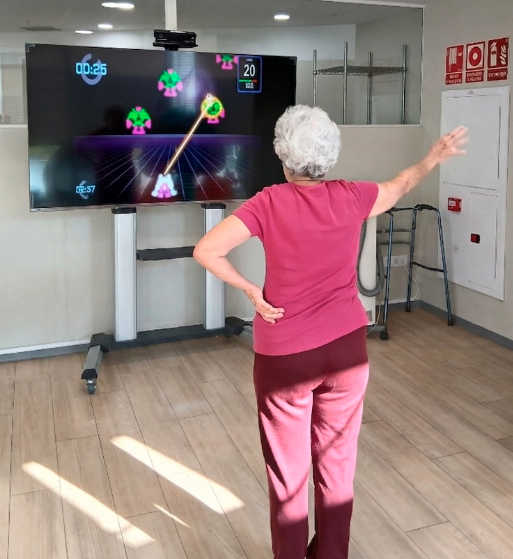
+60 exercises for body control rehabilitation
Functional exercises in virtual reality environments to work on postural control, head control, trunk control, movement control and much more.
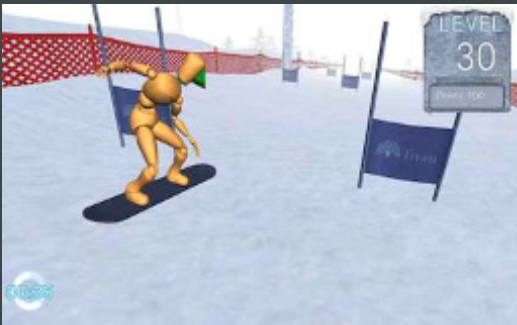
Trunk control
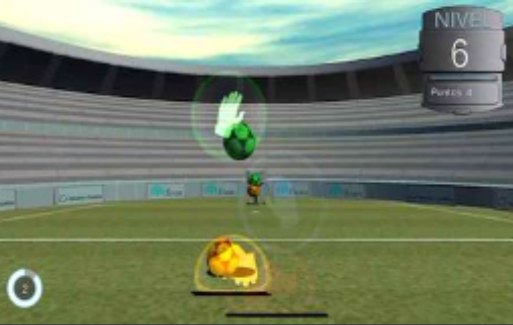
Simultaneous coordination

Weight transfer
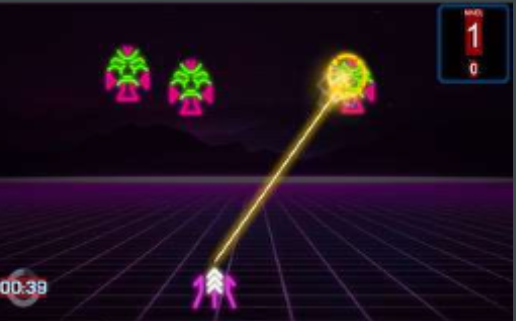
Trunk and arm control
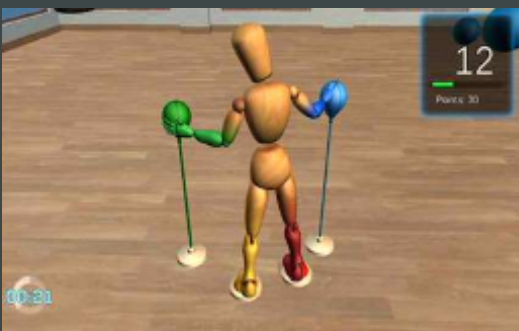
Static coordination
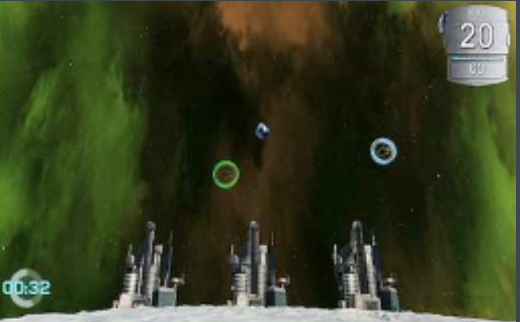
Simultaneous coordination
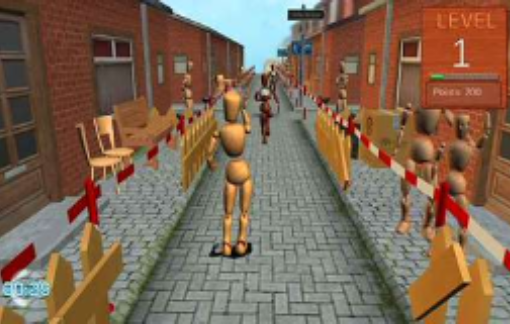
March
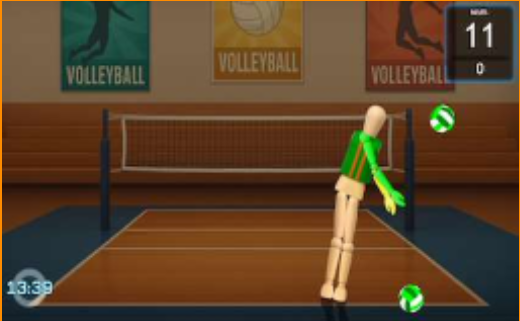
Head-hand coordination
Trunk control
+50
+more exercises
Examples of body control rehabilitation exercises
Some common examples of the tasks available on Rehametrics are:
Following a visual stimulus with head movements whilst maintaining postural stability
Shift the centre of gravity in different directions whilst sitting or standing
Controlling the torso to reach objects at different levels in space
Maintaining postural alignment whilst responding to stimuli from the virtual environment
Perform movements that separate the trunk from the limbs
Decide which items belong in each space or category.
In Rehametrics, these activities can be configured to be carried out whilst standing or sitting, with a maximum response time and in different virtual environments, tailoring each session to the patient’s level and needs.
Objective monitoring of body control rehabilitation
Rehametrics automatically records balance parameters (centre of gravity, base of support) and the range of motion of each joint on each side, using heat maps that show the positions the patient maintained throughout the session. It also calculates the asymmetry index between the left and right sides.
Each session is recorded in a 3D model of the movement, which can be replayed on demand, and the difficulty level is automatically adjusted in real time. The practitioner can manually adjust the parameters as required, and all reports can be printed and exported
Successes
Errors
Response time
Level of difficulty
Support base
Asymmetries
Centre of gravity
Range of motion
Benefits of the digital solution for body control rehabilitation
Rehametrics helps to increase patient engagement and adherence throughout the rehabilitation process.
Greater safety and independence in everyday activities
Improving control of the trunk, head and body enables patients to carry out everyday activities more safely, reduce the risk of falls and gain independence in situations that were previously unstable.
Greater motivation and adherence to treatment
Delivering treatment in a gamified virtual reality environment, with immediate feedback and automatic adjustment of the difficulty level, increases patient engagement during sessions and promotes adherence to long-term treatment programmes.
Objective monitoring with customisable clinical reports
Sessions are automatically recorded with quantitative data. The practitioner can generate personalised clinical reports that facilitate communication within the therapeutic team and the ongoing adjustment of treatment.
Discover our virtual reality solution for physiotherapy and physical rehabilitation
Discover a digital solution for attention rehabilitation with personalised therapeutic exercises and specialised clinical software.
Frequently Asked Questions
Body control refers to the ability to manage posture and body movement in a voluntary, coordinated and efficient way. In rehabilitation, working on body control involves improving head control, postural control, trunk control and overall body management - supporting the patient's safety and independence in everyday activities.
Primarily people who have experienced stroke, acquired brain injury, traumatic brain injury or neurodegenerative conditions affecting motor control. It is also indicated for paediatric patients with cerebral palsy or other conditions affecting the development of postural control and movement.
Rehametrics enables work on head control, postural control in seated and standing positions, trunk control and stabilisation, centre of gravity shifts and body alignment, among other motor capacities related to body control.
Yes. For many of the available exercises, the clinician can configure whether the patient works in a seated or standing position, adapting the task to the patient's functional level and the clinical objectives of each session.
Difficulty adjusts automatically based on performance: if the patient completes tasks consistently, the level increases; if they have difficulty, the level decreases to remain within a therapeutically optimal range. The clinician can also configure maximum response time, virtual environment and other personalisation variables.
Rehametrics automatically records the number of correct responses, errors and response time at each difficulty level. The clinician can access this data in the form of advanced, customisable clinical reports tailored to the needs of the therapy team.
It enables the creation of controlled, motivating environments where the patient receives immediate visual feedback about their movement. This facilitates real-time postural correction, increases training variability and improves treatment adherence compared with conventional therapy.
This varies depending on the patient, the underlying condition and the intensity of treatment. The regularity of sessions and appropriate progression of difficulty are the most important factors in achieving functional improvements in postural control and movement.
Yes. The exercises can be adapted for children (from age 4) with motor or postural control difficulties, adjusting the task type, difficulty level and virtual environment to the patient's profile.
No. The system is designed so that any clinical professional can configure sessions according to their therapeutic criteria and access monitoring data intuitively, without the need for specialist technical training.