
Cognitive rehabilitation exercises for attention
At Rehametrics, professionals have access to 45 exercises designed to train the various domains of attention, with a range of customisation options, adaptive difficulty levels and automated clinical monitoring.
- Suitable for patients who have suffered a stroke, a traumatic brain injury, cognitive impairment or acquired brain damage.
- The difficulty level adjusts automatically to the patient’s performance in real time.
- Contextualised clinical monitoring, including an analysis of the type of stimulus and error patterns in each exercise.
Cognitive rehabilitation of attention using clinical software
Cognitive rehabilitation exercises focusing on attention work on a person’s ability to focus, sustain and allocate their attention effectively. The patient does not simply react to stimuli: they must also ignore distractions, maintain concentration for prolonged periods, divide their attention between several simultaneous tasks, or inhibit automatic responses to certain stimuli.
This type of work is essential in neurological rehabilitation because attention forms the basis for many other cognitive functions. Attention difficulties frequently occur in people who have suffered a stroke, a traumatic brain injury, cognitive impairment, acquired brain injury or other neurological conditions.
- Customisable exercises: background, number of distractors, response time and type of stimuli (images, shapes, words, syllables or auditory stimuli).
- Clinical monitoring tailored to the type of stimuli and the degree of similarity in each response.
- Suitable for patients with stroke, traumatic brain injury, acquired brain injury, cognitive impairment, dementia and ADHD.
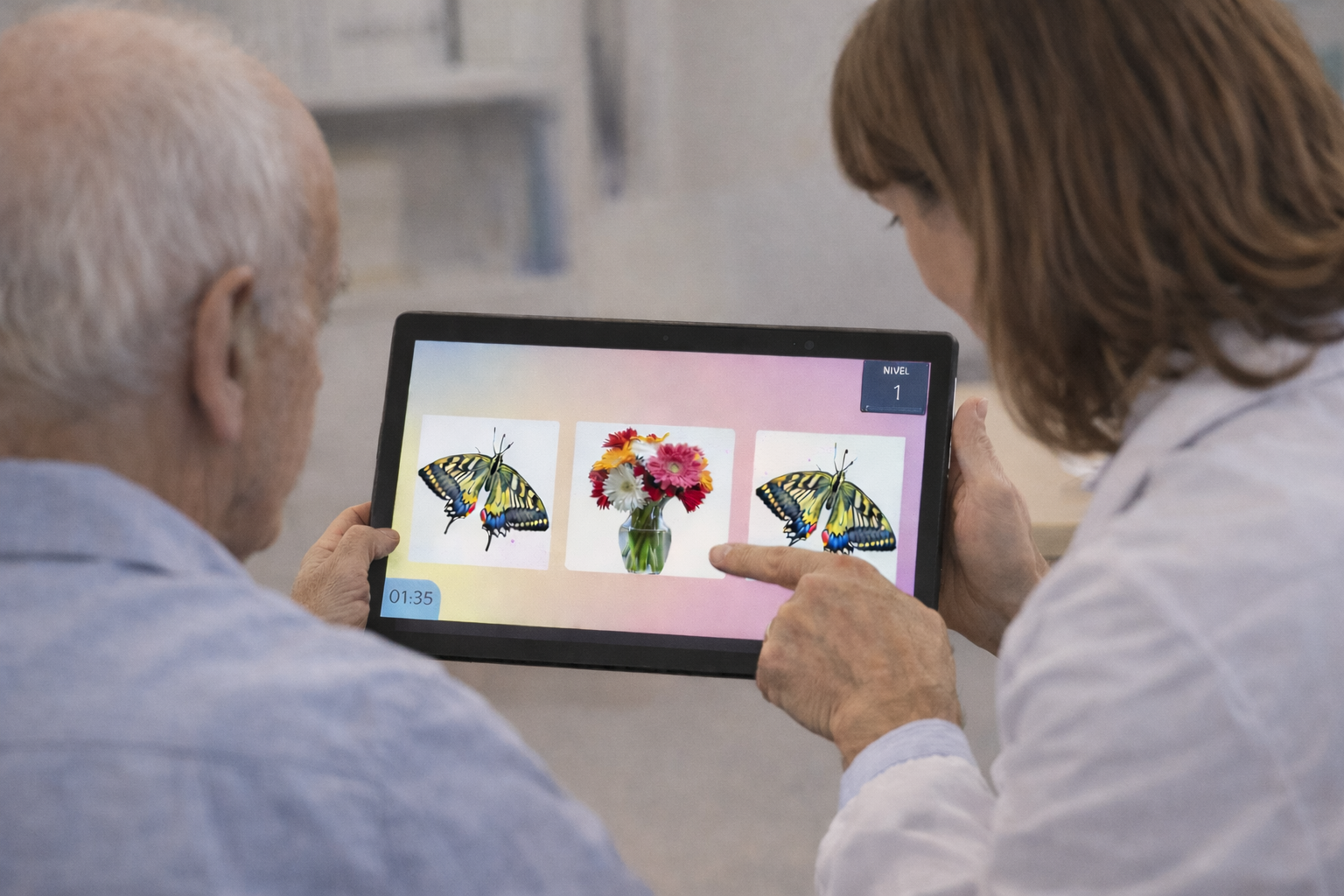
What types of care are provided?
The objectives vary depending on the patient’s clinical profile and the stage of treatment. The difficulty level can be adjusted in real time according to performance.
Examples of attention rehabilitation exercises
Activities that can be automatically adapted to the patient’s level and configured with different levels of difficulty depending on the clinical objective.

Spatial Awareness
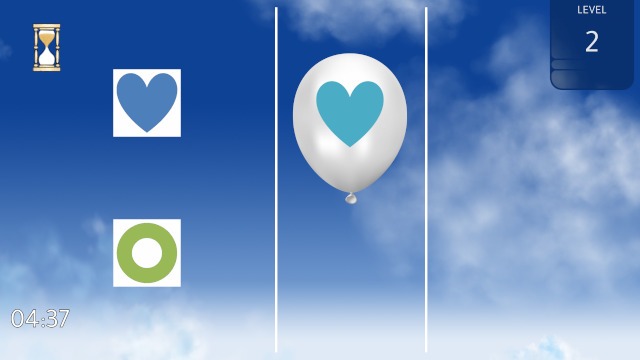
Divided Attention
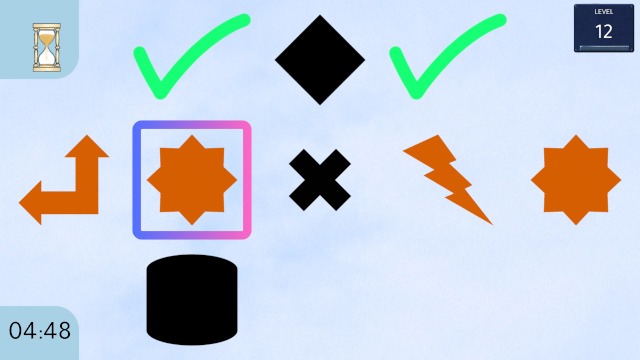
Selective Attention

Advanced Selective Attention
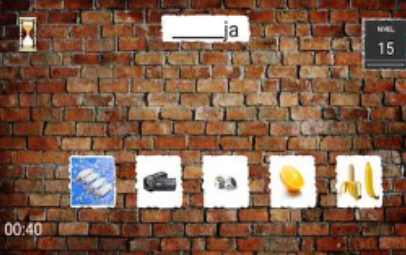
Simple Selective Attention
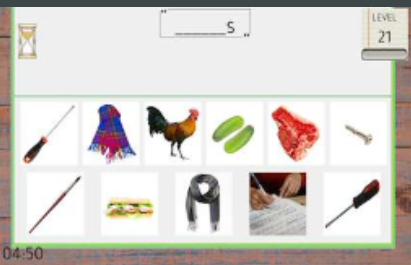
Temporary Selection Process

Selective Pseudowords
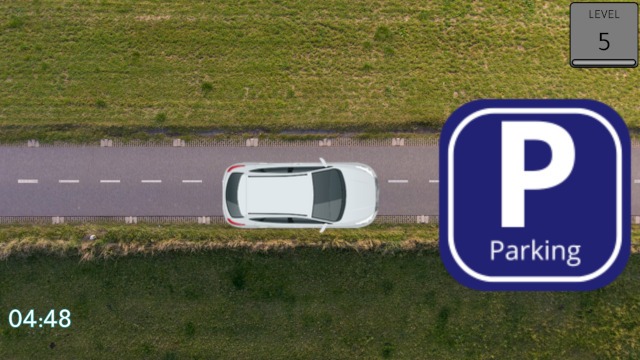
Sustained Attention
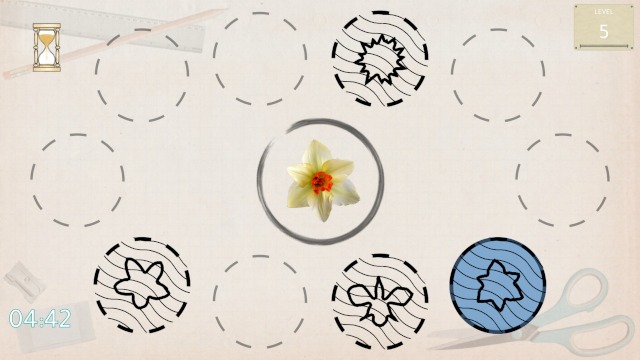
Visual Perception
+33
more exercises
Objective monitoring of the rehabilitation of care
Rehametrics automatically records correct answers, errors, response times and the level of difficulty achieved in each session, and breaks down performance according to the exact conditions of each task, the type and number of distractors, and the relationship between stimuli, to show in which specific situations the patient’s performance improves or deteriorates. Furthermore, it tracks the patient’s progress session by session and also within each exercise, reflecting how the system automatically adjusts the difficulty in real time based on their performance.
This enables the treatment team to monitor the patient’s progress objectively, identify the circumstances in which attention deficits occur, and adjust the treatment accordingly.
Successes
Errors
Response time
Level of difficulty
Context and type of stimuli in each response
Benefits of attention rehabilitation exercises
A tool designed to improve cognitive function, increase adherence to treatment and provide accurate, context-specific clinical monitoring.
Greater functionality in everyday activities
The exercises develop attention skills in a progressive and controlled manner, promoting functional transfer to real-life activities such as holding a conversation or following instructions.
Greater motivation and adherence to treatment
Automatic adjustment of the difficulty level and immediate feedback ensure that the patient is challenged at an optimal level: challenging enough without becoming frustrating, which is key in long-term rehabilitation.
Objective and context-specific monitoring
The sessions are recorded using both quantitative and qualitative data. The practitioner has access to detailed information on the type of stimuli that led to errors and the response speed at each level.
Revitalising care through specialised clinical software
Rehametrics’ software enables neuropsychologists, speech and language therapists and occupational therapists to design personalised therapy sessions, tailored to each patient’s needs and the specific type of attention deficit being addressed.
Some common examples of the tasks available:
- Detecting a target stimulus amongst visually similar distractors
- Maintaining attention throughout a sequence of stimuli and identifying the target
- Inhibiting the response to distracting stimuli whilst reacting to the targets
- Selecting stimuli from a specific category whilst ignoring the others
- Following sequences of combined auditory and visual stimuli
Advanced customisation options
- Wallpaper: configurable to adapt to the cognitive load of each session
- Number of distractors: adjustable to increase or decrease the level of attentional difficulty
- Response time: configurable according to the patient’s processing speed
- Type of stimuli: images of real objects, geometric shapes, words, syllables or auditory stimuli
- Difficulty level: manual adjustment or automatic adaptation depending on performance
Discover our software solution for cognitive rehabilitation
Find out how hospitals and healthcare professionals use Rehametrics to enhance rehabilitation care through personalised therapeutic exercises and specialised clinical software.
Frequently asked questions
It is a set of therapeutic interventions oriented towards recovering or improving the attentional capacity of individuals whose cognitive functions have been affected as a consequence of neurological damage or other conditions. It covers the training of different types of attention: sustained, selective, divided, alternating, and inhibition.
Primarily people who have suffered a stroke, traumatic brain injury, acquired brain injury, mild or moderate cognitive impairment, or any neurological condition that has caused difficulties in focusing or maintaining attention. It is also indicated for populations with neurodevelopmental disorders, such as ADHD.
Rehametrics allows clinicians to target sustained, selective, divided, and alternating attention, as well as automatic response inhibition and processing speed. The exercises can be configured to prioritise one type of attention over another depending on the clinical goal.
Difficulty is adjusted automatically based on performance: if the patient answers consistently correctly, the task becomes more demanding; if errors are made, the level drops to remain within an optimal range. Additionally, the professional can configure variables such as the number of distractors, stimulus types, and response times.
Rehametrics automatically records the number of correct responses, errors, and response times at each difficulty level. The results are contextualised, indicating what type of stimuli appeared on screen and their degree of similarity, allowing for a more precise analysis of error patterns.
The software allows for more precise control over the variables of each task (stimulus type, number of distractors, exposure time), automatically records results, and provides immediate feedback to the patient. This facilitates more structured, measurable sessions tailored to actual patient performance, complementing the clinician's professional judgment.
It depends on the configuration. Rehametrics can be used in the clinic under direct professional supervision or remotely with follow-up from the therapy team.
It is a key factor. The automatic difficulty adaptation prevents both frustration and the boredom caused by tasks being too easy. Immediate feedback after each response also contributes to maintaining the patient's active engagement during the session.
This varies according to the patient, the underlying condition, and the intensity of treatment. The consistency of the sessions and appropriate difficulty progression are the most decisive factors in achieving functional improvements.
Yes. The exercises can be adapted for paediatric populations with attentional or neurodevelopmental difficulties from the age of 4, adjusting the stimulus types, response times, and task complexities to the patient's profile.
No. The system is designed so that any clinical professional can intuitively configure sessions according to their therapeutic criteria and access monitoring data without the need for specialist technical training.