
Cognitive rehabilitation in virtual reality
Turn cognitive rehabilitation into an immersive, functional, and measurable experience. More than 25 exercises designed to train attention, memory, and executive functions in virtual and mixed reality environments, with automatic performance tracking.
Try it free for 7 days · No credit card · No commitment
More than 25 cognitive VR exercises
A selection of the available environments and tasks, in immersive virtual reality and mixed reality.
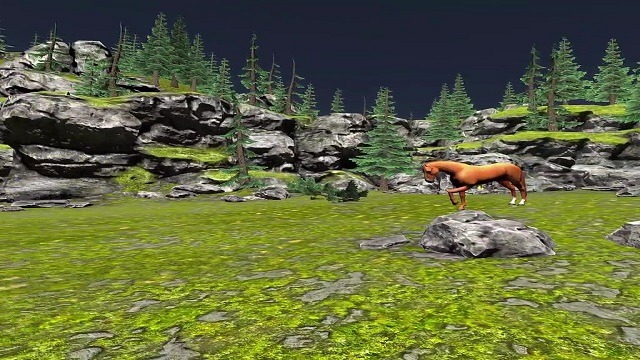
Forest
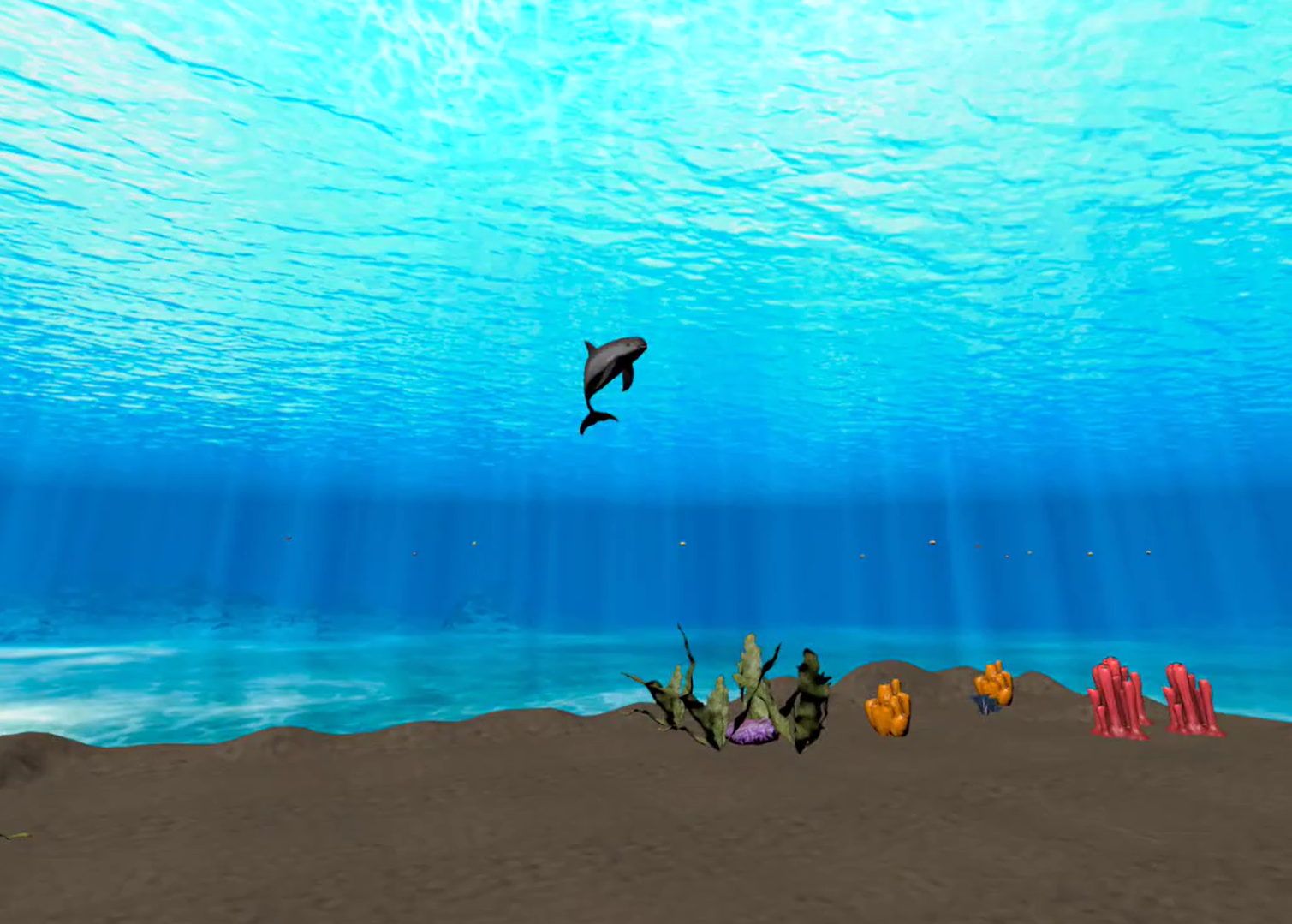
Underwater

Space
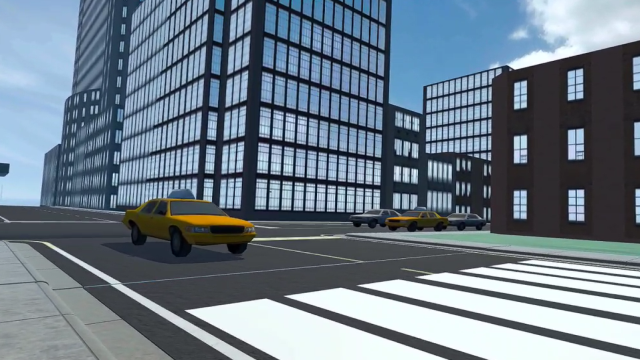
Hemispatial Neglect
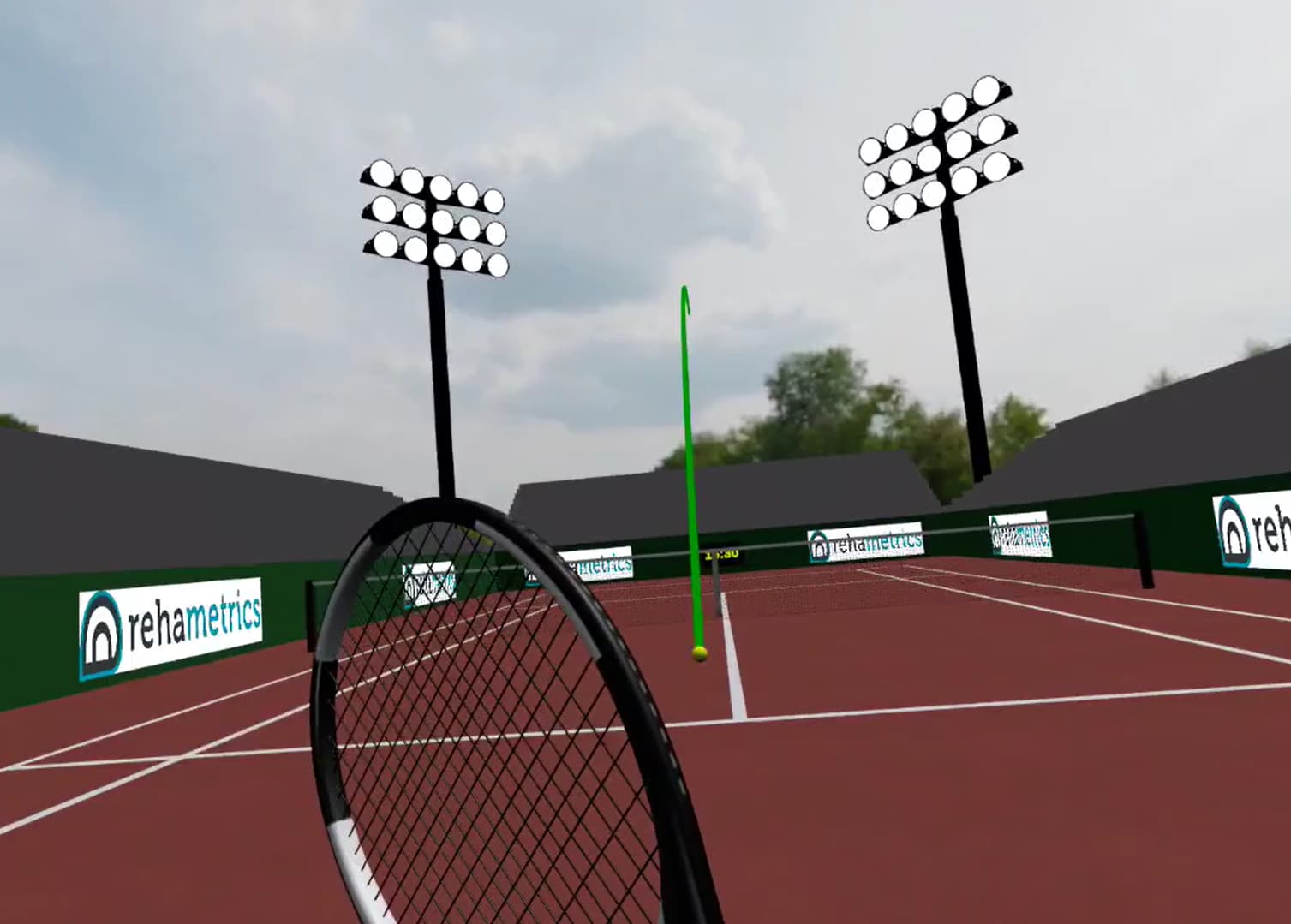
Cognitive Tennis
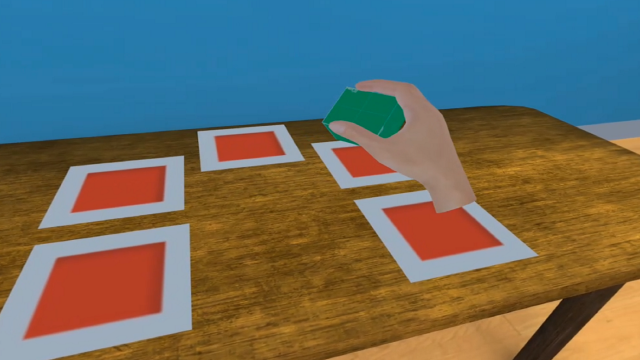
Working Memory I
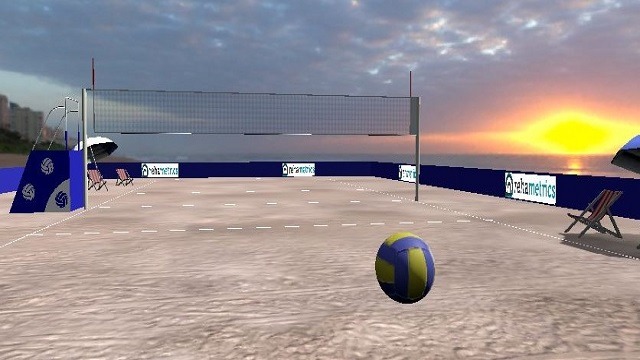
Cognitive Volleyball
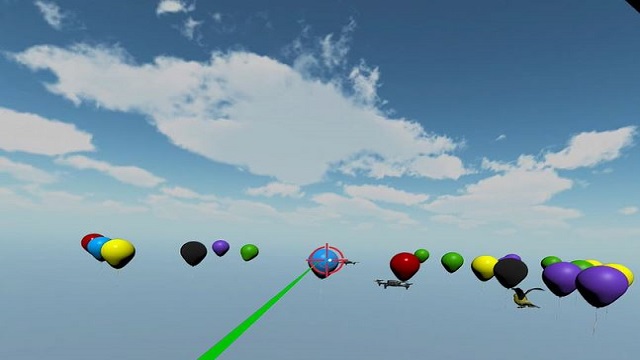
Head Control and Attention
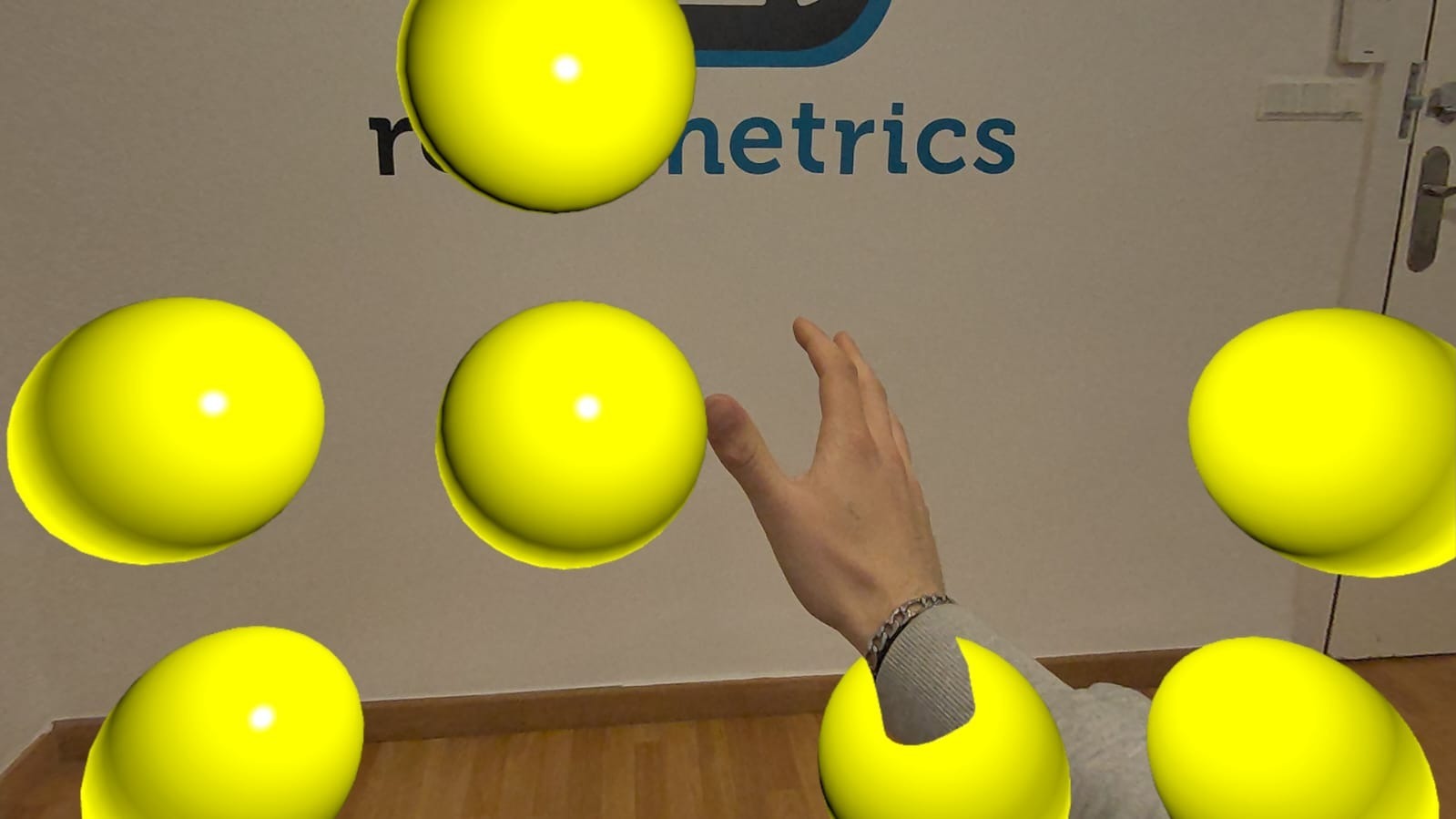
Reaching and Attention
+25
VR exercises
Two modalities. One goal: maximum functional transfer.
Rehametrics' cognitive VR exercises are presented in two formats, each with distinct characteristics and clinical applications.
🥽
Immersive virtual reality
The patient wears the VR headset and is fully immersed in a three-dimensional environment. They cannot see the real world: they see a forest, the ocean floor, outer space or a city street. Within that environment they complete cognitive tasks — attention, memory, head control, reaction speed — while their brain processes a complex, motivating spatial context.
When to use it: When the goal is to maximise immersion, engagement and the intensity of cognitive training. Particularly useful for patients with low motivation, those undergoing extended treatment, or when a more attentionally demanding environment is required.
Available exercises
Arctic · Forest · Desert · Underwater · Space · Kitchen · Hemispatial Neglect · Street Crossing · Working Memory I · Cognitive Tennis · Reaction Speed and Coordination I & II · Bimanual Praxis I · Wrist Mobility and Categorisation · Head Control and Attention I · Coordination and Cognitive Flexibility I · Cognitive Volleyball
🌐
Mixed reality
The patient wears the headset but continues to see their real physical environment. Virtual objects appear within that environment for the patient to interact with: a ball flying through their room, sheet music on their actual table, among other examples.
The clinical advantage is clear: functional transfer is immediate. The patient does not need to translate what they have learned in a virtual environment into their real world — they are already working in their real world, with virtual stimuli overlaid onto it.
When to use it: When the primary goal is generalisation to everyday activities, working in ecological environments, or rehabilitating functional skills such as comprehension, categorisation or fine motor skills with a cognitive component.
Available exercises
Comprehension with Real Objects · Head Control and Attention II & IV · Coordination and Cognitive Flexibility II · Finger Dissociation II · Working Memory IV · Reaction Speed and Coordination III
Exercises by clinical domain
🎯
Attention, head control and processing speed
Available in immersive VR and mixed reality.
🧠
Working memory
Available in immersive VR and mixed reality.
⚙️
Executive functions and cognitive flexibility
Available in immersive VR and mixed reality.
🤲
Praxis, fine motor skills and categorisation
Available in immersive VR and mixed reality.
🏠
Cognitive ADLs in simulated environments
Particularly indicated for patients with hemispatial neglect, cognitive impairment or acquired brain injury.
🌊
Immersive stimulation environments
Particularly indicated when the goal is to maximise patient motivation and active engagement.
Why virtual reality supports cognitive rehabilitation
The immersion and interactivity of virtual reality enhance the therapeutic effect of cognitive exercises compared to conventional methods.
Greater immersion, greater attention
Virtual environments capture the patient's attention and reduce distractions from the real-world setting.
Greater motivation, greater adherence
Gamification and immediate feedback increase motivation and treatment adherence.
Immediate functional transfer
Exercises replicate everyday tasks, facilitating the transfer of acquired skills to daily life.
Richer visuospatial stimulation
VR enables attention and spatial orientation training through realistic three-dimensional stimuli.
Automated clinical monitoring
Every session automatically records correct responses, errors and response times for objective progress tracking.
When does it make sense to incorporate cognitive exercises in virtual reality?
Two common scenarios in which the VR cognitive module offers significant clinical value.
If your clinic already uses glasses for occupational therapy
Many centres already use virtual reality for occupational therapy: fine motor skills, activities of daily living, range of motion and coordination. If this applies to you, cognitive exercises in VR do not require any additional equipment. They are run on the same device:
- Stroke and acquired brain injury: initial focus on motor and occupational aspects, almost always with associated cognitive deficits (attention, working memory, executive functions, hemineglect).
-
Parkinson’s disease: alongside tremors and impaired fine motor skills, there is slowed processing, executive difficulties and cognitive decline in advanced stages.
-
Multiple sclerosis: as well as fatigue and motor symptoms, cognitive fatigue, attention deficits and processing difficulties.
-
Traumatic brain injury: common cognitive sequelae affecting attention, processing speed and executive functions.
-
Cerebral palsy: alongside fine motor skills, postural control and activities of daily living, cognitive needs (attention, praxis, working memory).
-
Active ageing and mild cognitive impairment: programmes that combine physical exercise and cognitive stimulation.
-
Neurodegenerative diseases: simultaneous motor and cognitive progression that calls for combined approaches.
If your patients with cognitive impairments are already using screens and you want to take things a step further
The cognitive module on a tablet or PC already offers more than 190 stimulation tasks. There are certain user profiles that would benefit from making the switch to the immersive environment:
-
Subacute or chronic post-stroke: patients who have already mastered on-screen exercises and require a more challenging and spatially richer environment.
-
Hemineglect: the 3D environment presents stimuli in real space (including the neglected hemifield) and triggers visual exploration in a more natural way.
-
Mild or moderate cognitive impairment: suitable for people who are comfortable using technology, particularly those who experience fatigue or a lack of interest in conventional formats.
-
Young people with acquired brain injury (TBI, anoxia): groups who need more stimulating environments to maintain adherence.
-
Combined cognitive-motor impairment: patients who benefit directly from the dual-task approach integrated into VR.
-
Low motivation or high fatigue when performing on-screen exercises: situations where a change in format can boost adherence to treatment.
For which type of patient are they indicated?
Rehametrics’ virtual reality cognitive exercises are particularly suitable for:
🧠
Post-stroke patients
Cognitive impairment: attention, memory, executive functions, hemineglect.
⚡
Acquired brain injury
Stroke, anoxia or tumour, with cognitive and/or motor impairments.
🧩
Cognitive decline and dementia
Mild or moderate cognitive impairment and early-stage dementia.
👶
Cerebral palsy and neurodevelopment
Neurodevelopmental conditions involving cognitive and motor impairment.
🔋
Low motivation or adherence
Patients who find it difficult to adhere to conventional treatment.
🔗
Physical or occupational rehabilitation
Any patient who benefits from the added cognitive component in VR.
Discover our virtual reality cognitive rehabilitation solution
Immersive, measurable and motivating cognitive stimulation, on the device you already own.
Frequently asked questions
Rehametrics includes more than 25 cognitive exercises designed specifically for virtual reality, available in two modalities: immersive virtual reality (the patient is fully immersed in a 3D environment) and mixed reality (virtual objects are overlaid onto the patient's real physical environment).
Screen-based exercises work on cognitive functions through 2D visual stimuli. VR exercises add a spatial dimension, active body movement, environmental immersion and — in mixed reality — the integration of virtual objects into the patient's real physical space. This increases the richness of stimuli, the level of active attention and the functional transfer to daily life.
In immersive VR, the patient sees only the virtual environment and cannot perceive the real world. In mixed reality, they continue to see their real physical environment, but virtual objects appear within it for them to interact with. Mixed reality facilitates the generalisation of improvements to activities of daily living, because the patient is working directly in their everyday environment.
Not all patients are suitable candidates. The clinician must individually assess the indication based on the patient's clinical profile, their tolerance to immersion and their ability to use the device. Rehametrics is designed so that the clinician configures and supervises each session according to the clinical criteria they consider appropriate.
The exercises target sustained, selective and divided attention, active head control, working memory, executive functions and cognitive flexibility, praxis and fine motor skills with a cognitive component, and cognitive ADLs in simulated environments.
Yes. Several exercises are designed to target physical and cognitive objectives simultaneously (dual-task): head control + attention, upper limb coordination + cognitive flexibility, or fine motor skills + categorisation, among others.
Rehametrics automatically records the number of correct responses, errors and response time at each difficulty level. Results are contextualised by indicating what type of stimuli appeared and their degree of similarity, enabling objective analysis of cognitive progress session by session.
Yes. The system adjusts difficulty based on the patient's performance during the session. The clinician can also manually configure and modify parameters at any point if they consider it necessary.
We do not recommend using the VR headset without direct supervision from a clinician. However, the Rehametrics Physical and Rehametrics Cognitive modules do offer telerehabilitation options.
For screen-based exercises, the cognitive module works on any digital device (tablet, PC, touchscreen). For VR and immersive exercises, a virtual reality device compatible with the platform is required. Please contact Rehametrics for the list of compatible headset models.