
Cervical motor control exercises in occupational therapy and physiotherapy
Rehametrics provides cervical rehabilitation exercises designed to improve mobility, coordination and motor control through functional simulations inspired by real-world work environments.
- Workplace simulations: screens, driving, object manipulation
- Difficulty adapts automatically to the patient's performance
- Range of motion, speed and visual stimuli configurable by the clinician
Train cervical motor control with functional exercises
- The clinician can personalise range of motion, speed, reaction time, cervical amplitude and visual stimuli.
- Targets cervical mobility, head-eye coordination, postural stability and reaction speed.
- Indicated for neurological, orthopaedic and chronic cervical pain patients, including those with kinesiophobia.
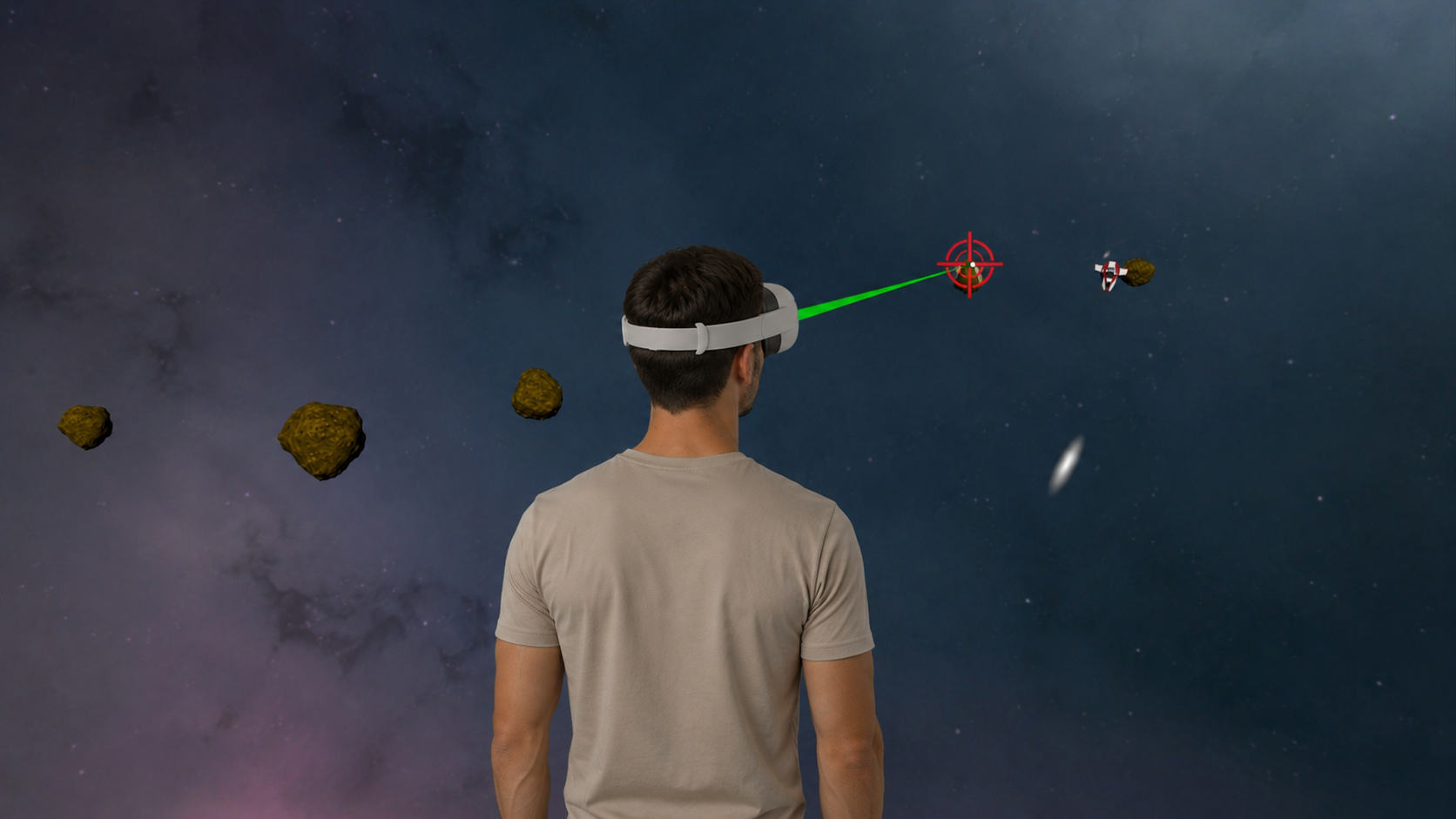
Types of cervical rehabilitation exercises available
Rehametrics includes therapeutic exercises designed to simulate functional and work activities using virtual reality and clinical exergames.
Cervical rehabilitation exercises in Rehametrics
A selection of available exercises. Functional tasks targeting cervical mobility, head-eye coordination, postural control and reaction speed — and many more.
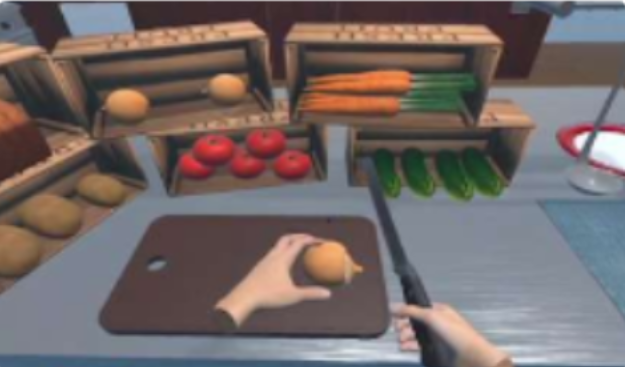
Timed recipe cooking
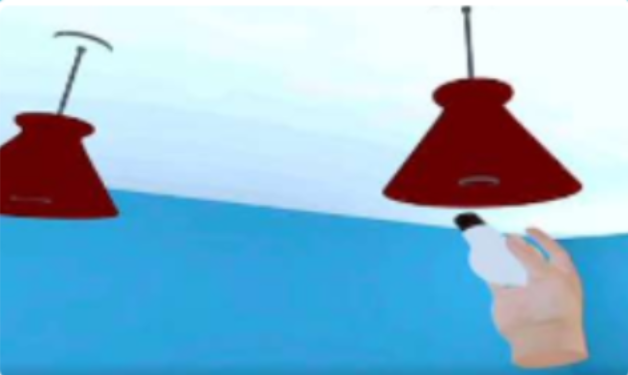
Overhead object manipulation
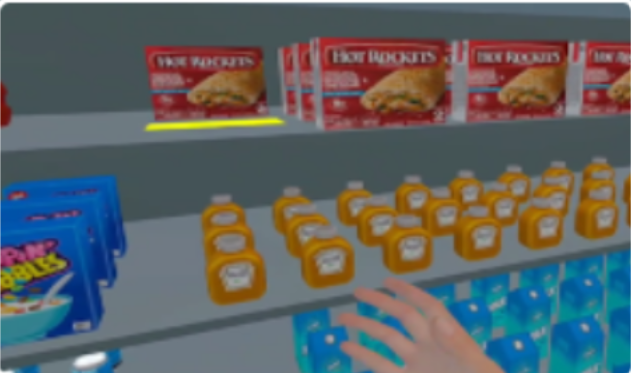
Supermarket restocking
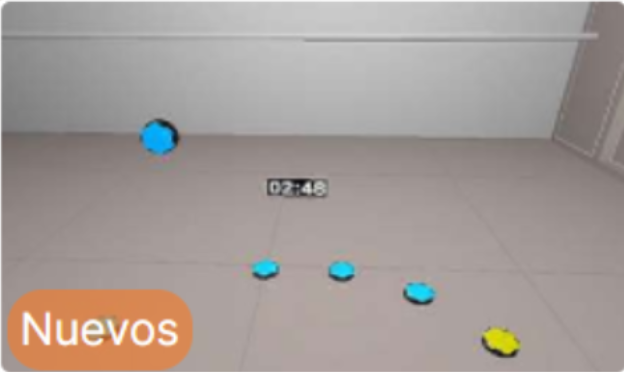
Reaction lights I
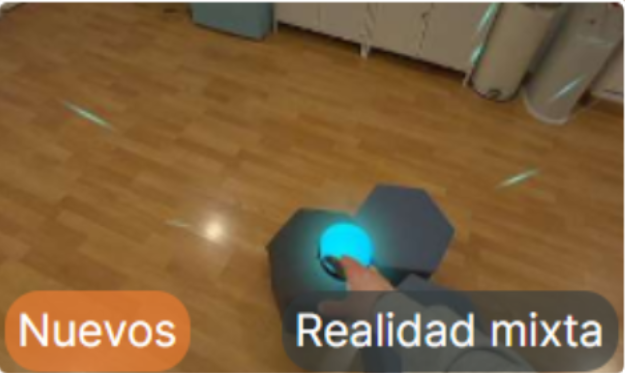
Reaction lights II (mixed reality)
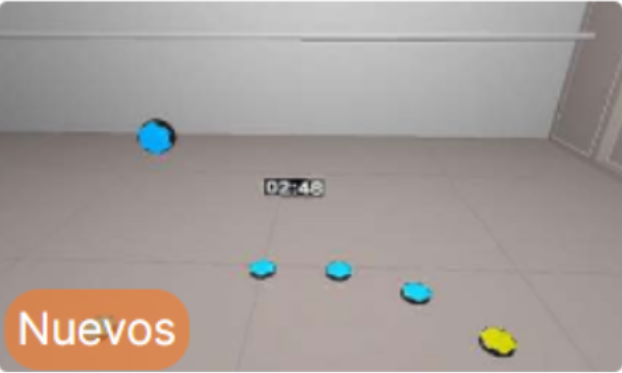
Reaction lights and range of motion
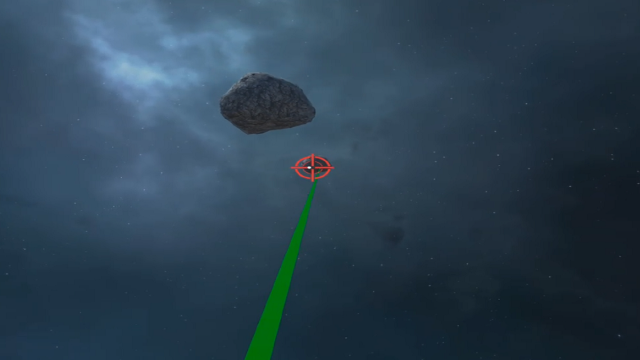
Head control and attention

Space
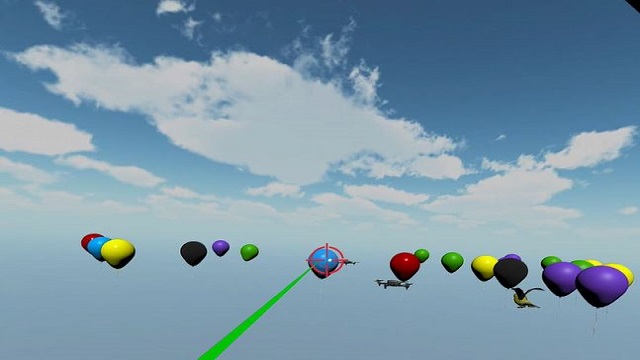
Head control II
+20
More exercises
Objective clinical monitoring of every session
While the patient completes rehabilitation sessions, Rehametrics automatically records clinical metrics including response time, accuracy, range of motion, errors and difficulty level reached.
This data allows the clinical team to monitor the patient's functional progress and adjust the treatment plan based on results and therapeutic progress.
Response time
Accuracy
Range of motion
Errors
Difficulty level reached
Key benefits
In addition to improving cervical mobility and function, Rehametrics helps increase patient engagement and supports more functional, motivating training.
Objective session data
The platform automatically quantifies response time, accuracy, errors, range of motion and difficulty level, enabling precise monitoring of functional progress.
Improved treatment adherence
Presenting exercises within virtual reality environments provides a motivating, visually engaging context. Immediate visual feedback on movement displacement allows patients to become aware of their own movement and self-correct in real time.
Adapted functional training
Allows difficulty and range of motion to be adjusted to clinical objectives, integrates cervical mobility within real functional tasks, and trains visual coordination, attention and reaction speed.
Discover our virtual reality solution for cervical rehabilitation
Frequently asked questions
A workplace environment simulator is a virtual reality tool that allows patients to train cervical movements and postural control through tasks inspired by real work activities — such as tracking visual stimuli, reacting to signals or sustaining attention across different targets.
Virtual reality helps improve cervical mobility, head-eye coordination, postural stability and functional motor control through interactive, personalised exercises. It also increases patient motivation and promotes greater treatment adherence.
Cervical motor control exercises can be used with patients presenting with:
- Neck pain (cervicalgia)
- Whiplash
- Chronic cervical pain
- Cervicogenic dizziness
- Cervical motor control deficits
- Kinesiophobia
- Neurological disorders
- Functional limitations following immobilisation
Rehametrics includes exercises targeting:
- Visual tracking
- Head-eye coordination
- Multi-directional cervical control
- Reaction speed
- Spatial orientation
- Postural training
- Functional multitasking
- Workplace activity simulations
The system automatically adjusts difficulty based on the patient's performance. The clinician can also configure parameters such as range of motion, speed, duration, reaction time and task complexity.
No. Virtual reality is a complementary tool that helps increase the number of therapeutic repetitions, improve adherence and deliver more functional and motivating training within the rehabilitation process.
Functional tasks allow cervical movement to be integrated within activities that more closely resemble real life, improving functional transfer, active patient participation and reducing fear of movement.
Rehametrics automatically records clinical metrics — including response time, accuracy, errors, range of motion and difficulty level reached — during every session, supporting objective monitoring of functional progress.